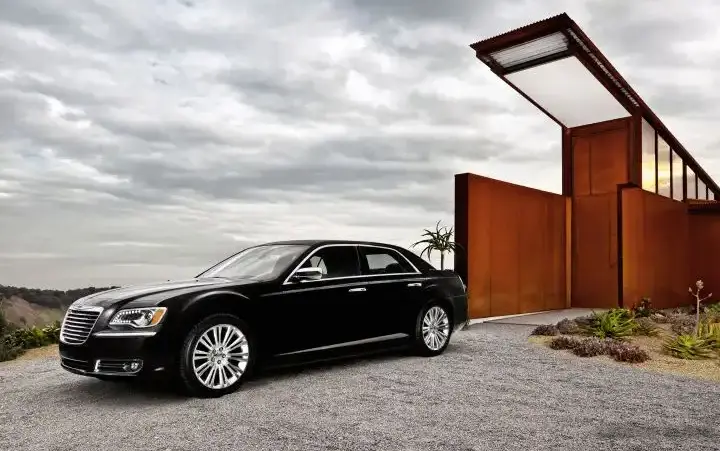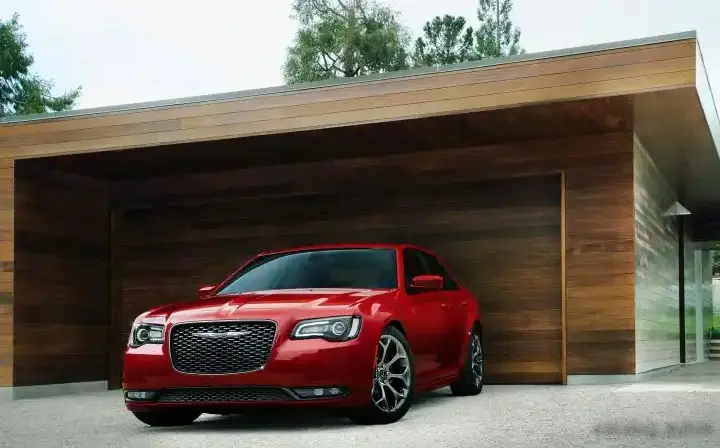
The Chrysler 300 II, specifically the 3.6-liter (296 horsepower) variant with an automatic transmission, represents a significant iteration of Chrysler’s full-size sedan. Produced from 2015 to 2023, this facelifted version of the second-generation 300 (introduced in 2011) aimed to refine the model’s appeal, blending American muscle car aesthetics with modern technology and comfort. This particular engine and transmission combination occupied a central position within the 300 lineup, offering a balance between performance and affordability, appealing to buyers seeking a spacious, powerful, and relatively well-equipped sedan.
Technical Specifications
| Brand | Chrysler |
| Model | 300 |
| Generation | 300 II (facelift 2015) |
| Type (Engine) | 3.6 (296 Hp) Automatic |
| Start of production | 2015 |
| End of production | 2023 |
| Powertrain Architecture | Internal Combustion engine |
| Body type | Sedan |
| Seats | 5 |
| Doors | 4 |
| Fuel consumption (urban) | 12.4 l/100 km (19 US mpg) |
| Fuel consumption (extra urban) | 7.6 l/100 km (30.9 US mpg) |
| Fuel consumption (combined) | 10.2 l/100 km (23.1 US mpg) |
| Fuel Type | Petrol (Gasoline) |
| Weight-to-power ratio | 6.2 kg/Hp, 161.9 Hp/tonne |
| Weight-to-torque ratio | 5.2 kg/Nm, 193.1 Nm/tonne |
| Power | 296 Hp @ 6350 rpm |
| Power per litre | 82.1 Hp/l |
| Torque | 353 Nm @ 4800 rpm (260.36 lb.-ft. @ 4800 rpm) |
| Engine layout | Front, Longitudinal |
| Engine Model/Code | ERB |
| Engine displacement | 3604 cm3 (219.93 cu. in.) |
| Number of cylinders | 6 |
| Engine configuration | V-engine |
| Cylinder Bore | 96 mm (3.78 in.) |
| Piston Stroke | 83 mm (3.27 in.) |
| Compression ratio | 10.2:1 |
| Number of valves per cylinder | 4 |
| Fuel injection system | Multi-port manifold injection |
| Engine aspiration | Naturally aspirated engine |
| Engine oil capacity | 5.6 l (5.92 US qt | 4.93 UK qt) |
| Coolant capacity | 9.5 l (10.04 US qt | 8.36 UK qt) |
| Kerb Weight | 1828 kg (4030.05 lbs.) |
| Trunk (boot) space | 462 l (16.32 cu. ft.) |
| Fuel tank capacity | 72 l (19.02 US gal | 15.84 UK gal) |
| Length | 5044 mm (198.58 in.) |
| Width | 1902 mm (74.88 in.) |
| Height | 1485 mm (58.46 in.) |
| Wheelbase | 3052 mm (120.16 in.) |
| Front track | 1611 mm (63.43 in.) |
| Rear track | 1620 mm (63.78 in.) |
| Ride height (ground clearance) | 120 mm (4.72 in.) |
| Drivetrain Architecture | Rear wheel drive |
| Number of gears | 8 |
| Gearbox type | Automatic transmission |
| Front suspension | Independent coil spring |
| Rear suspension | Independent coil spring |
| Front brakes | Ventilated discs |
| Rear brakes | Disc |
| Steering type | Steering rack and pinion |
| Power steering | Electric Steering |
| Tires size | 215/65 R17; 225/60 R18; 235/55 R19; 245/45 R20 |
| Wheel rims size | 17; 18; 19; 20 |
Powertrain & Engine Architecture
At the heart of the 2015-2023 Chrysler 300 II 3.6L Automatic lies the Pentastar V6 engine, specifically the ERB code. This 3.6-liter (219.93 cubic inches) naturally aspirated engine is a 60-degree V6, featuring a cast iron block and aluminum cylinder heads. It utilizes a multi-port fuel injection system, delivering fuel directly into the intake ports. The engine boasts four valves per cylinder, operated by dual overhead camshafts, contributing to its respectable power output. The 8-speed automatic transmission, sourced from ZF, plays a crucial role in delivering power to the rear wheels. This transmission is known for its smooth shifting and contributes to improved fuel efficiency compared to older automatic designs. The transmission’s gear ratios are tuned to balance acceleration and highway cruising, offering a comfortable driving experience.
Driving Characteristics
The 296 horsepower and 260 lb-ft of torque produced by the 3.6L V6, when paired with the 8-speed automatic, provides a comfortable and capable driving experience. While not as overtly powerful as the available 5.7L HEMI V8 or the 6.4L SRT variants, the 3.6L offers sufficient power for everyday driving and highway passing maneuvers. The automatic transmission generally shifts smoothly, although it can sometimes feel hesitant during quick acceleration. The rear-wheel-drive configuration contributes to a balanced feel, although it doesn’t offer the same level of dynamic handling as some European sedans. Compared to the manual transmission options available in earlier 300 models, the automatic prioritizes convenience and ease of use over outright performance. The gear ratios are optimized for fuel economy, resulting in a more relaxed driving experience at highway speeds.
Equipment & Trim Levels
The 3.6L Automatic variant of the Chrysler 300 II was typically offered in several trim levels, including the base 300, the 300S, and the 300 Limited. Standard features generally included keyless entry, a touchscreen infotainment system with Bluetooth connectivity, and a rearview camera. Higher trim levels, such as the 300S, added sport-tuned suspension, unique exterior styling cues, and premium interior materials. Optional extras included a premium sound system, navigation system, heated and ventilated front seats, and advanced safety features like adaptive cruise control and blind-spot monitoring. Interior upholstery ranged from cloth in the base models to leather in the higher trims. Dashboard configurations were generally consistent across trim levels, with variations in trim materials and accent colors.
Chassis & Braking
The Chrysler 300 II utilizes an independent coil spring suspension at both the front and rear, providing a comfortable ride quality. The suspension tuning varies slightly depending on the trim level, with the 300S featuring a firmer setup for more engaging handling. Braking duties are handled by ventilated discs at the front and solid discs at the rear. Anti-lock braking system (ABS) is standard. The steering system employs an electric power steering rack and pinion, offering a responsive and precise steering feel. Wheel sizes ranged from 17 to 20 inches, depending on the trim level and optional packages.
Market Reception & Comparison
The 2015-2023 Chrysler 300 II 3.6L Automatic received generally positive reviews, with critics praising its spacious interior, comfortable ride, and powerful engine. However, some reviewers noted that its fuel economy was not class-leading and that its handling was not as sharp as some competitors. Compared to the V8-powered 300 models, the 3.6L offered a more affordable entry point into the 300 lineup, appealing to buyers who prioritized fuel efficiency and value. Against competitors like the Toyota Avalon and Ford Taurus, the 300 stood out with its distinctive styling and rear-wheel-drive platform.
Legacy
The Chrysler 300 II 3.6L Automatic has proven to be a relatively reliable powertrain combination. The Pentastar V6 engine is known for its durability, and the ZF 8-speed automatic transmission has a good reputation for longevity. In the used car market, these models represent a good value proposition, offering a spacious and well-equipped sedan at an affordable price. While not a sports car, the 3.6L Automatic provides a comfortable and capable driving experience, making it a popular choice for families and commuters. Regular maintenance, including oil changes and transmission fluid services, is crucial for ensuring the long-term reliability of this powertrain.