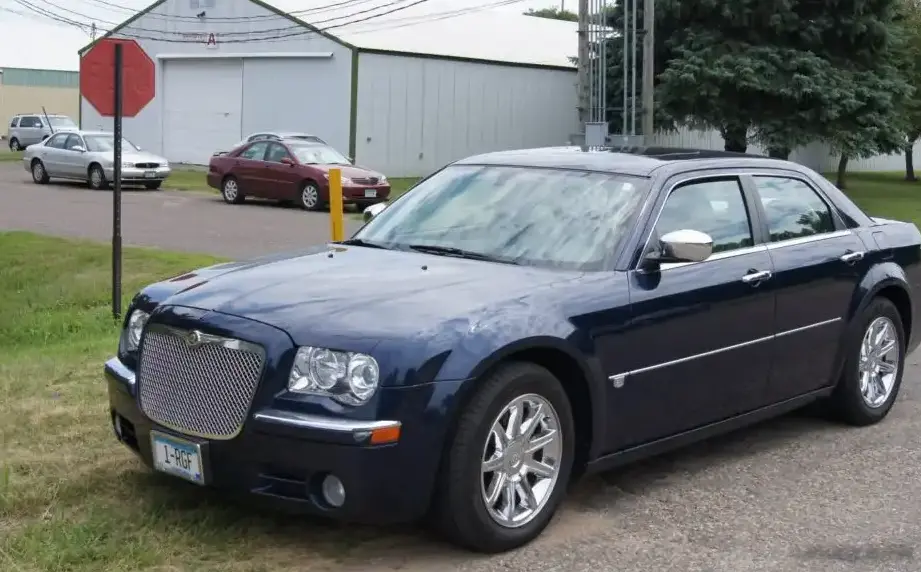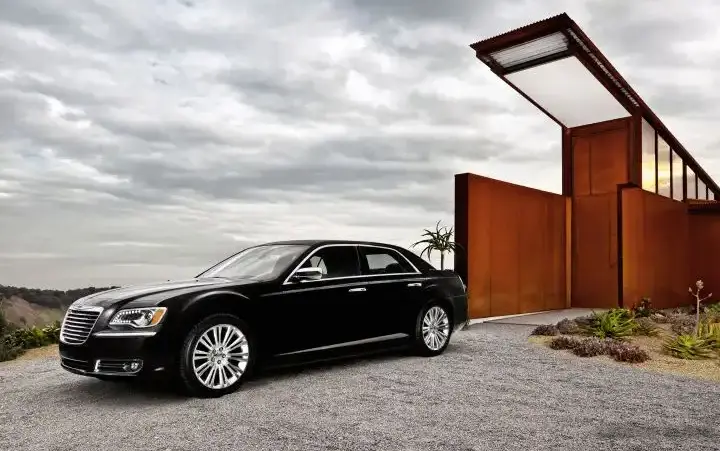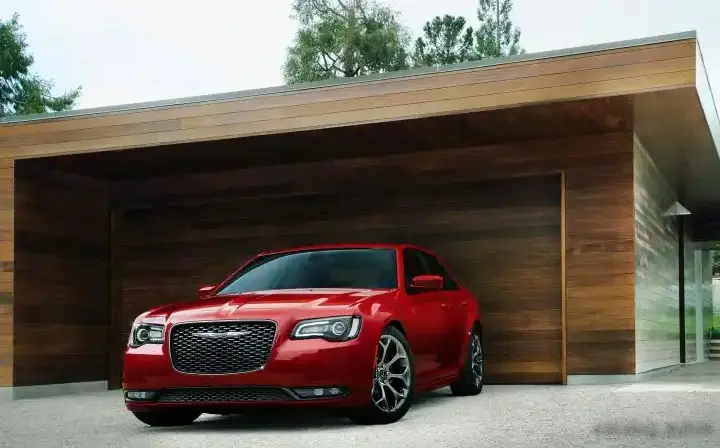
The Chrysler 300 II, specifically the 3.6-liter (296 horsepower) all-wheel-drive automatic variant produced from 2015 to 2023, represents a significant evolution of Chrysler’s full-size sedan. This iteration, a facelift of the second-generation 300 (LX platform), aimed to blend American muscle car aesthetics with modern technology and a more refined driving experience. Positioned as a mid-to-upper trim level within the 300 lineup, it offered a compelling alternative to import luxury sedans, emphasizing value and spaciousness. The 300 continued to be manufactured primarily for the North American market, serving as a flagship sedan for the Chrysler brand.
Technical Specifications
| Brand | Chrysler |
| Model | 300 |
| Generation | 300 II (facelift 2015) |
| Type (Engine) | 3.6 (296 Hp) AWD Automatic |
| Start of production | 2015 |
| End of production | 2023 |
| Powertrain Architecture | Internal Combustion engine |
| Body type | Sedan |
| Seats | 5 |
| Doors | 4 |
| Fuel consumption (urban) | 13.1 l/100 km (18 US mpg, 21.6 UK mpg, 7.6 km/l) |
| Fuel consumption (extra urban) | 8.7 l/100 km (27 US mpg, 32.5 UK mpg, 11.5 km/l) |
| Fuel consumption (combined) | 11.2 l/100 km (21 US mpg, 25.2 UK mpg, 8.9 km/l) |
| Fuel Type | Petrol (Gasoline) |
| Weight-to-power ratio | 6.5 kg/Hp, 154.1 Hp/tonne |
| Weight-to-torque ratio | 5.4 kg/Nm, 183.8 Nm/tonne |
| Power | 296 Hp @ 6350 rpm |
| Power per litre | 82.1 Hp/l |
| Torque | 353 Nm @ 4800 rpm (260.36 lb.-ft. @ 4800 rpm) |
| Engine layout | Front, Longitudinal |
| Engine Model/Code | ERB |
| Engine displacement | 3604 cm3 (219.93 cu. in.) |
| Number of cylinders | 6 |
| Engine configuration | V-engine |
| Cylinder Bore | 96 mm (3.78 in.) |
| Piston Stroke | 83 mm (3.27 in.) |
| Compression ratio | 10.2:1 |
| Number of valves per cylinder | 4 |
| Fuel injection system | Multi-port manifold injection |
| Engine aspiration | Naturally aspirated engine |
| Engine oil capacity | 5.6 l (5.92 US qt | 4.93 UK qt) |
| Coolant | 9.5 l (10.04 US qt | 8.36 UK qt) |
| Kerb Weight | 1921 kg (4235.08 lbs.) |
| Trunk (boot) space (minimum) | 462 l (16.32 cu. ft.) |
| Fuel tank capacity | 72 l (19.02 US gal | 15.84 UK gal) |
| Length | 5044 mm (198.58 in.) |
| Width | 1902 mm (74.88 in.) |
| Height | 1485 mm (58.46 in.) |
| Wheelbase | 3052 mm (120.16 in.) |
| Front track | 1611 mm (63.43 in.) |
| Rear (Back) track | 1620 mm (63.78 in.) |
| Ride height (ground clearance) | 122 mm (4.8 in.) |
| Drive wheel | All wheel drive (4×4) |
| Number of gears and type of gearbox | 8 gears, automatic transmission |
| Front suspension | Independent coil spring |
| Rear suspension | Independent coil spring |
| Front brakes | Ventilated discs |
| Rear brakes | Disc |
| Assisting systems | ABS (Anti-lock braking system) |
| Steering type | Steering rack and pinion |
| Power steering | Electric Steering |
| Tires size | 215/65 R17; 225/60 R18; 235/55 R19; 245/45 R20 |
| Wheel rims size | 17; 18; 19; 20 |
Powertrain & Engine Architecture
At the heart of the 2015-2023 Chrysler 300 II AWD is the 3.6-liter Pentastar V6 engine, designated as the ERB code. This engine is a naturally aspirated, 60-degree V6 featuring a cast iron block and aluminum cylinder heads. It utilizes a multi-port fuel injection system, delivering fuel directly into the intake ports. The engine boasts dual overhead camshafts (DOHC) with four valves per cylinder, contributing to its respectable power output. The 300’s engine is known for its relatively simple design, contributing to its overall reliability. The engine is paired with a ZF-sourced 8-speed automatic transmission, known for its smooth shifting and efficiency. This transmission is crucial for managing the engine’s power and delivering it effectively to all four wheels via the all-wheel-drive system.
Driving Characteristics
The 296 horsepower and 353 lb-ft of torque delivered by the 3.6L V6 and 8-speed automatic combination in the AWD 300 provides a comfortable and capable driving experience. While not a performance-oriented setup, it offers ample power for everyday driving and highway cruising. The all-wheel-drive system enhances traction, particularly in inclement weather, providing a sense of security and stability. Compared to the rear-wheel-drive versions, the AWD model offers improved grip, but at a slight cost to fuel economy. The 8-speed automatic transmission is well-tuned, providing smooth and responsive shifts. It’s not as sporty as some dual-clutch transmissions, but it prioritizes comfort and refinement. Compared to the higher-output 5.7L HEMI V8, the 3.6L offers significantly less raw power, but it compensates with better fuel efficiency and a more manageable driving experience.
Equipment & Trim Levels
The 3.6L AWD variant of the Chrysler 300 II typically came standard with a generous array of features. These included leather upholstery, dual-zone automatic climate control, a touchscreen infotainment system with navigation, and a premium sound system. Standard safety features included ABS, stability control, and multiple airbags. Higher trim levels, such as the Limited and 300S, added features like heated and ventilated front seats, a power-adjustable steering column, and advanced safety technologies like adaptive cruise control and blind-spot monitoring. Optional extras included a panoramic sunroof, upgraded audio systems, and various cosmetic enhancements.
Chassis & Braking
The Chrysler 300 II utilizes an independent coil spring suspension at both the front and rear, providing a comfortable ride quality. The front suspension features a multi-link design, while the rear utilizes a separate coil spring and shock absorber setup. The AWD models typically featured slightly stiffer suspension components compared to the rear-wheel-drive versions to accommodate the added weight and improve handling. Braking duties are handled by ventilated discs at the front and solid discs at the rear. The anti-lock braking system (ABS) is standard, providing enhanced stopping power and control. Steering is rack-and-pinion with electric power assist, offering a responsive and precise feel.
Market Reception & Comparison
The 2015-2023 Chrysler 300 II 3.6L AWD Automatic was generally well-received by critics as a comfortable, spacious, and well-equipped full-size sedan. It was praised for its smooth ride, quiet cabin, and user-friendly technology. However, some critics noted that its handling wasn’t as sharp as some of its competitors, and its fuel economy wasn’t class-leading. Compared to other trims in the 300 lineup, the 3.6L AWD offered a good balance of performance, fuel efficiency, and all-weather capability. It was a popular choice for buyers who wanted a comfortable and capable sedan without the added cost and fuel consumption of the V8 engine.
Legacy
The 3.6L Pentastar V6 engine paired with the 8-speed automatic transmission has proven to be a reliable powertrain combination in the Chrysler 300 II. While some minor issues have been reported, such as oil leaks and water pump failures, these are generally not widespread. On the used car market, the 3.6L AWD models are often sought after for their practicality and all-weather capability. They represent a good value proposition, offering a lot of features and space for the price. The Chrysler 300, in its various iterations, has left a lasting legacy as a uniquely American full-size sedan, blending bold styling with comfortable and capable performance.