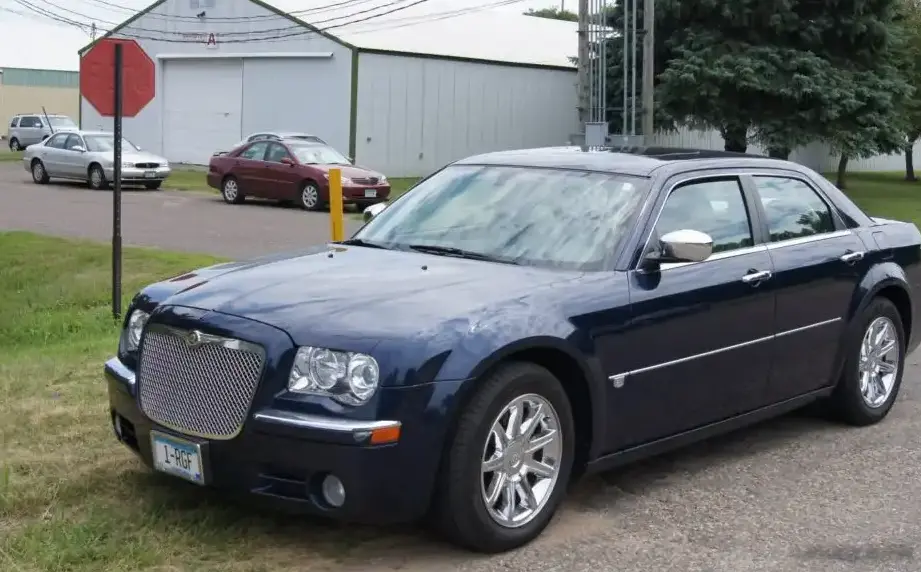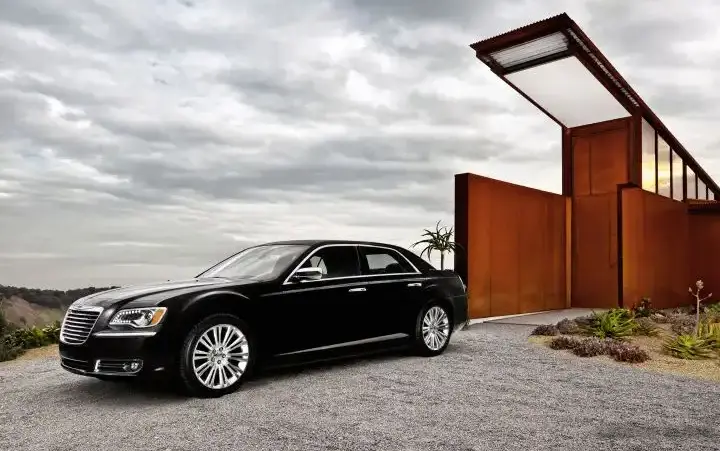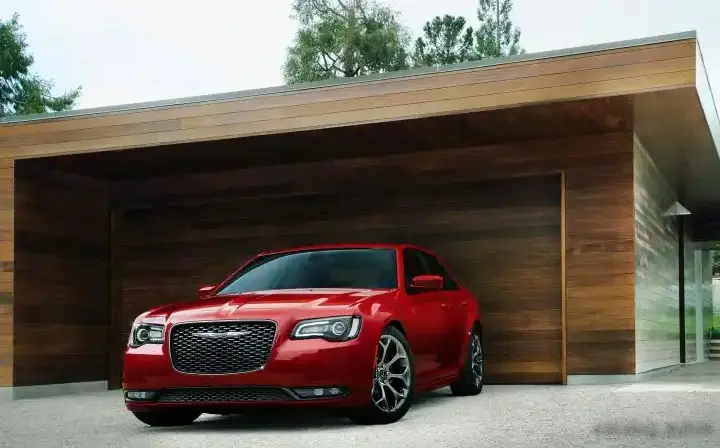
The Chrysler 300 II (facelifted in 2015) S 3.6 AWD Automatic represents a significant iteration of Chrysler’s full-size sedan, produced from 2015 through 2023. This variant occupied a mid-to-upper position within the 300 lineup, offering a blend of performance, luxury, and all-weather capability. Built on the LX platform, the 300 aimed to recapture the spirit of Chrysler’s original 300 letter series cars, providing a distinctly American take on the large sedan segment. The 2015 facelift brought updated styling, improved technology, and refinements to the powertrain, solidifying the 300’s position as a competitor to domestic rivals like the Ford Crown Victoria and Chevrolet Impala, as well as import options like the Toyota Avalon.
Technical Specifications
| Brand | Chrysler |
| Model | 300 |
| Generation | 300 II (facelift 2015) |
| Type (Engine) | S 3.6 (305 Hp) AWD Automatic |
| Start of production | 2015 |
| End of production | 2023 |
| Powertrain Architecture | Internal Combustion engine |
| Body type | Sedan |
| Seats | 5 |
| Doors | 4 |
| Fuel consumption (urban) | 13.1 l/100 km (18 US mpg, 21.6 UK mpg, 7.6 km/l) |
| Fuel consumption (extra urban) | 8.7 l/100 km (27 US mpg, 32.5 UK mpg, 11.5 km/l) |
| Fuel consumption (combined) | 11.2 l/100 km (21 US mpg, 25.2 UK mpg, 8.9 km/l) |
| Fuel Type | Petrol (Gasoline) |
| Weight-to-power ratio | 6.3 kg/Hp, 158.8 Hp/tonne |
| Weight-to-torque ratio | 5.4 kg/Nm, 186.4 Nm/tonne |
| Power | 305 Hp @ 6350 rpm |
| Power per litre | 84.6 Hp/l |
| Torque | 358 Nm @ 4800 rpm (264.05 lb.-ft. @ 4800 rpm) |
| Maximum engine speed | 6400 rpm |
| Engine layout | Front, Longitudinal |
| Engine Model/Code | ERB |
| Engine displacement | 3604 cm3 (219.93 cu. in.) |
| Number of cylinders | 6 |
| Engine configuration | V-engine |
| Cylinder Bore | 96 mm (3.78 in.) |
| Piston Stroke | 83 mm (3.27 in.) |
| Compression ratio | 10.2:1 |
| Number of valves per cylinder | 4 |
| Fuel injection system | Multi-port manifold injection |
| Engine aspiration | Naturally aspirated engine |
| Engine oil capacity | 5.6 l (5.92 US qt | 4.93 UK qt) |
| Coolant | 9.5 l (10.04 US qt | 8.36 UK qt) |
| Kerb Weight | 1921 kg (4235.08 lbs.) |
| Trunk (boot) space (minimum) | 462 l (16.32 cu. ft.) |
| Fuel tank capacity | 70 l (18.49 US gal | 15.4 UK gal) |
| Length | 5044 mm (198.58 in.) |
| Width | 1902 mm (74.88 in.) |
| Height | 1503 mm (59.17 in.) |
| Wheelbase | 3052 mm (120.16 in.) |
| Front track | 1611 mm (63.43 in.) |
| Rear (Back) track | 1620 mm (63.78 in.) |
| Ride height (ground clearance) | 122 mm (4.8 in.) |
| Drag coefficient (Cd) | 0.32 |
| Drive wheel | All wheel drive (4×4) |
| Number of gears and type of gearbox | 8 gears, automatic transmission |
| Front suspension | Independent, type McPherson with coil spring and anti-roll bar |
| Rear suspension | Independent multi-link suspension |
| Front brakes | Ventilated discs |
| Rear brakes | Ventilated discs |
| Assisting systems | ABS (Anti-lock braking system) |
| Steering type | Steering rack and pinion |
| Power steering | Electric Steering |
| Tires size | 235/55 R19 |
| Wheel rims size | 7.5J x 19 |
Powertrain & Engine Architecture
The heart of the 300 S 3.6 AWD is the Chrysler Pentastar 3.6-liter V6 engine, designated as the ERB code. This engine is a 60-degree V6, featuring a lightweight aluminum block and cylinder heads. It utilizes a multi-point fuel injection system and a variable valve timing (VVT) system to optimize performance and fuel efficiency. The engine produces 305 horsepower at 6,350 rpm and 264 lb-ft of torque at 4,800 rpm. The engine’s design prioritizes smooth operation and readily available torque, making it well-suited for the 300’s substantial weight. Paired with the engine is an eight-speed automatic transmission (845RE), providing a wide range of gear ratios for both acceleration and highway cruising. The all-wheel-drive system is a full-time system, utilizing a clutch pack to distribute torque between the front and rear axles as needed, enhancing traction in various conditions.
Driving Characteristics
The 300 S 3.6 AWD delivers a comfortable and composed driving experience. While not a sports sedan, the 305 horsepower provides adequate acceleration for everyday driving and highway passing. The eight-speed automatic transmission shifts smoothly and efficiently, contributing to a relaxed driving feel. The all-wheel-drive system provides enhanced stability and grip, particularly in inclement weather. Compared to the rear-wheel-drive versions of the 300, the AWD model offers increased confidence in slippery conditions. Compared to the available 5.7L HEMI V8, the 3.6L offers significantly better fuel economy, but lacks the V8’s raw power and distinctive exhaust note. The 3.6L also provides a more refined driving experience than the diesel options available in other markets, avoiding the characteristic diesel clatter.
Equipment & Trim Levels
The “S” trim level of the 300 II (2015 facelift) typically included a sport-tuned suspension, unique exterior styling cues (such as a blacked-out grille and wheels), and premium interior appointments. Standard features generally included leather upholstery, heated front seats, a touchscreen infotainment system with Bluetooth connectivity, and a premium sound system. Optional extras could include a panoramic sunroof, navigation system, adaptive cruise control, and advanced safety features like blind-spot monitoring and rear cross-traffic alert. The interior typically featured a dual-tone color scheme with sporty accents, differentiating it from the more luxurious trims.
Chassis & Braking
The Chrysler 300 II utilizes an independent front suspension with McPherson struts and a multi-link independent rear suspension. This setup provides a good balance of ride comfort and handling. The S trim often featured a slightly stiffer suspension tuning for improved cornering stability. Braking duties are handled by ventilated disc brakes on all four wheels, providing ample stopping power. The anti-lock braking system (ABS) is standard, along with electronic stability control (ESC) and traction control. The 300’s substantial weight necessitates a robust braking system to ensure confident deceleration.
Market Reception & Comparison
The 2015 facelifted Chrysler 300 was generally well-received by critics, who praised its improved styling, comfortable ride, and spacious interior. The 3.6L V6 engine was considered adequate for most drivers, although some reviewers noted that it could feel strained when pushed hard. Fuel economy was considered average for the segment. Compared to the V8-powered 300, the 3.6L AWD model offered a more affordable entry point and better fuel efficiency, making it appealing to a wider range of buyers. Reliability reports were mixed, with some owners reporting issues with the infotainment system and electrical components. However, the powertrain itself was generally considered reliable.
Legacy
The Chrysler 300 II (2015-2023) represents a final chapter in Chrysler’s large sedan heritage. While production ended in 2023, the 3.6L Pentastar V6 and 8-speed automatic transmission have proven to be durable and relatively easy to maintain. On the used car market, the 300 S 3.6 AWD offers a compelling value proposition, providing a spacious, well-equipped, and capable sedan at an affordable price. Its all-wheel-drive system and comfortable ride make it a practical choice for drivers in regions with harsh winters or challenging road conditions. The 300’s distinctive styling and American character continue to appeal to a loyal following.