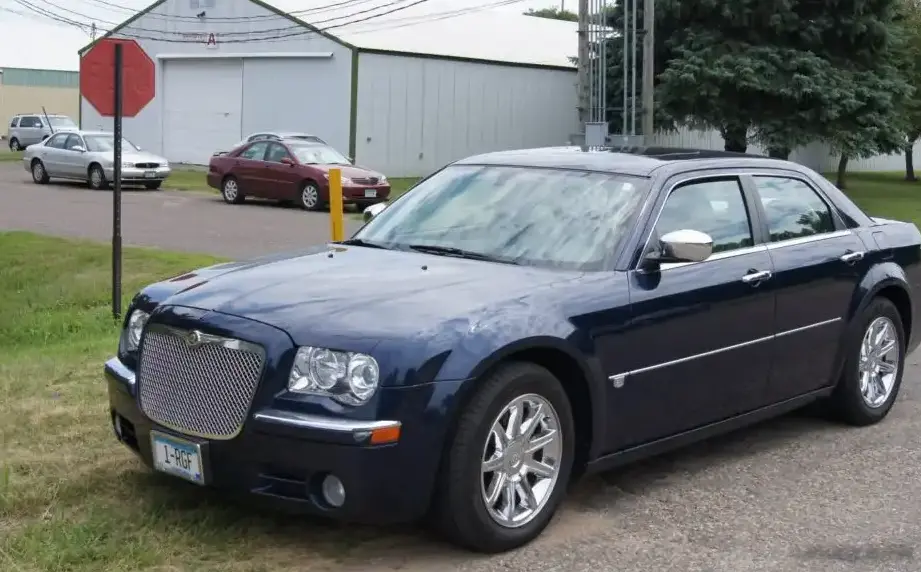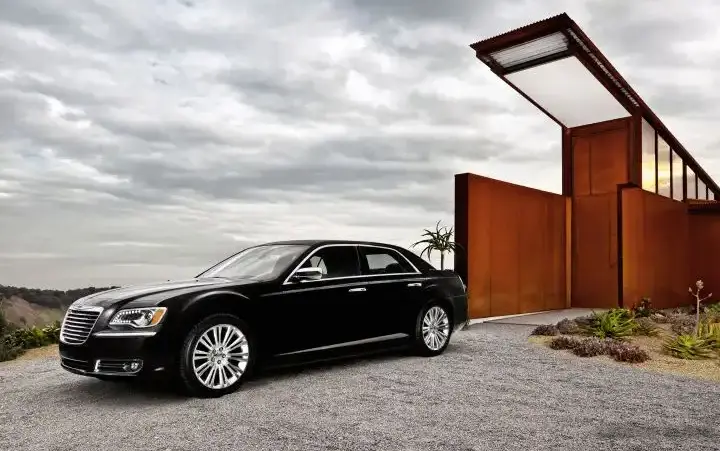
The Chrysler 300 Touring 3.5L V6, produced from 2004 to 2010, represented a significant departure for the Chrysler brand, aiming to recapture a sense of American luxury and performance. This variant, a station wagon (estate) body style, was primarily marketed in Europe and other international markets where demand for such vehicles remained strong. It occupied a mid-range position within the 300 lineup, offering a balance between the base model’s affordability and the higher-performance options like the 5.7L HEMI V8. The 300 Touring 3.5L was built on the LX platform, shared with other Chrysler and Dodge models, and sought to provide a comfortable and spacious driving experience with a focus on practicality.
Technical Specifications
| Brand | Chrysler |
| Model | 300 |
| Generation | 300 Touring |
| Type (Engine) | 3.5L i V6 24V (249 Hp) |
| Start of production | 2004 |
| End of production | 2010 |
| Powertrain Architecture | Internal Combustion engine |
| Body type | Station wagon (estate) |
| Seats | 5 |
| Doors | 5 |
| Fuel consumption (urban) | 16.3 l/100 km (14.4 US mpg, 17.3 UK mpg, 6.1 km/l) |
| Fuel consumption (extra urban) | 8.4 l/100 km (28 US mpg, 33.6 UK mpg, 11.9 km/l) |
| Fuel consumption (combined) | 11.3 l/100 km (20.8 US mpg, 25 UK mpg, 8.8 km/l) |
| Fuel Type | Petrol (Gasoline) |
| Acceleration 0 – 100 km/h | 9.2 sec |
| Acceleration 0 – 62 mph | 9.2 sec |
| Acceleration 0 – 60 mph | 8.7 sec |
| Maximum speed | 219 km/h (136.08 mph) |
| Weight-to-power ratio | 7 kg/Hp, 142.6 Hp/tonne |
| Weight-to-torque ratio | 7 kg/Nm, 143.2 Nm/tonne |
| Power | 249 Hp @ 6400 rpm |
| Power per litre | 70.8 Hp/l |
| Torque | 250 Nm @ 3800 rpm (184.39 lb.-ft. @ 3800 rpm) |
| Engine layout | Front, Longitudinal |
| Engine Model/Code | EGG |
| Engine displacement | 3518 cm3 (214.68 cu. in.) |
| Number of cylinders | 6 |
| Engine configuration | V-engine |
| Cylinder Bore | 96 mm (3.78 in.) |
| Piston Stroke | 81 mm (3.19 in.) |
| Compression ratio | 10:1 |
| Number of valves per cylinder | 4 |
| Fuel injection system | Multi-port manifold injection |
| Engine aspiration | Naturally aspirated engine |
| Engine oil capacity | 5.7 l (6.02 US qt | 5.02 UK qt) |
| Coolant capacity | 10.5 l (11.1 US qt | 9.24 UK qt) |
| Kerb Weight | 1746 kg (3849.27 lbs.) |
| Trunk (boot) space – minimum | 603 l (21.29 cu. ft.) |
| Trunk (boot) space – maximum | 1602 l (56.57 cu. ft.) |
| Fuel tank capacity | 68 l (17.96 US gal | 14.96 UK gal) |
| Length | 4999 mm (196.81 in.) |
| Width | 1881 mm (74.06 in.) |
| Height | 1481 mm (58.31 in.) |
| Wheelbase | 3048 mm (120 in.) |
| Front track | 1600 mm (62.99 in.) |
| Rear track | 1603 mm (63.11 in.) |
| Drivetrain Architecture | Rear wheel drive |
| Number of gears | 4 |
| Gearbox type | Automatic transmission |
| Front suspension | Spring Strut |
| Rear suspension | Transverse stabilizer |
| Front brakes | Ventilated discs |
| Rear brakes | Disc |
| Assisting systems | ABS (Anti-lock braking system) |
| Steering type | Steering rack and pinion |
| Tires size | 225/60 R18 |
| Wheel rims size | 7.5J x 18 |
Powertrain & Engine Architecture
The Chrysler 300 Touring 3.5L utilized the EGG engine code, a 3.5-liter V6 engine. This engine featured a 60-degree V-angle and employed a cast iron block with aluminum cylinder heads. The engine benefited from a multi-port fuel injection system, delivering fuel directly to each intake port for optimized combustion. The valvetrain consisted of two overhead camshafts (DOHC) operating four valves per cylinder, enhancing volumetric efficiency. The four-speed automatic transmission, a Chrysler 42RE unit, was chosen for its smooth operation and suitability for everyday driving. While not as sporty as a manual transmission, it provided a comfortable and convenient driving experience, particularly in urban environments. The transmission was calibrated for fuel efficiency and relaxed cruising, prioritizing comfort over aggressive acceleration.
Driving Characteristics
The 3.5L V6, producing 249 horsepower and 250 lb-ft of torque, provided adequate performance for the 300 Touring. Acceleration from 0-60 mph took approximately 8.7 seconds, which was respectable for a large station wagon. However, it was noticeably slower than the HEMI-equipped models. The automatic transmission’s gear ratios were optimized for fuel economy and smooth transitions, but this sometimes resulted in a slight delay in response during quick acceleration. The rear-wheel-drive configuration contributed to a balanced feel, although it lacked the all-weather capability of all-wheel-drive systems found on some competitors. Overall, the driving experience was geared towards comfort and practicality rather than outright performance.
Equipment & Trim Levels
The 300 Touring 3.5L typically came standard with features such as air conditioning, power windows and locks, a CD player with an auxiliary input, and cloth upholstery. Higher trim levels offered options like leather seats, a premium sound system, a sunroof, and automatic climate control. Safety features included ABS brakes, front airbags, and side airbags. The interior design was generally functional and comfortable, with a focus on providing ample space for passengers and cargo. The station wagon body style offered a significant advantage in terms of cargo capacity, making it a practical choice for families and those needing to transport large items.
Chassis & Braking
The 300 Touring featured a traditional body-on-frame construction, providing a robust and durable chassis. The front suspension utilized a spring strut design, while the rear suspension employed a multi-link setup with a transverse stabilizer bar. This configuration aimed to balance ride comfort with handling stability. The braking system consisted of ventilated discs at the front and solid discs at the rear, providing adequate stopping power for the vehicle’s weight. ABS was standard, enhancing braking performance in emergency situations.
Market Reception & Comparison
The Chrysler 300 Touring 3.5L received mixed reviews. Critics praised its spacious interior, comfortable ride, and available features, but some found the engine performance to be underwhelming compared to the V8 options. Fuel economy was also a concern, with the 3.5L V6 averaging around 20.8 US mpg in combined driving. Compared to the HEMI-equipped models, the 3.5L offered a more affordable entry point into the 300 lineup, but at the expense of performance. It also competed with other large station wagons from European manufacturers, which often offered better fuel economy and handling.
Legacy
The Chrysler 300 Touring 3.5L, while not the most popular variant of the 300, remains a relatively reliable vehicle in the used car market. The 3.5L V6 engine is generally considered to be durable and long-lasting, although regular maintenance is essential. Common issues include oil leaks and sensor failures. The automatic transmission is also generally reliable, but it may require servicing at higher mileage. Today, the 300 Touring 3.5L represents a unique offering from Chrysler, combining American styling with the practicality of a station wagon. Its affordability and spaciousness make it an attractive option for those seeking a comfortable and reliable family vehicle.