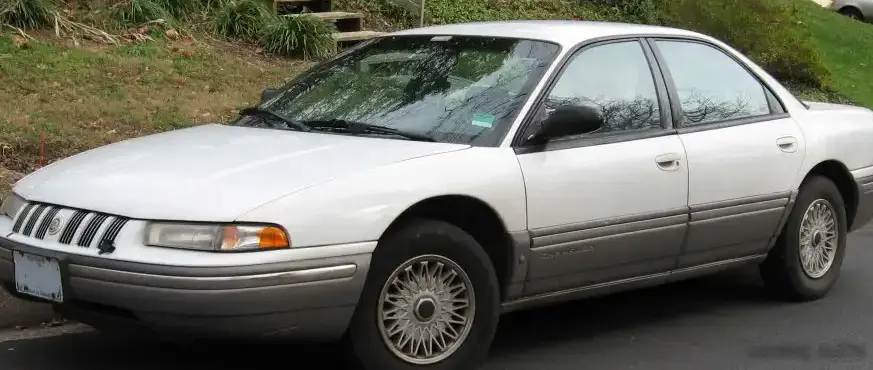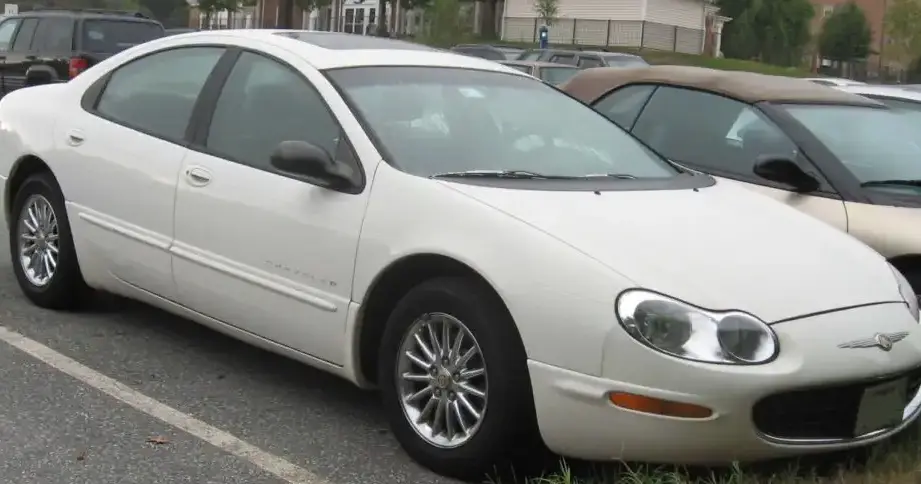
The Chrysler Concorde II 3.5i V6 24V, produced from 2002 to 2004, represented the final iteration of the LH-platform Concorde. Positioned as a near-premium offering within the Chrysler lineup, it aimed to provide spacious comfort and respectable performance. This variant, equipped with the 3.5-liter V6 engine and a four-speed automatic transmission, served as a step up from the base 2.7-liter engine option, targeting buyers who desired more power and refinement. The Concorde II, along with its siblings the Dodge Intrepid and Chrysler 300M, were Chrysler’s large, front-wheel-drive sedans, competing with domestic offerings like the Ford Taurus and Buick LeSabre.
Technical Specifications
| Brand | Chrysler |
| Model | Concorde |
| Generation | Concorde II |
| Type (Engine) | 3.5 i V6 24V (258 Hp) |
| Start of production | 2002 |
| End of production | 2004 |
| Powertrain Architecture | Internal Combustion engine |
| Body type | Sedan |
| Seats | 5 |
| Doors | 4 |
| Fuel consumption (urban) | 12.4 l/100 km (19 US mpg) |
| Fuel consumption (extra urban) | 9.1 l/100 km (25.8 US mpg) |
| Fuel Type | Petrol (Gasoline) |
| Maximum speed | 225 km/h (139.81 mph) |
| Weight-to-power ratio | 6.6 kg/Hp, 152.7 Hp/tonne |
| Weight-to-torque ratio | 4.9 kg/Nm, 205.9 Nm/tonne |
| Power | 258 Hp @ 6500 rpm |
| Power per litre | 73.3 Hp/l |
| Torque | 348 Nm @ 3900 rpm (256.67 lb.-ft. @ 3900 rpm) |
| Engine layout | Front, Longitudinal |
| Engine displacement | 3518 cm3 (214.68 cu. in.) |
| Number of cylinders | 6 |
| Engine configuration | V-engine |
| Cylinder Bore | 96 mm (3.78 in.) |
| Piston Stroke | 81 mm (3.19 in.) |
| Compression ratio | 10:1 |
| Number of valves per cylinder | 4 |
| Fuel injection system | Multi-port manifold injection |
| Engine aspiration | Naturally aspirated engine |
| Engine oil capacity | 4.7 l (4.97 US qt | 4.14 UK qt) |
| Coolant | 8.9 l (9.4 US qt | 7.83 UK qt) |
| Kerb Weight | 1690 kg (3725.81 lbs.) |
| Trunk (boot) space – minimum | 476 l (16.81 cu. ft.) |
| Trunk (boot) space – maximum | 530 l (18.72 cu. ft.) |
| Fuel tank capacity | 65 l (17.17 US gal | 14.3 UK gal) |
| Length | 5310 mm (209.06 in.) |
| Width | 1890 mm (74.41 in.) |
| Height | 1435 mm (56.5 in.) |
| Wheelbase | 2870 mm (112.99 in.) |
| Front track | 1572 mm (61.89 in.) |
| Rear (Back) track | 1562 mm (61.5 in.) |
| Drivetrain Architecture | Front wheel drive |
| Number of gears and type of gearbox | 4 gears, automatic transmission |
| Front suspension | Coil spring |
| Rear suspension | Coil spring |
| Front brakes | Ventilated discs |
| Rear brakes | Disc |
| Assisting systems | ABS (Anti-lock braking system) |
| Steering type | Steering rack and pinion |
| Tires size | 225/55 R17 |
Powertrain & Engine Architecture
The heart of the Concorde II 3.5i was the 3.5-liter EGM (Enhanced Modular) V6 engine. This engine, internally designated as the MDX, was a 60-degree V-engine featuring a cast iron block and aluminum cylinder heads. It utilized a multi-port fuel injection system and a dual overhead camshaft (DOHC) valvetrain with four valves per cylinder. The 24-valve configuration contributed to its relatively high output for its displacement. The engine produced 258 horsepower at 6,500 rpm and 348 Nm (256.67 lb-ft) of torque at 3,900 rpm. The engine’s design prioritized smoothness and refinement over outright performance. Paired with the engine was a 42RE four-speed automatic transmission, a common Chrysler unit known for its durability, though not its responsiveness. This transmission was electronically controlled and featured a torque converter for smooth shifts.
Driving Characteristics
The 3.5-liter V6 and four-speed automatic combination in the Concorde II delivered adequate, but not exhilarating, performance. Acceleration to 60 mph was typically in the 7.5-8.5 second range. The automatic transmission, while providing smooth shifts, lacked the quick responsiveness of more modern transmissions or the engagement of a manual gearbox. Gear ratios were tuned for comfortable cruising rather than aggressive acceleration. Compared to the 2.7-liter V6 version, the 3.5i offered a noticeable improvement in power and torque, making highway merging and passing maneuvers considerably easier. However, it didn’t match the performance of the higher-output engines found in some of its competitors. The front-wheel-drive layout contributed to a tendency for torque steer under hard acceleration.
Equipment & Trim Levels
The Concorde II 3.5i typically came well-equipped, reflecting its position as a more premium trim level. Standard features generally included air conditioning, power windows and locks, a CD player, cruise control, and an adjustable steering wheel. Upholstery was typically cloth, though leather was available as an option. Higher trim levels could add features like heated front seats, a premium sound system, and automatic climate control. Optional extras included a sunroof, upgraded wheels, and a navigation system. The interior design was characterized by a spacious cabin and comfortable seating, prioritizing passenger comfort over sporty aesthetics.
Chassis & Braking
The Concorde II utilized a front-wheel-drive chassis with independent coil spring suspension at all four corners. The front suspension featured MacPherson struts, while the rear employed a multi-link design. This setup aimed to provide a comfortable ride and predictable handling. Braking duties were handled by ventilated discs at the front and solid discs at the rear. Anti-lock brakes (ABS) were standard. Steering was rack-and-pinion, providing reasonably precise control. The suspension was tuned for comfort, resulting in a softer ride quality, but also some body roll during cornering. Stabilizer bars were present at both the front and rear to help mitigate body roll.
Market Reception & Comparison
The Concorde II 3.5i received generally positive reviews for its spacious interior, comfortable ride, and refined engine. Critics praised the V6 engine’s smoothness and adequate power. However, the four-speed automatic transmission was often criticized for its lack of responsiveness and limited gear selection. Fuel economy was considered average for its class. Compared to the base 2.7-liter Concorde, the 3.5i offered a significant performance upgrade, justifying the higher price. However, it faced stiff competition from other large sedans, such as the Ford Taurus and Buick LeSabre, which offered comparable features and performance at similar price points. Reliability was generally good, though some owners reported issues with the automatic transmission over the long term.
Legacy
The Chrysler Concorde II, and the 3.5i variant specifically, represents a final chapter in Chrysler’s large, front-wheel-drive sedan lineage. While not a groundbreaking vehicle, it provided a comfortable and reliable transportation option for many buyers. The 3.5-liter EGM V6 engine proved to be a durable and relatively trouble-free powerplant. Today, the Concorde II 3.5i can be found on the used car market at affordable prices. Its relatively simple mechanical design and readily available parts make it a potentially attractive option for budget-minded buyers seeking a spacious and comfortable sedan. However, potential buyers should be aware of the possibility of age-related issues, such as worn suspension components and potential transmission problems. The Concorde II remains a reminder of a time when American automakers focused on providing large, comfortable, and relatively affordable family transportation.