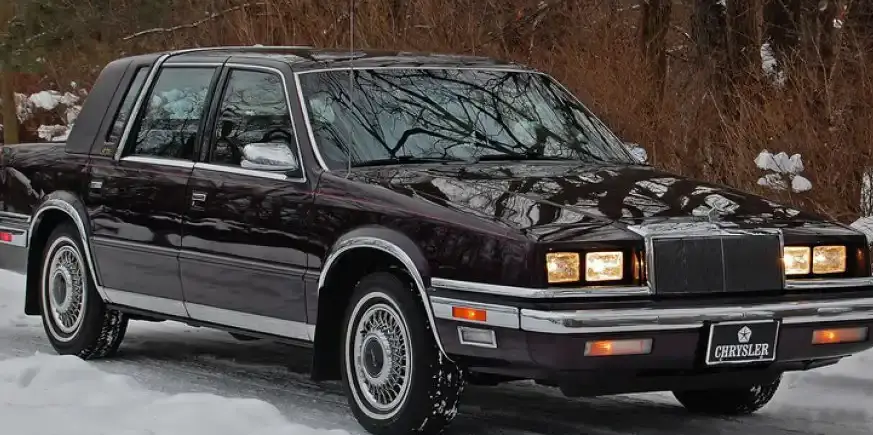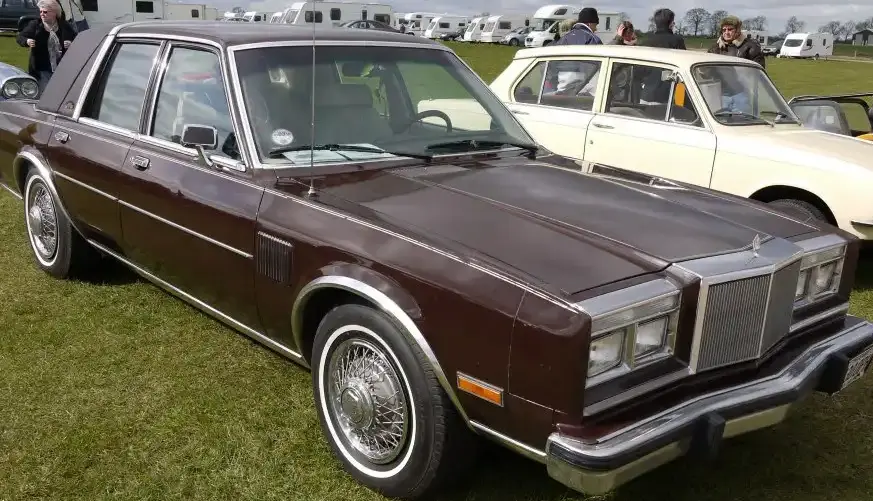
The Chrysler Fifth Avenue, specifically the variant equipped with the 5.2-liter V8 engine producing 175 horsepower and paired with a 3-speed automatic transmission, represented a significant offering in the American luxury sedan market from 1982 to 1989. This model, part of the first generation Fifth Avenue (though heavily based on the M-Body platform shared with other Chrysler, Dodge, and Plymouth vehicles), aimed to provide traditional American comfort and style at a relatively accessible price point. It served as a bridge between the larger, more expensive Chrysler New Yorker and the more compact LeBaron, offering a spacious and well-appointed interior focused on a smooth, quiet ride.
Technical Specifications
| Brand | Chrysler |
| Model | Fifth Avenue |
| Generation | Fifth Avenue I |
| Engine Type | 5.2 V8 (175 Hp) |
| Start of Production | 1982 |
| End of Production | 1989 |
| Powertrain Architecture | Internal Combustion Engine |
| Body Type | Sedan |
| Seats | 4 |
| Doors | 4 |
| Fuel Type | Petrol (Gasoline) |
| Power | 175 Hp |
| Engine Model/Code | ELA |
| Engine Aspiration | Naturally Aspirated |
| Engine Oil Capacity | 4.5 l (4.76 US qt | 3.96 UK qt) |
| Coolant Capacity | 14.5 l (15.32 US qt | 12.76 UK qt) |
| Length | 5250 mm (206.69 in) |
| Width | 1839 mm (72.4 in) |
| Height | 1400 mm (55.12 in) |
| Wheelbase | 2863 mm (112.72 in) |
| Drivetrain | Rear Wheel Drive |
| Number of Gears | 3 |
| Gearbox Type | Automatic Transmission |
Powertrain & Engine Architecture
The heart of this Fifth Avenue variant was Chrysler’s 318 cubic inch (5.2-liter) ELA V8 engine. This engine, a member of the LA engine family, was known for its durability and relatively simple design. It featured a cast iron block and cylinder heads, a two-barrel carburetor, and a hydraulic lifter camshaft. While not a high-performance engine, it delivered ample torque for comfortable cruising and acceleration. The 175 horsepower output was a compromise between power and fuel economy, reflecting the changing automotive landscape of the early 1980s. The engine’s design prioritized low-end torque, making it well-suited to the car’s intended purpose as a comfortable, relaxed cruiser. The 3-speed Torqueflite A727 automatic transmission was a mainstay of Chrysler vehicles for decades. It was a robust and reliable unit, known for its smooth shifts and durability. However, it lacked the efficiency of more modern automatic transmissions, contributing to the car’s relatively modest fuel economy.
Driving Characteristics
The 175 hp, 3-speed automatic combination in the Fifth Avenue resulted in a driving experience focused on comfort rather than performance. Acceleration was adequate for merging onto highways and passing slower traffic, but it wasn’t particularly brisk. The automatic transmission’s gear ratios were optimized for cruising, providing smooth and relaxed operation at highway speeds. Compared to the more powerful engines offered in other Chrysler models, such as the 360 cubic inch V8, this Fifth Avenue felt noticeably slower. However, the trade-off was a smoother, quieter ride and improved fuel economy (though still not exceptional by modern standards). The rear-wheel-drive configuration provided a balanced feel, and the suspension was tuned for a soft, comfortable ride, absorbing bumps and imperfections in the road effectively. The steering was power-assisted, making it easy to maneuver, but lacked the precision of more sporty vehicles.
Equipment & Trim Levels
The Fifth Avenue, even in its base configuration with the 5.2L V8, was reasonably well-equipped for its time. Standard features typically included cloth upholstery, air conditioning, power steering, power brakes, a tilt steering wheel, and an AM/FM radio. The Fifth Avenue was positioned as a step up from the Dodge Diplomat and Plymouth Gran Fury, offering a more luxurious interior and a more refined driving experience. Optional extras included leather upholstery, a premium sound system, cruise control, and power windows and locks. The interior design was characterized by its spaciousness and comfortable seating. The dashboard featured a traditional layout with clearly marked gauges and easy-to-use controls. The exterior styling was conservative and elegant, with a formal roofline and chrome accents.
Chassis & Braking
The Fifth Avenue utilized a body-on-frame construction, a traditional design that contributed to its solid feel and durability. The suspension consisted of independent front suspension with torsion bars and a solid rear axle with leaf springs. This setup provided a comfortable ride, but it wasn’t particularly sporty. Braking was accomplished via power-assisted front disc brakes and rear drum brakes. While adequate for normal driving conditions, the braking system wasn’t as powerful or sophisticated as those found on more modern vehicles. Stabilizer bars were included to reduce body roll during cornering, but the car’s overall handling was geared towards comfort rather than agility.
Market Reception & Comparison
The Chrysler Fifth Avenue, particularly the 5.2L V8 automatic variant, was generally well-received by critics and consumers alike. It was praised for its comfortable ride, spacious interior, and traditional American styling. However, it was also criticized for its relatively modest performance and fuel economy. Compared to other luxury sedans of the time, such as the Buick Park Avenue and the Lincoln Continental, the Fifth Avenue offered a more affordable alternative. Within the Chrysler lineup, the Fifth Avenue occupied a middle ground, offering more luxury and refinement than the Dodge Diplomat and Plymouth Gran Fury, but less than the Chrysler New Yorker. The 5.2L V8 automatic combination was a popular choice, appealing to buyers who prioritized comfort and reliability over outright performance.
Legacy
The Chrysler Fifth Avenue, and specifically the 5.2L V8 automatic version, has become a popular classic car among enthusiasts. The LA engine family is renowned for its durability and ease of maintenance, making these cars relatively affordable to keep on the road. While not particularly collectible in its base trim, well-maintained examples with desirable options, such as leather upholstery and a premium sound system, are gaining value. The car represents a bygone era of American automotive design, characterized by its spaciousness, comfort, and traditional styling. Today, the Fifth Avenue is often seen as a symbol of American automotive history, and it continues to be enjoyed by enthusiasts who appreciate its classic charm and reliable powertrain.