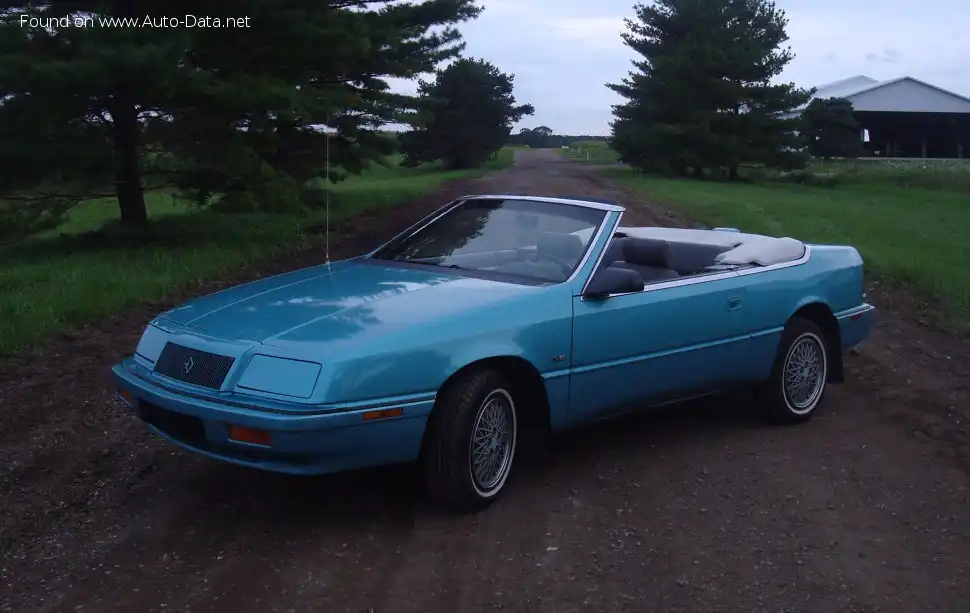
The Chrysler LeBaron 2.2i, produced from 1986 to 1994, represented the entry-level offering within the LeBaron lineup during its second generation (1987-1995). Positioned as an affordable, comfortable sedan, the 2.2i utilized a transversely-mounted, four-cylinder engine paired with a three-speed automatic transmission. This variant aimed to provide a balance of fuel efficiency and practicality for the American market, competing with similar sedans from Ford, Chevrolet, and Toyota. While the LeBaron was also available with more powerful V6 engines and convertible body styles, the 2.2i catered to buyers prioritizing economy and a softer ride. It was built on the Chrysler K platform, shared with other models like the Dodge Aries and Plymouth Acclaim.
Technical Specifications
| Brand | Chrysler |
| Model | Le Baron |
| Generation | Le Baron (Second Generation) |
| Type (Engine) | 2.2 i (94 Hp) |
| Start of Production | 1986 |
| End of Production | 1994 |
| Powertrain Architecture | Internal Combustion Engine |
| Body Type | Sedan |
| Fuel Type | Petrol (Gasoline) |
| Power | 94 Hp |
| Engine Aspiration | Naturally Aspirated |
Powertrain & Engine Architecture
The heart of the LeBaron 2.2i was the Chrysler 2.2-liter inline-four engine, internally designated as the P-code engine. This engine was a relatively simple design, featuring a cast iron block and an aluminum cylinder head. It employed a single overhead camshaft (SOHC) design with two valves per cylinder. Fuel delivery was managed by a multi-point fuel injection system, a significant upgrade from the carburetors used in earlier Chrysler models. This system contributed to improved fuel efficiency and smoother operation. The engine produced 94 horsepower at 5,200 rpm and 133 lb-ft of torque at 3,600 rpm.
The engine was mated to a Chrysler A727 three-speed automatic transmission. This transmission was a workhorse unit, known for its durability but not its sophistication. It featured a torque converter for smooth launches and automatic shifting. The gear ratios were optimized for fuel economy and comfortable cruising rather than sporty acceleration. The transmission was electronically controlled in later years, improving shift quality and responsiveness. The combination of the 2.2L engine and A727 transmission wasn’t known for blistering performance, but it provided adequate power for everyday driving.
Driving Characteristics
The LeBaron 2.2i offered a comfortable, albeit uninspiring, driving experience. Acceleration was modest, taking approximately 11-12 seconds to reach 60 mph. The three-speed automatic transmission contributed to this leisurely pace, with noticeable delays during downshifts. The engine felt strained when pushed hard, lacking the power reserves of the V6 options. However, for typical commuting and highway cruising, the 2.2i provided sufficient power. The suspension was tuned for comfort, absorbing bumps and road imperfections effectively. Steering was light and easy, making it maneuverable in city traffic. The overall driving experience was geared towards practicality and ease of use, rather than driver engagement.
The automatic transmission’s gear ratios were fairly widely spaced. First gear provided reasonable off-the-line acceleration, but second and third gears were geared for highway cruising. This meant that the engine often operated at relatively high rpm during acceleration, contributing to a noticeable engine drone. Compared to the manual transmission versions (available in other LeBaron trims), the automatic significantly reduced performance. The V6-powered LeBarons offered a much more responsive and enjoyable driving experience.
Equipment & Trim Levels
The LeBaron 2.2i typically came with a fairly basic level of standard equipment. Early models featured cloth upholstery, a simple dashboard layout, and manual windows and locks. Air conditioning was often an optional extra. Later models saw improvements, including upgraded interior materials, power windows and locks, and a more modern dashboard design. A standard AM/FM radio was included, with an optional cassette player or upgraded sound system available.
The 2.2i trim generally served as the base model, with options packages available to add features like cruise control, power mirrors, and a tilt steering wheel. The interior was functional and spacious, offering comfortable seating for five passengers. The exterior styling was relatively conservative, with a focus on practicality rather than sporty aesthetics. The LeBaron 2.2i was often chosen by buyers who prioritized affordability and a comfortable ride over luxury features.
Chassis & Braking
The LeBaron 2.2i utilized a relatively conventional chassis design. It featured a front independent suspension with MacPherson struts and a rear solid axle with leaf springs. This suspension setup prioritized ride comfort over handling precision. The steering was a recirculating ball system, which provided a light and easy steering feel but lacked the responsiveness of more modern rack-and-pinion systems.
Braking was typically accomplished with front disc brakes and rear drum brakes. Power assist was standard. The braking system was adequate for everyday driving, but lacked the stopping power of the V6-powered LeBarons, which often came with four-wheel disc brakes. Stabilizer bars were included to reduce body roll during cornering, but the overall handling characteristics were geared towards comfort and stability rather than sporty performance.
Market Reception & Comparison
The LeBaron 2.2i received mixed reviews from automotive critics. While praised for its affordability and comfortable ride, it was often criticized for its lack of performance and somewhat dated interior. Compared to its V6 siblings, the 2.2i was significantly slower and less refined. However, it offered better fuel economy, achieving around 22 mpg city and 30 mpg highway.
In terms of reliability, the 2.2-liter engine was generally considered to be durable, but prone to oil leaks as it aged. The A727 automatic transmission was also known for its longevity, but could experience issues with the torque converter or valve body. Compared to competitors like the Ford Tempo and Chevrolet Cavalier, the LeBaron 2.2i offered a more spacious interior and a more comfortable ride, but lacked the sporty handling of some rivals.
Legacy
The Chrysler LeBaron 2.2i, while not a performance icon, remains a relatively affordable and accessible classic car. The 2.2-liter engine and A727 transmission are relatively easy to maintain and repair, making it a popular choice for budget-minded enthusiasts. Parts availability is generally good, although some trim-specific components may be difficult to find.
Today, the LeBaron 2.2i is often seen as a practical and reliable transportation option for those seeking a comfortable and affordable sedan. While it may not offer the excitement of its V6 counterparts, it represents a significant piece of Chrysler’s history and a testament to the enduring appeal of American automotive design. The car’s simplicity and durability have contributed to its continued presence on the roads, making it a familiar sight for many.