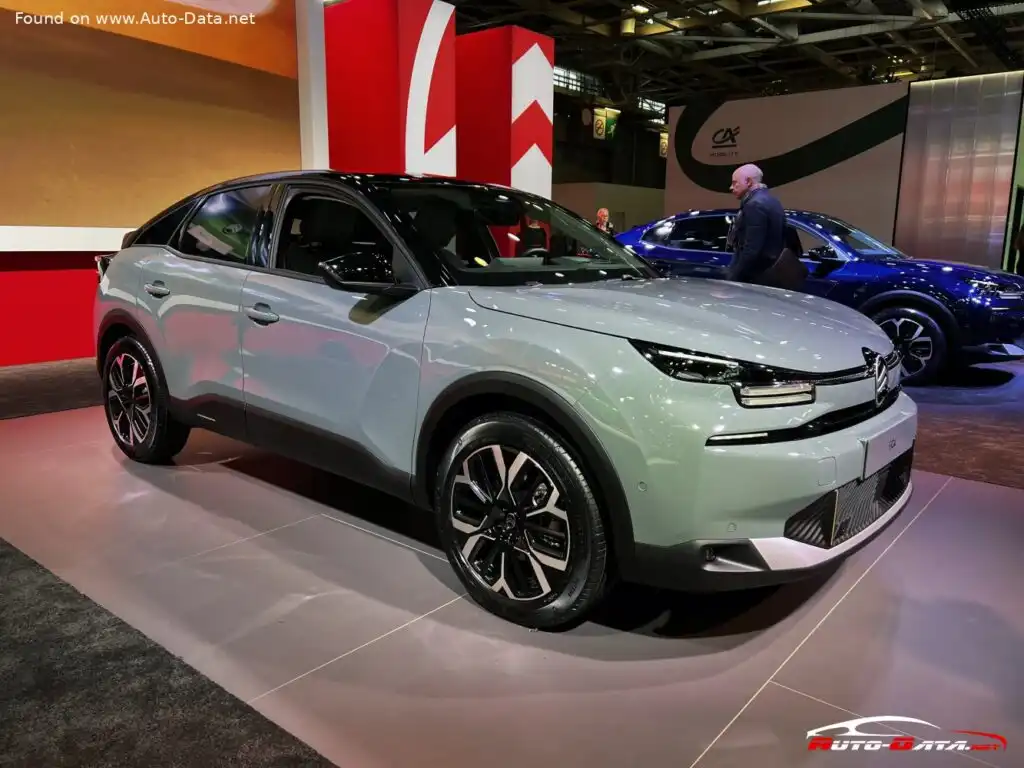
The Citroen C4 III Phase II, specifically the 1.2 PureTech 136 hp Mild Hybrid e-DCS variant, represents a significant update to Citroen’s compact offering. Introduced in October 2024, this model aimed to blend fuel efficiency with a comfortable driving experience, positioning itself as a mainstream choice within the C4 lineup. The Phase II refresh brought styling updates and technological enhancements to the already distinctive C4, which straddles the line between traditional hatchback and small SUV. This particular engine and transmission combination was intended to appeal to buyers seeking a balance between performance and economy, serving as a mid-range option within the broader C4 range.
Technical Specifications
| Brand | Citroen |
| Model | C4 |
| Generation | C4 III (Phase II, 2024) |
| Type (Engine) | 1.2 (136 Hp) Mild Hybrid e-DCS |
| Start of production | October, 2024 |
| End of production | March, 2025 |
| Powertrain Architecture | MHEV (Mild Hybrid Electric Vehicle) |
| Body type | Coupe, SUV |
| Seats | 5 |
| Doors | 5 |
| Fuel consumption at Low speed (WLTP) | 4.3-4.4 l/100 km (54.7 – 53.5 US mpg) |
| Fuel consumption at Medium speed (WLTP) | 4.2-4.3 l/100 km (56 – 54.7 US mpg) |
| Fuel consumption at high speed (WLTP) | 4.3-4.4 l/100 km (54.7 – 53.5 US mpg) |
| Fuel consumption at very high speed (WLTP) | 5.5-5.6 l/100 km (42.8 – 42 US mpg) |
| Combined fuel consumption (WLTP) | 4.7-4.8 l/100 km (50 – 49 US mpg) |
| CO2 emissions (WLTP) | 106-108 g/km |
| Fuel Type | Petrol (Gasoline) |
| Acceleration 0 – 100 km/h | 8 sec |
| Acceleration 0 – 62 mph | 8 sec |
| Acceleration 0 – 60 mph | 7.6 sec |
| Maximum speed | 206 km/h (128 mph) |
| Emission standard | Euro 6e |
| Weight-to-power ratio | 9.8 kg/Hp |
| Weight-to-torque ratio | 5.8 kg/Nm |
| Gross battery capacity | 0.89 kWh |
| Net (usable) battery capacity | 0.432 kWh |
| Battery voltage | 48 V |
| Battery technology | Lithium-ion (Li-Ion) |
| Electric motor power | 28 Hp |
| Electric motor Torque | 55 Nm (40.57 lb.-ft.) |
| Power | 136 Hp @ 5500 rpm |
| Torque | 230 Nm @ 1750 rpm (169.64 lb.-ft. @ 1750 rpm) |
| Engine displacement | 1199 cm3 (73.17 cu. in.) |
| Number of cylinders | 3 |
| Cylinder Bore | 75 mm (2.95 in.) |
| Piston Stroke | 90.5 mm (3.56 in.) |
| Engine oil capacity | 3.5 l (3.7 US qt | 3.08 UK qt) |
| Kerb Weight | 1328-1407 kg (2927.74 – 3101.9 lbs.) |
| Max. weight | 1805-1810 kg (3979.34 – 3990.37 lbs.) |
| Trunk (boot) space – minimum | 380 l (13.42 cu. ft.) |
| Trunk (boot) space – maximum | 1250 l (44.14 cu. ft.) |
| Fuel tank capacity | 50 l (13.21 US gal | 11 UK gal) |
| Number of gears | 6 |
| Type of gearbox | automatic transmission e-DCS |
Powertrain & Engine Architecture
At the heart of this C4 variant lies the Citroen 1.2 PureTech engine, a three-cylinder turbocharged gasoline engine. This engine, designated as the EB2DT, is part of the PureTech family known for its efficiency and responsiveness. The 136 hp output is achieved through a combination of turbocharging, direct fuel injection, and variable valve timing. The engine utilizes a single-scroll turbocharger and is paired with a 48-volt mild hybrid system. This system incorporates a small electric motor and battery, providing a boost during acceleration and enabling start-stop functionality for improved fuel economy. The e-DCS (electric Dual Clutch System) automatic transmission is a six-speed unit specifically designed to work in conjunction with the mild hybrid system, offering smooth gear changes and optimized efficiency. The engine’s architecture emphasizes compactness and lightweight construction, contributing to the C4’s overall handling characteristics.
Driving Characteristics
The 1.2 PureTech 136 hp with the e-DCS automatic delivers a comfortable and refined driving experience. Acceleration from 0-60 mph in approximately 7.6 seconds is respectable for this class of vehicle. The mild hybrid system provides a noticeable boost during initial acceleration, mitigating some of the turbo lag often associated with smaller displacement engines. The e-DCS transmission shifts smoothly and efficiently, although it isn’t geared for outright performance. Compared to the more powerful petrol options or the diesel variants, this version prioritizes fuel economy over outright speed. The gear ratios are tuned for everyday driving, providing adequate power for overtaking and highway cruising. The electric assistance also contributes to a quieter cabin experience, particularly during low-speed maneuvers.
Equipment & Trim Levels
The 1.2 PureTech 136 hp Mild Hybrid e-DCS typically came equipped as a mid-range trim level, offering a good balance of features and affordability. Standard equipment generally included a 10-inch touchscreen infotainment system with Apple CarPlay and Android Auto compatibility, automatic climate control, rear parking sensors, and a suite of safety features such as lane departure warning and automatic emergency braking. Higher trim levels added features like a digital instrument cluster, adaptive cruise control, and premium upholstery. Optional extras included a panoramic sunroof, upgraded audio system, and various styling packages.
Chassis & Braking
The C4 III utilizes a McPherson strut front suspension and a torsion beam rear suspension. This setup provides a comfortable ride quality, absorbing bumps and imperfections in the road effectively. The steering is electrically assisted, offering a light and precise feel. Braking duties are handled by ventilated discs on the front wheels and solid discs on the rear. The ABS (Anti-lock Braking System) is standard, along with electronic brake-force distribution and emergency brake assist. The suspension tuning is geared towards comfort rather than sporty handling, prioritizing a smooth and relaxed driving experience.
Market Reception & Comparison
The Citroen C4 III 1.2 PureTech 136 hp Mild Hybrid e-DCS received generally positive reviews from automotive critics. It was praised for its fuel efficiency, comfortable ride, and well-equipped interior. However, some reviewers noted that the engine could feel strained when fully loaded or during steep climbs. Compared to the diesel variants, the petrol-hybrid offered lower CO2 emissions but slightly higher running costs depending on driving style. Against competitors like the Volkswagen Golf, Peugeot 308, and Ford Focus, the C4 distinguished itself with its unique styling and focus on comfort. The mild hybrid system was seen as a step in the right direction towards electrification, offering a tangible improvement in fuel economy.
Legacy
The 1.2 PureTech engine, while generally reliable, has been subject to some reports of timing chain issues in certain model years. Regular maintenance, including oil changes and adherence to Citroen’s recommended service intervals, is crucial for ensuring the longevity of this powertrain. The e-DCS transmission has also proven to be relatively durable, but proper fluid changes are essential. In the used car market, this variant of the C4 represents a good value proposition for buyers seeking a fuel-efficient and comfortable compact car. Its mild hybrid technology and modern features make it a competitive option in its segment, and its distinctive styling continues to appeal to those looking for something different.