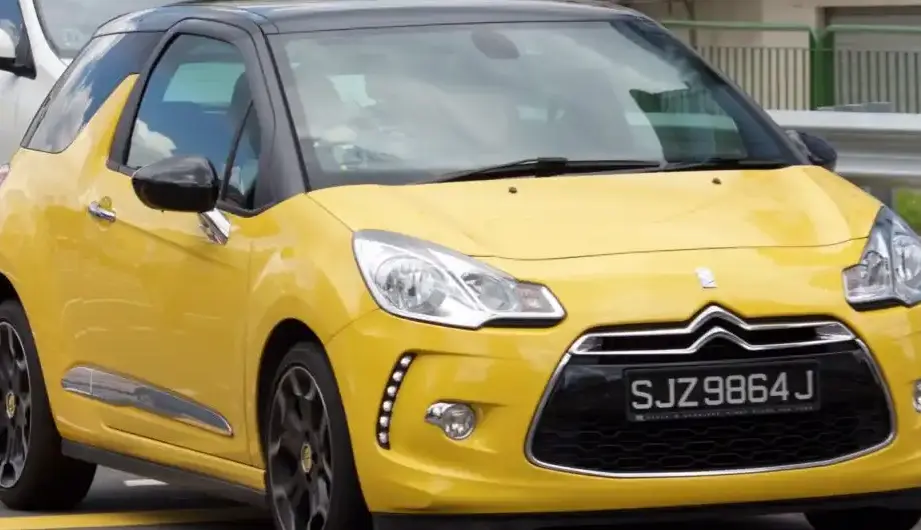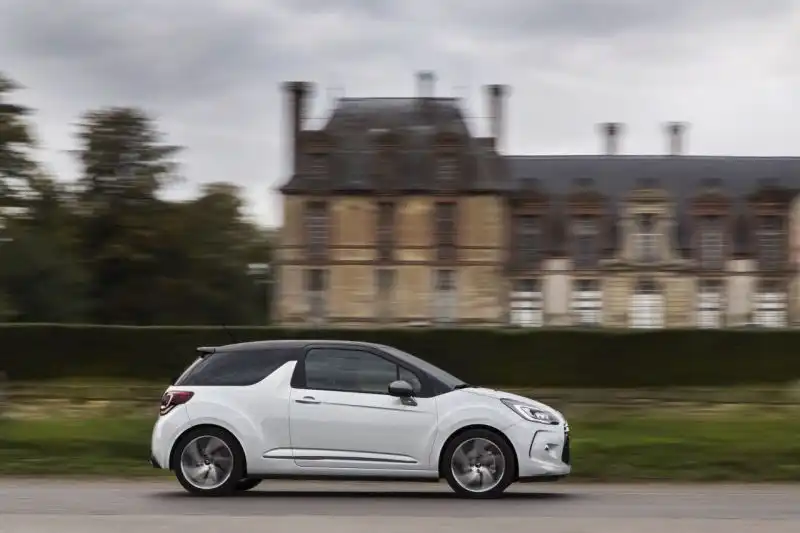
The Citroen DS 3 (Phase II), produced from 2014 to 2016, represented a significant refresh of Citroen’s stylish subcompact hatchback. Within the DS 3 range, the 1.6 THP (165 hp) variant occupied a mid-range position, offering a balance between performance and fuel efficiency. This model was primarily aimed at the European market, where it competed with vehicles like the Mini Cooper and Audi A1, offering a more affordable yet fashionable alternative. The Phase II update brought styling revisions, improved interior materials, and updated technology, solidifying the DS 3’s appeal as a premium small car.
Technical Specifications
| Brand | Citroen |
| Model | DS3 |
| Generation | DS 3 (Phase II, 2014) |
| Type (Engine) | 1.6 THP (165 Hp) |
| Start of production | 2014 |
| End of production | 2016 |
| Powertrain Architecture | Internal Combustion engine |
| Body type | Hatchback |
| Seats | 5 |
| Doors | 3 |
| Fuel consumption (urban) | 7.1 l/100 km (33.1 US mpg, 39.8 UK mpg, 14.1 km/l) |
| Fuel consumption (extra urban) | 4.6 l/100 km (51.1 US mpg, 61.4 UK mpg, 21.7 km/l) |
| Fuel consumption (combined) | 5.6 l/100 km (42 US mpg, 50.4 UK mpg, 17.9 km/l) |
| CO2 emissions | 129 g/km |
| Fuel Type | Petrol (Gasoline) |
| Maximum speed | 190 km/h (118.06 mph) |
| Emission standard | Euro 6 |
| Weight-to-power ratio | 7.4 kg/Hp, 135.8 Hp/tonne |
| Weight-to-torque ratio | 5.1 kg/Nm, 197.5 Nm/tonne |
| Power | 165 Hp @ 6000 rpm |
| Power per litre | 103.3 Hp/l |
| Torque | 240 Nm @ 1400 rpm (177.01 lb.-ft. @ 1400 rpm) |
| Engine layout | Front, Transverse |
| Engine Model/Code | 5GZ EP6FDT |
| Engine displacement | 1598 cm3 (97.52 cu. in.) |
| Engine configuration | Inline |
| Fuel injection system | Direct injection |
| Engine aspiration | Turbocharger, Intercooler |
| Engine oil capacity | 4.25 l (4.49 US qt | 3.74 UK qt) |
| Kerb Weight | 1215 kg (2678.62 lbs.) |
| Max. weight | 1605 kg (3538.42 lbs.) |
| Max load | 390 kg (859.8 lbs.) |
| Trunk (boot) space – minimum | 285 l (10.06 cu. ft.) |
| Fuel tank capacity | 50 l (13.21 US gal | 11 UK gal) |
| Length | 3948 mm (155.43 in.) |
| Width | 1715 mm (67.52 in.) |
| Height | 1458 mm (57.4 in.) |
| Wheelbase | 2464 mm (97.01 in.) |
| Front track | 1465-1468 mm (57.68 – 57.8 in.) |
| Rear (Back) track | 1467-1471 mm (57.76 – 57.91 in.) |
| Drivetrain Architecture | The Internal combustion engine (ICE) drives the front wheels of the vehicle. |
| Drive wheel | Front wheel drive |
| Number of gears and type of gearbox | 6 gears, manual transmission |
| Assisting systems | ABS (Anti-lock braking system) |
| Steering type | Steering rack and pinion |
Powertrain & Engine Architecture
The heart of the DS 3 1.6 THP is the 5GZ EP6FDT engine, a 1.6-liter turbocharged inline-four cylinder gasoline engine developed in cooperation with BMW. This engine is part of the Prince engine family, known for its efficiency and performance. The “THP” designation stands for “Turbo High Pressure,” indicating the use of a twin-scroll turbocharger and direct fuel injection. Direct injection allows for precise fuel delivery, improving combustion efficiency and reducing emissions. The engine utilizes a variable valve timing system on both the intake and exhaust valves, optimizing performance across the rev range. The 165 hp output is achieved at 6000 rpm, while the peak torque of 240 Nm (177 lb-ft) is available from a low 1400 rpm, providing strong acceleration and good in-gear flexibility. The engine is paired with a six-speed manual transmission, delivering power to the front wheels.
Driving Characteristics
The DS 3 1.6 THP offers a noticeably more engaging driving experience compared to the lower-powered versions. The turbocharger provides a strong mid-range punch, making overtaking and merging onto highways effortless. While not a sports car, the DS 3 1.6 THP feels lively and responsive. The six-speed manual transmission is well-matched to the engine, offering precise shifts and allowing the driver to keep the engine in its optimal power band. Compared to the 1.2 PureTech variants, the 1.6 THP provides significantly more power and torque, resulting in quicker acceleration times. However, it doesn’t quite match the performance of the DS 3 Racing model, which boasts a more powerful engine and sport-tuned suspension. The steering is direct and provides decent feedback, contributing to a confident feel behind the wheel.
Equipment & Trim Levels
The 1.6 THP variant of the DS 3 typically came equipped with a generous level of standard features. These included air conditioning, a touchscreen infotainment system with Bluetooth connectivity, alloy wheels, and electric windows and mirrors. Higher trim levels, such as Sport and Prestige, added features like automatic climate control, rear parking sensors, a panoramic sunroof, and leather upholstery. Citroen also offered a range of customization options, allowing buyers to personalize their DS 3 with different roof colors, interior trims, and exterior styling elements. The DS 3 was marketed as a fashionable and customizable vehicle, appealing to buyers who wanted a car that reflected their individual style.
Chassis & Braking
The DS 3 utilizes a front-wheel-drive platform with a MacPherson strut suspension at the front and a torsion beam suspension at the rear. The suspension setup is tuned for a balance between comfort and handling. The steering is an electric power-assisted rack and pinion system. Braking duties are handled by disc brakes on the front wheels and drum brakes on the rear wheels. ABS (Anti-lock Braking System) is standard. The chassis is relatively lightweight, contributing to the car’s agility. The suspension provides a comfortable ride on most road surfaces, while still offering decent body control during cornering.
Market Reception & Comparison
The Citroen DS 3 1.6 THP was generally well-received by automotive critics. It was praised for its stylish design, comfortable interior, and engaging driving experience. The 1.6 THP engine was considered a strong performer, offering a good balance between power and fuel efficiency. However, some critics noted that the interior quality, while improved in the Phase II update, still didn’t quite match that of its German rivals. Fuel economy figures of around 42 mpg combined were competitive for the segment. Compared to the 1.2 PureTech models, the 1.6 THP offered a significant performance upgrade, but at a slightly higher price point. The 1.6 THP was also considered more reliable than some of the earlier DS 3 models, benefiting from improvements made during the Phase II update.
Legacy
The Citroen DS 3 1.6 THP has proven to be a relatively reliable vehicle in the used car market. The 1.6 THP engine, while not without its potential issues (such as occasional oil consumption), is generally robust when properly maintained. Regular oil changes and adherence to the manufacturer’s service schedule are crucial for ensuring long-term reliability. The DS 3’s stylish design and relatively affordable price have made it a popular choice among used car buyers. Today, the DS 3 1.6 THP remains a desirable small car, offering a unique blend of style, performance, and practicality.