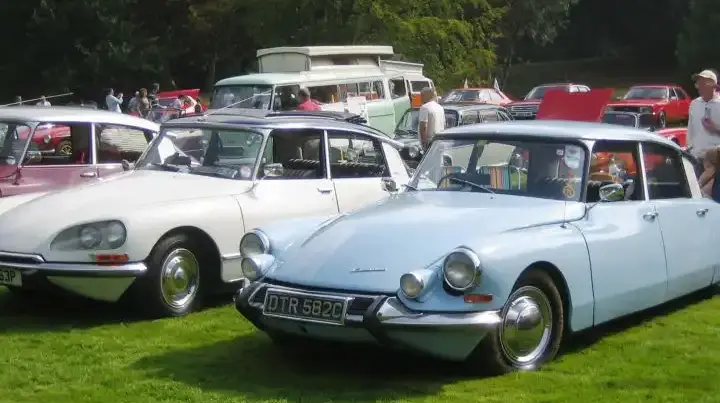
The Citroën DS II 19, produced between 1965 and 1967, represents a refinement of the groundbreaking Citroën DS, a vehicle that revolutionized automotive engineering and design. This variant, designated by the “19” signifying its engine displacement, occupied a middle ground within the DS II range, offering a balance between performance and affordability. It was positioned as a more accessible entry point into the DS experience compared to the more powerful ID 21 and Pallas models. The DS II 19 played a significant role in solidifying the DS’s reputation for innovation and comfort in the European market, particularly in France, where it became a symbol of post-war modernity.
Technical Specifications
| Brand | Citroen |
| Model | DS |
| Generation | DS II |
| Type (Engine) | 19 (83 Hp) |
| Start of production | 1965 |
| End of production | 1967 |
| Powertrain Architecture | Internal Combustion engine |
| Body type | Sedan |
| Seats | 5 |
| Doors | 4 |
| Fuel Type | Petrol (Gasoline) |
| Maximum speed | 160 km/h (99.42 mph) |
| Weight-to-power ratio | 14.3 kg/Hp, 70 Hp/tonne |
| Weight-to-torque ratio | 8.3 kg/Nm, 119.8 Nm/tonne |
| Power | 83 Hp @ 4500 rpm |
| Power per litre | 43.4 Hp/l |
| Torque | 142 Nm @ 3000 rpm (104.73 lb.-ft. @ 3000 rpm) |
| Engine layout | Front, Longitudinal |
| Engine Model/Code | B20700 |
| Engine displacement | 1911 cm3 (116.62 cu. in.) |
| Number of cylinders | 4 |
| Engine configuration | Inline |
| Cylinder Bore | 78 mm (3.07 in.) |
| Piston Stroke | 100 mm (3.94 in.) |
| Compression ratio | 8.5:1 |
| Number of valves per cylinder | 2 |
| Fuel injection system | Carburettor |
| Engine aspiration | Naturally aspirated engine |
| Valvetrain | OHV |
| Engine oil capacity | 4 l (4.23 US qt | 3.52 UK qt) |
| Coolant | 11 l (11.62 US qt | 9.68 UK qt) |
| Kerb Weight | 1185 kg (2612.48 lbs.) |
| Max. weight | 1720 kg (3791.95 lbs.) |
| Max load | 535 kg (1179.47 lbs.) |
| Trunk (boot) space – minimum | 500 l (17.66 cu. ft.) |
| Fuel tank capacity | 65 l (17.17 US gal | 14.3 UK gal) |
| Length | 4830 mm (190.16 in.) |
| Width | 1790 mm (70.47 in.) |
| Height | 1470 mm (57.87 in.) |
| Wheelbase | 3125 mm (123.03 in.) |
| Front track | 1500 mm (59.06 in.) |
| Rear (Back) track | 1300 mm (51.18 in.) |
| Minimum turning circle (turning diameter) | 11 m (36.09 ft.) |
| Drivetrain Architecture | The Internal combustion engine (ICE) drives the front wheels of the vehicle. |
| Drive wheel | Front wheel drive |
| Number of gears and type of gearbox | 4 gears, manual transmission |
| Front suspension | Hydro-pneumatic element |
| Rear suspension | Hydro-pneumatic element |
| Front brakes | Disc |
| Rear brakes | Drum |
| Steering type | Steering rack and pinion |
Powertrain & Engine Architecture
The Citroën DS II 19 was powered by a 1,911 cc (116.62 cu. in.) inline-four cylinder engine, designated the B20700. This engine, while sharing a basic architecture with other Citroën powerplants of the era, was specifically tuned for the DS II 19 to provide a balance of performance and fuel economy. It featured a relatively modest compression ratio of 8.5:1 and utilized a single carburetor for fuel delivery. The overhead valve (OHV) valvetrain, while conventional for the time, was robust and reliable. The engine was mounted longitudinally in the front of the vehicle, driving the front wheels. The four-speed manual transmission was a standard feature, providing drivers with control over the engine’s power delivery. The engine produced 83 horsepower at 4,500 rpm and 142 Nm (104.73 lb-ft) of torque at 3,000 rpm.
Driving Characteristics
The DS II 19, with its 83 horsepower and manual transmission, offered a driving experience that prioritized comfort and refinement over outright speed. Acceleration was adequate for the time, but not particularly brisk. The car felt most at home cruising on the open road, where its advanced suspension system – a hallmark of the DS – provided an exceptionally smooth and comfortable ride. The hydro-pneumatic suspension effectively isolated passengers from road imperfections, creating a sensation of floating along the highway. Compared to the more powerful DS 21 or the diesel-powered ID 19, the DS II 19 felt less urgent in its acceleration and required more frequent gear changes to maintain speed, especially when climbing hills. However, the lighter weight of the 19 compared to its larger-engined siblings contributed to slightly better fuel economy.
Equipment & Trim Levels
The DS II 19 was generally equipped with a respectable level of standard features for a car of its era. The interior typically featured cloth upholstery, although leather was available as an optional extra. The dashboard was characterized by its elegant design and the prominent use of wood trim. Standard equipment included a heater, a basic instrument cluster, and comfortable seating for five passengers. Optional extras included a radio, power-assisted steering, and more luxurious interior appointments. The DS II 19 was positioned as a step up from the more basic ID models, offering a more refined and comfortable driving experience.
Chassis & Braking
The Citroën DS II 19’s chassis was a monocoque construction, providing a strong and rigid platform for the vehicle. The most notable feature of the chassis was, of course, the hydro-pneumatic suspension system. This innovative system utilized pressurized fluid and nitrogen gas to provide a self-leveling and exceptionally comfortable ride. The front suspension featured independent hydro-pneumatic elements, while the rear suspension also employed a hydro-pneumatic setup. Braking duties were handled by disc brakes at the front and drum brakes at the rear. The steering system was a rack and pinion type, providing precise and responsive steering feel.
Market Reception & Comparison
The Citroën DS II 19 was generally well-received by automotive critics and the public alike. It was praised for its innovative technology, comfortable ride, and elegant styling. However, some critics noted that the engine lacked the power of its larger-displacement counterparts. Compared to the DS 21, the DS II 19 offered a more affordable entry point into the DS range, but at the expense of performance. The ID 19, with its diesel engine, provided better fuel economy but lacked the refinement and performance of the DS II 19. The DS II 19 appealed to buyers who prioritized comfort and style over outright speed.
Legacy
The Citroën DS II 19, while not the most powerful or prestigious variant of the DS, remains a highly sought-after classic car today. Its combination of innovative technology, elegant styling, and comfortable ride has ensured its place in automotive history. The B20700 engine, while relatively simple in design, proved to be durable and reliable when properly maintained. Finding well-preserved examples can be challenging, as many DS models have succumbed to rust or neglect over the years. However, the DS II 19 continues to be appreciated by enthusiasts for its unique character and its embodiment of Citroën’s pioneering spirit. The hydro-pneumatic suspension, while requiring specialized maintenance, remains a defining feature of the DS and a testament to Citroën’s engineering ingenuity.