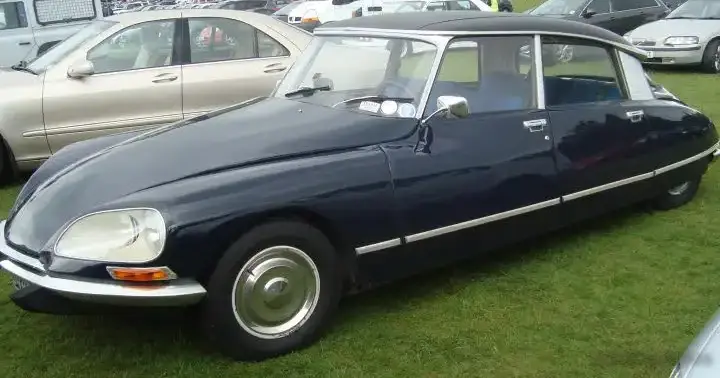
The Citroën DS III 20, produced between 1968 and 1971, represented a continuation of the innovative DS line, offering a blend of luxury, advanced technology, and distinctive styling. Positioned as a mid-range offering within the DS III family, the ‘20’ designation denoted its 2.0-liter engine, producing 103 horsepower. This variant aimed to provide a balance between performance and economy for discerning buyers in the European market, where the DS held a reputation for sophistication and engineering prowess. It built upon the foundation laid by the original DS, introduced in 1955, and benefited from ongoing refinements to the platform – the 1HX0/A3 – during its production run.
Technical Specifications
| Brand | Citroen |
| Model | DS |
| Generation | DS III |
| Type (Engine) | 20 (103 Hp) |
| Start of production | 1968 |
| End of production | 1971 |
| Powertrain Architecture | Internal Combustion engine |
| Body type | Sedan |
| Seats | 5 |
| Doors | 4 |
| Fuel Type | Petrol (Gasoline) |
| Maximum speed | 167 km/h (103.77 mph) |
| Weight-to-power ratio | 12.4 kg/Hp, 80.5 Hp/tonne |
| Weight-to-torque ratio | 8.8 kg/Nm, 114.1 Nm/tonne |
| Power | 103 Hp @ 6000 rpm |
| Power per litre | 51.9 Hp/l |
| Torque | 146 Nm @ 4000 rpm (107.68 lb.-ft. @ 4000 rpm) |
| Engine layout | Front, Longitudinal |
| Engine Model/Code | B22644 |
| Engine displacement | 1985 cm3 (121.13 cu. in.) |
| Number of cylinders | 4 |
| Engine configuration | Inline |
| Cylinder Bore | 90 mm (3.54 in.) |
| Piston Stroke | 78 mm (3.07 in.) |
| Compression ratio | 8.75:1 |
| Number of valves per cylinder | 2 |
| Fuel injection system | Carburettor |
| Engine aspiration | Naturally aspirated engine |
| Engine oil capacity | 5 l (5.28 US qt | 4.4 UK qt) |
| Coolant | 11 l (11.62 US qt | 9.68 UK qt) |
| Kerb Weight | 1280 kg (2821.92 lbs.) |
| Max. weight | 1760 kg (3880.14 lbs.) |
| Max load | 480 kg (1058.22 lbs.) |
| Trunk (boot) space – minimum | 500 l (17.66 cu. ft.) |
| Fuel tank capacity | 65 l (17.17 US gal | 14.3 UK gal) |
| Length | 4874 mm (191.89 in.) |
| Width | 1803 mm (70.98 in.) |
| Height | 1470 mm (57.87 in.) |
| Wheelbase | 3125 mm (123.03 in.) |
| Front track | 1500 mm (59.06 in.) |
| Rear (Back) track | 1300 mm (51.18 in.) |
| Front overhang | 1016 mm (40 in.) |
| Rear overhang | 733 mm (28.86 in.) |
| Minimum turning circle (turning diameter) | 11 m (36.09 ft.) |
| Drivetrain Architecture | The Internal combustion engine (ICE) drives the front wheels of the vehicle. |
| Drive wheel | Front wheel drive |
| Number of gears and type of gearbox | 4 gears, manual transmission |
| Front suspension | Hydro-pneumatic element |
| Rear suspension | Hydro-pneumatic element |
| Front brakes | Disc |
| Rear brakes | Drum |
| Steering type | Steering rack and pinion |
| Power steering | Hydraulic Steering |
Powertrain & Engine Architecture
The heart of the DS III 20 was the B22644 engine, a 1,985 cc inline-four cylinder petrol engine. This engine featured a relatively modest compression ratio of 8.75:1 and utilized a single or twin Solex carburettors for fuel delivery. The engine’s valvetrain employed two valves per cylinder, operated by a single overhead camshaft. The longitudinal engine placement, a hallmark of the DS, contributed to its balanced handling characteristics. The four-speed manual transmission was standard, providing a relatively direct connection between the engine and the front wheels. While not a high-revving engine, the 2.0-liter unit offered a reasonable amount of torque for comfortable cruising and overtaking.
Driving Characteristics
The DS III 20, with its 103 horsepower and 146 Nm of torque, delivered a driving experience focused on comfort and refinement rather than outright performance. Acceleration was adequate for the era, but it wasn’t a particularly quick car. The four-speed manual gearbox, while precise, required thoughtful shifting to maintain momentum. Compared to the more powerful DS 21 or DS 23 models, the 20 felt noticeably less responsive. However, the DS’s legendary hydropneumatic suspension system provided an exceptionally smooth ride, absorbing bumps and imperfections in the road with remarkable ease. This, combined with the power steering, made the DS III 20 a pleasant car to drive on long journeys.
Equipment & Trim Levels
The DS III 20 typically came equipped with a generous array of features for its time. Standard amenities included comfortable cloth upholstery, a wood-trimmed dashboard, and hydraulic disc brakes on the front wheels (rear brakes were drums). Power steering was also standard, a significant advantage considering the car’s size and weight. Optional extras included leather upholstery, a sunroof, and a more sophisticated radio. The interior design emphasized elegance and functionality, with a focus on driver and passenger comfort. The DS III 20 aimed to provide a luxurious experience without the higher price tag of the top-of-the-line models.
Chassis & Braking
The DS III 20’s chassis was a monocoque construction, providing a strong and rigid platform. The defining feature of the DS was, of course, its hydropneumatic suspension system. This system utilized pressurized fluid and nitrogen-filled spheres to provide a self-leveling and exceptionally comfortable ride. The front suspension employed independent hydropneumatic elements, while the rear suspension also utilized hydropneumatic spheres. The braking system featured disc brakes on the front wheels and drum brakes on the rear. While effective for the time, the rear drum brakes were a point of criticism compared to the all-disc setups found on some competitors.
Market Reception & Comparison
The Citroën DS III 20 was generally well-received by automotive critics. It was praised for its innovative technology, comfortable ride, and distinctive styling. However, some critics noted that the 2.0-liter engine felt somewhat underpowered, especially when compared to the larger-displacement DS models. In terms of fuel economy, the DS III 20 offered reasonable figures for its class, but it wasn’t particularly frugal. Compared to the DS 21, the 20 offered a more affordable entry point into the DS range, appealing to buyers who prioritized comfort and style over outright performance. The DS 19, with its smaller engine, was the entry-level model, while the DS 23 represented the top-of-the-line offering.
Legacy
The Citroën DS III 20, while not the most powerful or fastest variant of the DS, remains a highly sought-after classic car. The B22644 engine, while relatively simple in design, proved to be reasonably reliable when properly maintained. However, the hydropneumatic suspension system requires regular attention and can be expensive to repair. Today, the DS III 20 is valued for its historical significance, innovative technology, and timeless design. Well-maintained examples command a premium in the classic car market, attracting collectors and enthusiasts who appreciate the DS’s unique character and engineering brilliance. The DS III 20 stands as a testament to Citroën’s commitment to pushing the boundaries of automotive innovation.