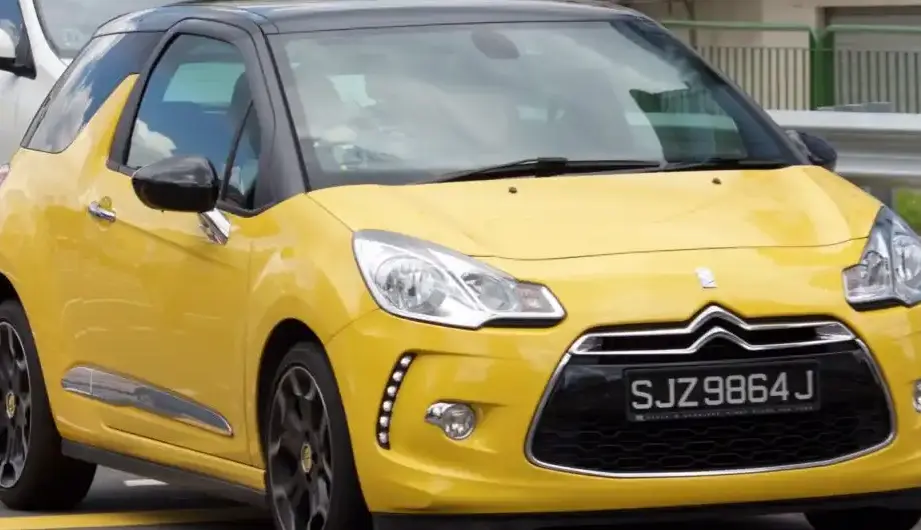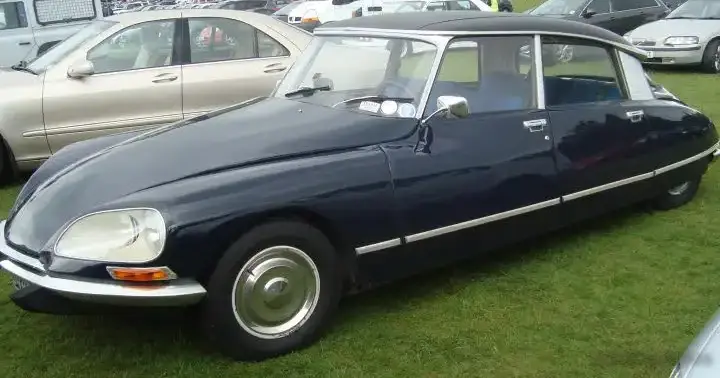
The Citroën DS III 21, produced between 1968 and 1971, represents a refinement of the iconic DS line, embodying the innovative spirit for which Citroën became renowned. Positioned as a mid-range offering within the DS III generation (based on the platform code), the 21 model, with its 2.2-liter engine producing 115 horsepower, aimed to balance performance with the comfort and advanced technology that defined the DS. It served as a step up from the lower-powered variants, while remaining more accessible than the flagship ID models. This variant was primarily sold in European markets, where the DS held a strong appeal for its unique design and sophisticated engineering.
Technical Specifications
| Brand | Citroen |
| Model | DS |
| Generation | DS III |
| Type (Engine) | 21 (115 Hp) |
| Start of production | 1968 |
| End of production | 1971 |
| Powertrain Architecture | Internal Combustion engine |
| Body type | Sedan |
| Seats | 5 |
| Doors | 4 |
| Fuel Type | Petrol (Gasoline) |
| Maximum speed | 178 km/h (110.6 mph) |
| Weight-to-power ratio | 11.4 kg/Hp, 87.8 Hp/tonne |
| Weight-to-torque ratio | 7.7 kg/Nm, 130.5 Nm/tonne |
| Power | 115 Hp @ 5750 rpm |
| Power per litre | 52.9 Hp/l |
| Torque | 171 Nm @ 4000 rpm (126.12 lb.-ft. @ 4000 rpm) |
| Engine layout | Front, Longitudinal |
| Engine Model/Code | B22627 |
| Engine displacement | 2175 cm3 (132.73 cu. in.) |
| Number of cylinders | 4 |
| Engine configuration | Inline |
| Cylinder Bore | 90 mm (3.54 in.) |
| Piston Stroke | 85.5 mm (3.37 in.) |
| Compression ratio | 8.75:1 |
| Number of valves per cylinder | 2 |
| Fuel injection system | Carburettor |
| Engine aspiration | Naturally aspirated engine |
| Engine oil capacity | 5 l (5.28 US qt | 4.4 UK qt) |
| Coolant | 13 l (13.74 US qt | 11.44 UK qt) |
| Kerb Weight | 1310 kg (2888.06 lbs.) |
| Max. weight | 1800 kg (3968.32 lbs.) |
| Max load | 490 kg (1080.27 lbs.) |
| Trunk (boot) space – minimum | 500 l (17.66 cu. ft.) |
| Fuel tank capacity | 65 l (17.17 US gal | 14.3 UK gal) |
| Length | 4874 mm (191.89 in.) |
| Width | 1803 mm (70.98 in.) |
| Height | 1470 mm (57.87 in.) |
| Wheelbase | 3125 mm (123.03 in.) |
| Front track | 1516 mm (59.69 in.) |
| Rear (Back) track | 1316 mm (51.81 in.) |
| Front overhang | 1016 mm (40 in.) |
| Rear overhang | 733 mm (28.86 in.) |
| Minimum turning circle (turning diameter) | 11 m (36.09 ft.) |
| Drivetrain Architecture | The Internal combustion engine (ICE) drives the front wheels of the vehicle. |
| Drive wheel | Front wheel drive |
| Number of gears and type of gearbox | 4 gears, manual transmission |
| Front suspension | Hydro-pneumatic element |
| Rear suspension | Hydro-pneumatic element |
| Front brakes | Disc |
| Rear brakes | Drum |
| Steering type | Steering rack and pinion |
| Power steering | Hydraulic Steering |
Powertrain & Engine Architecture
The heart of the DS III 21 was the 2175 cc inline-four cylinder engine, designated B22627. This engine featured a cast iron block and an aluminum cylinder head. It utilized a single overhead camshaft (SOHC) valvetrain with two valves per cylinder. Fuel delivery was managed by a Solex carburetor, a common setup for the era. The engine’s 8.75:1 compression ratio was a compromise between performance and the fuel quality available in European markets. The engine was mounted longitudinally in the front of the vehicle, driving the front wheels. The four-speed manual transmission was a standard feature, providing a relatively direct connection between the engine and the wheels. The transmission was not known for its particularly short ratios, prioritizing comfortable cruising over outright acceleration.
Driving Characteristics
The DS III 21, equipped with the manual transmission, offered a driving experience that prioritized comfort and refinement over sporty handling. The 115 horsepower engine provided adequate, but not overwhelming, performance. Acceleration was respectable for the time, but the car’s weight (approximately 2888 lbs) meant it wasn’t particularly quick. The four-speed gearbox, while durable, had relatively wide gear spacing, which could make it feel somewhat sluggish during quick overtaking maneuvers. The hydro-pneumatic suspension, a hallmark of the DS, provided an exceptionally smooth and comfortable ride, absorbing bumps and imperfections in the road with remarkable ease. Steering was precise and relatively light, thanks to the hydraulic power steering system.
Equipment & Trim Levels
The DS III 21 typically came equipped with a generous array of features for its time. Standard equipment included comfortable cloth upholstery, a wood-trimmed dashboard, and hydraulic disc brakes on the front wheels (rear brakes were drums). Power steering was also standard. Optional extras included leather upholstery, a sunroof, and a more advanced radio. The interior was designed with a focus on elegance and practicality, offering ample space for passengers and luggage. The dashboard layout was typically clean and functional, with clearly marked gauges and controls.
Chassis & Braking
The DS III 21 utilized a robust chassis with independent suspension on all four wheels, employing Citroën’s innovative hydro-pneumatic system. This system used pressurized fluid and nitrogen spheres to provide a self-leveling and exceptionally comfortable ride. The front suspension featured independent trailing arms, while the rear suspension utilized a trailing arm design. Braking duties were handled by disc brakes on the front wheels and drum brakes on the rear. The hydraulic braking system provided good stopping power, although it lacked the sophistication of modern anti-lock braking systems. The steering system employed a rack and pinion setup with hydraulic power assistance, offering precise and effortless steering control.
Market Reception & Comparison
The Citroën DS III 21 was generally well-received by automotive critics and buyers alike. It was praised for its innovative technology, comfortable ride, and elegant styling. However, some critics noted that the engine, while adequate, lacked the outright performance of some of its competitors. Compared to the DS III 23, which featured a larger engine and more power, the 21 was seen as a more sensible and economical choice. Compared to the ID variants, the DS III 21 offered a more refined and technologically advanced experience. Reliability was generally good, although the complex hydro-pneumatic suspension system required regular maintenance and could be expensive to repair.
Legacy
The Citroën DS III 21 remains a highly sought-after classic car today. Its innovative design and advanced technology continue to impress enthusiasts. The 2.2-liter engine, while not the most powerful in the DS lineup, is known for its durability and relative simplicity. The hydro-pneumatic suspension, while requiring specialized maintenance, is considered a masterpiece of engineering. Finding well-maintained examples can be challenging, and parts availability can be limited, but the DS III 21 offers a unique and rewarding driving experience for those willing to invest the time and effort. The car’s enduring appeal is a testament to Citroën’s commitment to innovation and its ability to create truly distinctive automobiles.