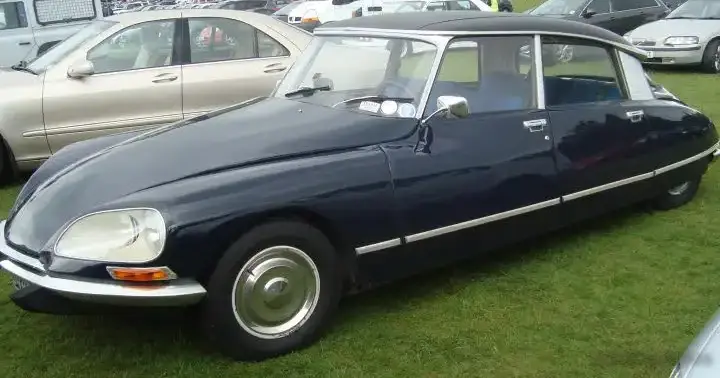
The Citroën DS III 21 ie, produced between 1970 and 1971, represents a refined iteration of the iconic DS series. Positioned as a mid-range offering within the DS III generation (based on the 1HX0 platform), the 21 ie distinguished itself with a more potent engine and sophisticated fuel injection system compared to the base models. This variant aimed to bridge the gap between the more economical DS options and the flagship ID 21 models, offering a blend of performance and comfort that appealed to discerning buyers. The “ie” designation signifies “injection électronique,” highlighting the advanced fuel delivery system for its time.
Technical Specifications
| Brand | Citroen |
| Model | DS |
| Generation | DS III |
| Type (Engine) | 21 ie (125 Hp) |
| Start of production | 1970 |
| End of production | 1971 |
| Powertrain Architecture | Internal Combustion engine |
| Body type | Sedan |
| Seats | 5 |
| Doors | 4 |
| Fuel Type | Petrol (Gasoline) |
| Maximum speed | 188 km/h (116.82 mph) |
| Weight-to-power ratio | 10.7 kg/Hp, 93.3 Hp/tonne |
| Weight-to-torque ratio | 7.3 kg/Nm, 136.6 Nm/tonne |
| Power | 125 Hp @ 5250 rpm |
| Power per litre | 57.5 Hp/l |
| Torque | 183 Nm @ 2500 rpm (134.97 lb.-ft. @ 2500 rpm) |
| Engine layout | Front, Longitudinal |
| Engine displacement | 2175 cm3 (132.73 cu. in.) |
| Number of cylinders | 4 |
| Engine configuration | Inline |
| Cylinder Bore | 90 mm (3.54 in.) |
| Piston Stroke | 85.5 mm (3.37 in.) |
| Compression ratio | 9:1 |
| Number of valves per cylinder | 2 |
| Fuel injection system | Multi-port manifold injection |
| Engine aspiration | Naturally aspirated engine |
| Engine oil capacity | 5 l (5.28 US qt | 4.4 UK qt) |
| Coolant | 11 l (11.62 US qt | 9.68 UK qt) |
| Kerb Weight | 1340 kg (2954.19 lbs) |
| Max. weight | 1840 kg (4056.51 lbs) |
| Max load | 500 kg (1102.31 lbs) |
| Trunk (boot) space – minimum | 500 l (17.66 cu. ft.) |
| Fuel tank capacity | 65 l (17.17 US gal | 14.3 UK gal) |
| Permitted trailer load with brakes (12%) | 1800 kg (3968.32 lbs) |
| Permitted trailer load without brakes | 630 kg (1388.91 lbs) |
| Length | 4874 mm (191.89 in.) |
| Width | 1803 mm (70.98 in.) |
| Height | 1470 mm (57.87 in.) |
| Wheelbase | 3125 mm (123.03 in.) |
| Front track | 1516 mm (59.69 in.) |
| Rear (Back) track | 1316 mm (51.81 in.) |
| Front overhang | 1016 mm (40 in.) |
| Rear overhang | 733 mm (28.86 in.) |
| Minimum turning circle (turning diameter) | 11 m (36.09 ft.) |
| Drivetrain Architecture | The Internal combustion engine (ICE) drives the front wheels of the vehicle. |
| Drive wheel | Front wheel drive |
| Number of gears and type of gearbox | 5 gears, manual transmission |
| Front suspension | Hydro-pneumatic element |
| Rear suspension | Hydro-pneumatic element |
| Front brakes | Disc |
| Rear brakes | Drum |
| Steering type | Steering rack and pinion |
| Power steering | Hydraulic Steering |
Powertrain & Engine Architecture
The heart of the DS III 21 ie is its 2.2-liter (2175 cc) inline-four cylinder engine. This engine, identifiable by its internal codes, represents a significant upgrade over the smaller displacement engines found in lower-trim DS models. The key feature of this variant is its Bosch multi-port fuel injection system, a relatively advanced technology for the early 1970s. This system replaced the Solex carburetors used in earlier DS models, resulting in improved fuel efficiency, smoother power delivery, and reduced emissions. The engine boasts a compression ratio of 9:1 and utilizes a two-valve per cylinder configuration. The engine is longitudinally mounted at the front of the vehicle, driving the front wheels. The five-speed manual transmission, standard on the 21 ie, provides a wider range of gears for optimal performance and fuel economy.
Driving Characteristics
The 125 horsepower and 135 lb-ft of torque produced by the 21 ie engine translate to a noticeably more spirited driving experience compared to the lower-powered DS variants. While not a sports car by any means, the 21 ie offers ample power for comfortable highway cruising and confident overtaking maneuvers. The five-speed gearbox allows the driver to keep the engine within its optimal power band, maximizing acceleration and minimizing fuel consumption. The Citroën’s legendary hydropneumatic suspension system, standard across the DS range, provides an exceptionally smooth and comfortable ride, absorbing bumps and imperfections in the road with remarkable ease. The steering, also hydraulically assisted, is light and precise, contributing to a relaxed and enjoyable driving experience. Compared to the automatic transmissions offered on some DS models, the manual gearbox in the 21 ie provides a more engaging and direct connection to the engine.
Equipment & Trim Levels
The DS III 21 ie was generally well-equipped for its time, offering a comfortable and refined interior. Standard features typically included comfortable cloth upholstery, a wood-trimmed dashboard, and a comprehensive instrument panel. Power-assisted steering and brakes were also standard. Optional extras included leather upholstery, a sunroof, and a more advanced radio system. The interior design emphasized elegance and functionality, with a focus on providing a comfortable and relaxing environment for both driver and passengers. The 21 ie often featured subtle exterior trim differences compared to the base models, such as chrome accents and specific wheel covers.
Chassis & Braking
The DS III chassis continued Citroën’s innovative use of hydropneumatic suspension, providing a self-leveling ride height and exceptional comfort. The front suspension utilized a complex hydropneumatic system with independent wheel movement, while the rear suspension employed a similar setup. Braking duties were handled by disc brakes at the front and drum brakes at the rear. The hydraulic braking system, also linked to the hydropneumatic suspension, provided effective stopping power and a consistent pedal feel. The steering system utilized a rack-and-pinion setup with hydraulic power assistance, offering precise and effortless steering control.
Market Reception & Comparison
The Citroën DS III 21 ie was generally well-received by automotive critics, who praised its refined engine, comfortable ride, and advanced technology. It was seen as a compelling alternative to other luxury sedans of the era, offering a unique blend of French flair and engineering innovation. Compared to the base DS models, the 21 ie offered a significant performance upgrade, while remaining more affordable than the flagship ID 21. Fuel economy was respectable for the time, although not as high as that of the smaller-engined DS variants. Reliability was generally good, although the complex hydropneumatic suspension system required regular maintenance.
Legacy
The Citroën DS III 21 ie remains a highly sought-after classic car today, appreciated for its unique design, innovative technology, and comfortable driving experience. The 2.2-liter fuel-injected engine is considered a robust and reliable unit, although regular maintenance is essential to keep it running smoothly. Parts availability can be a challenge, but a dedicated network of Citroën enthusiasts and specialists exists to support owners. The DS III 21 ie represents a high point in Citroën’s engineering prowess and continues to captivate car enthusiasts around the world. Its advanced features and distinctive styling have cemented its place as an icon of automotive history.