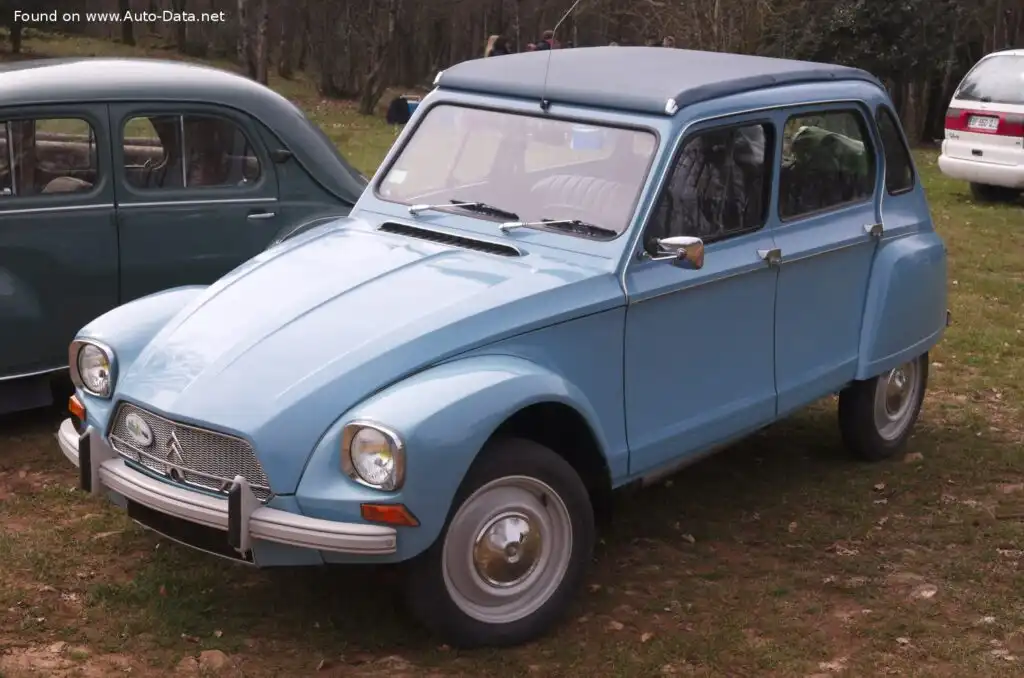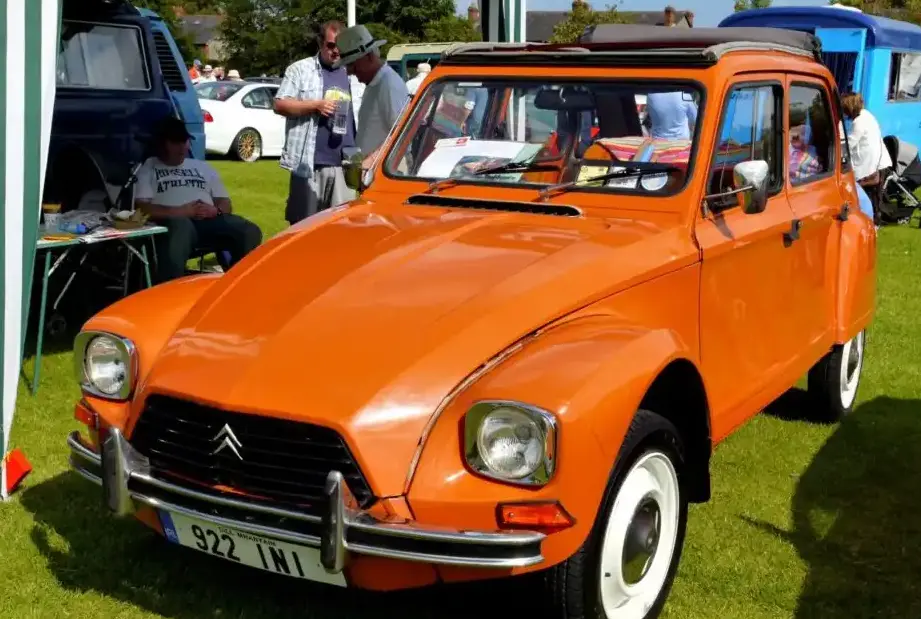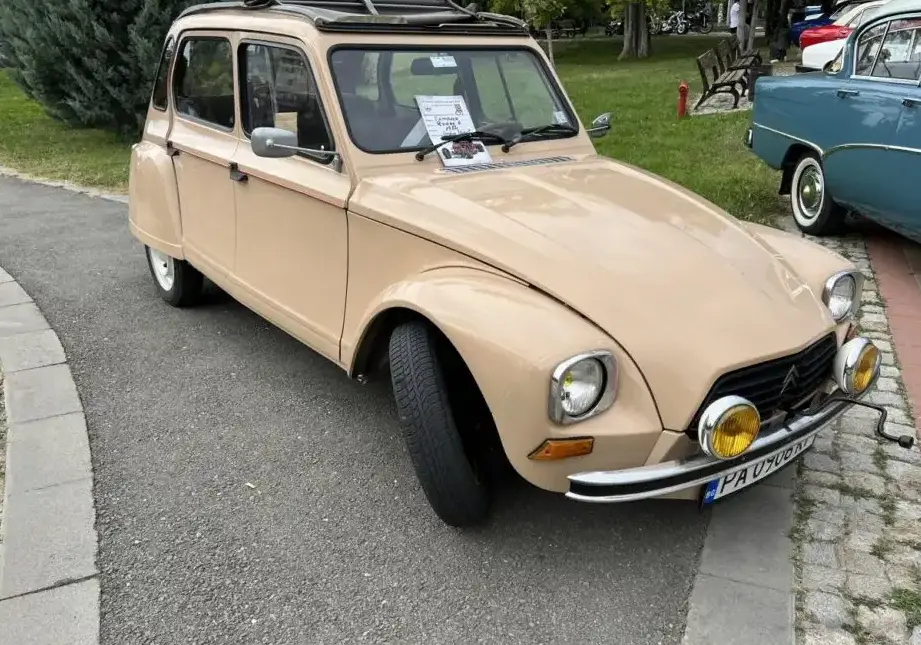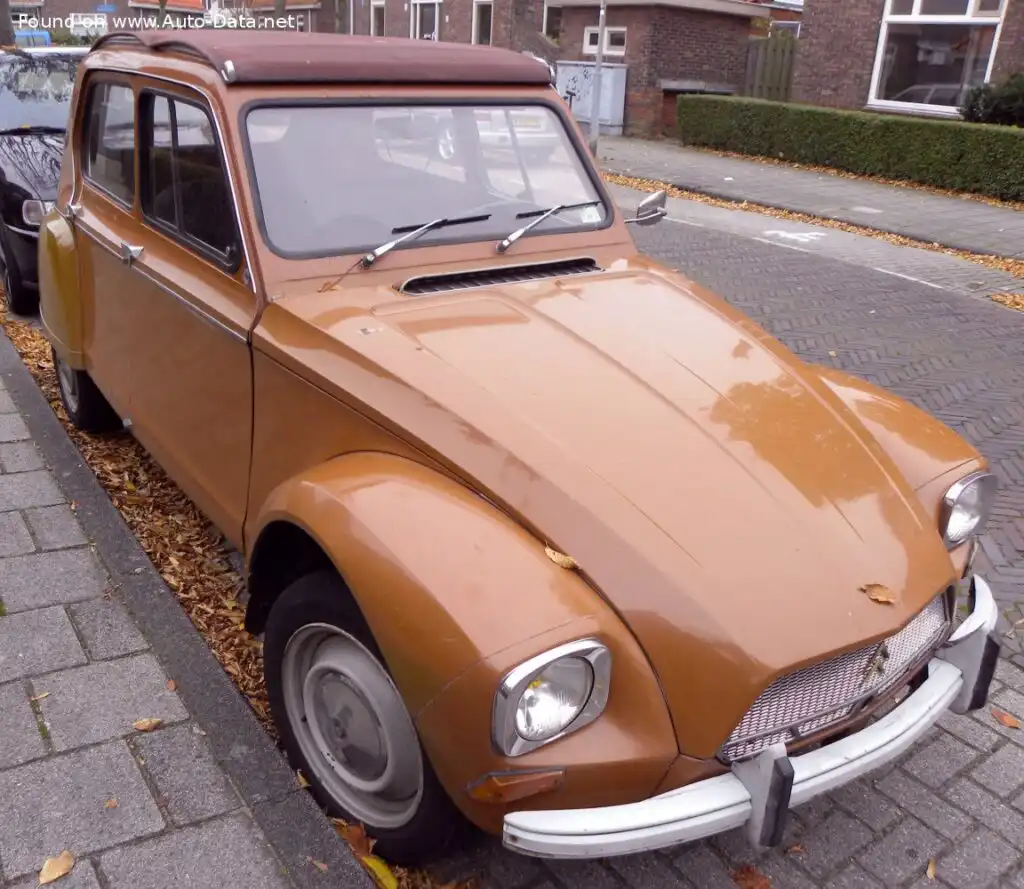
The Citroën Dyane 6, representing the initial phase (Phase I) of the Dyane model, was produced between 1967 and 1970. Positioned as an economical and practical vehicle, the Dyane was intended to bridge the gap between the Citroën 2CV and the more upscale Citroën Ami. It shared many mechanical components with the 2CV, but offered a more modern and slightly more refined experience, particularly in terms of interior space and styling. The Dyane 6, with its 602cc engine, served as the entry-level model in the Dyane range, appealing to buyers seeking basic transportation with Citroën’s renowned comfort and durability. It was a key part of Citroën’s strategy to offer a diverse range of vehicles to meet varying consumer needs in the European market.
Technical Specifications
| Brand | Citroen |
| Model | Dyane |
| Generation | Dyane I (Phase I) |
| Type (Engine) | Dyane 6 (33 Hp) |
| Start of production | 1967 |
| End of production | 1970 |
| Powertrain Architecture | Internal Combustion engine |
| Body type | Sedan, Fastback |
| Seats | 4 |
| Doors | 5 |
| Fuel consumption (combined) | 5.6 l/100 km (42 US mpg, 50.4 UK mpg, 17.9 km/l) |
| Fuel Type | Petrol (Gasoline) |
| Maximum speed | 115 km/h (71.46 mph) |
| Weight-to-power ratio | 17.7 kg/Hp, 56.4 Hp/tonne |
| Weight-to-torque ratio | 13.9 kg/Nm, 71.8 Nm/tonne |
| Power | 33 Hp @ 7000 rpm |
| Power per litre | 54.8 Hp/l |
| Torque | 42 Nm @ 3500 rpm (30.98 lb.-ft. @ 3500 rpm) |
| Engine Model/Code | AK2, M28/1 |
| Engine displacement | 602 cm3 (36.74 cu. in.) |
| Number of cylinders | 2 |
| Cylinder Bore | 74 mm (2.91 in.) |
| Piston Stroke | 70 mm (2.76 in.) |
| Compression ratio | 8.5:1 |
| Fuel injection system | Carburettor |
| Engine aspiration | Naturally aspirated engine |
| Engine oil capacity | 2 l (2.11 US qt | 1.76 UK qt) |
| Kerb Weight | 585-600 kg (1289.7 – 1322.77 lbs.) |
| Max. weight | 930 kg (2050.3 lbs.) |
| Max load | 330-345 kg (727.53 – 760.59 lbs.) |
| Trunk (boot) space – minimum | 250 l (8.83 cu. ft.) |
| Trunk (boot) space – maximum | 1340 l (47.32 cu. ft.) |
| Fuel tank capacity | 25 l (6.6 US gal | 5.5 UK gal) |
| Length | 3905 mm (153.74 in.) |
| Width | 1500 mm (59.06 in.) |
| Height | 1540 mm (60.63 in.) |
| Wheelbase | 2400 mm (94.49 in.) |
| Front track | 1260 mm (49.61 in.) |
| Rear (Back) track | 1260 mm (49.61 in.) |
| Minimum turning circle | 11 m (36.09 ft.) |
| Drivetrain Architecture | Front wheel drive, Internal Combustion engine (ICE) |
| Number of gears and type of gearbox | 4 gears, manual transmission |
| Front suspension | Independent coil spring |
| Rear suspension | Independent coil spring |
| Front brakes | Drum |
| Rear brakes | Drum |
| Steering type | Steering rack and pinion |
Powertrain & Engine Architecture
The Dyane 6 was powered by a 602cc, two-cylinder, air-cooled engine. This engine, designated AK2 or M28/1, was a derivative of the engine used in the Citroën 2CV. It featured a simple, yet robust, design with a single overhead camshaft and a two-barrel Solex carburetor. The engine’s relatively low compression ratio of 8.5:1 contributed to its ability to run on lower-octane fuel, a significant advantage in many European markets. The engine’s modest 33 horsepower at 7000 rpm and 42 Nm (31 lb-ft) of torque at 3500 rpm were delivered to the front wheels through a four-speed manual transmission. The transmission was known for its long throws and somewhat vague shift feel, typical of the era. The engine’s air-cooled design eliminated the need for a radiator and water pump, simplifying the cooling system and reducing weight.
Driving Characteristics
The Dyane 6’s driving experience was characterized by its light weight and nimble handling. While its 33 horsepower wasn’t substantial, the car’s low curb weight (around 585-600 kg or 1289-1323 lbs) allowed for reasonably brisk acceleration, especially in lower gears. Top speed was around 115 km/h (71 mph). Compared to later Dyane models with larger engines, the Dyane 6 felt noticeably slower, particularly when fully loaded or climbing hills. The four-speed manual transmission required frequent shifting to maintain optimal engine speed. The suspension, while providing a comfortable ride on smooth roads, could become somewhat bouncy on uneven surfaces. The steering, utilizing a rack and pinion system, was relatively light and precise for its time.
Equipment & Trim Levels
The Dyane 6 was offered with a fairly basic level of equipment, reflecting its position as the entry-level model. Standard features included cloth upholstery, a simple dashboard with basic instrumentation (speedometer, fuel gauge), and manually operated windows. The interior was functional and utilitarian, prioritizing practicality over luxury. Optional extras included a heater, a radio, and upgraded upholstery. The exterior trim was minimal, with painted steel wheels and chrome bumpers. The car’s five-door configuration provided relatively easy access to both the front and rear seats, a feature that contributed to its practicality.
Chassis & Braking
The Dyane utilized a monocoque chassis construction, providing a good balance of strength and lightness. The front suspension featured independent coil springs, while the rear suspension also employed independent coil springs, a relatively sophisticated setup for a car in this price range. Braking was provided by drum brakes on all four wheels. The braking system was adequate for normal driving conditions, but lacked the stopping power of more modern vehicles. The steering system was a rack and pinion setup, offering reasonable precision and feedback.
Market Reception & Comparison
The Dyane 6 was generally well-received by the motoring press as a practical and affordable vehicle. Critics praised its comfortable ride, nimble handling, and fuel efficiency (around 5.6 l/100 km or 42 mpg). However, the car’s modest performance and basic interior were also noted. Compared to the more powerful Dyane 10 or the Citroën Ami, the Dyane 6 offered a more economical option, appealing to buyers who prioritized affordability and fuel economy over outright performance. The 2CV, while mechanically similar, offered a more rugged and utilitarian experience, while the Dyane aimed for a slightly more modern and refined feel.
Legacy
The Citroën Dyane, and particularly the Dyane 6, has become a popular classic car among enthusiasts. Its simple mechanical design and readily available parts make it relatively easy to maintain and repair. The Dyane’s durability and reliability have ensured that a significant number of examples remain on the road today. While not a high-performance vehicle, the Dyane 6 offers a unique and charming driving experience, representing a bygone era of automotive engineering. In the used car market, well-maintained examples of the Dyane 6 are sought after by collectors and enthusiasts, and values have been steadily increasing in recent years. The engine, while simple, is known for its longevity if properly maintained, and rebuild kits are still available.