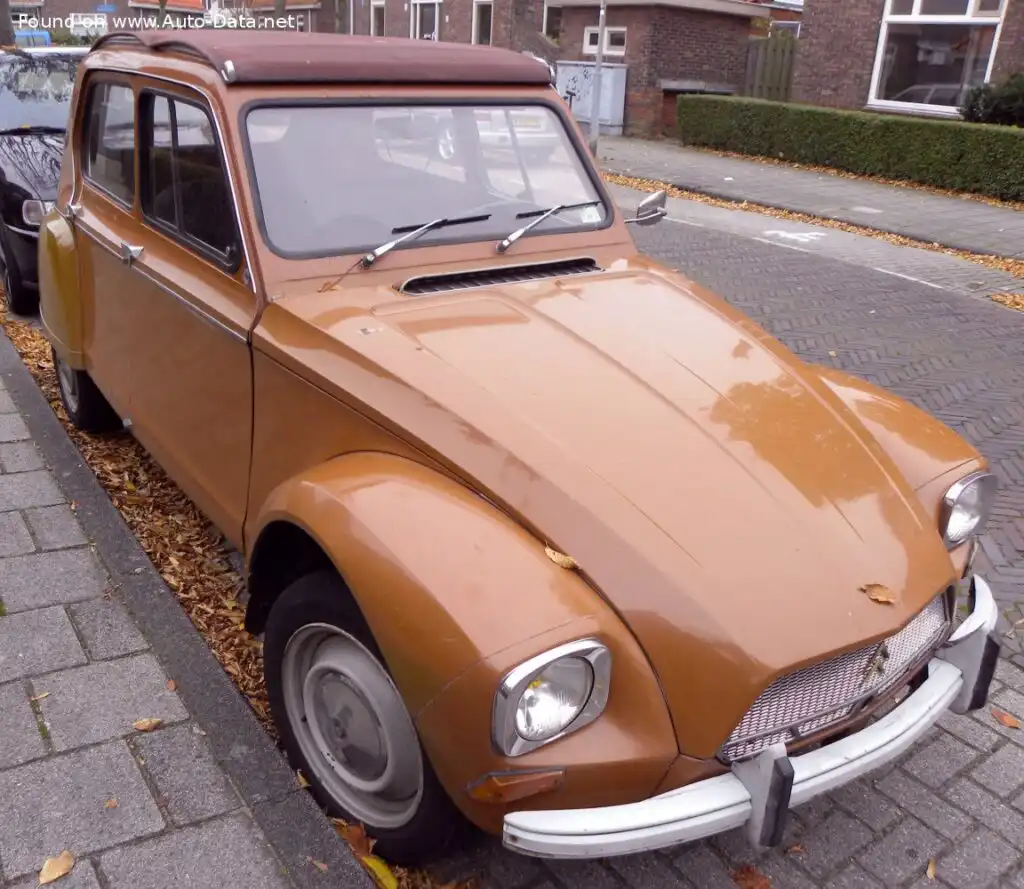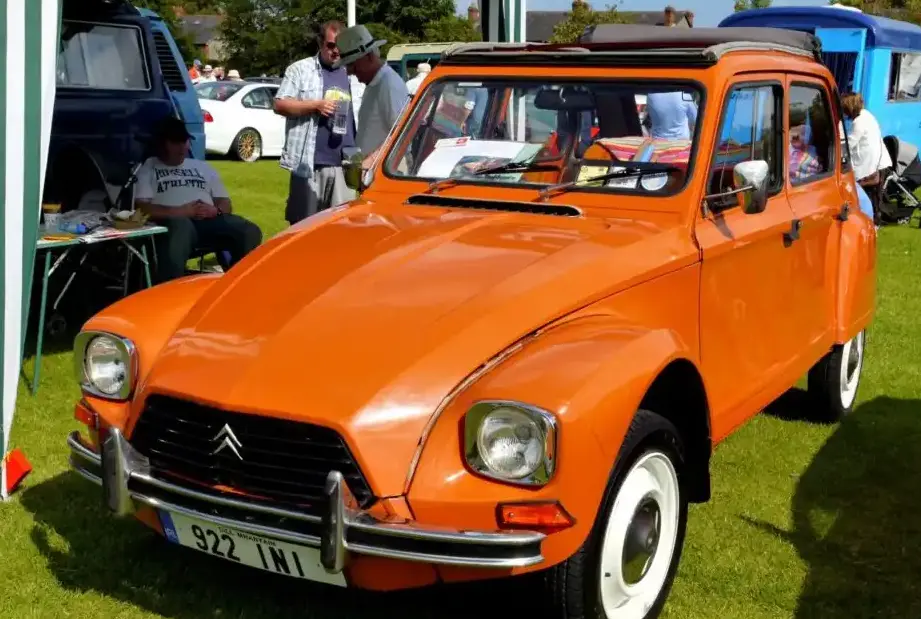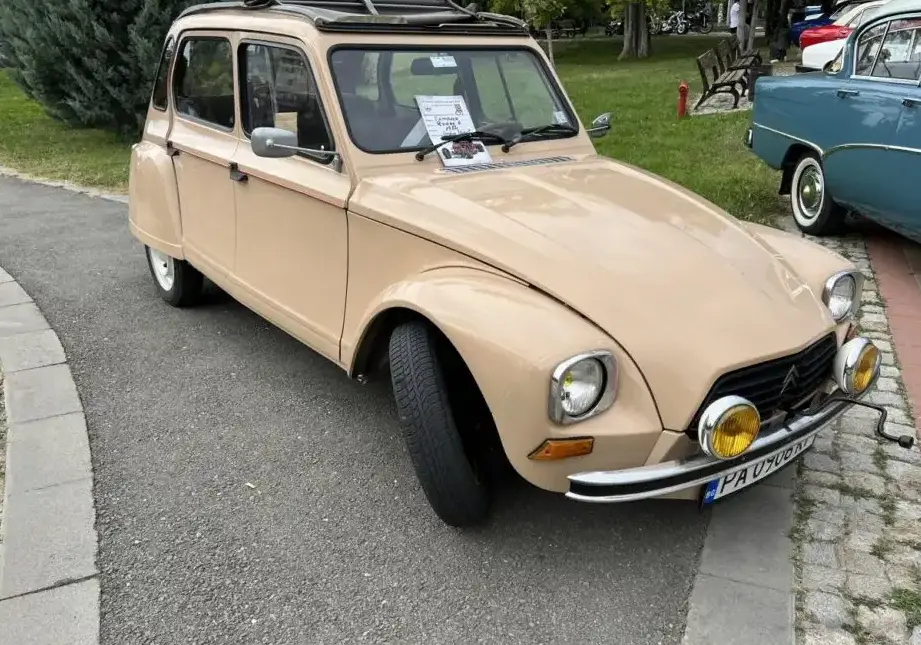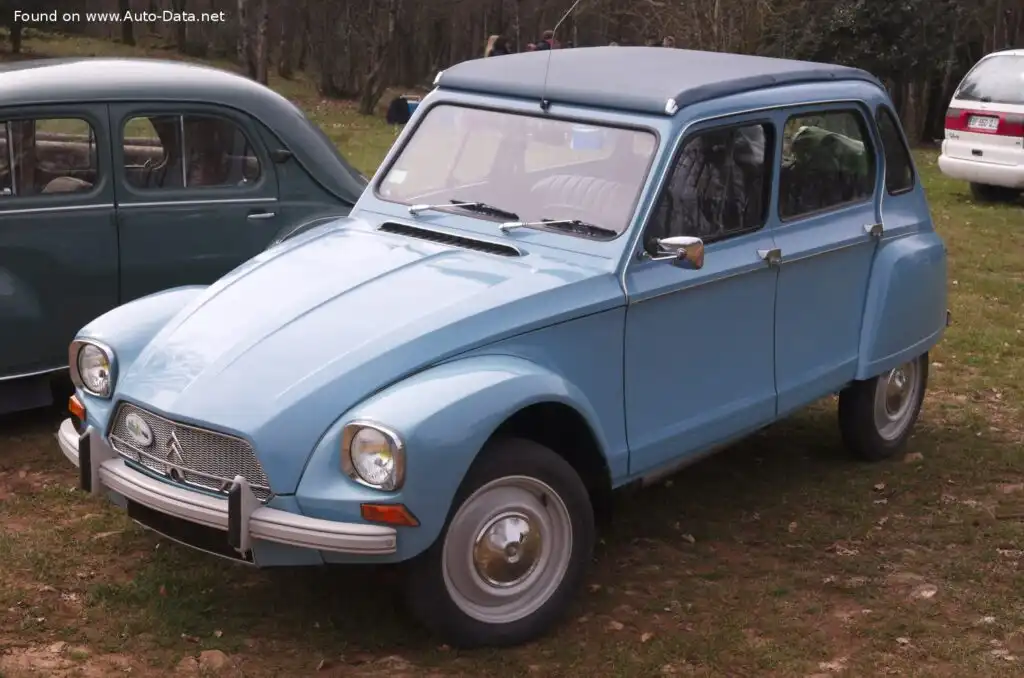
The Citroën Dyane 6, produced between 1970 and 1974, represents a significant iteration of Citroën’s popular Dyane model range. Falling within the Dyane I (Phase II) generation, the Dyane 6 was positioned as the entry-level variant, offering affordable transportation within the French automotive market and beyond. It was built upon the A-series platform, shared with the Citroën Ami, and aimed at buyers seeking a practical, economical, and uniquely styled vehicle. The Dyane, in general, was intended to replace the aging 2CV, offering a more modern design while retaining the core values of simplicity and affordability. The Dyane 6, with its modest 32 horsepower, served as the foundation for the lineup, with more powerful versions available for those desiring increased performance.
Technical Specifications
| Brand | Citroen |
| Model | Dyane |
| Generation | Dyane I (Phase II) |
| Type (Engine) | Dyane 6 (32 Hp) |
| Start of production | 1970 |
| End of production | 1974 |
| Powertrain Architecture | Internal Combustion engine |
| Body type | Sedan, Fastback |
| Seats | 4 |
| Doors | 5 |
| Fuel consumption (extra urban) | 5.7 l/100 km (41.3 US mpg, 49.6 UK mpg, 17.5 km/l) |
| Fuel consumption (combined) | 6.1 l/100 km (38.6 US mpg, 46.3 UK mpg, 16.4 km/l) |
| Fuel Type | Petrol (Gasoline) |
| Maximum speed | 117 km/h (72.7 mph) |
| Weight-to-power ratio | 18.7 kg/Hp, 53.4 Hp/tonne |
| Weight-to-torque ratio | 14.3 kg/Nm, 70.1 Nm/tonne |
| Power | 32 Hp @ 5750 rpm |
| Power per litre | 53.2 Hp/l |
| Torque | 42 Nm @ 3500 rpm (30.98 lb.-ft. @ 3500 rpm) |
| Engine Model/Code | AK2, M28/1 |
| Engine displacement | 602 cm3 (36.74 cu. in.) |
| Number of cylinders | 2 |
| Engine configuration | Boxer |
| Cylinder Bore | 74 mm (2.91 in.) |
| Piston Stroke | 70 mm (2.76 in.) |
| Compression ratio | 8.5:1 |
| Fuel injection system | Carburettor |
| Engine aspiration | Naturally aspirated engine |
| Engine oil capacity | 2 l (2.11 US qt | 1.76 UK qt) |
| Kerb Weight | 599 kg (1320.57 lbs.) |
| Max. weight | 928 kg (2045.89 lbs.) |
| Max load | 329 kg (725.32 lbs.) |
| Trunk (boot) space – minimum | 250 l (8.83 cu. ft.) |
| Trunk (boot) space – maximum | 1340 l (47.32 cu. ft.) |
| Fuel tank capacity | 25 l (6.6 US gal | 5.5 UK gal) |
| Length | 3870 mm (152.36 in.) |
| Width | 1500 mm (59.06 in.) |
| Height | 1540 mm (60.63 in.) |
| Wheelbase | 2400 mm (94.49 in.) |
| Front track | 1260 mm (49.61 in.) |
| Rear (Back) track | 1260 mm (49.61 in.) |
| Front overhang | 705 mm (27.76 in.) |
| Rear overhang | 765 mm (30.12 in.) |
| Ride height (ground clearance) | 155 mm (6.1 in.) |
| Drag coefficient (Cd) | 0.41 |
| Minimum turning circle (turning diameter) | 11 m (36.09 ft.) |
| Drivetrain Architecture | The Internal combustion engine (ICE) drives the front wheels of the vehicle. |
| Drive wheel | Front wheel drive |
| Number of gears and type of gearbox | 4 gears, manual transmission |
| Front brakes | Drum |
| Rear brakes | Drum |
| Steering type | Steering rack and pinion |
Powertrain & Engine Architecture
The Dyane 6 was powered by a 602cc, two-cylinder, boxer engine, designated AK2 or M28/1. This engine was a hallmark of Citroën’s engineering philosophy, prioritizing simplicity and reliability. The boxer configuration, with horizontally opposed cylinders, contributed to a low center of gravity, enhancing stability. The engine utilized a single Solex carburetor for fuel delivery, a common setup for the time, and featured a relatively low compression ratio of 8.5:1. The engine produced 32 horsepower at 5750 rpm and 42 Nm (31 lb-ft) of torque at 3500 rpm. This power was transmitted to the front wheels through a four-speed manual transmission. The transmission was not known for its sporty feel, but rather for its durability and ease of use. The engine’s design emphasized low-end torque, making it suitable for navigating city streets and rural roads.
Driving Characteristics
The Dyane 6’s driving experience was defined by its modest power output and lightweight construction. Acceleration was leisurely, and top speed was around 72.7 mph. However, the car felt nimble and responsive in urban environments. The four-speed manual transmission required frequent shifting, but the gear ratios were well-suited to the engine’s characteristics. Compared to the more powerful Dyane 10, the Dyane 6 offered a more relaxed driving experience, prioritizing fuel economy and ease of use over outright performance. The suspension, while simple, provided a comfortable ride, absorbing bumps and imperfections in the road surface effectively. The steering was light and precise, making the car easy to maneuver.
Equipment & Trim Levels
As the entry-level model, the Dyane 6 was equipped with basic but functional features. Standard equipment included cloth upholstery, a simple dashboard layout, and basic instrumentation. Options were limited but could include a heater, upgraded seat covers, and a radio. The interior was spartan but practical, designed for durability and ease of cleaning. The exterior featured steel wheels, chrome bumpers, and a distinctive fastback roofline. The Dyane 6 was available in a range of solid colors, reflecting the utilitarian nature of the vehicle.
Chassis & Braking
The Dyane 6 utilized a torsion bar suspension system at the front and trailing arms at the rear. This suspension setup provided a good balance of ride comfort and handling. The car featured drum brakes on all four wheels, which were adequate for the vehicle’s weight and performance. The steering system was a rack and pinion setup, providing precise and responsive steering. The Dyane 6’s lightweight construction contributed to its nimble handling characteristics. The car’s relatively narrow track width and short wheelbase further enhanced its maneuverability.
Market Reception & Comparison
The Dyane 6 was generally well-received by the public as an affordable and practical transportation solution. Critics praised its fuel economy, reliability, and unique styling. However, some criticized its lack of power and basic interior. Compared to the Dyane 10, the Dyane 6 offered a lower price point but sacrificed performance. The Dyane 6 also competed with other small European cars, such as the Renault 4 and the Fiat 500. The Dyane 6’s fuel economy was comparable to its competitors, and its reliability was generally considered to be good.
Legacy
The Citroën Dyane 6, while not a performance icon, holds a significant place in automotive history as a symbol of affordable and practical transportation. The 602cc boxer engine proved to be remarkably durable, and many Dyane 6 models remain on the road today. The car’s unique styling and quirky character have also contributed to its enduring appeal. In the used car market, the Dyane 6 is sought after by collectors and enthusiasts who appreciate its simplicity, reliability, and distinctive design. Parts availability can be a challenge, but a dedicated community of owners and enthusiasts ensures that the Dyane 6 will continue to be enjoyed for years to come.