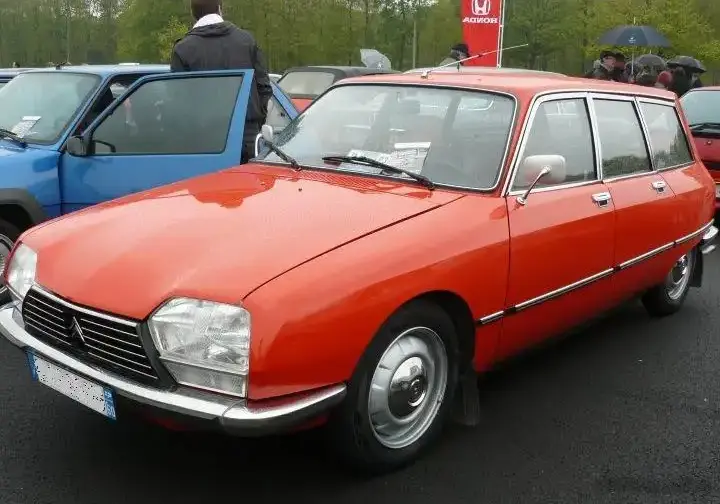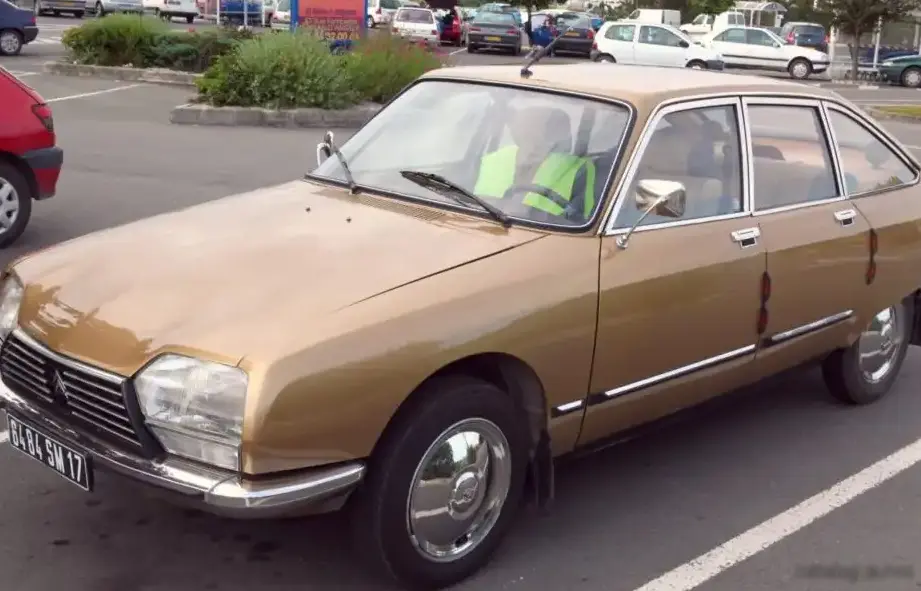
The Citroën GS X2, produced between 1975 and 1979, represents an entry-level variant within the broader Citroën GS range. Introduced as a more accessible option, the X2 utilized a smaller displacement engine to offer a balance of practicality and Citroën’s renowned hydropneumatic suspension technology. Positioned below the more powerful GS models, it aimed to attract buyers seeking a comfortable and technologically advanced vehicle at a lower price point. The GS itself was a significant vehicle for Citroën, representing a move towards more conventional styling while retaining the innovative engineering that defined the brand. It was built on the platform code G.
Technical Specifications
| Brand | Citroen |
| Model | GS |
| Generation | GS |
| Type (Engine) | X 2 (65 Hp) |
| Start of production | 1975 year |
| End of production | 1979 year |
| Powertrain Architecture | Internal Combustion engine |
| Body type | Hatchback |
| Seats | 5 |
| Doors | 4 |
| Fuel Type | Petrol (Gasoline) |
| Power | 65 Hp @ 5750 rpm |
| Power per litre | 53.2 Hp/l |
| Torque | 87 Nm @ 3250 rpm |
| Torque (lb-ft) | 64.17 lb.-ft. @ 3250 rpm |
| Engine Model/Code | G12/619 |
| Engine displacement | 1222 cm3 |
| Engine displacement (cu. in.) | 74.57 cu. in. |
| Number of cylinders | 4 |
| Engine configuration | Boxer |
| Cylinder Bore | 77 mm |
| Cylinder Bore (in.) | 3.03 in. |
| Piston Stroke | 65.6 mm |
| Piston Stroke (in.) | 2.58 in. |
| Compression ratio | 8.2:1 |
| Fuel injection system | Carburettor |
| Engine aspiration | Naturally aspirated engine |
| Engine oil capacity | 3.7 l |
| Engine oil capacity (US qt) | 3.91 US qt |
| Engine oil capacity (UK qt) | 3.26 UK qt |
| Fuel tank capacity | 43 l |
| Fuel tank capacity (US gal) | 11.36 US gal |
| Fuel tank capacity (UK gal) | 9.46 UK gal |
| Length | 4120 mm |
| Length (in.) | 162.2 in. |
| Width | 1608 mm |
| Width (in.) | 63.31 in. |
| Height | 1349 mm |
| Height (in.) | 53.11 in. |
| Wheelbase | 2550 mm |
| Wheelbase (in.) | 100.39 in. |
| Front overhang | 818 mm |
| Front overhang (in.) | 32.2 in. |
| Rear overhang | 752 mm |
| Rear overhang (in.) | 29.61 in. |
| Drivetrain Architecture | The Internal combustion engine (ICE) drives the front wheels of the vehicle. |
| Drive wheel | Front wheel drive |
| Number of gears and type of gearbox | 4 gears, manual transmission |
| Front suspension | Hydro-pneumatic element, Double wishbone |
| Rear suspension | Hydro-pneumatic element, Trailing arm |
| Front brakes | Disc |
| Rear brakes | Disc |
| Steering type | Steering rack and pinion |
Powertrain & Engine Architecture
The Citroën GS X2 was powered by the G12/619 engine, a 1.2-liter (1222 cc) inline-four cylinder boxer engine. This engine was characterized by its horizontally opposed cylinders, a design that contributed to a lower center of gravity and reduced engine vibration. The X2 utilized a single Solex carburetor for fuel delivery, a relatively simple system for the time. The engine produced 65 horsepower at 5750 rpm and 87 Nm (64.17 lb-ft) of torque at 3250 rpm. The boxer configuration, while offering smoothness, also presented packaging challenges, requiring a wider engine bay. The engine featured an 8.2:1 compression ratio. The four-speed manual transmission was the standard offering for the X2, providing relatively direct engagement and a straightforward driving experience. The transmission was a conventional setup, designed for durability and ease of maintenance.
Driving Characteristics
The GS X2, with its 65 horsepower and relatively lightweight construction, offered adequate performance for everyday driving. Acceleration was modest, and highway passing required careful planning. The four-speed manual transmission was well-matched to the engine’s powerband, allowing drivers to keep the engine in its optimal operating range. Compared to the higher-spec GS models with larger engines, the X2 felt noticeably slower, but it provided a more economical and accessible entry point into the GS lineup. The hydropneumatic suspension, however, remained a defining characteristic, providing a remarkably smooth and comfortable ride, even on uneven surfaces. This suspension system, a Citroën hallmark, absorbed bumps and imperfections with ease, setting the GS apart from many of its contemporaries. The steering was light and precise, contributing to a relaxed driving experience. While not a sports car, the GS X2 offered a level of refinement and comfort that was uncommon in its price range.
Equipment & Trim Levels
The GS X2 was typically equipped with basic, yet functional, features. Standard equipment included cloth upholstery, a basic instrument cluster, and manually operated windows. The interior was designed with practicality in mind, offering comfortable seating for five passengers. Optional extras included a radio, upgraded upholstery, and potentially a sunroof. The X2 was positioned as the entry-level model, so luxury features were generally limited. The dashboard layout was relatively simple and functional, prioritizing ease of use over aesthetic flair. The focus was on providing a comfortable and reliable driving experience rather than lavish appointments. The exterior trim was minimal, with basic chrome accents and steel wheels being standard.
Chassis & Braking
The GS featured a robust chassis with independent suspension on all four wheels, utilizing Citroën’s innovative hydropneumatic system. The front suspension employed a double wishbone configuration, while the rear utilized a trailing arm setup. This suspension design provided exceptional ride quality and handling characteristics. The GS X2 was equipped with disc brakes on all four wheels, offering good stopping power for its weight class. The steering was rack and pinion, providing precise and responsive control. The suspension’s self-leveling feature maintained a consistent ride height regardless of load, further enhancing comfort and stability. The chassis was designed to accommodate the unique demands of the hydropneumatic suspension, providing a stable and predictable platform.
Market Reception & Comparison
The Citroën GS X2 was generally well-received as an affordable and comfortable family car. Critics praised the innovative hydropneumatic suspension and the car’s overall ride quality. However, the relatively modest engine performance was a common point of criticism, particularly when compared to more powerful competitors. Compared to other GS variants, such as the GS 1600, the X2 offered significantly lower running costs due to its smaller engine. It appealed to buyers who prioritized comfort and fuel economy over outright performance. Reliability was generally good, although the complexity of the hydropneumatic suspension system could lead to occasional maintenance issues. The GS X2 competed with other European hatchbacks of the era, such as the Renault 16 and the Fiat 132, offering a unique combination of comfort and technology.
Legacy
The Citroën GS X2, while not the most powerful or prestigious variant of the GS range, played an important role in making Citroën’s advanced technology accessible to a wider audience. The G12/619 engine, while not known for its high output, proved to be relatively durable and reliable when properly maintained. Today, the GS X2 is a sought-after classic car, particularly among enthusiasts who appreciate its unique engineering and comfortable ride. Parts availability can be a challenge, but a dedicated community of owners and specialists exists to support the preservation of these vehicles. The hydropneumatic suspension remains a defining feature, and maintaining this system is crucial for preserving the car’s original driving experience. The GS X2 represents a unique chapter in Citroën’s history, showcasing the brand’s commitment to innovation and comfort. Its influence can be seen in later Citroën models that continued to embrace advanced suspension technology.