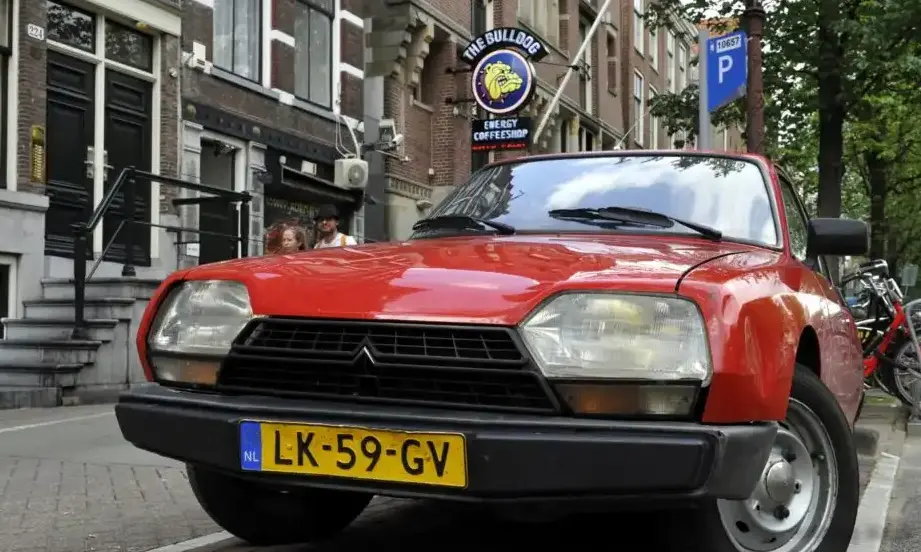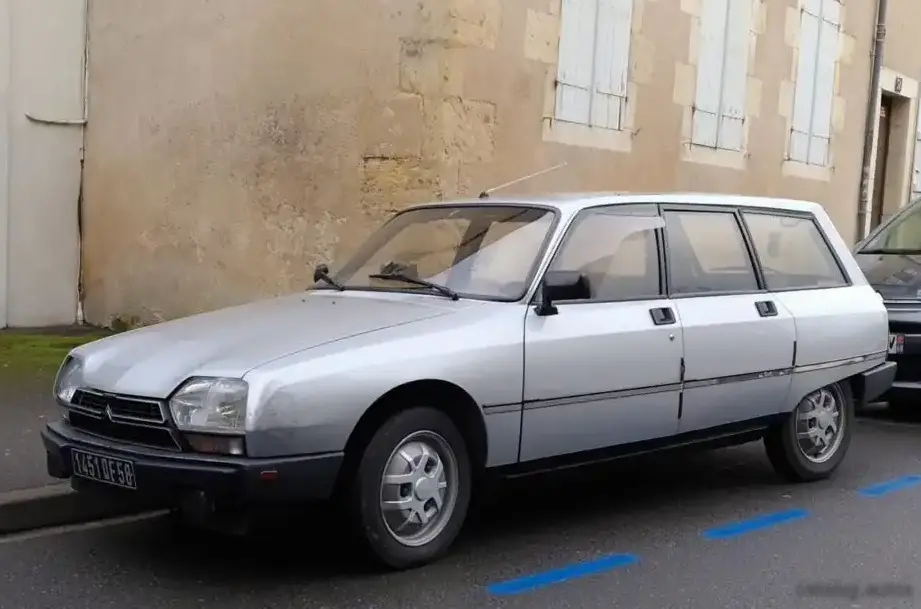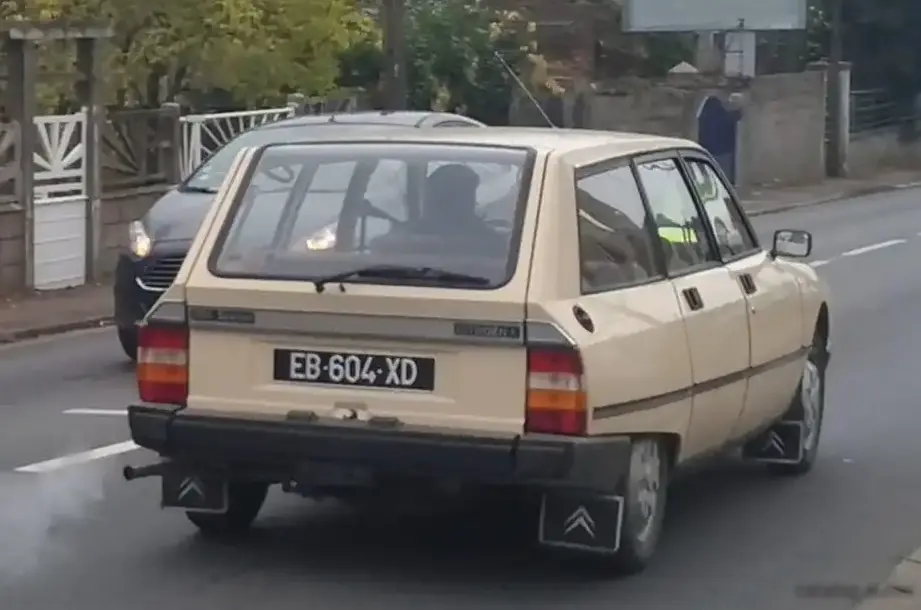
The Citroen GSA Break A Spezial, produced between 1980 and 1982, represents an entry-level variant of the GSA (Grand Space Adventure) estate car. Positioned as the most economical option in the GSA lineup, it catered to buyers seeking the practicality of a spacious wagon with lower running costs. The GSA itself was a continuation of the Citroen GS series, benefiting from updates and refinements while retaining the innovative hydropneumatic suspension system that defined Citroen vehicles of the era. The “Break” designation signified the estate body style, and the “A Spezial” denoted the specific engine and trim level, making it a relatively uncommon sight even within the GSA range.
Technical Specifications
| Brand | Citroen |
| Model | GS |
| Generation | GSA Break |
| Type (Engine) | A Spezial (56 Hp) |
| Start of production | 1980 year |
| End of production | 1982 year |
| Powertrain Architecture | Internal Combustion engine |
| Body type | Station wagon (estate) |
| Seats | 5 |
| Doors | 5 |
| Fuel Type | Petrol (Gasoline) |
| Weight-to-power ratio | 16.4 kg/Hp, 60.9 Hp/tonne |
| Weight-to-torque ratio | 11.9 kg/Nm, 83.7 Nm/tonne |
| Power | 56 Hp @ 5750 rpm |
| Power per litre | 49.6 Hp/l |
| Torque | 77 Nm @ 3500 rpm, 56.79 lb.-ft. @ 3500 rpm |
| Maximum engine speed | 6500 rpm |
| Engine Model/Code | G11/631 |
| Engine displacement | 1130 cm3, 68.96 cu. in. |
| Number of cylinders | 4 |
| Engine configuration | Boxer |
| Cylinder Bore | 74 mm, 2.91 in. |
| Piston Stroke | 65.6 mm, 2.58 in. |
| Compression ratio | 9:1 |
| Fuel injection system | Carburettor |
| Engine aspiration | Naturally aspirated engine |
| Engine oil capacity | 3.5 l, 3.7 US qt | 3.08 UK qt |
| Kerb Weight | 920 kg, 2028.25 lbs |
| Max. weight | 1355 kg, 2987.26 lbs |
| Max load | 435 kg, 959.01 lbs |
| Trunk (boot) space – minimum | 435 l, 15.36 cu. ft. |
| Trunk (boot) space – maximum | 1504 l, 53.11 cu. ft. |
| Fuel tank capacity | 43 l, 11.36 US gal | 9.46 UK gal |
| Permitted trailer load with brakes (12%) | 800 kg, 1763.7 lbs |
| Length | 4143 mm, 163.11 in. |
| Width | 1626 mm, 64.02 in. |
| Height | 1349 mm, 53.11 in. |
| Wheelbase | 2550 mm, 100.39 in. |
| Front track | 1378 mm, 54.25 in. |
| Rear (Back) track | 1328 mm, 52.28 in. |
| Front overhang | 845 mm, 33.27 in. |
| Rear overhang | 748 mm, 29.45 in. |
| Ride height (ground clearance) | 154 mm, 6.06 in. |
| Minimum turning circle (turning diameter) | 10.4 m, 34.12 ft. |
| Drivetrain Architecture | The Internal combustion engine (ICE) drives the front wheels of the vehicle. |
| Drive wheel | Front wheel drive |
| Number of gears and type of gearbox | 4 gears, manual transmission |
| Front suspension | Hydro-pneumatic element, Double wishbone |
| Rear suspension | Hydro-pneumatic element, Trailing arm |
| Front brakes | Disc |
| Rear brakes | Disc |
| Steering type | Steering rack and pinion |
| Wheel rims size | 4.5J x 15 |
Powertrain & Engine Architecture
The GSA Break A Spezial was powered by the Citroen G11/631 engine, a 1.1-liter (1130 cc) inline-four cylinder boxer engine. This engine was known for its compact size and relatively smooth operation, although it was not a powerhouse. The boxer configuration, with horizontally opposed cylinders, contributed to a lower center of gravity, aiding in handling. The engine utilized a single Solex carburetor for fuel delivery, a common setup for European cars of the period aiming for affordability. The valve train employed a single overhead camshaft (SOHC) design. The engine was mated to a four-speed manual transmission, delivering power to the front wheels. This combination prioritized fuel economy over outright performance.
Driving Characteristics
With only 56 horsepower, the GSA Break A Spezial was not a particularly quick vehicle. Acceleration was modest, and overtaking required careful planning. However, the hydropneumatic suspension provided a remarkably comfortable ride, absorbing bumps and imperfections in the road with ease. This was a defining characteristic of Citroen vehicles and a major selling point for the GSA. The four-speed manual transmission offered reasonable control, but the engine’s narrow power band meant frequent gear changes were necessary to maintain momentum, especially when loaded. Compared to the more powerful GSA variants, such as those equipped with the 1.6-liter or 2.0-liter engines, the A Spezial felt significantly underpowered. The manual gearbox, while efficient, lacked the convenience of the automatic options available on higher-spec models.
Equipment & Trim Levels
The A Spezial trim level represented the base model of the GSA Break. Standard equipment was relatively sparse, focusing on essential features. The interior typically featured cloth upholstery, a basic dashboard layout, and minimal brightwork. Power steering was not standard, requiring more effort at low speeds. Optional extras included a sunroof, upgraded upholstery, and a more sophisticated radio. The emphasis was on providing a functional and affordable family vehicle. The interior was designed for practicality, with a focus on maximizing space within the estate body style.
Chassis & Braking
The GSA Break utilized Citroen’s renowned hydropneumatic suspension system, providing a self-leveling ride and exceptional comfort. The front suspension employed a double wishbone configuration, while the rear utilized a trailing arm setup. Braking was provided by disc brakes on all four wheels, a relatively advanced feature for a car in this price range during the early 1980s. The steering was a rack and pinion system, offering precise control. The car’s relatively light weight (920 kg / 2028 lbs) helped to offset the engine’s limited power, contributing to reasonable handling characteristics.
Market Reception & Comparison
The GSA Break A Spezial was generally well-received as an affordable and practical family car. Critics praised the comfortable ride provided by the hydropneumatic suspension, but noted the engine’s lack of power. Compared to other estate cars of the time, such as the Ford Sierra Estate or the Vauxhall Cavalier Estate, the GSA offered a unique driving experience thanks to its suspension. However, its unconventional design and reliance on a complex hydropneumatic system sometimes deterred buyers concerned about maintenance costs. Fuel economy was reasonable for the period, but not exceptional. The A Spezial was positioned as a direct competitor to the lower-spec estate models from other European manufacturers.
Legacy
The Citroen GSA Break A Spezial, while not a performance icon, holds a special place in automotive history as a representative of Citroen’s innovative engineering. The hydropneumatic suspension system remains a defining feature of the car and is highly regarded by enthusiasts. The G11/631 engine, while simple, proved to be relatively reliable if properly maintained. Today, the GSA Break A Spezial is a relatively rare sight on the road, and well-maintained examples are sought after by collectors and Citroen enthusiasts. Parts availability can be a challenge, but a dedicated community of owners and specialists exists to support the preservation of these classic vehicles. The car’s enduring appeal lies in its unique blend of comfort, practicality, and distinctive styling.