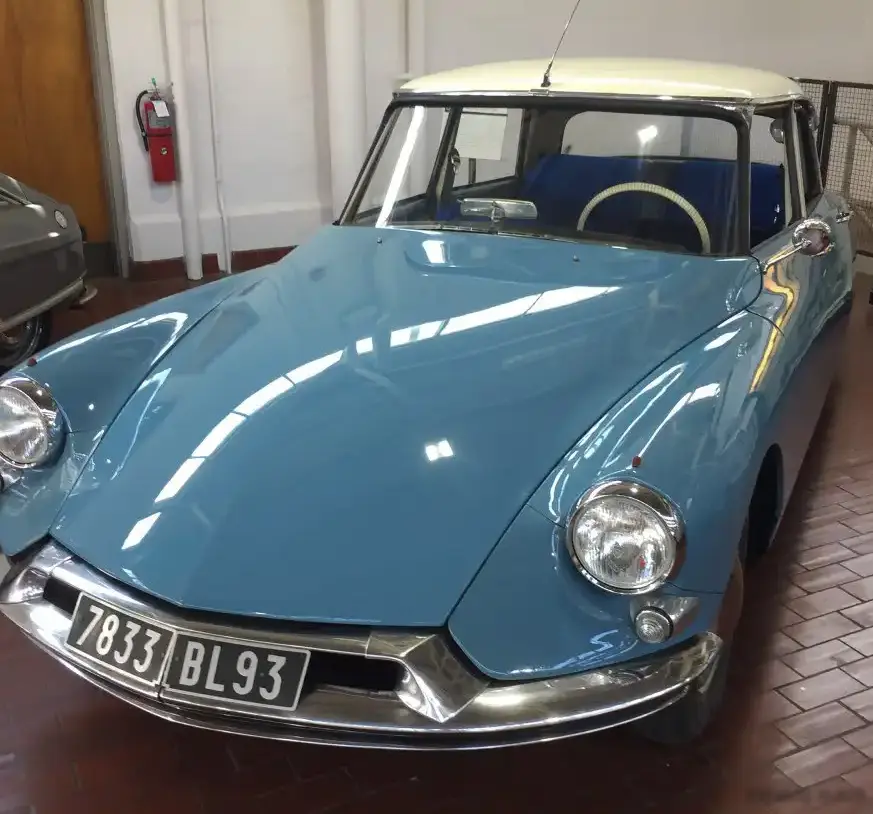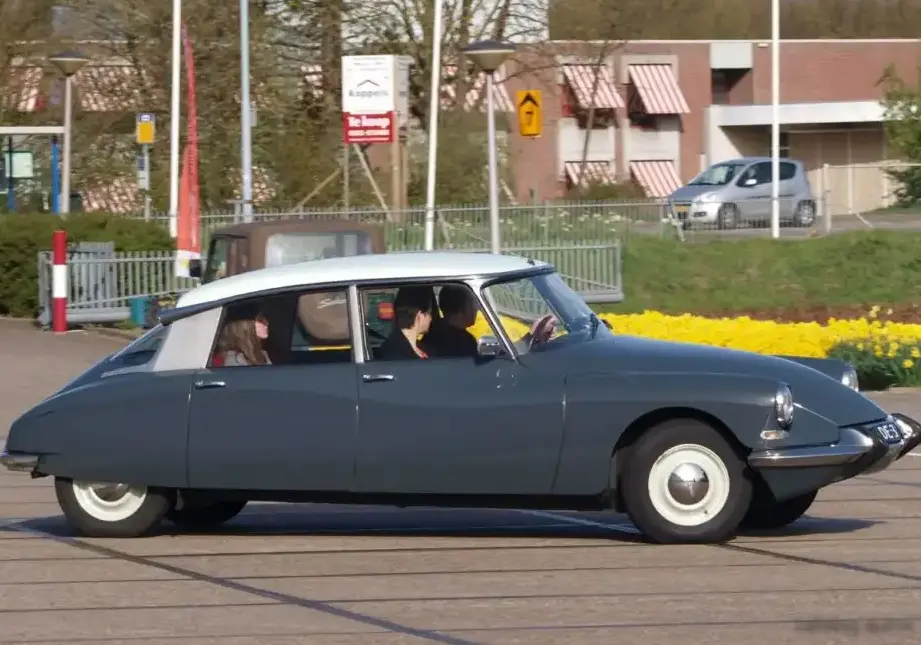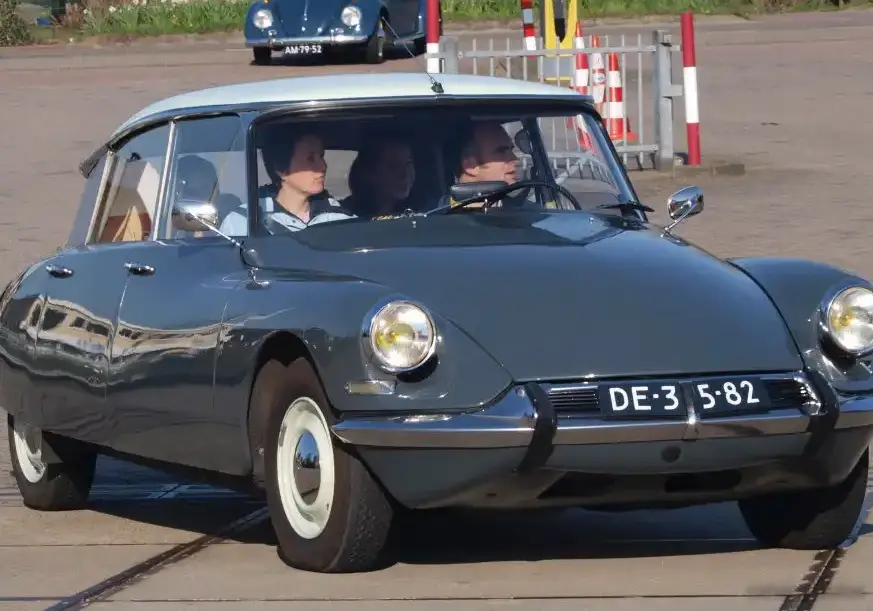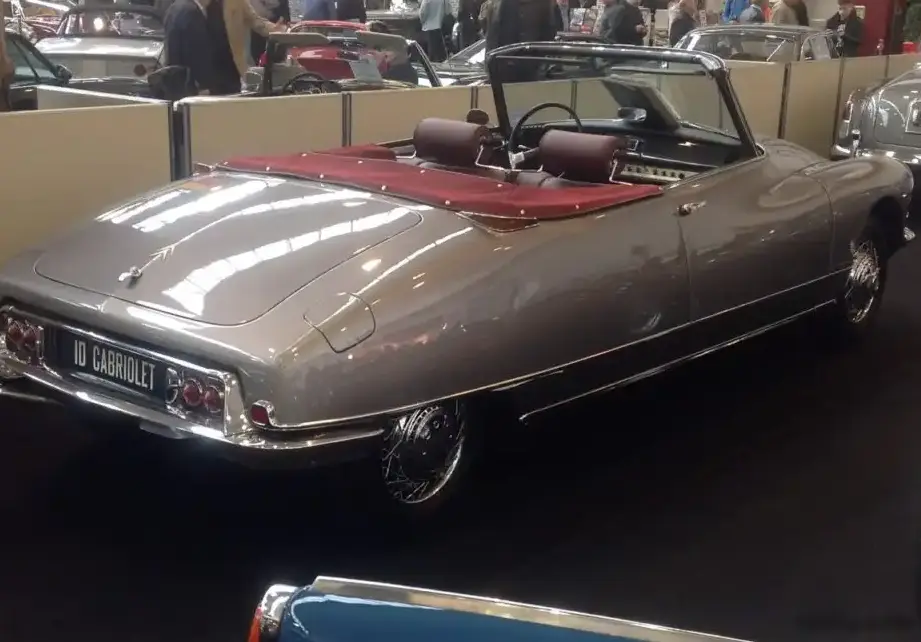
The Citroën ID Cabriolet 19 P (70 hp) was a short-lived but significant variant of the iconic ID series, produced between 1964 and 1965. Positioned as an entry-level offering within the ID Cabriolet range, it provided a more accessible price point for those desiring the open-air experience of Citroën’s advanced engineering. This model occupied a unique space, offering the distinctive styling and hydropneumatic suspension of the larger ID models, but with a smaller, less powerful engine. It was part of the broader ID family, which represented Citroën’s mainstream offerings during a period of considerable innovation for the French automaker.
Technical Specifications
| Brand | Citroen |
| Model | ID |
| Generation | ID Cabriolet |
| Type (Engine) | 19 P (70 Hp) |
| Start of production | 1964 |
| End of production | 1965 |
| Powertrain Architecture | Internal Combustion engine |
| Body type | Cabriolet |
| Seats | 4 |
| Doors | 2 |
| Fuel Type | Petrol (Gasoline) |
| Weight-to-power ratio | 18.1 kg/Hp, 55.3 Hp/tonne |
| Weight-to-torque ratio | 9.7 kg/Nm, 103.6 Nm/tonne |
| Power | 70 Hp @ 4500 rpm |
| Power per litre | 36.6 Hp/l |
| Torque | 131 Nm @ 3000 rpm (96.62 lb.-ft. @ 3000 rpm) |
| Engine layout | Front, Longitudinal |
| Engine displacement | 1911 cm3 (116.62 cu. in.) |
| Number of cylinders | 4 |
| Engine configuration | Inline |
| Cylinder Bore | 78 mm (3.07 in.) |
| Piston Stroke | 100 mm (3.94 in.) |
| Compression ratio | 7.5:1 |
| Number of valves per cylinder | 2 |
| Fuel injection system | Carburettor |
| Engine aspiration | Naturally aspirated engine |
| Engine oil capacity | 4 l (4.23 US qt | 3.52 UK qt) |
| Coolant | 11 l (11.62 US qt | 9.68 UK qt) |
| Kerb Weight | 1265 kg (2788.85 lbs.) |
| Max. weight | 1720 kg (3791.95 lbs.) |
| Max load | 455 kg (1003.1 lbs.) |
| Fuel tank capacity | 65 l (17.17 US gal | 14.3 UK gal) |
| Length | 4820 mm (189.76 in.) |
| Width | 1790 mm (70.47 in.) |
| Height | 1450 mm (57.09 in.) |
| Wheelbase | 3125 mm (123.03 in.) |
| Front track | 1500 mm (59.06 in.) |
| Rear (Back) track | 1300 mm (51.18 in.) |
| Minimum turning circle | 11 m (36.09 ft.) |
| Drivetrain Architecture | The Internal combustion engine (ICE) drives the front wheels of the vehicle. |
| Drive wheel | Front wheel drive |
| Number of gears and type of gearbox | 4 gears, manual transmission |
| Front suspension | Hydraulic elements |
| Rear suspension | Hydraulic elements |
| Front brakes | Disc |
| Rear brakes | Drum |
| Steering type | Steering rack and pinion |
| Power steering | Hydraulic Steering |
Powertrain & Engine Architecture
The heart of the ID Cabriolet 19 P was the 1911cc inline-four cylinder engine, designated as the ‘19 P’ internally. This engine produced 70 horsepower at 4500 rpm and 131 Nm (96.62 lb-ft) of torque at 3000 rpm. It featured a relatively modest 7.5:1 compression ratio and utilized a single carburetor for fuel delivery. The engine was longitudinally mounted at the front of the vehicle. The valvetrain employed two valves per cylinder, a common configuration for the era. The engine’s design prioritized smooth operation and reasonable fuel economy over outright performance. The four-speed manual transmission was the only gearbox option available for this variant, providing a direct connection between the engine and the front wheels.
Driving Characteristics
The 19 P engine, coupled with the ID Cabriolet’s weight of approximately 1265 kg (2788.85 lbs), resulted in a driving experience focused on comfortable cruising rather than spirited acceleration. While adequate for everyday driving, the 70 hp output meant that overtaking maneuvers required careful planning. Compared to the more powerful ID 20 or ID 21 variants, the 19 P felt noticeably slower. The four-speed manual transmission offered a reasonable spread of gears, but the relatively low horsepower meant that the engine needed to be revved to extract the most performance. The Citroën’s legendary hydropneumatic suspension, however, provided an exceptionally smooth and comfortable ride, mitigating some of the performance shortcomings. The front-wheel drive configuration contributed to good traction in most conditions.
Equipment & Trim Levels
The ID Cabriolet 19 P was generally equipped with a fairly basic level of trim, reflecting its position as the entry-level model. Standard features included cloth upholstery, a simple dashboard layout, and basic instrumentation. Chrome trim was used sparingly, and the exterior paint options were typically limited to more conservative colors. Optional extras included upgraded upholstery materials, a radio, and whitewall tires. The interior was designed for practicality and durability, rather than luxury. The convertible top was manually operated, adding to the driver involvement.
Chassis & Braking
The ID Cabriolet utilized Citroën’s innovative hydropneumatic suspension system, providing a self-leveling ride and exceptional comfort. The front suspension employed hydraulic elements, while the rear suspension also featured hydraulic components. Braking duties were handled by disc brakes at the front and drum brakes at the rear. The steering system was a rack and pinion setup with hydraulic power assistance, making it relatively easy to maneuver, even at low speeds. The chassis was designed to provide a stable and comfortable platform for the convertible body style.
Market Reception & Comparison
The ID Cabriolet 19 P was generally well-received as an affordable entry point into the world of Citroën convertibles. Critics acknowledged its comfortable ride and innovative suspension, but noted its modest performance. Compared to the more powerful ID 20 and ID 21 Cabriolets, the 19 P offered a lower price but sacrificed significant performance. Fuel economy was reasonable for the time, and the engine proved to be relatively reliable. The 19 P appealed to buyers who prioritized comfort and style over outright speed.
Legacy
The Citroën ID Cabriolet 19 P, despite its short production run, remains a desirable classic car today. The 19 P engine, while not known for its high output, proved to be durable and relatively easy to maintain. Parts availability can be a challenge, but a dedicated community of Citroën enthusiasts helps to keep these cars on the road. The hydropneumatic suspension requires regular maintenance, but when properly cared for, it continues to provide an unparalleled ride quality. The ID Cabriolet 19 P represents a unique chapter in Citroën’s history, offering a blend of innovative engineering and accessible pricing.