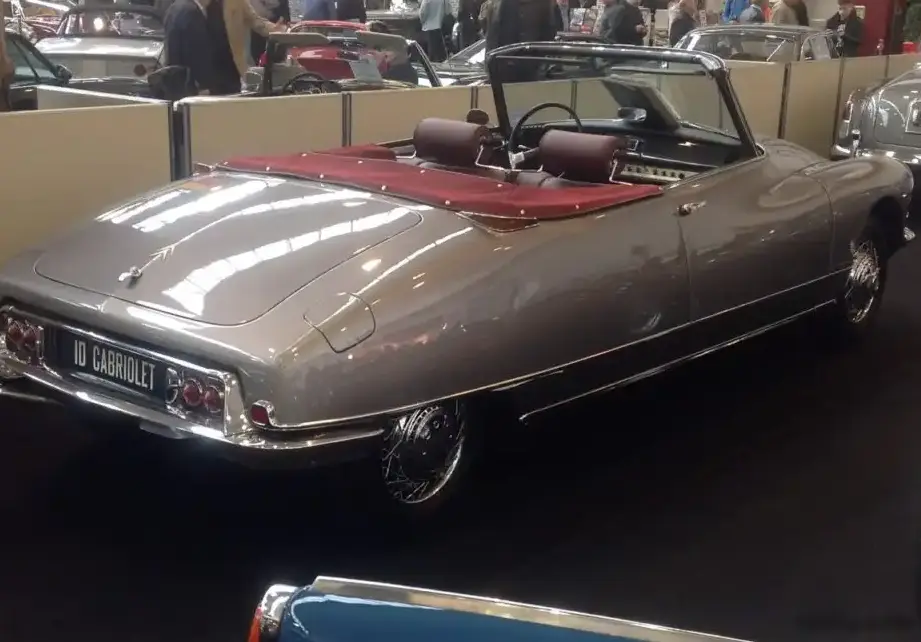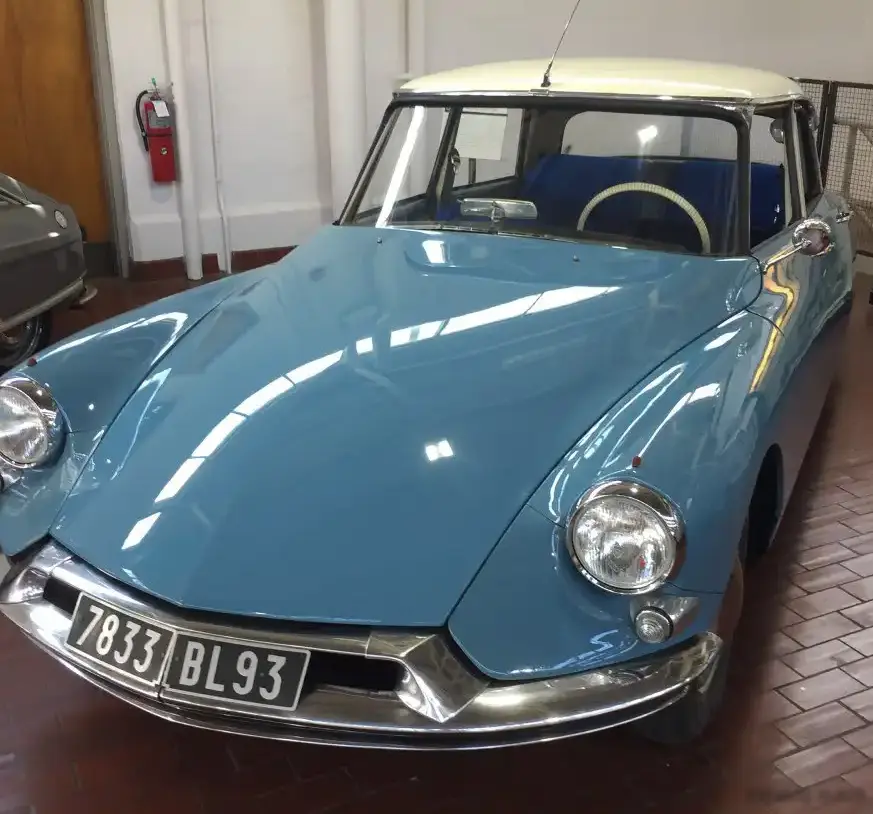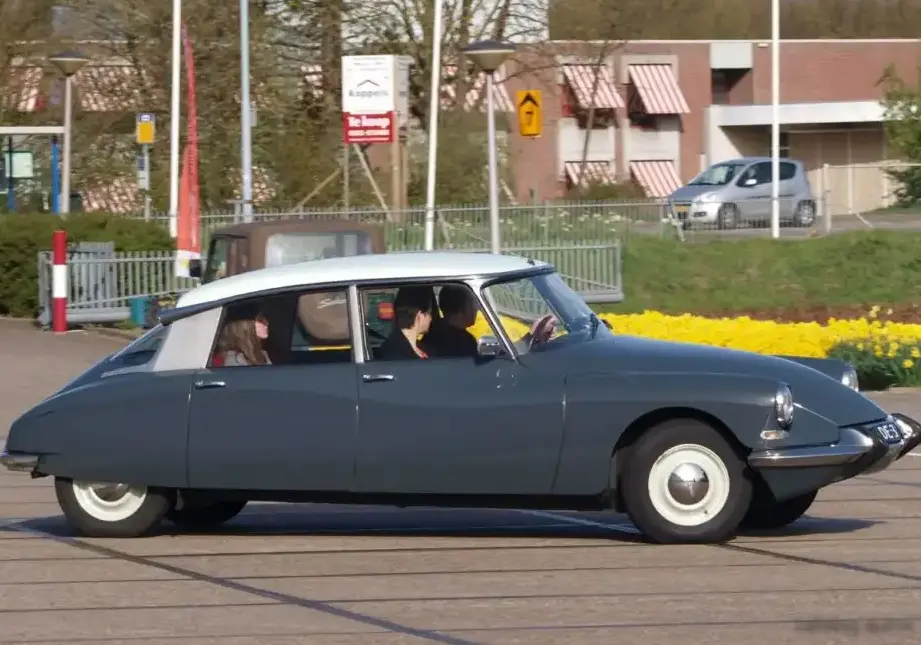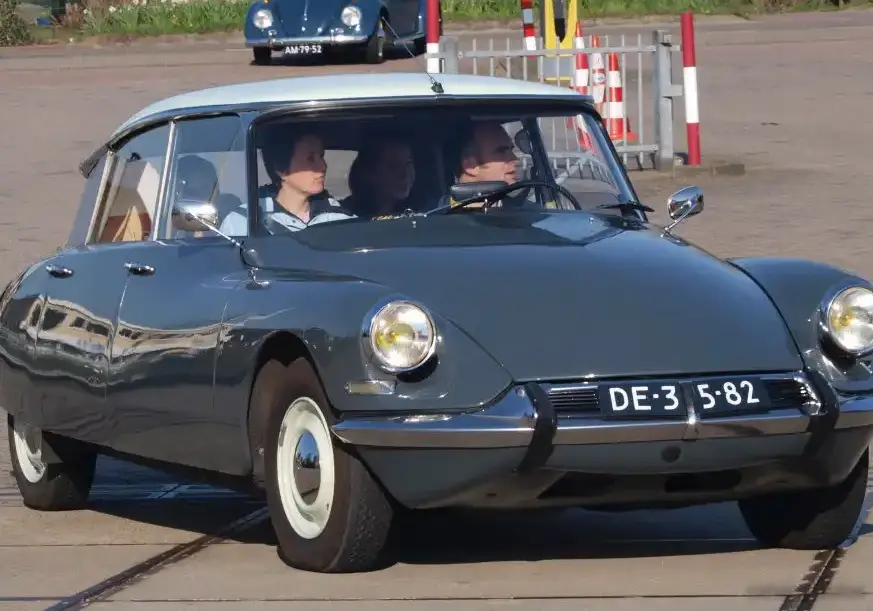
The Citroën ID II 19 Super was a variant of the ID II model produced between 1966 and 1967. Positioned as a mid-range offering within the broader ID II lineup, it represented a step up from the base models, offering increased power and a more refined driving experience. The ID II itself was a significant evolution of the earlier Citroën DS, retaining the innovative hydropneumatic suspension but with a simplified design and more conventional mechanicals aimed at a broader market. This particular 19 Super version, with its 1.985-liter engine producing 84 horsepower, aimed to balance performance with affordability and practicality for European drivers.
Technical Specifications
| Brand | Citroën |
| Model | ID II |
| Generation | ID II |
| Type (Engine) | 19 Super (84 Hp) |
| Start of production | 1966 |
| End of production | 1967 |
| Powertrain Architecture | Internal Combustion engine |
| Body type | Sedan |
| Seats | 5 |
| Doors | 4 |
| Fuel Type | Petrol (Gasoline) |
| Maximum speed | 165 km/h (102.53 mph) |
| Weight-to-power ratio | 15 kg/Hp, 66.7 Hp/tonne |
| Power | 84 Hp @ 5500 rpm |
| Power per litre | 42.3 Hp/l |
| Engine Model/Code | B20700 |
| Engine displacement | 1985 cm3 (121.13 cu. in.) |
| Number of cylinders | 4 |
| Cylinder Bore | 86 mm (3.39 in.) |
| Piston Stroke | 85.5 mm (3.37 in.) |
| Engine aspiration | Naturally aspirated engine |
| Engine oil capacity | 4 l (4.23 US qt | 3.52 UK qt) |
| Coolant | 11 l (11.62 US qt | 9.68 UK qt) |
| Kerb Weight | 1260 kg (2777.82 lbs.) |
| Max. weight | 1610 kg (3549.44 lbs.) |
| Max load | 350 kg (771.62 lbs.) |
| Length | 4874 mm (191.89 in.) |
| Width | 1803 mm (70.98 in.) |
| Height | 1470 mm (57.87 in.) |
| Wheelbase | 3125 mm (123.03 in.) |
| Front track | 1500 mm (59.06 in.) |
| Rear (Back) track | 1300 mm (51.18 in.) |
| Front overhang | 1016 mm (40 in.) |
| Rear overhang | 733 mm (28.86 in.) |
| Minimum turning circle (turning diameter) | 11 m (36.09 ft.) |
| Drivetrain Architecture | The Internal combustion engine (ICE) drives the front wheels of the vehicle. |
| Drive wheel | Front wheel drive |
| Number of gears and type of gearbox | 4 gears, manual transmission |
| Front suspension | Hydro-pneumatic element, Double wishbone |
| Rear suspension | Hydro-pneumatic element, Trailing arm |
| Front brakes | Disc |
| Rear brakes | Disc |
| Steering type | Steering rack and pinion |
Powertrain & Engine Architecture
The heart of the ID II 19 Super was the B20700 engine, a 1.985-liter (121.13 cubic inches) inline-four cylinder petrol engine. This engine featured a naturally aspirated configuration, meaning it did not employ forced induction like a turbocharger or supercharger. It utilized a single overhead camshaft (SOHC) valvetrain, controlling two valves per cylinder. Fuel delivery was managed by a Solex carburetor, a common setup for the era. The engine produced 84 horsepower at 5500 rpm, and a torque output suitable for comfortable cruising. The engine’s design prioritized smoothness and reliability over outright performance. The ID II 19 Super was equipped with a four-speed manual transmission, delivering power to the front wheels. This front-wheel-drive layout was a hallmark of Citroën engineering, contributing to the car’s distinctive handling characteristics.
Driving Characteristics
The driving experience in the ID II 19 Super was defined by its hydropneumatic suspension. This system, a Citroën innovation, provided an exceptionally smooth and comfortable ride, absorbing bumps and imperfections in the road with remarkable effectiveness. The 84-horsepower engine, coupled with the four-speed manual transmission, offered adequate performance for everyday driving. Acceleration was not particularly brisk, but the engine provided sufficient power for highway cruising and overtaking. Compared to the more powerful DS models, the ID II 19 Super felt less urgent in its acceleration. However, it offered a more relaxed and fuel-efficient driving experience. The front-wheel-drive configuration contributed to predictable handling, although it lacked the dynamic sharpness of some rear-wheel-drive competitors. The gear ratios were tuned for comfortable cruising rather than sporty acceleration, with a focus on maximizing fuel efficiency at typical highway speeds.
Equipment & Trim Levels
The ID II 19 Super was positioned as a well-equipped vehicle for its time. Standard features included comfortable seating for five passengers, a spacious interior, and a comprehensive instrument panel. Interior upholstery typically consisted of cloth or vinyl, with options for higher-quality materials available. The dashboard layout was functional and ergonomic, providing clear visibility of essential information. Optional extras included a sunroof, upgraded audio systems, and power-assisted steering. The 19 Super trim level generally included more refined interior appointments and exterior trim details compared to the base ID II models. These details often included upgraded door panels, more comfortable seating, and additional chrome trim on the exterior.
Chassis & Braking
The ID II 19 Super featured a robust chassis designed to support the innovative hydropneumatic suspension system. The front suspension utilized a double wishbone configuration, while the rear suspension employed a trailing arm design. Both systems were integrated with the hydropneumatic spheres, providing self-leveling and adjustable ride height. Braking duties were handled by disc brakes on all four wheels, offering reliable stopping power. The steering system was a rack and pinion setup, providing precise and responsive steering control. The car’s relatively light weight (1260 kg or 2777.82 lbs) contributed to its nimble handling characteristics. The rear suspension design, while providing a comfortable ride, was known to require periodic maintenance to ensure optimal performance.
Market Reception & Comparison
The Citroën ID II 19 Super was generally well-received by automotive critics and buyers alike. It was praised for its comfortable ride, spacious interior, and innovative technology. However, some critics noted that its performance was not as exhilarating as some of its competitors. Compared to other models in the ID II lineup, the 19 Super offered a compelling balance of performance and affordability. It was a popular choice for families and drivers who prioritized comfort and practicality. Fuel economy was reasonable for the era, and the car proved to be relatively reliable, although maintenance of the hydropneumatic suspension system required specialized knowledge. Compared to the more basic ID II models, the 19 Super offered a noticeable step up in refinement and driving pleasure, justifying its higher price point.
Legacy
The Citroën ID II 19 Super represents a significant chapter in Citroën’s history. It showcased the company’s commitment to innovation and its ability to produce comfortable and reliable vehicles. While the hydropneumatic suspension system required specialized maintenance, it provided a unique and highly regarded driving experience. Today, the ID II 19 Super is a sought-after classic car, appreciated by enthusiasts for its distinctive styling, innovative technology, and comfortable ride. Well-maintained examples command a premium in the used car market. The powertrain, while not particularly powerful by modern standards, proved to be durable and long-lasting, making it a reliable choice for classic car ownership. The ID II 19 Super remains a testament to Citroën’s engineering prowess and its enduring legacy of automotive innovation. Its influence can still be seen in modern Citroën vehicles, which continue to prioritize comfort and innovative suspension technology.