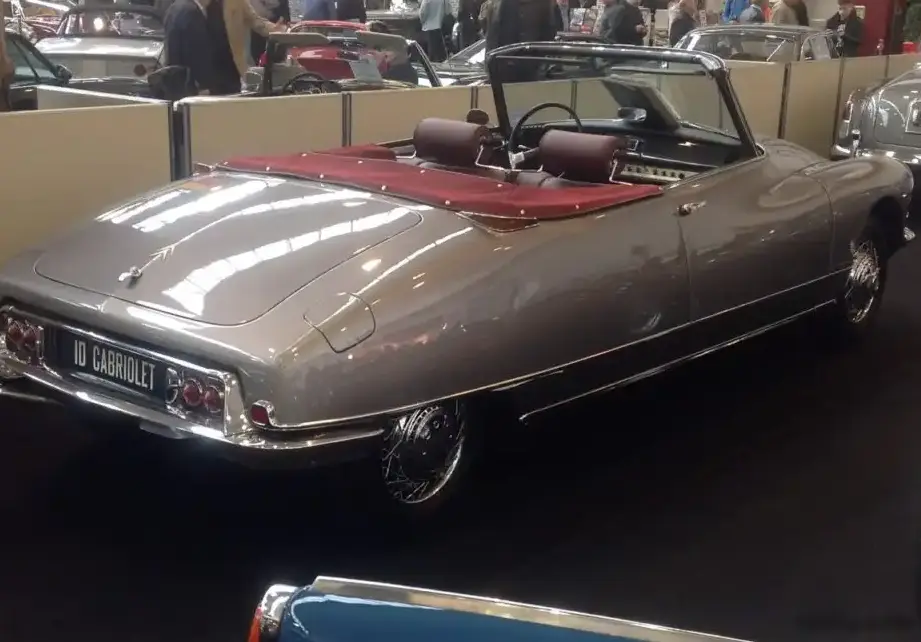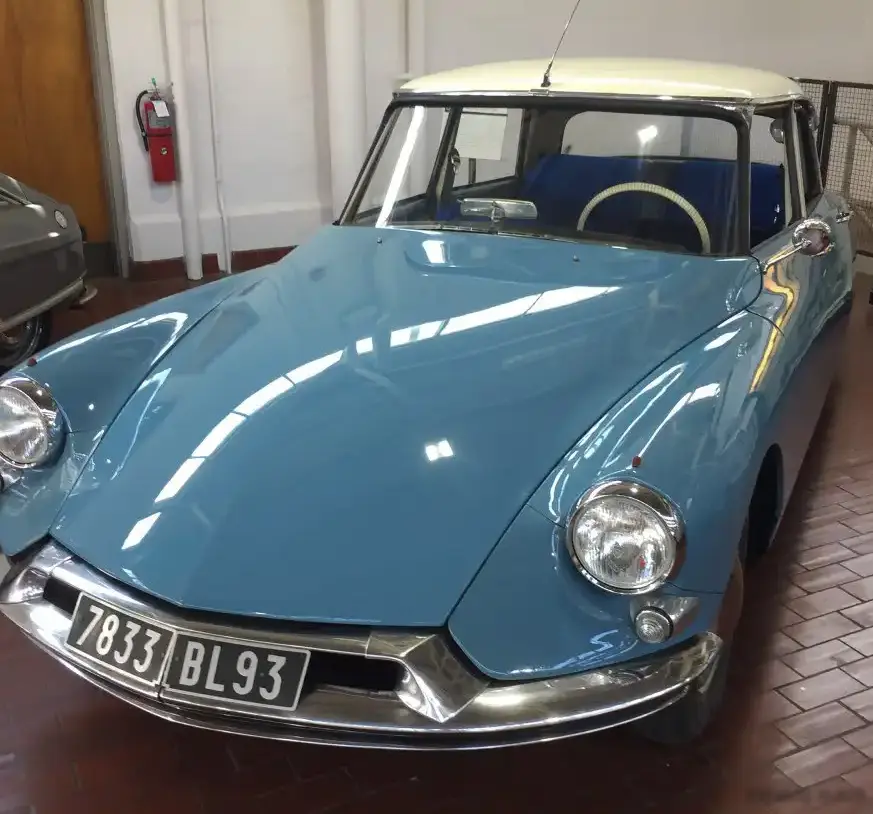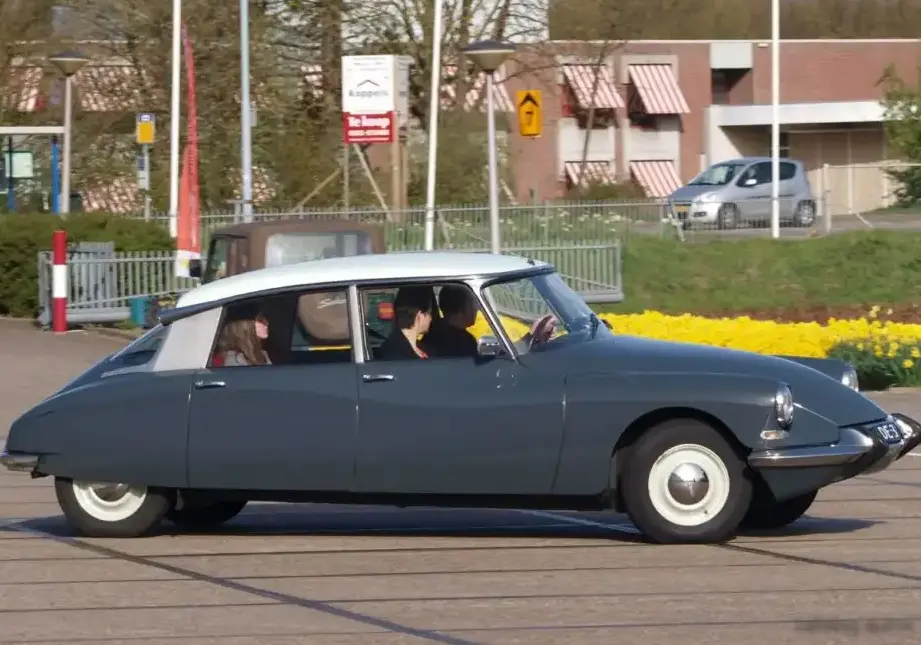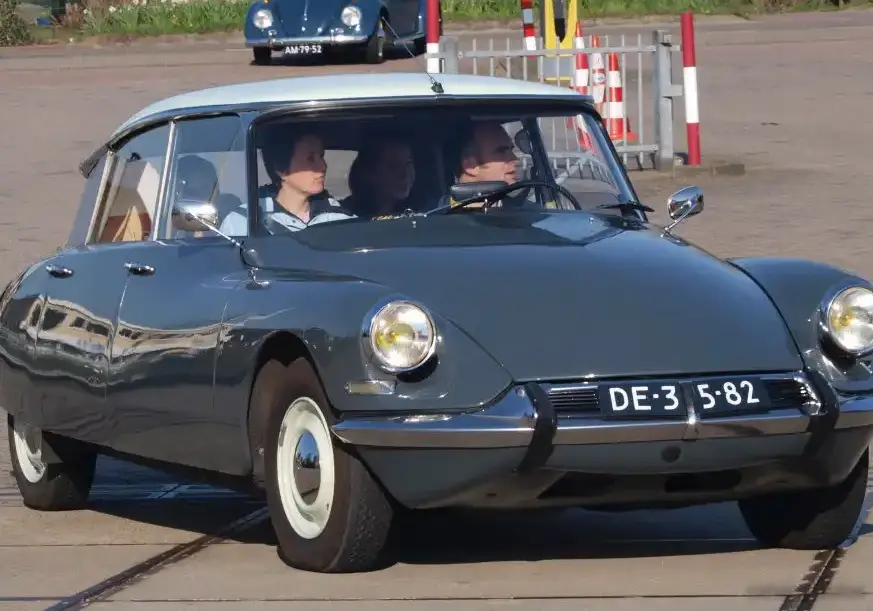
The Citroën ID II 20, produced between 1967 and 1968, represents a significant iteration within the broader Citroën ID series. Positioned as a mid-range offering, the ID II 20 aimed to provide a balance of comfort, performance, and affordability within the larger Citroën lineup, which included more luxurious DS models and more basic ID variants. It was built upon the foundation of the earlier ID series, inheriting its innovative hydropneumatic suspension but offering a more accessible price point. The “II” designation indicated a refinement over the original ID models, with subtle styling updates and improvements to interior appointments. This model played a crucial role in solidifying Citroën’s reputation for advanced engineering and distinctive design in the European market.
Technical Specifications
| Brand | Citroen |
| Model | ID |
| Generation | ID II |
| Type (Engine) | 20 (103 Hp) |
| Start of production | 1967 |
| End of production | 1968 |
| Powertrain Architecture | Internal Combustion engine |
| Body type | Sedan |
| Seats | 5 |
| Doors | 4 |
| Fuel Type | Petrol (Gasoline) |
| Maximum speed | 166 km/h (103.15 mph) |
| Weight-to-power ratio | 12.4 kg/Hp, 80.5 Hp/tonne |
| Power | 103 Hp @ 5900 rpm |
| Power per litre | 51.9 Hp/l |
| Engine Model/Code | B20704 |
| Engine displacement | 1985 cm3 (121.13 cu. in.) |
| Number of cylinders | 4 |
| Engine configuration | Inline |
| Cylinder Bore | 86 mm (3.39 in.) |
| Piston Stroke | 85.5 mm (3.37 in.) |
| Fuel injection system | Carburettor |
| Engine aspiration | Naturally aspirated engine |
| Engine oil capacity | 4 l (4.23 US qt | 3.52 UK qt) |
| Coolant | 11 l (11.62 US qt | 9.68 UK qt) |
| Kerb Weight | 1280 kg (2821.92 lbs.) |
| Max. weight | 1630 kg (3593.53 lbs.) |
| Max load | 350 kg (771.62 lbs.) |
| Length | 4874 mm (191.89 in.) |
| Width | 1803 mm (70.98 in.) |
| Height | 1470 mm (57.87 in.) |
| Wheelbase | 3125 mm (123.03 in.) |
| Front track | 1500 mm (59.06 in.) |
| Rear (Back) track | 1300 mm (51.18 in.) |
| Front overhang | 1016 mm (40 in.) |
| Rear overhang | 733 mm (28.86 in.) |
| Drivetrain Architecture | The Internal combustion engine (ICE) drives the front wheels of the vehicle. |
| Drive wheel | Front wheel drive |
| Number of gears and type of gearbox | 4 gears, manual transmission |
| Front suspension | Hydro-pneumatic element, Double wishbone |
| Rear suspension | Hydro-pneumatic element, Trailing arm |
| Front brakes | Disc |
| Steering type | Steering rack and pinion |
Powertrain & Engine Architecture
The Citroën ID II 20 was powered by the B20704 inline-four cylinder engine, displacing 1985 cc (121.13 cubic inches). This engine, a staple of Citroën’s mid-size offerings, featured a cast iron block and an aluminum cylinder head. It utilized a single Solex carburetor for fuel delivery, a common setup for the era. The engine produced 103 horsepower at 5900 rpm, providing adequate power for comfortable cruising. The valvetrain consisted of a single overhead camshaft operating two valves per cylinder. The engine’s design prioritized smoothness and refinement over outright performance. The ID II 20 was equipped with a four-speed manual transmission, delivering power to the front wheels. This front-wheel-drive configuration was a hallmark of Citroën’s engineering philosophy, contributing to the car’s excellent traction and handling characteristics.
Driving Characteristics
The driving experience in the ID II 20 was defined by its exceptional ride quality, a direct result of Citroën’s innovative hydropneumatic suspension system. This system utilized pressurized fluid and nitrogen-filled spheres to provide a remarkably smooth and level ride, even over uneven road surfaces. The 103 hp engine, coupled with the four-speed manual transmission, offered sufficient power for everyday driving. Acceleration was adequate, but not particularly brisk. Compared to the more powerful DS models, the ID II 20 felt less eager to rev, with a focus on providing relaxed and comfortable transportation. The gear ratios were optimized for fuel efficiency and ease of driving, rather than outright performance. The front-wheel-drive layout contributed to predictable handling, although it lacked the dynamic sharpness of some rear-wheel-drive competitors.
Equipment & Trim Levels
The ID II 20 was positioned as a well-equipped, but not overly luxurious, vehicle. Standard features included comfortable cloth upholstery, a basic dashboard layout with analog gauges, and a steering wheel. The interior was designed with practicality and durability in mind. Optional extras included a sunroof, upgraded upholstery materials, and a radio. The ID II 20’s trim level was generally consistent, with limited options for customization. The focus was on providing a comfortable and reliable vehicle at a reasonable price point. The car’s interior was spacious for its time, offering ample room for passengers and luggage.
Chassis & Braking
The ID II 20 featured a robust chassis designed to accommodate the hydropneumatic suspension system. The front suspension utilized a double wishbone configuration with hydropneumatic elements, while the rear suspension employed a trailing arm setup, also with hydropneumatic assistance. This suspension design provided exceptional ride comfort and handling stability. The car was equipped with disc brakes on the front wheels and drum brakes on the rear wheels. The braking system was adequate for the car’s weight and performance, but lacked the stopping power of more modern braking systems. The steering was provided by a rack and pinion system, offering precise and responsive control.
Market Reception & Comparison
The Citroën ID II 20 was generally well-received by automotive critics and the public. It was praised for its comfortable ride, innovative suspension system, and spacious interior. However, some critics noted that the engine lacked the power of its DS counterparts. Compared to other mid-size sedans of the era, the ID II 20 offered a unique driving experience thanks to its hydropneumatic suspension. Fuel economy was reasonable for the time, but not exceptional. Reliability was generally good, although the hydropneumatic suspension system required periodic maintenance. The ID II 20 competed with vehicles such as the Peugeot 404 and the Renault 16, offering a distinctive alternative with its advanced suspension technology.
Legacy
The Citroën ID II 20, while not as iconic as the DS, remains a significant vehicle in Citroën’s history. Its hydropneumatic suspension system set a new standard for ride comfort and handling. The engine, while not particularly powerful, proved to be durable and reliable. Today, the ID II 20 is a sought-after classic car, appreciated by enthusiasts for its unique design and engineering. Parts availability can be a challenge, particularly for the hydropneumatic suspension system, but a dedicated community of owners and specialists exists to support the preservation of these vehicles. The ID II 20 represents a high point in Citroën’s commitment to innovation and distinctive automotive design.