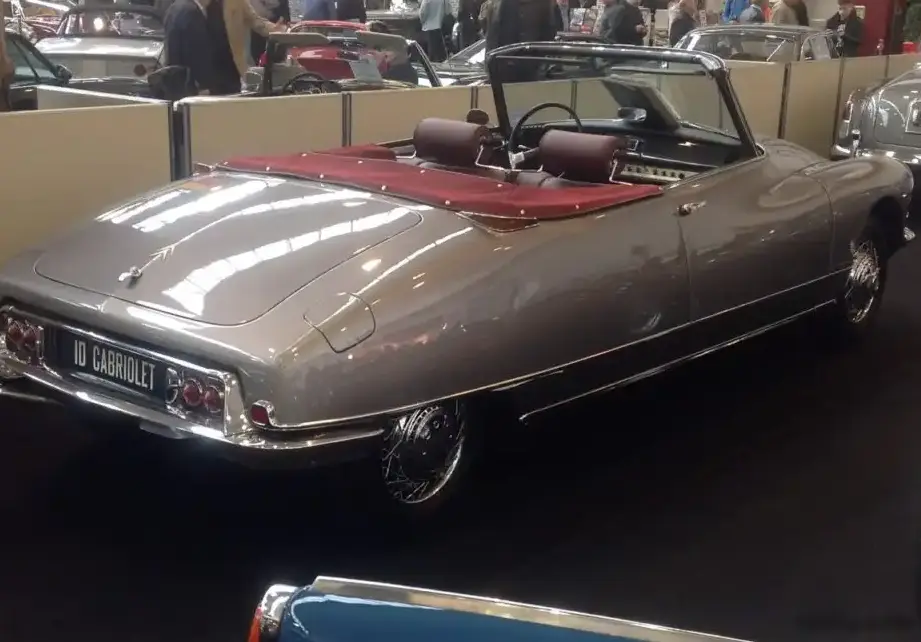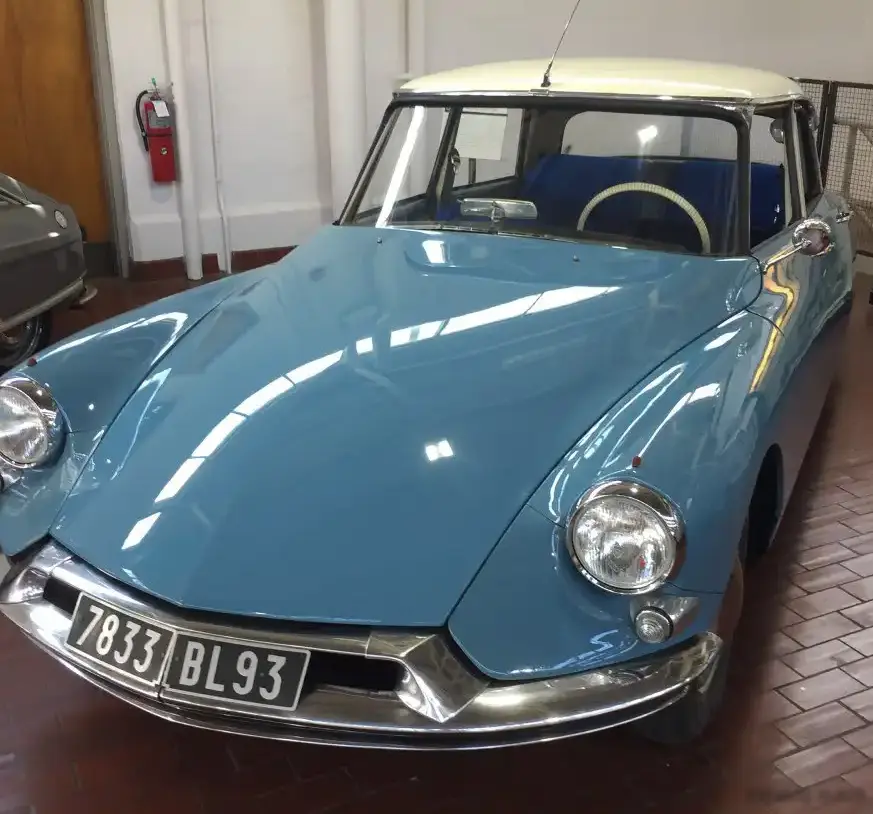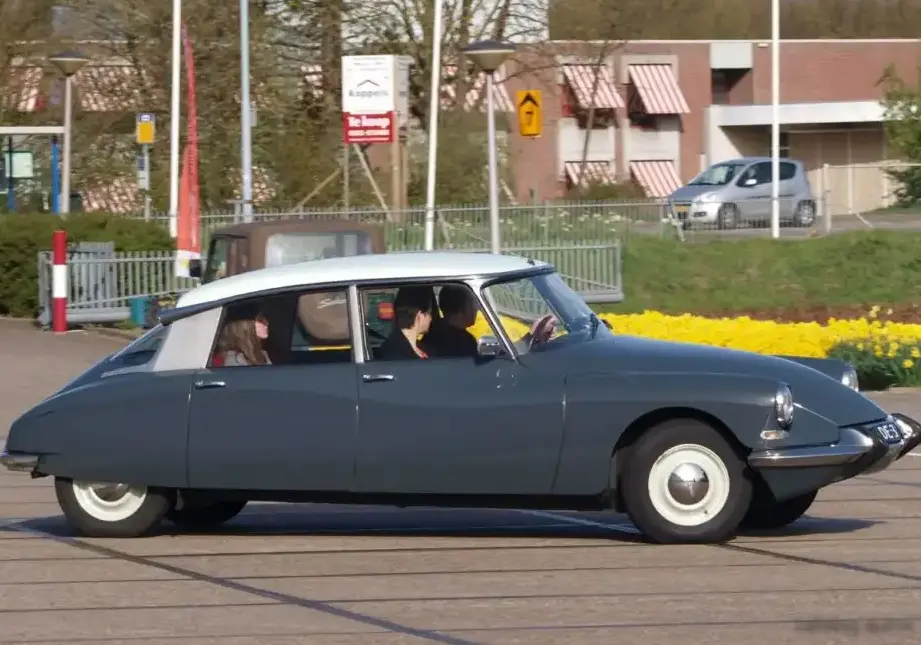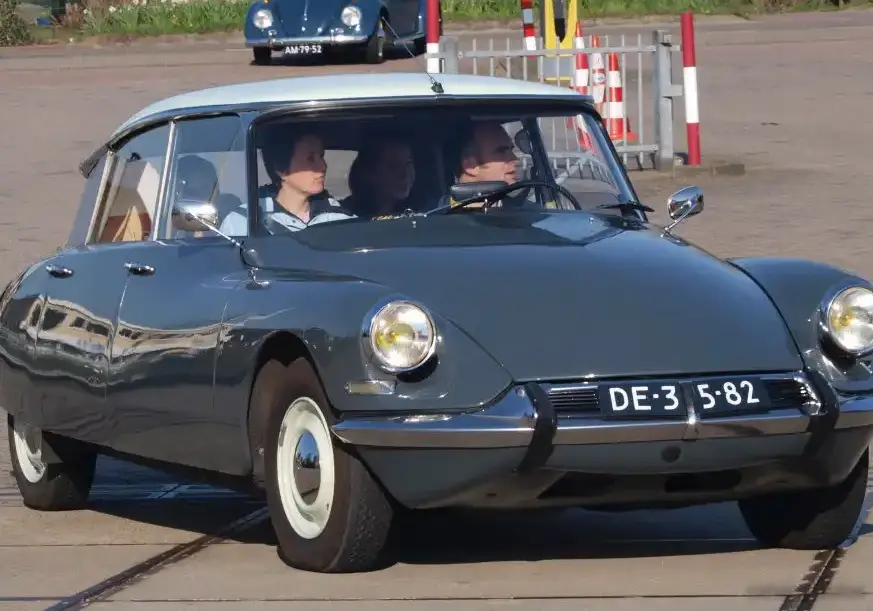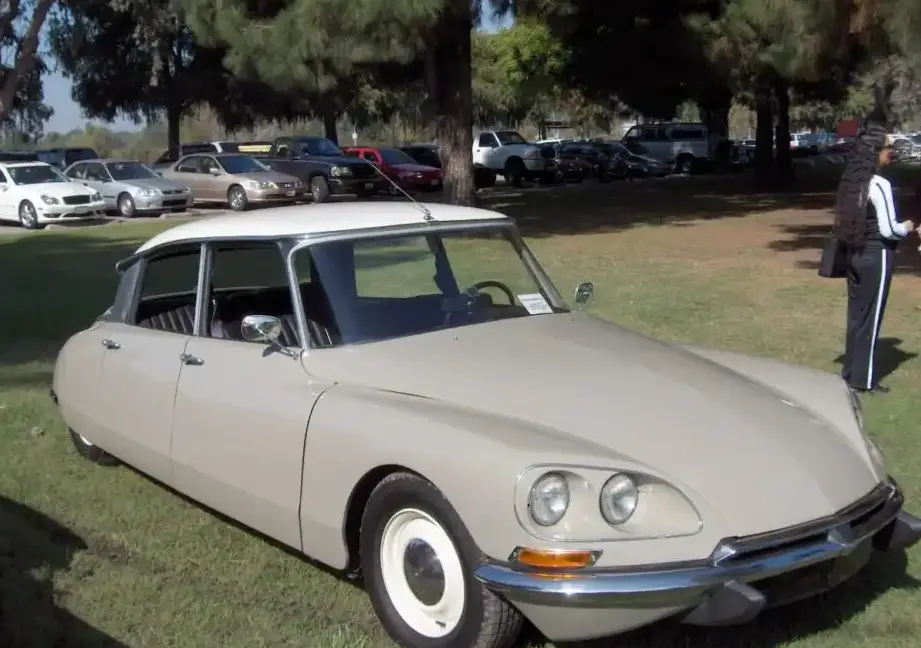
The Citroën ID III 20 F, produced between 1968 and 1970, represents a significant iteration within the larger Citroën ID series. Positioned as a mid-range offering within the ID III generation (part of the broader Citroën ID family spanning 1957-1977), the 20 F variant was characterized by its 2.0-liter inline-four engine producing 91 horsepower. This model aimed to balance performance with affordability, appealing to a broader customer base than the more luxurious DS models while offering a step up from the base ID trim levels. The ID III series, and the 20 F specifically, played a crucial role in solidifying Citroën’s reputation for innovative engineering and comfortable ride quality in the European market.
Technical Specifications
| Brand | Citroën |
| Model | ID |
| Generation | ID III |
| Type (Engine) | 20 F (91 Hp) |
| Start of production | 1968 |
| End of production | 1970 |
| Powertrain Architecture | Internal Combustion engine |
| Body type | Sedan |
| Seats | 5 |
| Doors | 4 |
| Fuel Type | Petrol (Gasoline) |
| Power | 91 Hp @ 5900 rpm |
| Power per litre | 45.8 Hp/l |
| Torque | 141 Nm @ 3500 rpm / 104 lb.-ft. @ 3500 rpm |
| Engine displacement | 1985 cm3 / 121.13 cu. in. |
| Number of cylinders | 4 |
| Engine configuration | Inline |
| Cylinder Bore | 86 mm / 3.39 in. |
| Piston Stroke | 85.5 mm / 3.37 in. |
| Fuel injection system | Carburettor |
| Engine aspiration | Naturally aspirated engine |
| Engine oil capacity | 4.5 l / 4.76 US qt | 3.96 UK qt |
| Coolant | 10.8 l / 11.41 US qt | 9.5 UK qt |
| Fuel tank capacity | 65 l / 17.17 US gal | 14.3 UK gal |
| Length | 4870 mm / 191.73 in. |
| Width | 1800 mm / 70.87 in. |
| Height | 1470 mm / 57.87 in. |
| Wheelbase | 3125 mm / 123.03 in. |
| Drivetrain Architecture | The Internal combustion engine (ICE) drives the front wheels of the vehicle. |
| Drive wheel | Front wheel drive |
| Number of gears and type of gearbox | 4 gears, manual transmission |
| Front suspension | Hydro-pneumatic element, Double wishbone |
| Rear suspension | Hydro-pneumatic element, Trailing arm |
| Front brakes | Disc |
| Rear brakes | Disc |
| Steering type | Steering rack and pinion |
Powertrain & Engine Architecture
The heart of the ID III 20 F is its 1985 cc inline-four cylinder engine. Designated as a ‘20 F’ model, the engine produced 91 horsepower at 5900 rpm and 141 Nm (104 lb-ft) of torque at 3500 rpm. This engine utilized a single overhead camshaft (SOHC) valvetrain and a carburetor fuel delivery system – a common setup for the era. The engine block was cast iron, while the cylinder head was aluminum, contributing to a reasonable weight balance. The engine’s design prioritized smooth operation and reliability over outright performance. The four-speed manual transmission was standard, providing a relatively conventional driving experience. The transmission was fully synchronized, a feature becoming increasingly common in the late 1960s.
Driving Characteristics
The ID III 20 F offered a comfortable and refined driving experience, typical of Citroën vehicles of the period. The 91 horsepower engine provided adequate, though not exhilarating, performance. Acceleration was modest, but the car was well-suited for highway cruising and everyday driving. The four-speed manual transmission allowed for reasonable control over the engine’s power band. The car’s defining characteristic, however, was its ride quality. Citroën’s innovative hydropneumatic suspension system, a hallmark of the brand, provided an exceptionally smooth and comfortable ride, absorbing bumps and imperfections in the road with ease. Steering was light and precise thanks to the rack and pinion system. Compared to the more powerful DS models, the 20 F felt less urgent in its acceleration, but the difference in price and running costs made it a more practical choice for many buyers.
Equipment & Trim Levels
The ID III 20 F was positioned as a mid-range model, offering a good balance of features and affordability. Standard equipment included comfortable cloth upholstery, a basic dashboard layout with analog gauges, and a four-spoke steering wheel. The interior was generally functional and well-built, though not as lavishly appointed as the DS models. Optional extras included a sunroof, upgraded upholstery materials, and a radio. The exterior styling was relatively understated, with chrome trim accents and a clean, aerodynamic profile. The ID III 20 F typically featured steel wheels with hubcaps, although optional alloy wheels were available.
Chassis & Braking
The ID III 20 F utilized a robust chassis construction with independent suspension on all four wheels. The front suspension employed a double wishbone configuration with Citroën’s signature hydropneumatic elements, providing exceptional ride comfort and handling. The rear suspension featured a trailing arm design, also utilizing hydropneumatic spheres. Braking was provided by disc brakes on all four wheels, offering good stopping power for the era. The steering system was a rack and pinion setup, providing precise and responsive steering feel. The car’s overall weight distribution contributed to its stable and predictable handling characteristics.
Market Reception & Comparison
The Citroën ID III 20 F was generally well-received by automotive critics and buyers alike. It was praised for its comfortable ride, refined handling, and relatively affordable price. Compared to the more luxurious DS models, the 20 F offered a more accessible entry point into the Citroën range. It also competed with other mid-size sedans from European manufacturers such as Peugeot, Renault, and Ford. Fuel economy was reasonable for the time, although not exceptional. Reliability was generally good, although the hydropneumatic suspension system required periodic maintenance. The 20 F represented a practical and comfortable choice for families and individuals seeking a well-engineered and reliable sedan.
Legacy
The Citroën ID III 20 F, while not as iconic as its DS sibling, remains a respected and appreciated classic car. The hydropneumatic suspension system continues to be lauded for its innovative design and exceptional ride quality. The 20 F’s robust engine and relatively simple mechanicals contribute to its long-term reliability, making it a popular choice among classic car enthusiasts. Today, well-maintained examples of the ID III 20 F are sought after by collectors and enthusiasts who appreciate its unique blend of comfort, style, and engineering innovation. Parts availability can be a challenge, but a dedicated community of Citroën enthusiasts helps to keep these classic cars on the road.