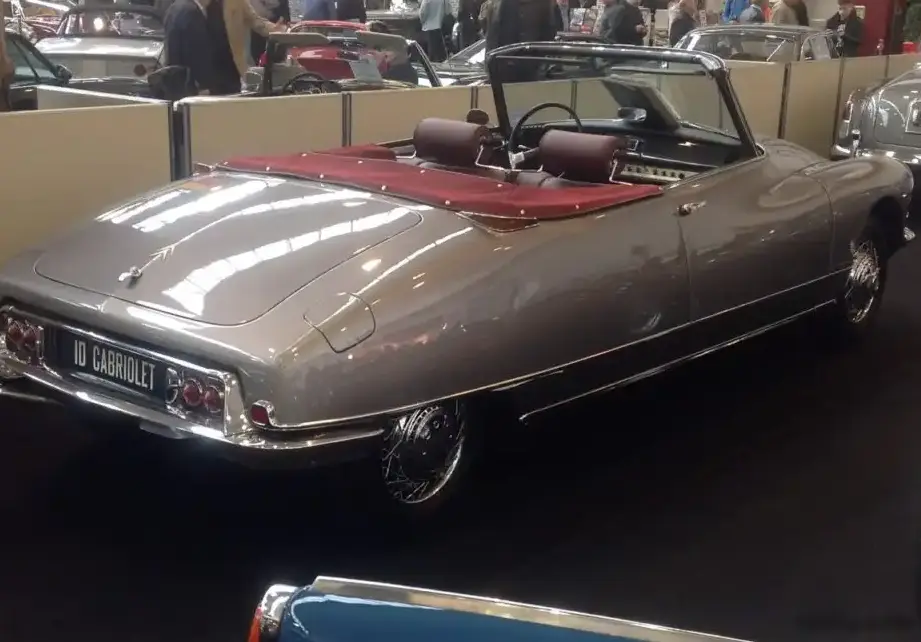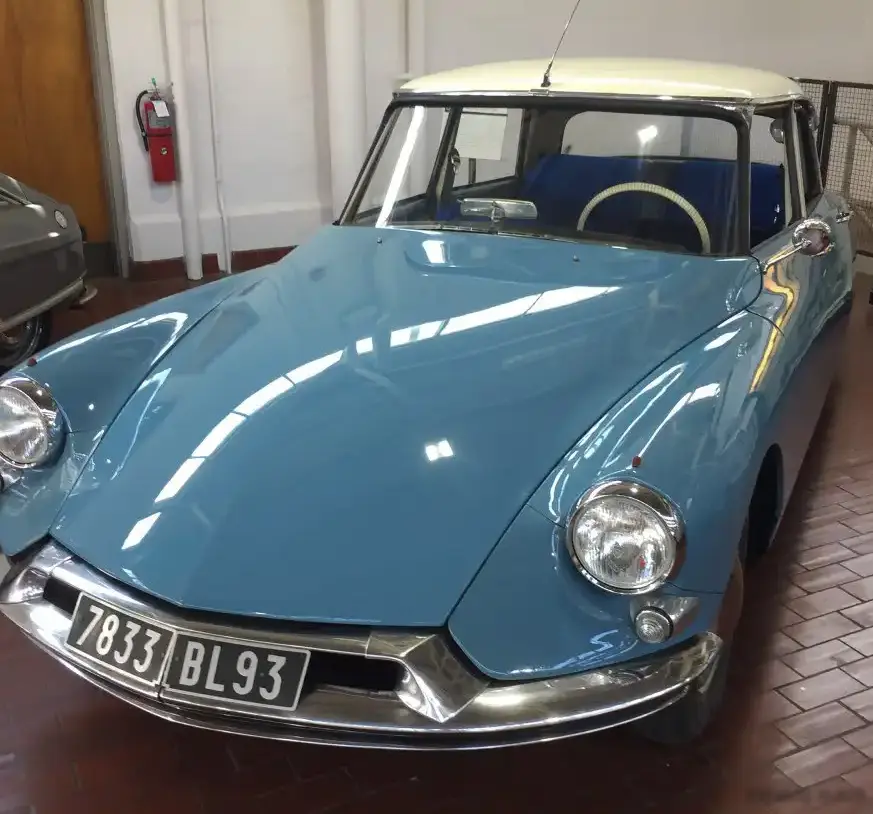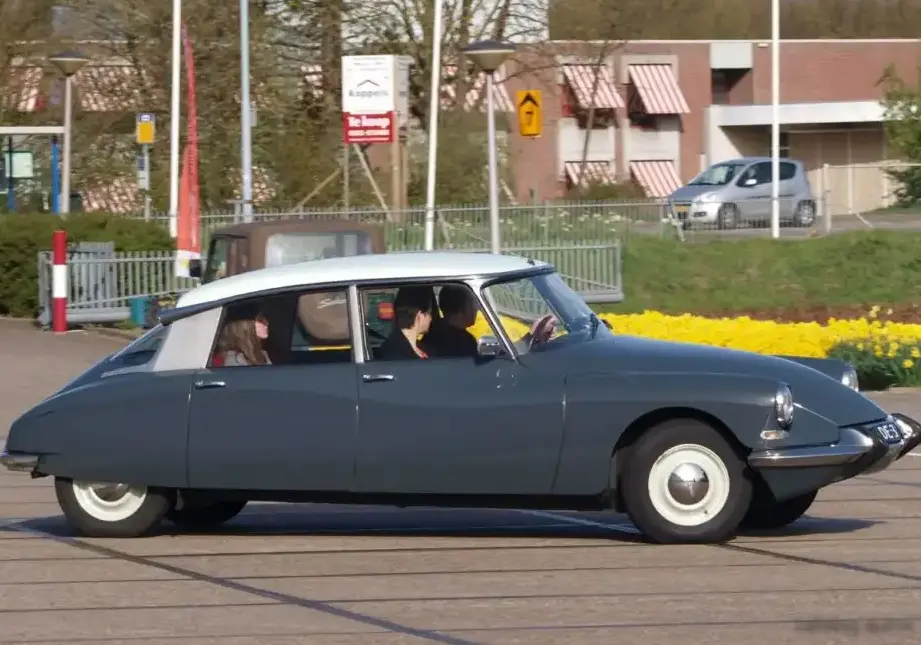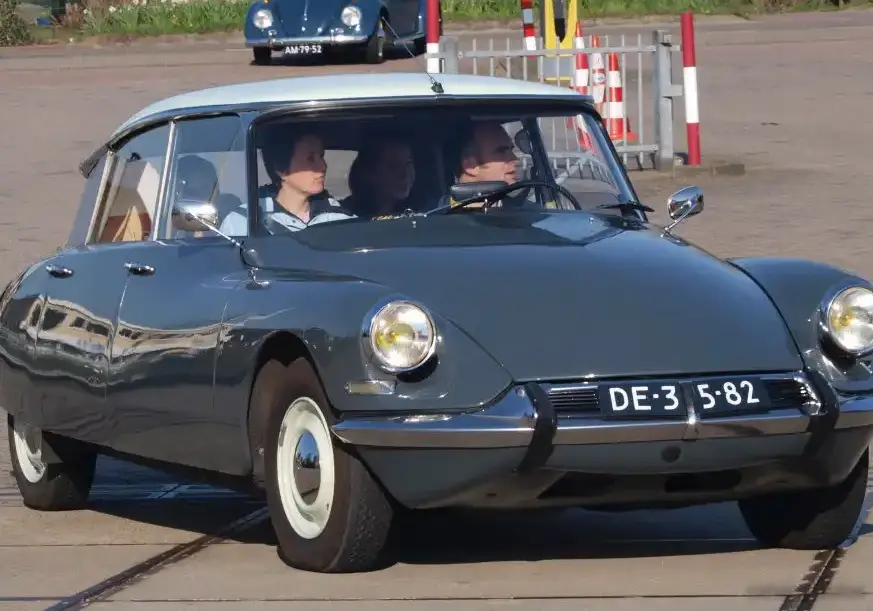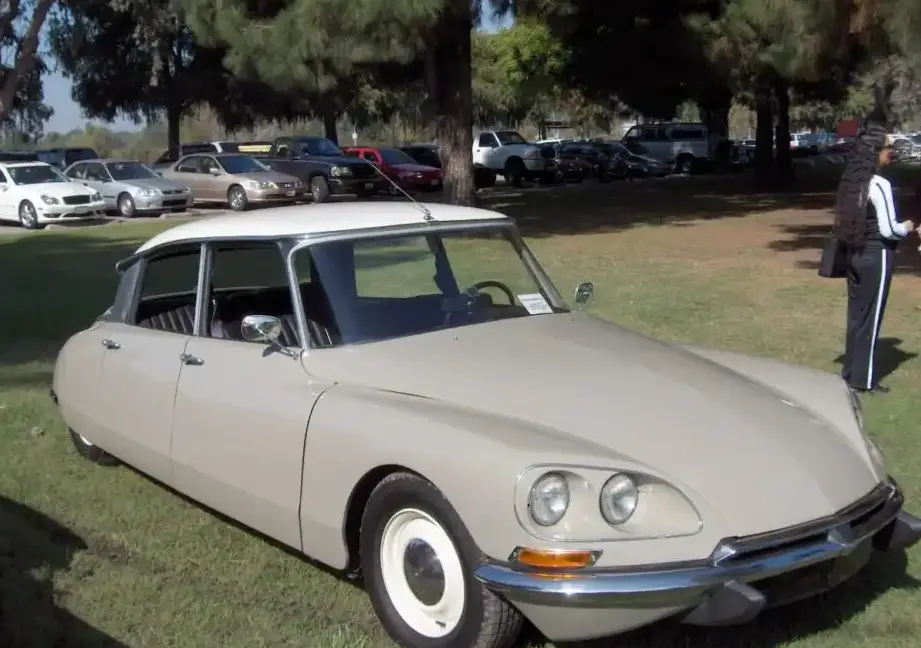
The Citroen ID III 21 F, produced between 1968 and 1972, represents a significant iteration within the larger Citroen ID series. Positioned as a mid-range offering within the ID III generation (part of the broader Citroen ID family spanning 1957-1977), the 21 F distinguished itself with a larger displacement engine and increased power output compared to lower-spec models like the ID 19. It served as a comfortable and technologically advanced family sedan, embodying Citroen’s reputation for innovative engineering and distinctive styling. The ID III series, and the 21 F variant specifically, played a crucial role in solidifying Citroen’s presence in the European automotive market during a period of significant automotive development.
Technical Specifications
| Brand | Citroen |
| Model | ID |
| Generation | ID III |
| Type (Engine) | 21 F (106 Hp) |
| Start of production | 1968 |
| End of production | 1972 |
| Powertrain Architecture | Internal Combustion engine |
| Body type | Sedan |
| Seats | 5 |
| Doors | 4 |
| Fuel Type | Petrol (Gasoline) |
| Power | 106 Hp @ 5500 rpm |
| Power per litre | 48.7 Hp/l |
| Torque | 167 Nm @ 3500 rpm / 123.17 lb.-ft. @ 3500 rpm |
| Engine displacement | 2175 cm3 / 132.73 cu. in. |
| Number of cylinders | 4 |
| Engine configuration | Inline |
| Cylinder Bore | 90 mm / 3.54 in. |
| Piston Stroke | 85.5 mm / 3.37 in. |
| Fuel injection system | Carburettor |
| Engine aspiration | Naturally aspirated engine |
| Engine oil capacity | 5 l / 5.28 US qt | 4.4 UK qt |
| Coolant | 11 l / 11.62 US qt | 9.68 UK qt |
| Fuel tank capacity | 65 l / 17.17 US gal | 14.3 UK gal |
| Length | 4870 mm / 191.73 in. |
| Width | 1800 mm / 70.87 in. |
| Height | 1470 mm / 57.87 in. |
| Wheelbase | 3125 mm / 123.03 in. |
| Drivetrain Architecture | The Internal combustion engine (ICE) drives the front wheels of the vehicle. |
| Drive wheel | Front wheel drive |
| Number of gears and type of gearbox | 5 gears, manual transmission |
| Front suspension | Hydro-pneumatic element, Double wishbone |
| Rear suspension | Hydro-pneumatic element, Trailing arm |
| Front brakes | Disc |
| Rear brakes | Disc |
| Steering type | Steering rack and pinion |
Powertrain & Engine Architecture
The heart of the Citroen ID III 21 F is its 2175 cc inline-four cylinder engine. This engine, designated as the 21F, produced 106 horsepower at 5500 rpm and 167 Nm (123.17 lb-ft) of torque at 3500 rpm. It utilized a carburettor fuel system, a common feature for the era, rather than fuel injection. The engine’s design incorporated a relatively high compression ratio for the time, contributing to its respectable power output. The engine’s valvetrain employed a single overhead camshaft (SOHC) configuration. The ID III 21 F was exclusively offered with a five-speed manual transmission, providing drivers with precise control over the engine’s power band. This transmission was crucial for maximizing the engine’s efficiency and performance.
Driving Characteristics
The driving experience in the ID III 21 F was characterized by a smooth and comfortable ride, largely due to Citroen’s innovative hydropneumatic suspension system. This system, a hallmark of Citroen vehicles, provided a remarkably level ride even on uneven surfaces. The five-speed manual transmission allowed drivers to keep the engine within its optimal power range, providing adequate acceleration for highway cruising and overtaking. While not a sports car, the 21 F offered sufficient power for comfortable and confident driving. Compared to the lower-powered ID 19, the 21 F provided a noticeable improvement in acceleration and overall responsiveness. The gear ratios were well-suited for both city driving and long-distance travel, offering a balance between usability and performance.
Equipment & Trim Levels
The ID III 21 F was positioned as a well-equipped mid-range model. Standard features included comfortable seating for five passengers, a spacious interior, and a comprehensive instrument panel. Interior upholstery typically consisted of cloth or vinyl, with options for higher-quality materials available. The dashboard layout was functional and elegant, reflecting the design aesthetic of the late 1960s. Optional extras included a sunroof, upgraded audio systems, and power-assisted steering. The 21 F generally featured more luxurious appointments than the base ID models, but lacked some of the premium features found in the top-of-the-line DS models.
Chassis & Braking
The ID III 21 F utilized a robust chassis designed to accommodate the hydropneumatic suspension system. The front suspension employed a double wishbone configuration with hydropneumatic elements, while the rear suspension featured a trailing arm design, also utilizing hydropneumatic spheres. This suspension setup provided exceptional ride quality and handling characteristics. Braking duties were handled by disc brakes on all four wheels, offering reliable stopping power. The steering system was a rack and pinion type, providing precise and responsive steering feel. The car’s overall weight distribution contributed to its stable and predictable handling.
Market Reception & Comparison
The Citroen ID III 21 F was generally well-received by automotive critics and buyers alike. It was praised for its comfortable ride, innovative suspension system, and spacious interior. Compared to its siblings, the ID 19 and DS models, the 21 F offered a compelling balance of performance, comfort, and price. The ID 19 was considered more economical but lacked the 21 F’s power, while the DS models were significantly more expensive and catered to a more discerning clientele. Fuel economy was typical for a vehicle of its size and era, and reliability was generally good, although the hydropneumatic suspension system required periodic maintenance.
Legacy
The Citroen ID III 21 F remains a popular classic car among enthusiasts today. Its innovative engineering, distinctive styling, and comfortable ride continue to appeal to collectors and drivers. The 21 F’s powertrain, while not particularly high-performance by modern standards, is known for its durability and relative simplicity. Finding well-maintained examples can be challenging, as the hydropneumatic suspension system requires specialized knowledge and care. However, the ID III 21 F represents a significant chapter in Citroen’s history and a testament to the company’s commitment to automotive innovation. Parts availability has become increasingly limited, but a dedicated community of Citroen enthusiasts continues to support the preservation and restoration of these iconic vehicles.