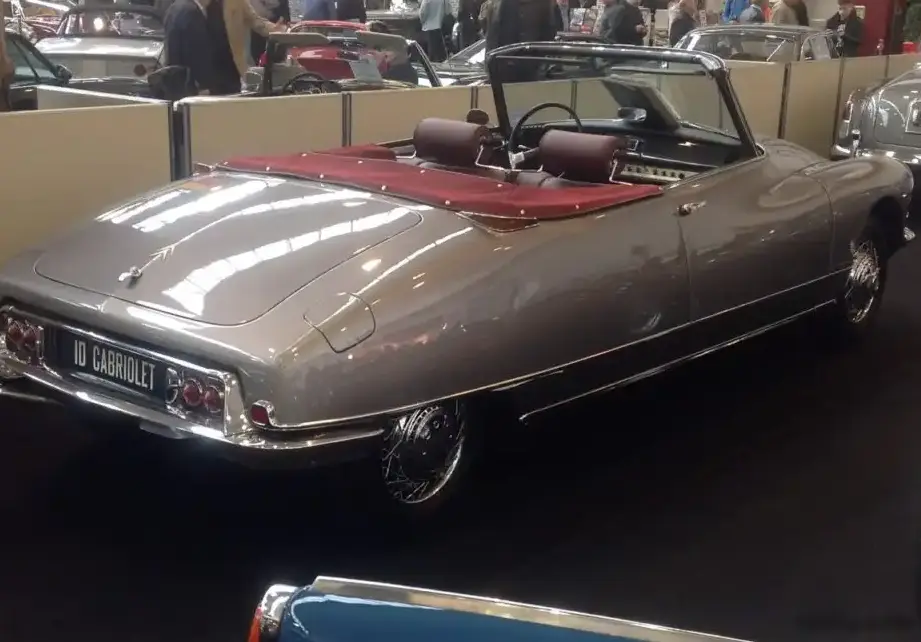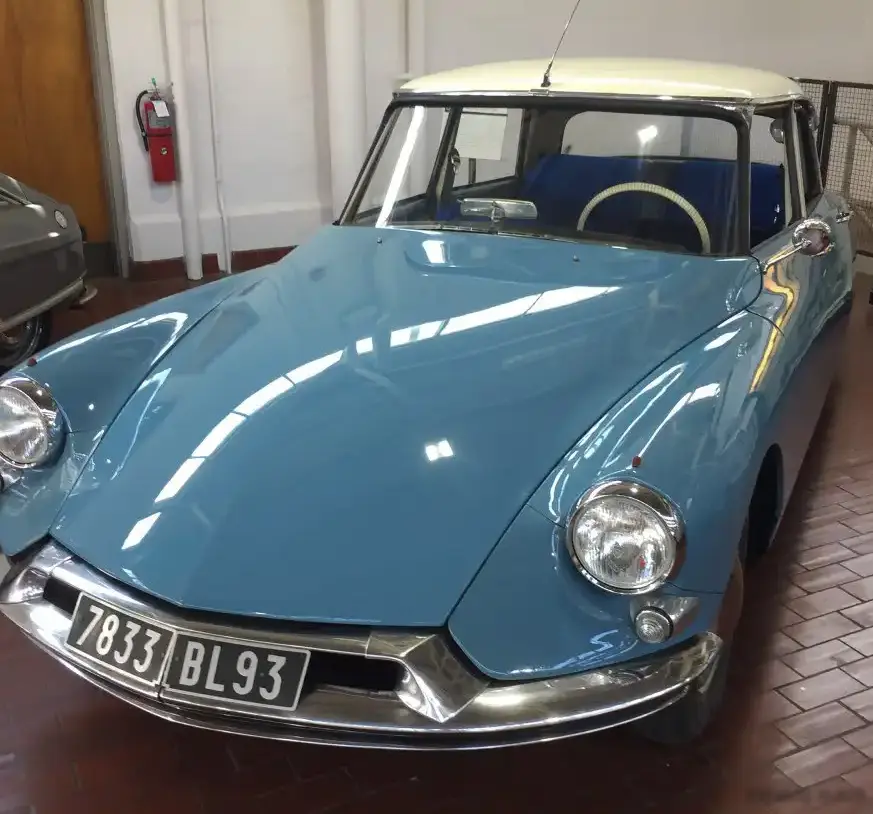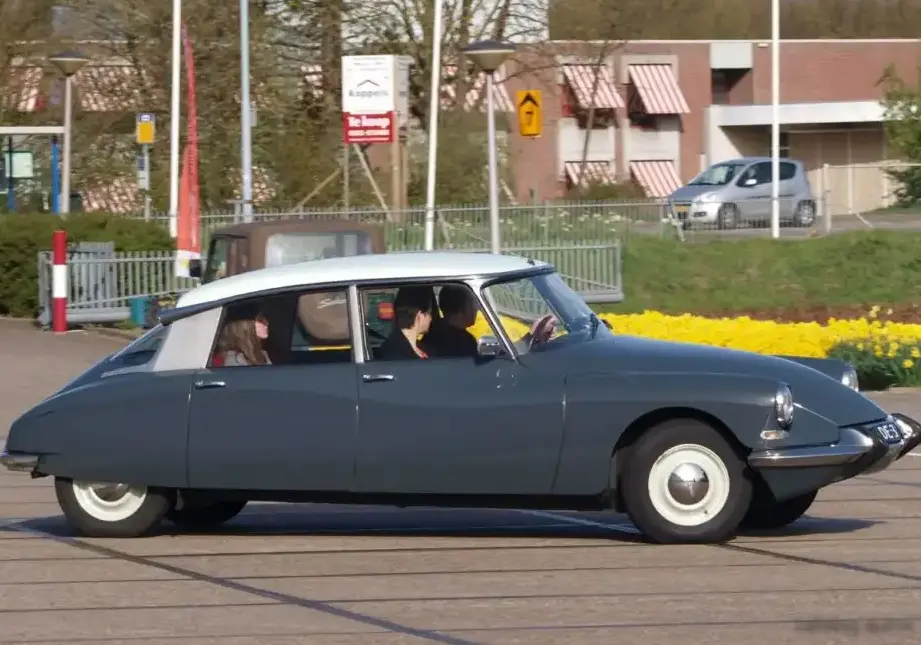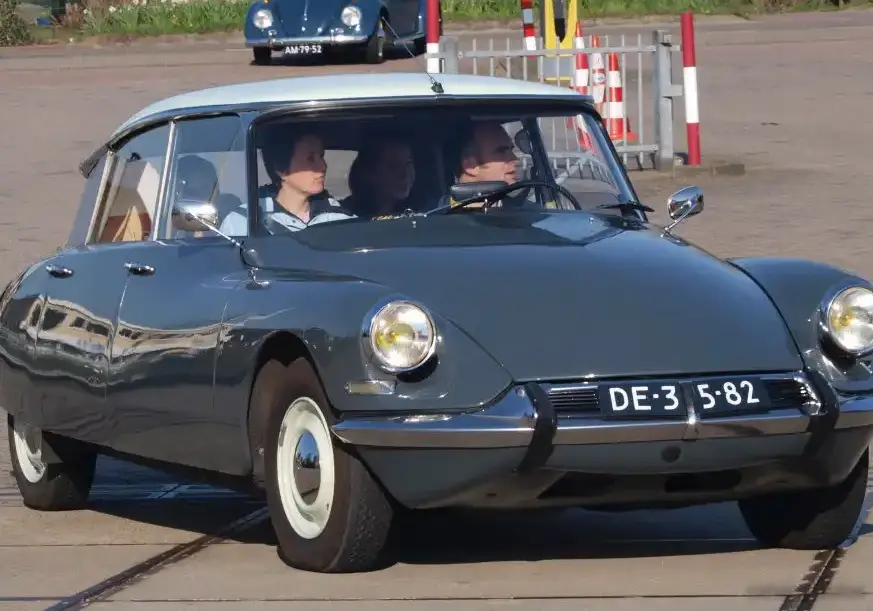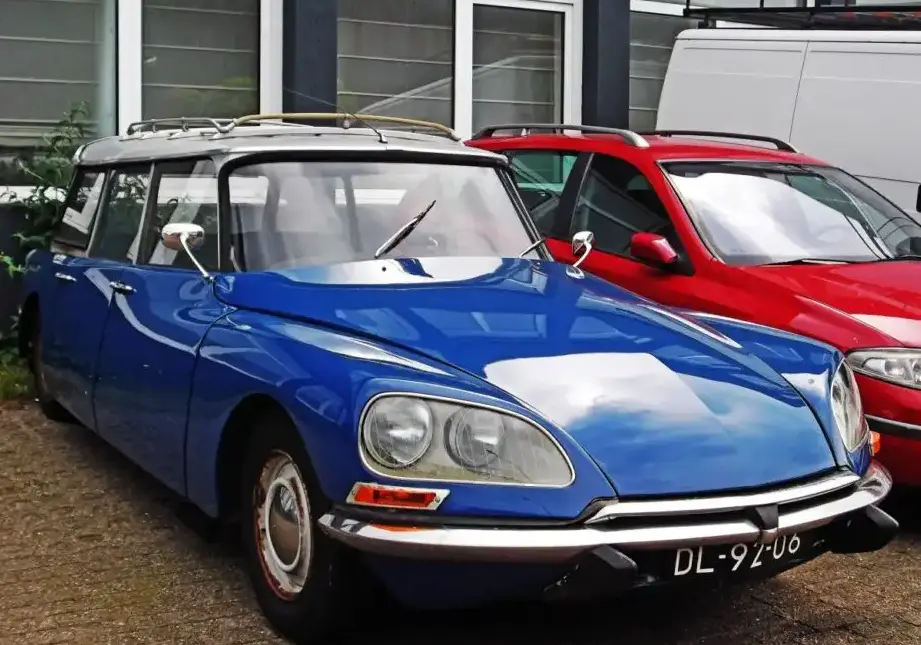
The Citroën ID III Break 20 F, produced between 1971 and 1975, represents a significant iteration within the broader Citroën ID series. This variant, characterized by its 2.0-liter engine producing 99 horsepower, occupied a middle ground in the Break (estate/station wagon) lineup, offering a balance between practicality, comfort, and affordability. It was part of the larger ID III generation, which itself was a continuation of the innovative design principles established by the earlier DS and ID models, though with a more conventional mechanical approach. The ID III Break catered to families and those requiring a spacious vehicle, particularly in European markets where estate cars were highly popular.
Technical Specifications
| Brand | Citroën |
| Model | ID |
| Generation | ID III Break |
| Type (Engine) | 20 F (99 Hp) |
| Start of production | 1971 |
| End of production | 1975 |
| Powertrain Architecture | Internal Combustion engine |
| Body type | Station wagon (estate) |
| Seats | 7 |
| Doors | 5 |
| Fuel Type | Petrol (Gasoline) |
| Maximum speed | 165 km/h (102.53 mph) |
| Weight-to-power ratio | 14.3 kg/Hp, 70 Hp/tonne |
| Power | 99 Hp @ 5500 rpm |
| Power per litre | 49.9 Hp/l |
| Engine displacement | 1985 cm3 (121.13 cu. in.) |
| Number of cylinders | 4 |
| Engine configuration | Inline |
| Cylinder Bore | 86 mm (3.39 in.) |
| Piston Stroke | 85.5 mm (3.37 in.) |
| Fuel injection system | Carburettor |
| Engine aspiration | Naturally aspirated engine |
| Engine oil capacity | 4 l (4.23 US qt | 3.52 UK qt) |
| Coolant | 11 l (11.62 US qt | 9.68 UK qt) |
| Kerb Weight | 1415 kg (3119.54 lbs.) |
| Max. weight | 2050 kg (4519.48 lbs.) |
| Max load | 635 kg (1399.94 lbs.) |
| Length | 5040 mm (198.43 in.) |
| Width | 1803 mm (70.98 in.) |
| Height | 1530 mm (60.24 in.) |
| Wheelbase | 3125 mm (123.03 in.) |
| Front track | 1516 mm (59.69 in.) |
| Rear (Back) track | 1316 mm (51.81 in.) |
| Front overhang | 1016 mm (40 in.) |
| Rear overhang | 899 mm (35.39 in.) |
| Minimum turning circle (turning diameter) | 10.85 m (35.6 ft.) |
| Drivetrain Architecture | The Internal combustion engine (ICE) drives the front wheels of the vehicle. |
| Drive wheel | Front wheel drive |
| Number of gears and type of gearbox | 4 gears, manual transmission |
| Front suspension | Hydro-pneumatic element, Double wishbone |
| Rear suspension | Hydro-pneumatic element, Trailing arm |
| Front brakes | Disc |
| Rear brakes | Disc |
| Steering type | Steering rack and pinion |
Powertrain & Engine Architecture
The heart of the ID III Break 20 F is its 1985cc inline-four cylinder engine. This engine, designated as the 20F, utilized a cast iron block and cylinder head, a common construction for the period. Fuel delivery was managed by a Solex carburetor, a relatively simple system compared to fuel injection, but reliable and cost-effective. The engine featured a single overhead camshaft (SOHC) valvetrain, operating two valves per cylinder. The 99 horsepower output was achieved at 5500 rpm, and the engine produced a modest amount of torque, suitable for comfortable cruising rather than outright acceleration. The engine was mated to a four-speed manual transmission, which was the standard offering for this variant. While an automatic transmission was available on some ID models, it was not typically paired with the 20F engine due to the transmission’s limitations in handling the engine’s torque characteristics.
Driving Characteristics
The driving experience in the ID III Break 20 F was characterized by comfort and a relaxed pace. The 99 hp engine provided adequate power for highway driving and everyday commuting, but it wasn’t particularly quick. Acceleration was leisurely, and overtaking required careful planning. The four-speed manual transmission offered a reasonable spread of gears, but the lack of a fifth gear meant that engine speeds were relatively high at cruising speeds. The Citroën’s signature hydropneumatic suspension, however, provided an exceptionally smooth and comfortable ride, absorbing bumps and imperfections in the road with ease. This suspension system, combined with the car’s relatively soft spring rates, made it a pleasant vehicle for long journeys.
Equipment & Trim Levels
The ID III Break 20 F was positioned as a mid-range offering within the Break lineup. Standard equipment included cloth upholstery, a basic dashboard layout with analog gauges, and manually operated windows and door locks. The interior was spacious, offering comfortable seating for up to seven passengers, although the rearmost seats were best suited for children or short trips. Optional extras included a sunroof, upgraded upholstery, and a more sophisticated radio. The exterior trim was relatively understated, with chrome accents on the bumpers and grille. The ID III Break was available in a range of solid and metallic paint colors.
Chassis & Braking
The ID III Break utilized a robust chassis with independent suspension on all four wheels, a hallmark of Citroën engineering. The front suspension employed a double wishbone configuration with hydropneumatic elements, while the rear suspension featured a trailing arm design, also utilizing hydropneumatic spheres. This system allowed for self-leveling and adjustable ride height. Braking was provided by disc brakes on all four wheels, offering adequate stopping power for the vehicle’s weight and performance. The steering was a rack and pinion system, providing precise and responsive handling.
Market Reception & Comparison
The Citroën ID III Break 20 F was generally well-received by critics and buyers alike. It was praised for its comfortable ride, spacious interior, and practical design. However, some critics noted that the engine was underpowered for a vehicle of its size and weight. Compared to other Break variants, such as those equipped with larger engines, the 20 F offered a more affordable entry point into the Citroën estate car range. It was also more fuel-efficient than its higher-powered siblings. In terms of reliability, the ID III Break was generally considered to be a dependable vehicle, although the hydropneumatic suspension system required regular maintenance to ensure optimal performance.
Legacy
The Citroën ID III Break 20 F remains a popular classic car today, particularly among enthusiasts who appreciate its unique design and comfortable ride. The 2.0-liter engine, while not particularly powerful, is known for its reliability and relatively simple maintenance requirements. Parts availability can be a challenge, but a dedicated network of Citroën specialists and suppliers exists to support owners. The hydropneumatic suspension system, while requiring specialized knowledge to maintain, is a key part of the car’s appeal, providing a driving experience that is unlike anything else. The ID III Break 20 F represents a significant chapter in Citroën’s history, embodying the company’s commitment to innovation and comfort.