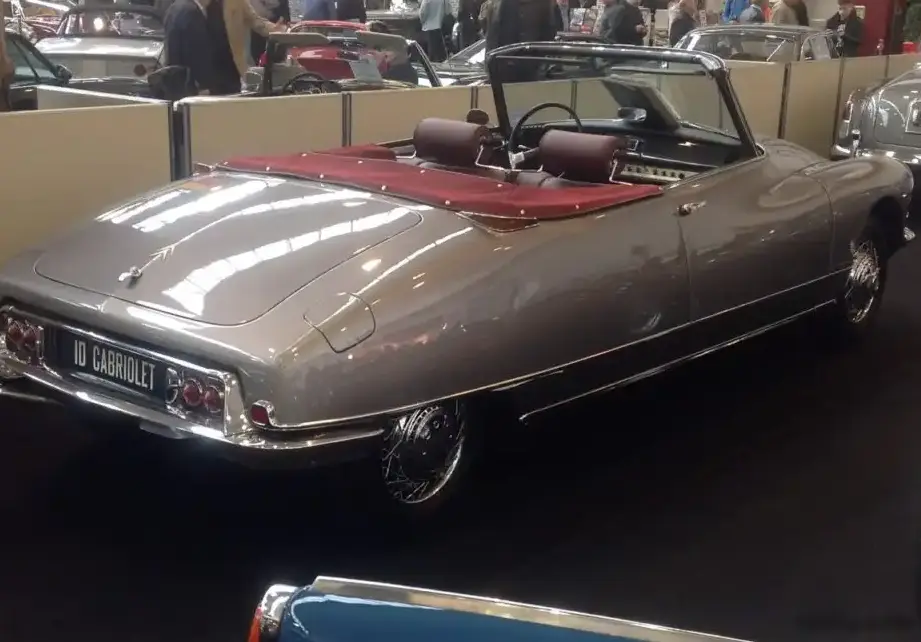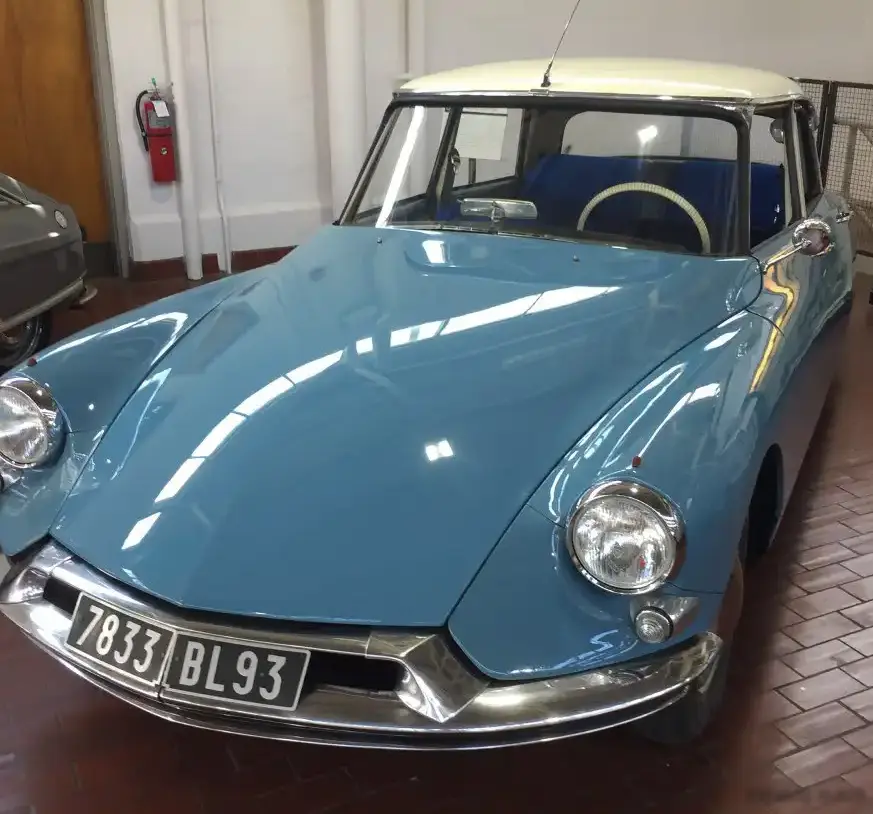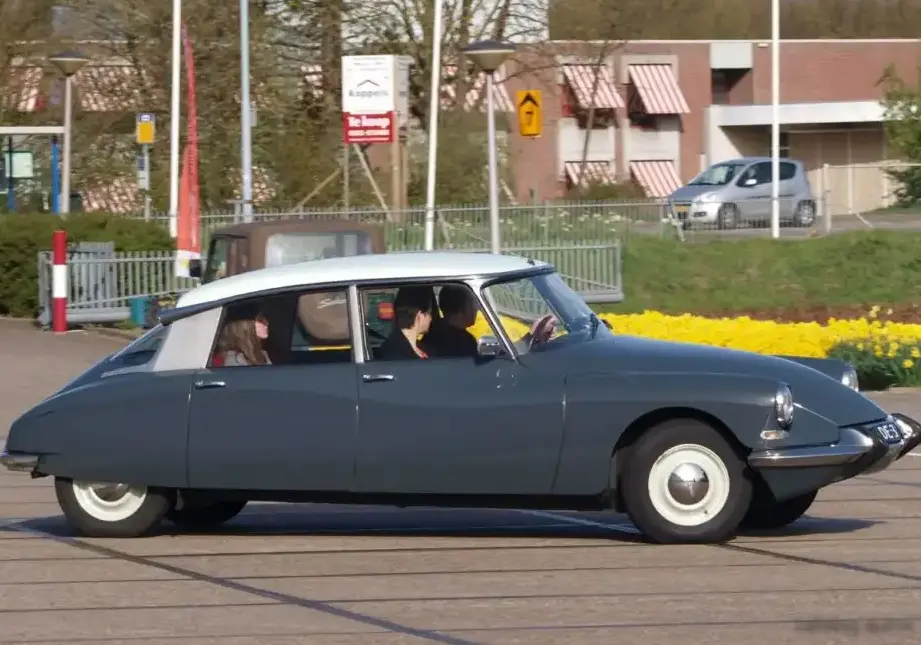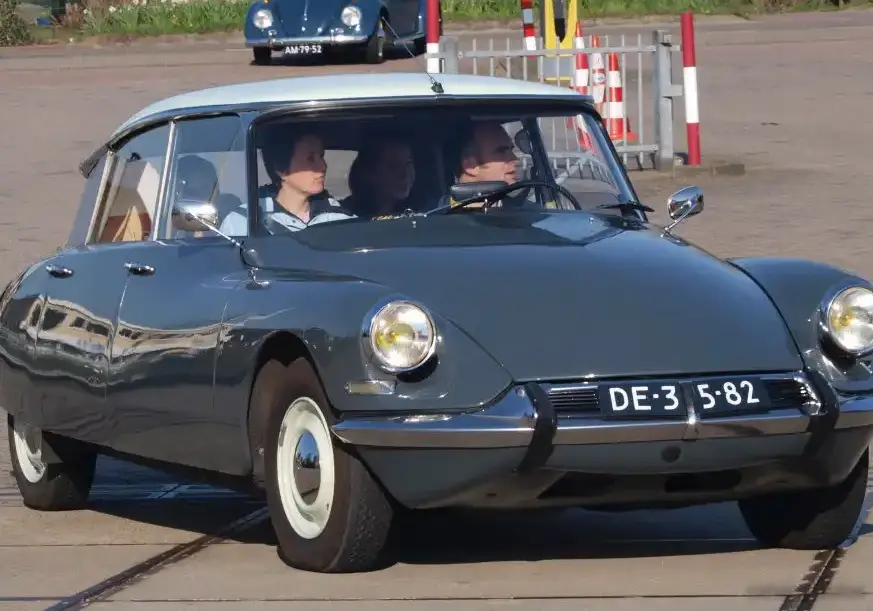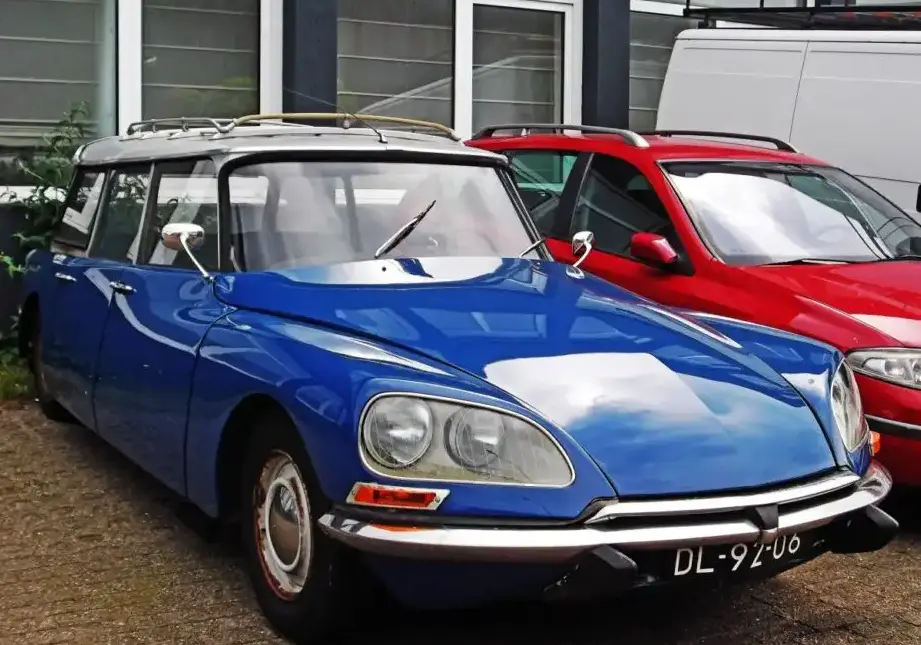
The Citroën ID III Break 21 F, produced between 1967 and 1975, represents a significant iteration of Citroën’s iconic ID series, specifically the estate (station wagon) body style. Positioned as a practical and comfortable family vehicle, the ID III Break offered a spacious interior and advanced suspension technology for its time. The “21 F” designation indicates the engine displacement and fuel system – a 2.175-liter engine with a carburetor. This variant occupied a middle ground within the ID III Break lineup, offering a balance between performance and affordability, sitting below the more powerful ID 22 and ID 23 models. It was a key offering in the European market, where large estate cars were, and continue to be, highly valued for their versatility.
Technical Specifications
| Brand | Citroen |
| Model | ID |
| Generation | ID III Break |
| Type (Engine) | 21 F (100 Hp) |
| Start of production | 1967 |
| End of production | 1975 |
| Powertrain Architecture | Internal Combustion engine |
| Body type | Station wagon (estate) |
| Seats | 7 |
| Doors | 5 |
| Fuel Type | Petrol (Gasoline) |
| Maximum speed | 166 km/h (103.15 mph) |
| Weight-to-power ratio | 13.9 kg/Hp, 71.9 Hp/tonne |
| Power | 100 Hp @ 5500 rpm |
| Power per litre | 46 Hp/l |
| Engine displacement | 2175 cm3 (132.73 cu. in.) |
| Number of cylinders | 4 |
| Engine configuration | Inline |
| Cylinder Bore | 90 mm (3.54 in.) |
| Piston Stroke | 85.5 mm (3.37 in.) |
| Fuel injection system | Carburettor |
| Engine aspiration | Naturally aspirated engine |
| Kerb Weight | 1390 kg (3064.43 lbs.) |
| Max. weight | 2040 kg (4497.43 lbs.) |
| Max load | 650 kg (1433 lbs.) |
| Length | 5050 mm (198.82 in.) |
| Width | 1815 mm (71.46 in.) |
| Height | 1530 mm (60.24 in.) |
| Wheelbase | 3125 mm (123.03 in.) |
| Front track | 1500 mm (59.06 in.) |
| Rear (Back) track | 1300 mm (51.18 in.) |
| Minimum turning circle (turning diameter) | 10.8 m (35.43 ft.) |
| Drivetrain Architecture | The Internal combustion engine (ICE) drives the front wheels of the vehicle. |
| Drive wheel | Front wheel drive |
| Number of gears and type of gearbox | 4 gears, manual transmission |
| Front suspension | Hydro-pneumatic element, Double wishbone |
| Rear suspension | Hydro-pneumatic element, Trailing arm |
| Front brakes | Disc |
| Rear brakes | Disc |
| Steering type | Steering rack and pinion |
Powertrain & Engine Architecture
The heart of the ID III Break 21 F is its 2175 cc inline-four cylinder engine. This engine, designated as the 318, was a robust and relatively simple design, relying on a single overhead camshaft and a two-barrel carburetor for fuel delivery. The engine produced 100 horsepower at 5500 rpm, providing adequate power for comfortable cruising and hauling a full load of passengers and luggage. The engine’s bore and stroke measured 90mm x 85.5mm respectively. The engine was known for its smooth operation and reasonable fuel economy for the era. The ID III Break 21 F utilized a four-speed manual transmission, delivering power to the front wheels. This front-wheel-drive configuration was a hallmark of Citroën design, contributing to the car’s excellent traction and handling characteristics.
Driving Characteristics
The driving experience in the ID III Break 21 F is defined by its exceptional ride quality, a direct result of Citroën’s innovative hydropneumatic suspension system. This system, utilizing self-leveling spheres filled with nitrogen, provided a remarkably smooth and comfortable ride, even on uneven road surfaces. The four-speed manual transmission offered precise gear changes, although the shift linkage could feel somewhat vague by modern standards. The 100 hp engine provided sufficient power for everyday driving, but acceleration was not particularly brisk, especially when fully loaded. Compared to the more powerful ID 22 and ID 23 variants, the 21 F felt noticeably less responsive. However, the lower power output also contributed to slightly better fuel economy. The front-wheel-drive layout provided good grip in most conditions, and the steering, while not particularly direct, was light and easy to use.
Equipment & Trim Levels
The ID III Break 21 F was generally equipped with a fairly comprehensive list of standard features for the late 1960s and early 1970s. Interior appointments typically included cloth upholstery, although optional leather trim was available. The dashboard featured a combination of analog gauges, providing information on speed, fuel level, coolant temperature, and oil pressure. Other standard features included a heater, windscreen wipers, and basic exterior trim. Optional extras included a sunroof, radio, and upgraded interior trim materials. The ID III Break was designed with practicality in mind, offering a large and versatile cargo area accessible through a rear tailgate. The rear seats could be folded down to further increase cargo capacity.
Chassis & Braking
The ID III Break’s chassis was a monocoque construction, providing a good balance of strength and rigidity. The front suspension utilized a double wishbone design with hydropneumatic elements, while the rear suspension employed a trailing arm setup, also with hydropneumatic assistance. This suspension configuration contributed significantly to the car’s exceptional ride quality. Braking duties were handled by disc brakes on all four wheels, providing adequate stopping power for the vehicle’s weight and performance. The steering system was a rack and pinion type, offering reasonable precision and feedback. The car’s relatively long wheelbase (3125 mm) contributed to its stability and comfortable ride.
Market Reception & Comparison
The Citroën ID III Break 21 F was generally well-received by automotive critics and the public alike. It was praised for its comfortable ride, spacious interior, and innovative suspension technology. However, some critics noted the engine’s lack of outright power and the somewhat vague shift linkage of the manual transmission. Compared to other estate cars of the era, such as the Volvo 145 and the Ford Estate, the ID III Break offered a unique combination of comfort, practicality, and advanced technology. The ID 22 and ID 23 models, with their larger engines, offered superior performance but came at a higher price point. The 21 F represented a more affordable option for buyers seeking a spacious and comfortable family vehicle.
Legacy
The Citroën ID III Break 21 F, and the ID series as a whole, holds a significant place in automotive history. Its innovative hydropneumatic suspension system set a new standard for ride comfort and handling. While the engine and transmission are generally reliable, age and maintenance history are critical factors for surviving examples. Today, the ID III Break is a sought-after classic car, appreciated by enthusiasts for its unique design, comfortable ride, and historical significance. Parts availability can be a challenge, but a dedicated community of Citroën enthusiasts exists to support owners. Well-maintained examples command respectable prices in the used car market, reflecting the car’s enduring appeal and its status as a true icon of French automotive engineering.