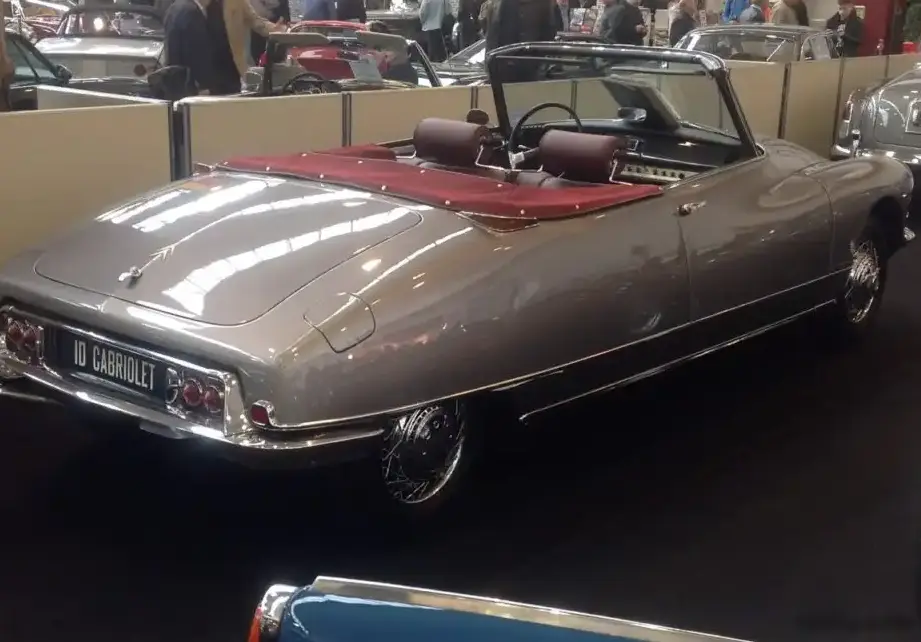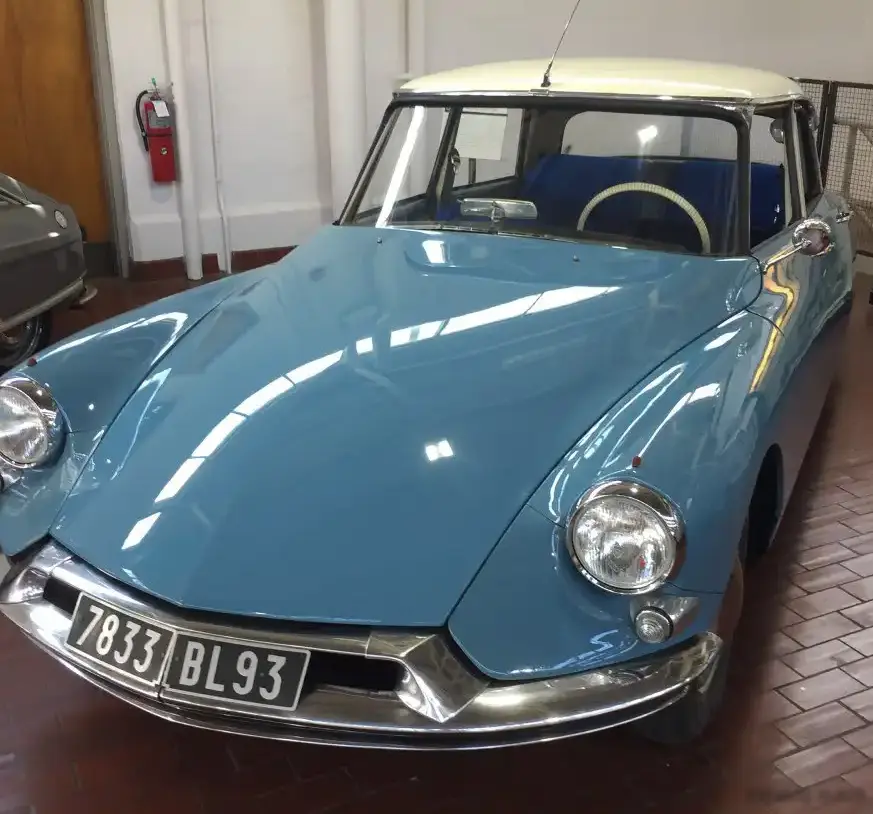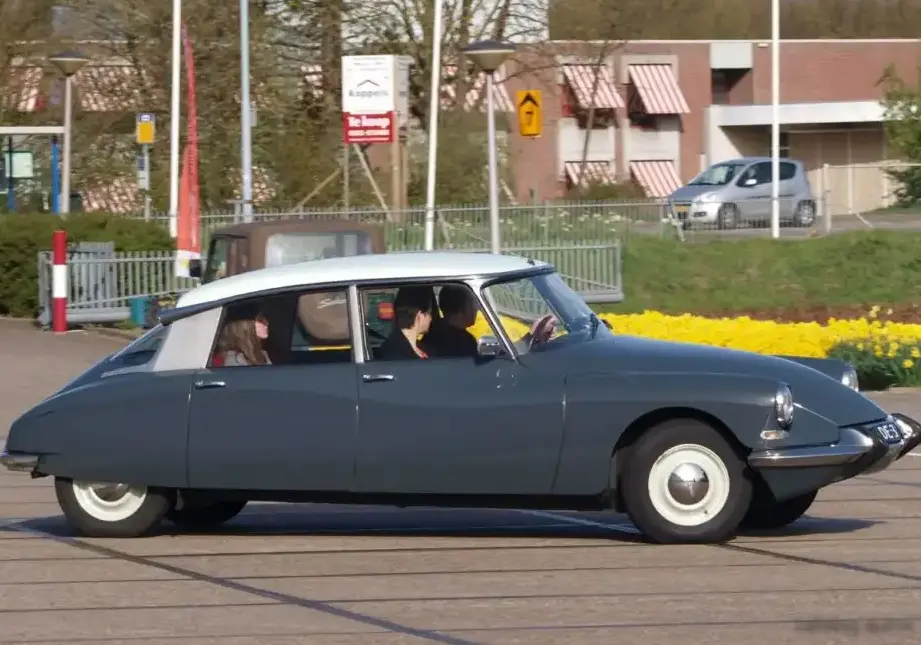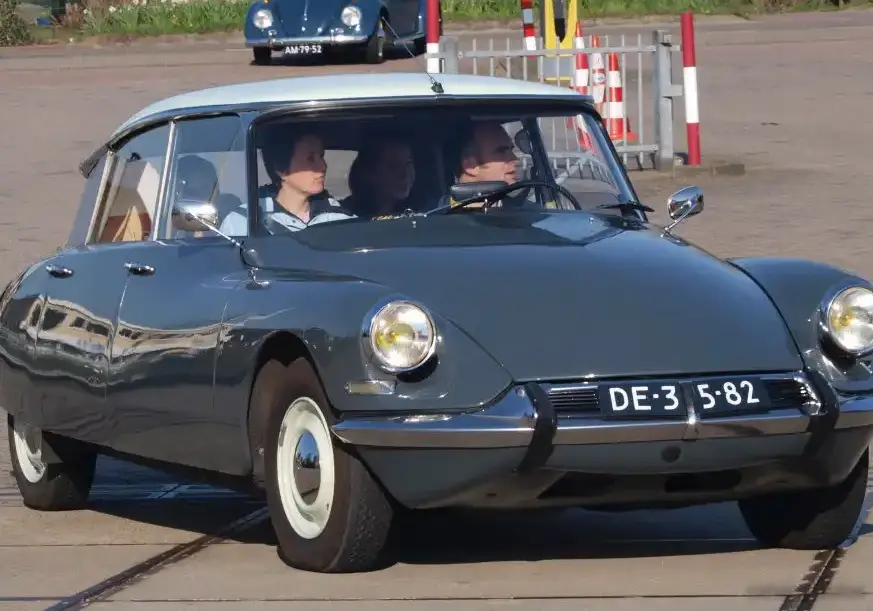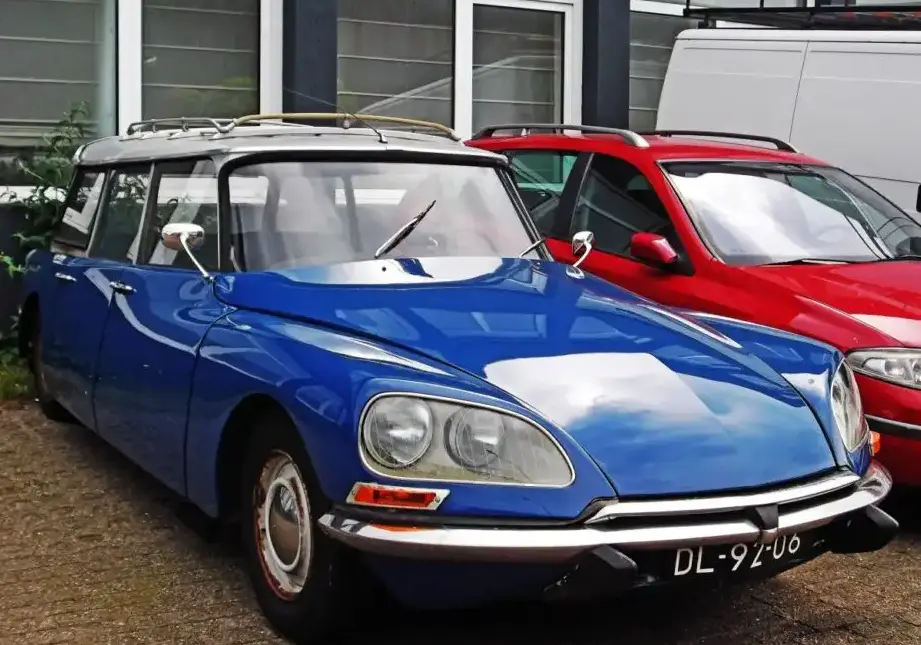
The Citroën ID III Break 21 F, produced between 1971 and 1972, represents a significant iteration within the broader Citroën ID series. This model, a station wagon (estate) body style, was part of the ID III generation, which itself was a refinement of the earlier ID series. Positioned as a practical and comfortable family vehicle, the 21 F variant offered a balance between performance and economy within the Citroën lineup. It was built upon the foundation of Citroën’s innovative hydropneumatic suspension, a hallmark of the brand during this era, and served as a popular choice for those requiring spaciousness and a smooth ride. The “Break” designation specifically denoted the estate/wagon body style, differentiating it from the saloon versions.
Technical Specifications
| Brand | Citroen |
| Model | ID |
| Generation | ID III Break |
| Type (Engine) | 21 F (106 Hp) |
| Start of production | 1971 |
| End of production | 1972 |
| Powertrain Architecture | Internal Combustion engine |
| Body type | Station wagon (estate) |
| Seats | 7 |
| Doors | 5 |
| Fuel Type | Petrol (Gasoline) |
| Maximum speed | 170 km/h (105.63 mph) |
| Weight-to-power ratio | 13.5 kg/Hp, 74.1 Hp/tonne |
| Power | 106 Hp @ 5500 rpm |
| Power per litre | 48.7 Hp/l |
| Engine displacement | 2175 cm3 (132.73 cu. in.) |
| Number of cylinders | 4 |
| Engine configuration | Inline |
| Cylinder Bore | 90 mm (3.54 in.) |
| Piston Stroke | 85.5 mm (3.37 in.) |
| Fuel injection system | Carburettor |
| Engine aspiration | Naturally aspirated engine |
| Engine oil capacity | 4 l (4.23 US qt | 3.52 UK qt) |
| Coolant | 11 l (11.62 US qt | 9.68 UK qt) |
| Kerb Weight | 1430 kg (3152.61 lbs.) |
| Max. weight | 2050 kg (4519.48 lbs.) |
| Max load | 620 kg (1366.87 lbs.) |
| Length | 5040 mm (198.43 in.) |
| Width | 1803 mm (70.98 in.) |
| Height | 1530 mm (60.24 in.) |
| Wheelbase | 3125 mm (123.03 in.) |
| Front track | 1516 mm (59.69 in.) |
| Rear (Back) track | 1316 mm (51.81 in.) |
| Front overhang | 1016 mm (40 in.) |
| Rear overhang | 899 mm (35.39 in.) |
| Minimum turning circle (turning diameter) | 10.75 m (35.27 ft.) |
| Drivetrain Architecture | The Internal combustion engine (ICE) drives the front wheels of the vehicle. |
| Drive wheel | Front wheel drive |
| Number of gears and type of gearbox | 4 gears, manual transmission |
| Front suspension | Hydro-pneumatic element, Double wishbone |
| Rear suspension | Hydro-pneumatic element, Trailing arm |
| Front brakes | Disc |
| Rear brakes | Disc |
| Steering type | Steering rack and pinion |
Powertrain & Engine Architecture
The Citroën ID III Break 21 F was powered by a 2.2-liter (2175 cc) inline-four cylinder engine. This engine, designated as the 318 engine, produced 106 horsepower at 5500 rpm. It utilized a single overhead camshaft (SOHC) valvetrain and a carburetor fuel delivery system, typical for the era. The engine’s design prioritized smooth operation and reasonable fuel economy over outright performance. The 318 engine was known for its durability and relative simplicity, making it a reliable powerplant for the time. The engine’s bore and stroke measured 90mm x 85.5mm respectively. The engine was coupled to a four-speed manual transmission, delivering power to the front wheels. This front-wheel-drive configuration was a defining characteristic of Citroën vehicles of this period.
Driving Characteristics
The driving experience of the ID III Break 21 F was heavily influenced by Citroën’s signature hydropneumatic suspension. This system provided an exceptionally smooth and comfortable ride, absorbing bumps and imperfections in the road surface with remarkable effectiveness. The 106 horsepower engine, while not particularly powerful by modern standards, provided adequate performance for cruising and everyday driving. Acceleration was modest, and overtaking required careful planning. The four-speed manual transmission offered a reasonable range of gear ratios, but the engine’s torque curve was relatively flat, meaning that frequent gear changes were often necessary to maintain optimal power delivery. Compared to other ID variants with larger engines, the 21 F prioritized fuel efficiency and a more relaxed driving experience.
Equipment & Trim Levels
The ID III Break 21 F was generally equipped with a fairly standard level of features for a family car of the early 1970s. Interior upholstery typically consisted of cloth or vinyl, with a focus on durability and practicality. The dashboard layout was functional and straightforward, featuring analog gauges for speed, fuel level, coolant temperature, and oil pressure. Optional extras included a sunroof, upgraded audio systems, and more luxurious interior trim options. The “Break” body style itself offered a significant advantage in terms of cargo capacity, making it ideal for families or those requiring ample space for luggage and other items. The seven-seat configuration, while somewhat cramped in the rearmost row, further enhanced the vehicle’s practicality.
Chassis & Braking
The ID III Break featured an independent suspension system on all four wheels, utilizing Citroën’s innovative hydropneumatic technology. This system allowed for self-leveling and adjustable ride height, further enhancing the vehicle’s comfort and handling. The front suspension employed a double wishbone configuration, while the rear suspension utilized a trailing arm design. Braking duties were handled by disc brakes on all four wheels, providing adequate stopping power for the vehicle’s weight and performance. The steering system was a rack and pinion type, offering precise and responsive steering control.
Market Reception & Comparison
The Citroën ID III Break 21 F was generally well-received by critics and consumers alike. It was praised for its comfortable ride, spacious interior, and innovative technology. However, some critics noted that the engine’s performance was somewhat underwhelming, particularly when the vehicle was fully loaded. Compared to other ID variants, such as the ID 19 or ID 20, the 21 F offered a slightly more refined driving experience and a higher level of standard equipment. Its fuel economy was considered reasonable for the time, although it was not as efficient as some of its competitors. The ID III Break competed with other European station wagons, such as the Volvo 145 and the Ford Estate, offering a unique blend of comfort, practicality, and innovation.
Legacy
The Citroën ID III Break 21 F, while not a particularly rare or highly sought-after classic car today, remains a significant example of Citroën’s engineering prowess during the 1970s. The 318 engine, while relatively simple, proved to be durable and reliable, and many examples are still on the road today. The hydropneumatic suspension system, though requiring periodic maintenance, continues to provide a uniquely comfortable ride. In the used car market, these vehicles are often appreciated by enthusiasts who value their distinctive styling, innovative technology, and comfortable driving experience. Parts availability can be a challenge, but a dedicated community of Citroën enthusiasts helps to keep these classic cars running.