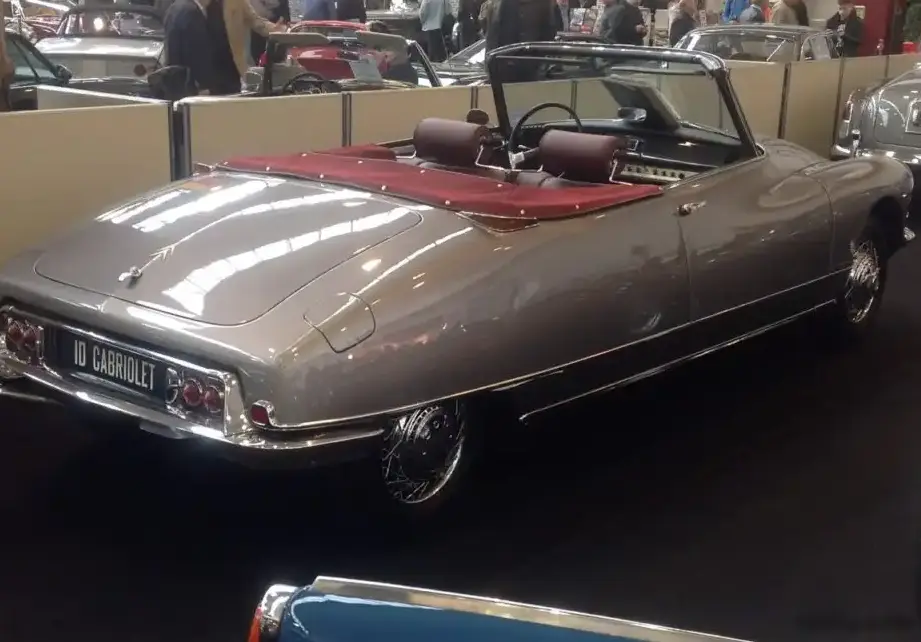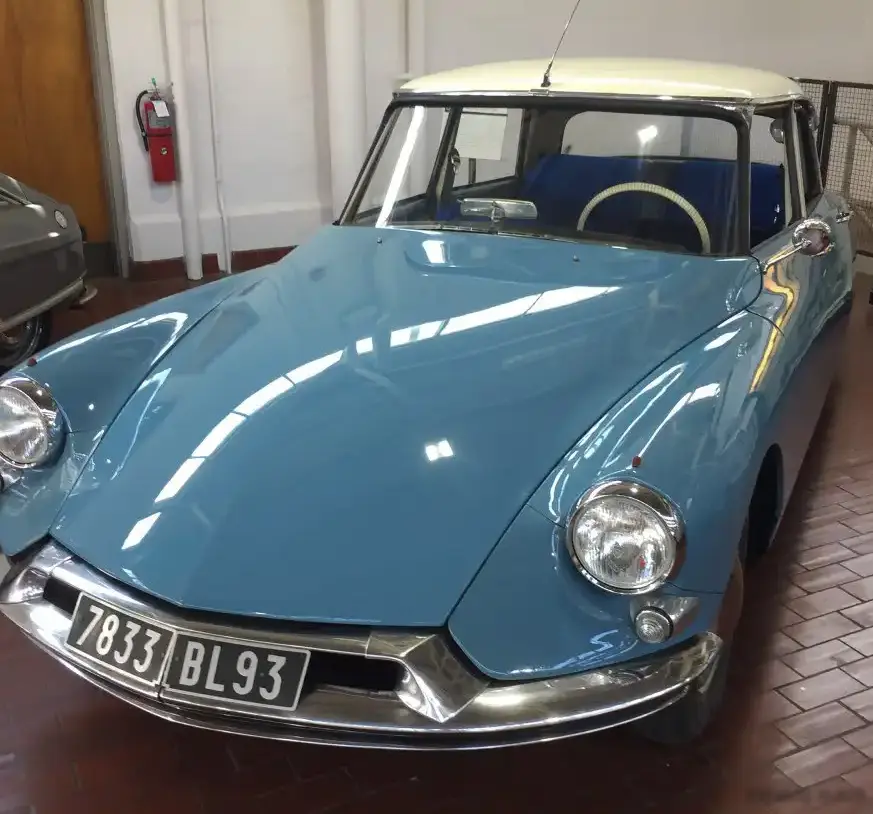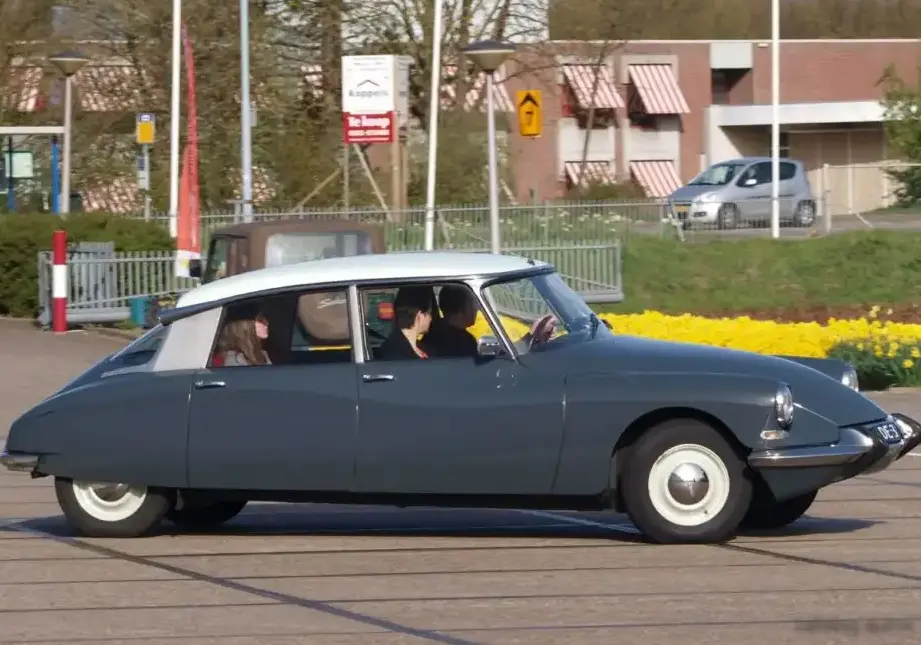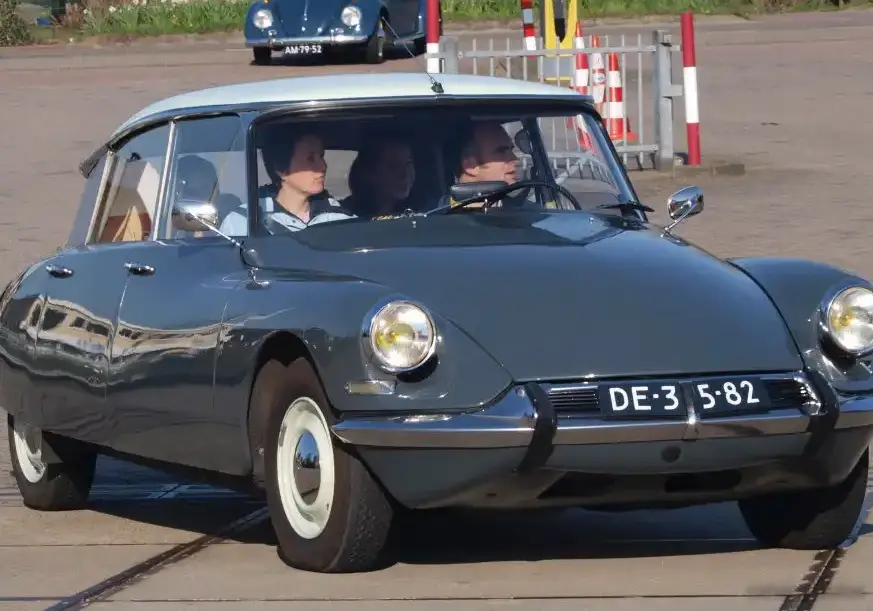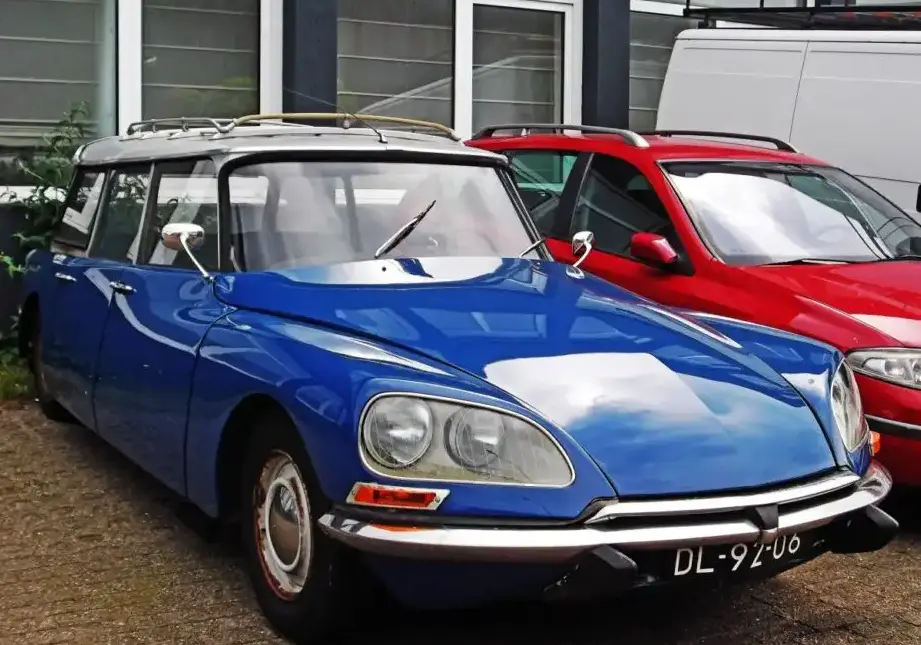
The Citroën ID III Break 21 F, produced between 1967 and 1975, represents a significant iteration within the broader Citroën ID series. Positioned as a spacious and comfortable family vehicle, the Break (estate/station wagon) body style offered practicality alongside Citroën’s renowned hydropneumatic suspension. The “21 F” designation indicates the engine displacement and fuel type – a 2.2-liter, naturally aspirated gasoline engine. This variant occupied a mid-range position within the ID III lineup, offering a balance between performance and economy, appealing to buyers needing a versatile vehicle for both daily commuting and long-distance travel. It was a key model in Citroën’s strategy to provide innovative and comfortable transportation to the French market and beyond.
Technical Specifications
| Brand | Citroen |
| Model | ID |
| Generation | ID III Break |
| Type (Engine) | 21 F (115 Hp) |
| Start of production | 1967 |
| End of production | 1975 |
| Powertrain Architecture | Internal Combustion engine |
| Body type | Station wagon (estate) |
| Seats | 7 |
| Doors | 5 |
| Fuel Type | Diesel |
| Maximum speed | 169 km/h (105.01 mph) |
| Weight-to-power ratio | 12.3 kg/Hp, 81 Hp/tonne |
| Power | 115 Hp @ 5500 rpm |
| Power per litre | 52.9 Hp/l |
| Engine displacement | 2175 cm3 (132.73 cu. in.) |
| Number of cylinders | 4 |
| Engine configuration | Inline |
| Cylinder Bore | 90 mm (3.54 in.) |
| Piston Stroke | 85.5 mm (3.37 in.) |
| Fuel injection system | Carburettor |
| Engine aspiration | Naturally aspirated engine |
| Kerb Weight | 1420 kg (3130.56 lbs.) |
| Max. weight | 2050 kg (4519.48 lbs.) |
| Max load | 630 kg (1388.91 lbs.) |
| Length | 5050 mm (198.82 in.) |
| Width | 1815 mm (71.46 in.) |
| Height | 1530 mm (60.24 in.) |
| Wheelbase | 3125 mm (123.03 in.) |
| Front track | 1500 mm (59.06 in.) |
| Rear (Back) track | 1300 mm (51.18 in.) |
| Minimum turning circle (turning diameter) | 10.8 m (35.43 ft.) |
| Drivetrain Architecture | The Internal combustion engine (ICE) drives the front wheels of the vehicle. |
| Drive wheel | Front wheel drive |
| Number of gears and type of gearbox | 4 gears, manual transmission |
| Front suspension | Hydro-pneumatic element, Double wishbone |
| Rear suspension | Hydro-pneumatic element, Trailing arm |
| Front brakes | Disc |
| Rear brakes | Disc |
| Steering type | Steering rack and pinion |
Powertrain & Engine Architecture
The heart of the ID III Break 21 F is its 2175 cc (132.73 cu. in.) inline-four cylinder engine. This engine, designated as the 318 engine, utilized a cast iron block and cylinder head, a common construction for the era. Fuel delivery was managed by a Solex carburetor, a typical setup for European cars of the late 1960s and early 1970s. The engine featured a single overhead camshaft (SOHC) valvetrain, operating two valves per cylinder. While not a high-revving engine, it produced a respectable 115 horsepower at 5500 rpm. The engine was mated to a four-speed manual transmission, delivering power to the front wheels. This front-wheel-drive configuration was relatively uncommon for station wagons at the time, contributing to the ID III Break’s distinctive handling characteristics.
Driving Characteristics
The ID III Break 21 F offered a unique driving experience largely defined by Citroën’s hydropneumatic suspension. This system provided an exceptionally smooth and comfortable ride, absorbing bumps and imperfections in the road with remarkable effectiveness. The front-wheel-drive layout contributed to predictable handling, although it lacked the sporty feel of rear-wheel-drive counterparts. The four-speed manual transmission offered reasonable control, but the engine’s relatively modest power output meant that spirited acceleration required downshifting. Compared to the more powerful ID III variants, the 21 F prioritized comfort and fuel economy over outright performance. The gear ratios were tuned for relaxed cruising, making it well-suited for long journeys. The car’s weight, at approximately 1420 kg (3130.56 lbs), did impact acceleration, but the suspension compensated by maintaining stability even when fully loaded.
Equipment & Trim Levels
The ID III Break 21 F was generally well-equipped for its time, though trim levels varied depending on the market. Standard features typically included comfortable seating for seven passengers, a spacious cargo area, and a steering wheel. Interior upholstery was typically cloth, with options for vinyl or leather available at extra cost. Dashboard instrumentation included a speedometer, fuel gauge, and coolant temperature indicator. Optional extras could include a radio, heated rear window, and a sunroof. The Break body style itself was a significant feature, offering a large and practical cargo space that was highly valued by families and those needing to transport bulky items. The interior was designed with practicality in mind, featuring durable materials and a focus on passenger comfort.
Chassis & Braking
The ID III Break utilized a robust chassis designed to accommodate the hydropneumatic suspension and the vehicle’s substantial weight. The front suspension employed a double wishbone configuration with hydropneumatic elements, while the rear suspension utilized a trailing arm setup, also with hydropneumatic assistance. This suspension system allowed the car to maintain a level ride height regardless of load, enhancing both comfort and handling. Braking was provided by disc brakes on all four wheels, a relatively advanced feature for the era. The steering system was a rack and pinion type, offering precise and responsive control. The car’s relatively long wheelbase (3125 mm / 123.03 in.) contributed to its stability, particularly at higher speeds.
Market Reception & Comparison
The Citroën ID III Break 21 F was generally well-received by critics and buyers alike. It was praised for its exceptional ride comfort, spacious interior, and practical design. However, some critics noted the engine’s modest power output and the relatively high cost of maintenance associated with the hydropneumatic suspension. Compared to other ID III variants, such as the more powerful 22 or 23 models, the 21 F offered a more affordable entry point into the Citroën range. It also compared favorably to other European station wagons of the time, offering a unique combination of comfort, practicality, and innovative technology. Fuel economy was reasonable for the period, though not exceptional.
Legacy
The Citroën ID III Break 21 F remains a popular classic car today, appreciated for its distinctive styling, innovative technology, and comfortable ride. The hydropneumatic suspension, while requiring occasional maintenance, is a key part of the car’s appeal. The engine, while not particularly powerful, is generally reliable if properly maintained. Parts availability can be a challenge, but a dedicated community of Citroën enthusiasts helps to keep these cars on the road. The ID III Break 21 F represents a high point in Citroën’s history, showcasing the company’s commitment to innovation and comfort. It’s a vehicle that continues to turn heads and provide a unique driving experience for those who appreciate classic French automobiles.