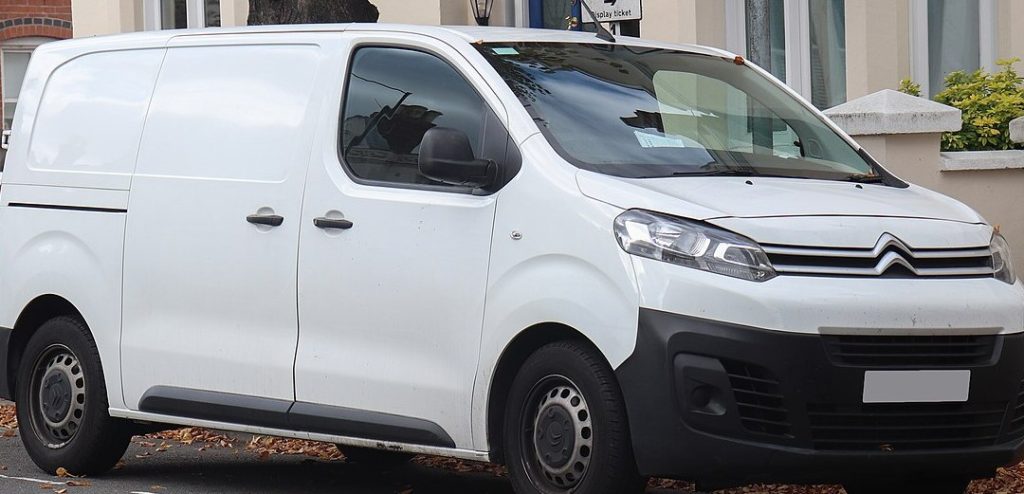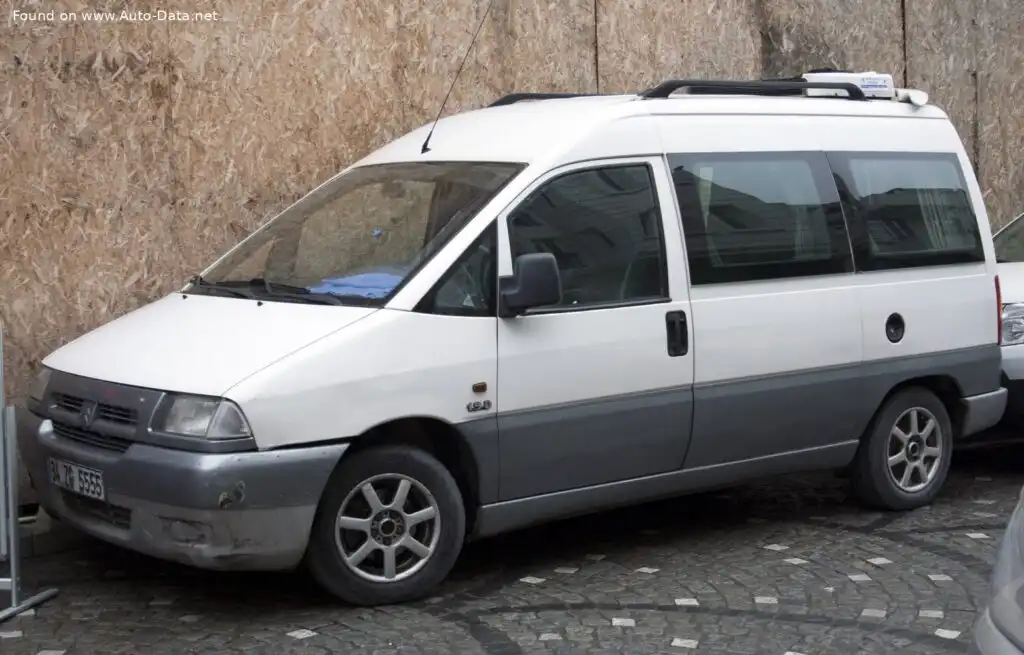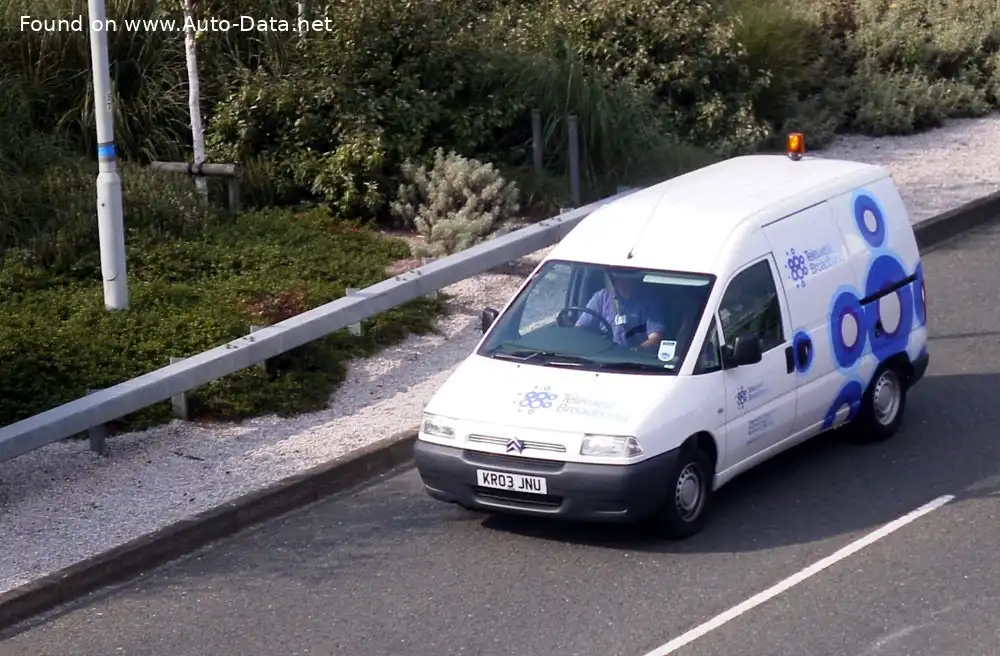
The Citroen Jumpy I 1.6i, producing 80 horsepower, was a mainstay of Citroen’s light commercial vehicle range from October 1996 to May 2000. Part of the first generation Jumpy (also known as the Citroën Dispatch in the UK and the Fiat Scudo due to the shared platform), this variant served as an entry-level option, primarily aimed at businesses and individuals needing a practical, affordable van. It was built upon the 1HX0 platform, shared with Peugeot and Fiat, resulting in a collaborative effort to reduce development costs and offer a competitive product in the European market. The Jumpy I 1.6i 80hp was positioned as the base model, offering a balance between cost and functionality, and was often chosen for applications where outright performance wasn’t a primary concern.
Technical Specifications
| Brand | Citroen |
| Model | Jumpy |
| Generation | Jumpy I |
| Type (Engine) | 1.6i (80 Hp) |
| Start of production | October, 1996 |
| End of production | May, 2000 |
| Powertrain Architecture | Internal Combustion engine |
| Body type | Minivan |
| Seats | 2 |
| Doors | 4 |
| Fuel consumption (urban) | 12.9 l/100 km (18.2 US mpg, 21.9 UK mpg, 7.8 km/l) |
| Fuel consumption (extra urban) | 8.6 l/100 km (27.4 US mpg, 32.8 UK mpg, 11.6 km/l) |
| Fuel consumption (combined) | 10.2 l/100 km (23.1 US mpg, 27.7 UK mpg, 9.8 km/l) |
| Fuel Type | Petrol (Gasoline) |
| Acceleration 0 – 100 km/h | 16.6 sec |
| Acceleration 0 – 62 mph | 16.6 sec |
| Acceleration 0 – 60 mph | 15.8 sec |
| Maximum speed | 148 km/h (91.96 mph) |
| Emission standard | Euro 2 |
| Weight-to-power ratio | 16.5 kg/Hp, 60.6 Hp/tonne |
| Weight-to-torque ratio | 10.6 kg/Nm, 94.7 Nm/tonne |
| Power | 80 Hp @ 5750 rpm |
| Power per litre | 50.6 Hp/l |
| Torque | 125 Nm @ 2750 rpm (92.2 lb.-ft. @ 2750 rpm) |
| Engine layout | Front, Transverse |
| Engine Model/Code | 220A2000 |
| Engine displacement | 1581 cm3 (96.48 cu. in.) |
| Number of cylinders | 4 |
| Engine configuration | Inline |
| Cylinder Bore | 86.4 mm (3.4 in.) |
| Piston Stroke | 67.4 mm (2.65 in.) |
| Compression ratio | 9.2:1 |
| Number of valves per cylinder | 2 |
| Fuel injection system | Single-point injection |
| Engine aspiration | Naturally aspirated engine |
| Valvetrain | SOHC |
| Engine oil capacity | 3.75 l (3.96 US qt | 3.3 UK qt) |
| Coolant | 8 l (8.45 US qt | 7.04 UK qt) |
| Kerb Weight | 1320 kg (2910.1 lbs.) |
| Max. weight | 2135 kg (4706.87 lbs.) |
| Max load | 815 kg (1796.77 lbs.) |
| Trunk (boot) space – maximum | 4000 l (141.26 cu. ft.) |
| Fuel tank capacity | 80 l (21.13 US gal | 17.6 UK gal) |
| Max. roof load | 100 kg (220.46 lbs.) |
| Permitted trailer load with brakes (8%) | 1600 kg (3527.4 lbs.) |
| Permitted trailer load with brakes (12%) | 1100 kg (2425.08 lbs.) |
| Permitted trailer load without brakes | 660 kg (1455.05 lbs.) |
| Permitted towbar download | 60 kg (132.28 lbs.) |
| Length | 4440 mm (174.8 in.) |
| Width | 1810 mm (71.26 in.) |
| Width including mirrors | 2134 mm (84.02 in.) |
| Height | 1927 mm (75.87 in.) |
| Wheelbase | 2824 mm (111.18 in.) |
| Front track | 1540 mm (60.63 in.) |
| Rear (Back) track | 1540 mm (60.63 in.) |
| Front overhang | 846 mm (33.31 in.) |
| Rear overhang | 770 mm (30.31 in.) |
| Drag coefficient (Cd) | 0.35 |
| Minimum turning circle (turning diameter) | 12.38 m (40.62 ft.) |
| Drivetrain Architecture | The Internal combustion engine (ICE) drives the front wheels of the vehicle. |
| Drive wheel | Front wheel drive |
| Number of gears and type of gearbox | 5 gears, manual transmission |
| Front suspension | Independent, type McPherson with coil spring and anti-roll bar |
| Rear suspension | Trailing arm |
| Front brakes | Ventilated discs |
| Rear brakes | Drum |
| Assisting systems | ABS (Anti-lock braking system) |
| Steering type | Steering rack and pinion |
| Power steering | Hydraulic Steering |
| Tires size | 195/70 R14 |
Powertrain & Engine Architecture
The Citroen Jumpy I 1.6i 80hp was powered by the Citroen 220A2000 engine, a 1.6-liter inline-four cylinder petrol engine. This engine featured a single overhead camshaft (SOHC) valvetrain with two valves per cylinder. Fuel delivery was handled by a single-point fuel injection system, a relatively simple and cost-effective technology for the time. This system, while less precise than multi-point injection, was reliable and contributed to the van’s affordability. The engine produced 80 horsepower at 5750 rpm and 125 Nm (92.2 lb-ft) of torque at 2750 rpm. The engine’s relatively low output was typical for base-model vans of this era, prioritizing fuel economy and durability over outright performance. The engine was transversely mounted at the front of the vehicle, driving the front wheels. The standard transmission was a five-speed manual gearbox, although an automatic transmission was available as an option, albeit less common.
Driving Characteristics
The driving experience in the Jumpy I 1.6i 80hp was characterized by its practicality rather than its excitement. Acceleration was modest, taking approximately 16.6 seconds to reach 62 mph (100 km/h). The engine felt strained when fully loaded or climbing hills, and overtaking required careful planning. The five-speed manual transmission helped to keep the engine within its optimal operating range, but the gear ratios were spaced to prioritize fuel efficiency over spirited driving. Compared to higher-powered versions of the Jumpy, such as those equipped with the 1.9-liter diesel engine, the 1.6i felt significantly underpowered. However, the 1.6i offered a smoother and quieter driving experience than the diesel, making it more suitable for urban environments and shorter journeys.
Equipment & Trim Levels
The Jumpy I 1.6i 80hp was typically equipped with basic, functional features. Standard equipment included power steering, a driver’s airbag, and a basic audio system. The interior was utilitarian, with durable plastic trim and cloth upholstery. Optional extras included air conditioning, electric windows, and a more advanced audio system. The trim level was generally basic, focusing on providing a practical and affordable work vehicle. The emphasis was on maximizing cargo space and minimizing cost, rather than offering luxury features.
Chassis & Braking
The Jumpy I featured an independent McPherson strut suspension at the front and a trailing arm suspension at the rear. This setup provided a reasonable level of ride comfort, although it was not particularly sporty. The front brakes were ventilated discs, while the rear brakes were drums. Anti-lock braking system (ABS) was standard, enhancing safety. The steering was a rack and pinion system with hydraulic power assistance, providing relatively light and precise steering feel. The suspension was tuned to prioritize load-carrying capacity and stability, rather than handling precision.
Market Reception & Comparison
The Citroen Jumpy I 1.6i 80hp was generally well-received as a practical and affordable light commercial vehicle. Critics praised its spacious interior, good fuel economy (around 23.1 US mpg combined), and reliable engine. However, it was often criticized for its lack of power, particularly when fully loaded. Compared to the 1.9-liter diesel versions, the 1.6i offered lower running costs but significantly reduced performance. The diesel models were favored by businesses that required greater load-carrying capacity and longer driving ranges. The 1.6i appealed to individuals and smaller businesses that prioritized affordability and ease of driving.
Legacy
The Citroen Jumpy I 1.6i 80hp has proven to be a relatively reliable and durable vehicle. The 220A2000 engine, while not particularly powerful, is known for its longevity and relatively low maintenance costs. Today, these vans are often found in the hands of small businesses and private owners who appreciate their practicality and affordability. While not a collector’s item, well-maintained examples are still sought after as work vehicles. The Jumpy I 1.6i represents a practical and honest approach to light commercial vehicle design, offering a no-frills solution for those needing a reliable and affordable van.