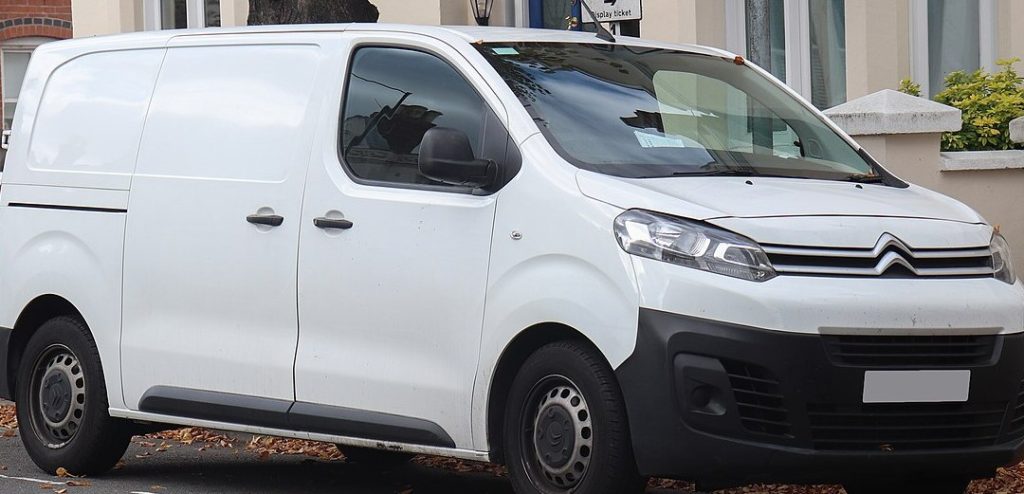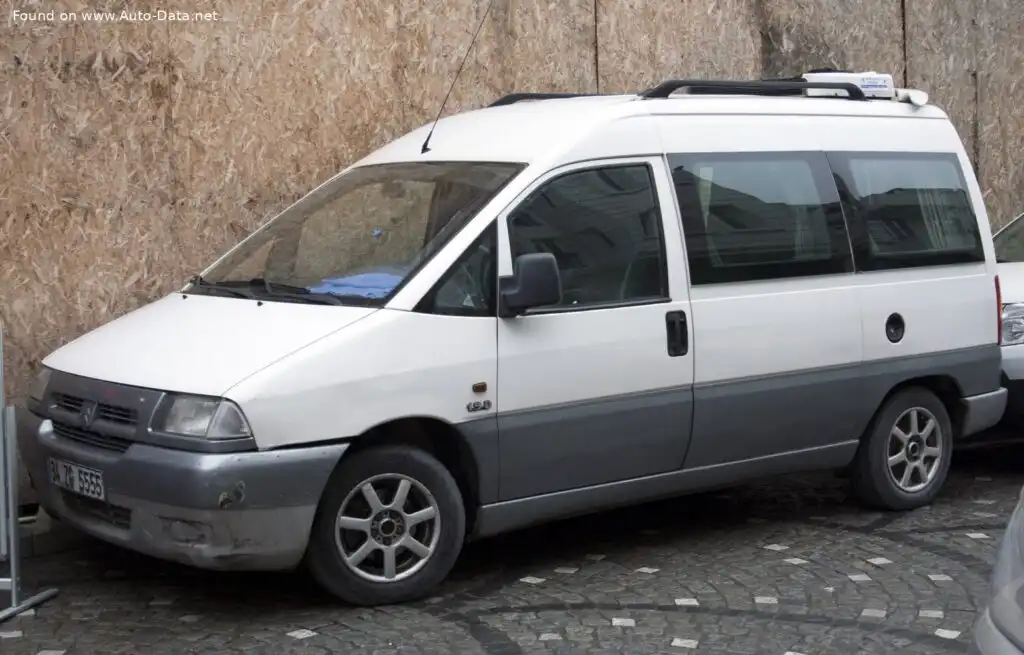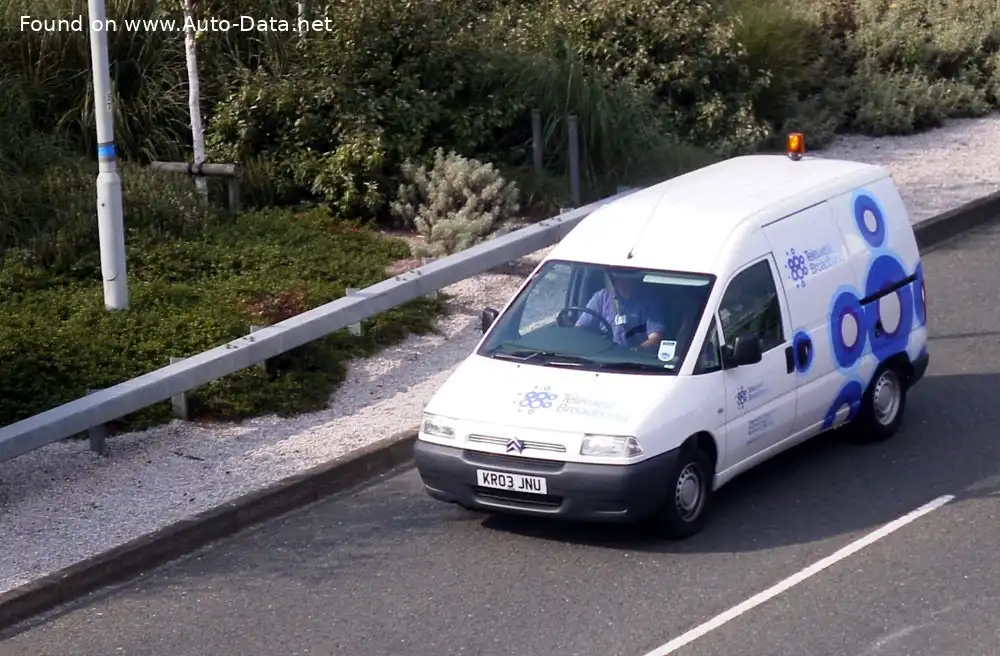
The Citroen Jumpy I 1.9TD, producing 92 horsepower, was a popular choice in the European light commercial vehicle (LCV) market from its introduction in October 1995 until its replacement in May 1999. Part of the first generation Jumpy (also sold as the Peugeot Expert and Fiat Scudo through a joint venture), this variant occupied a crucial position in the lineup, offering a balance between affordability, practicality, and reasonable performance for commercial users and families alike. It was designed to compete with established vans like the Renault Trafic and Volkswagen Transporter, offering a spacious interior and versatile cargo capacity. This model represented Citroen’s entry into the mid-size van segment, aiming to provide a more modern and efficient alternative to older designs.
Technical Specifications
| Brand | Citroen |
| Model | Jumpy |
| Generation | Jumpy I |
| Type (Engine) | 1.9TD (92 Hp) |
| Start of production | October, 1995 |
| End of production | May, 1999 |
| Powertrain Architecture | Internal Combustion engine |
| Body type | Minivan |
| Seats | 2-3 |
| Doors | 4 |
| Fuel consumption (urban) | 9.1 l/100 km (25.8 US mpg, 31 UK mpg, 11 km/l) |
| Fuel consumption (extra urban) | 6.5 l/100 km (36.2 US mpg, 43.5 UK mpg, 15.4 km/l) |
| Fuel consumption (combined) | 7.37 l/100 km (31.9 US mpg, 38.3 UK mpg, 13.6 km/l) |
| Fuel Type | Diesel |
| Acceleration 0 – 100 km/h | 14.2 sec |
| Acceleration 0 – 62 mph | 14.2 sec |
| Acceleration 0 – 60 mph | 13.5 sec |
| Maximum speed | 157 km/h (97.56 mph) |
| Weight-to-power ratio | 15 kg/Hp, 66.7 Hp/tonne |
| Weight-to-torque ratio | 7 kg/Nm, 142 Nm/tonne |
| Power | 92 Hp @ 4000 rpm |
| Power per litre | 48.3 Hp/l |
| Torque | 196 Nm @ 2250 rpm (144.56 lb.-ft. @ 2250 rpm) |
| Engine layout | Front, Transverse |
| Engine Model/Code | XUD9TE |
| Engine displacement | 1905 cm3 (116.25 cu. in.) |
| Number of cylinders | 4 |
| Engine configuration | Inline |
| Cylinder Bore | 83 mm (3.27 in.) |
| Piston Stroke | 88 mm (3.46 in.) |
| Compression ratio | 21.8:1 |
| Number of valves per cylinder | 2 |
| Fuel injection system | Precombustion chamber injection |
| Engine aspiration | Turbocharger, Intercooler |
| Valvetrain | SOHC |
| Engine oil capacity | 4.2 l (4.44 US qt | 3.7 UK qt) |
| Coolant | 9 l (9.51 US qt | 7.92 UK qt) |
| Kerb Weight | 1380 kg (3042.38 lbs.) |
| Max. weight | 2220 kg (4894.26 lbs.) |
| Max load | 840 kg (1851.88 lbs.) |
| Trunk (boot) space – maximum | 4000 l (141.26 cu. ft.) |
| Fuel tank capacity | 80 l (21.13 US gal | 17.6 UK gal) |
| Max. roof load | 150 kg (330.69 lbs.) |
| Permitted trailer load with brakes (12%) | 1300 kg (2866.01 lbs.) |
| Permitted trailer load without brakes | 700 kg (1543.24 lbs.) |
| Permitted towbar download | 60 kg (132.28 lbs.) |
| Length | 4440 mm (174.8 in.) |
| Width | 1810 mm (71.26 in.) |
| Width including mirrors | 2134 mm (84.02 in.) |
| Height | 1927 mm (75.87 in.) |
| Wheelbase | 2824 mm (111.18 in.) |
| Front track | 1540 mm (60.63 in.) |
| Rear (Back) track | 1540 mm (60.63 in.) |
| Front overhang | 846 mm (33.31 in.) |
| Rear overhang | 770 mm (30.31 in.) |
| Drag coefficient (Cd) | 0.35 |
| Minimum turning circle | 12.38 m (40.62 ft.) |
| Drivetrain Architecture | Front wheel drive |
| Number of gears and type of gearbox | 5 gears, manual transmission |
| Front suspension | Independent, type McPherson with coil spring and anti-roll bar |
| Rear suspension | Trailing arm |
| Front brakes | Ventilated discs |
| Rear brakes | Drum |
| Assisting systems | ABS (Anti-lock braking system) |
| Steering type | Steering rack and pinion |
| Power steering | Hydraulic Steering |
| Tires size | 195/70 R14 |
Powertrain & Engine Architecture
The heart of the Jumpy I 1.9TD was the XUD9TE engine, a 1.9-liter inline-four diesel engine. This engine was a mainstay of Citroen and Peugeot vehicles for many years, known for its robustness and relatively simple design. The XUD9TE featured precombustion chamber injection, a system common in diesel engines of the era, which improved combustion efficiency and reduced noise compared to direct injection systems. A turbocharger with an intercooler was added to boost power output to 92 horsepower, providing a noticeable improvement over naturally aspirated versions. The engine utilized a single overhead camshaft (SOHC) valvetrain, operating two valves per cylinder. The five-speed manual transmission was the standard offering, chosen for its durability and cost-effectiveness. The engine’s transverse mounting within the front-wheel-drive chassis contributed to maximizing interior space.
Driving Characteristics
The 1.9TD 92hp variant of the Jumpy I offered a practical, if not particularly exciting, driving experience. Acceleration was modest, taking around 14.2 seconds to reach 62 mph, and top speed was around 97.56 mph. However, the engine’s 196 Nm (144.56 lb-ft) of torque, available from 2250 rpm, provided adequate pulling power for carrying loads or navigating hilly terrain. The five-speed gearbox was well-matched to the engine’s characteristics, allowing for comfortable cruising at highway speeds. Compared to the more powerful petrol engines available in the Jumpy range, the 1.9TD prioritized fuel economy and durability over outright performance. The manual transmission offered more driver control than the optional automatic, but the automatic was favored by those prioritizing ease of use in urban environments.
Equipment & Trim Levels
The Jumpy I 1.9TD was typically offered in a relatively basic trim level, reflecting its commercial vehicle origins. Standard equipment generally included power steering, central locking, and a driver’s airbag. Interior upholstery was typically hard-wearing cloth. Optional extras included air conditioning, electric windows, and upgraded audio systems. The Jumpy’s interior was designed for practicality, with a focus on durability and ease of cleaning. The van’s modular interior allowed for flexible cargo configurations, with options for multiple seating arrangements and load bay partitioning.
Chassis & Braking
The Jumpy I utilized a McPherson strut independent suspension setup at the front, providing a comfortable ride and predictable handling. The rear suspension employed a trailing arm configuration, chosen for its simplicity and load-carrying capacity. Braking was handled by ventilated discs at the front and drum brakes at the rear. Anti-lock Braking System (ABS) was standard, enhancing safety during emergency braking situations. The steering was a rack and pinion system with hydraulic power assistance, providing light and precise steering feel.
Market Reception & Comparison
The Citroen Jumpy I 1.9TD was well-received in the European market as a practical and reliable workhorse. Critics praised its spacious interior, fuel efficiency, and robust engine. Compared to the petrol-powered Jumpy variants, the 1.9TD offered significantly better fuel economy, making it a popular choice for high-mileage users. While the 1.9TD wasn’t the fastest version of the Jumpy, its affordability and low running costs made it a compelling option for businesses and families. The Jumpy’s main competitors, such as the Renault Trafic and Volkswagen Transporter, offered similar levels of practicality and reliability, but the Jumpy often undercut them on price.
Legacy
The Citroen Jumpy I 1.9TD, and the XUD9TE engine it featured, have earned a reputation for durability and longevity. Many examples are still in use today, testament to the engine’s robust construction. While maintenance costs can increase with age, parts availability remains relatively good. The Jumpy I laid the foundation for Citroen’s continued success in the light commercial vehicle segment, and the 1.9TD variant remains a popular choice in the used van market for those seeking a reliable and affordable workhorse.