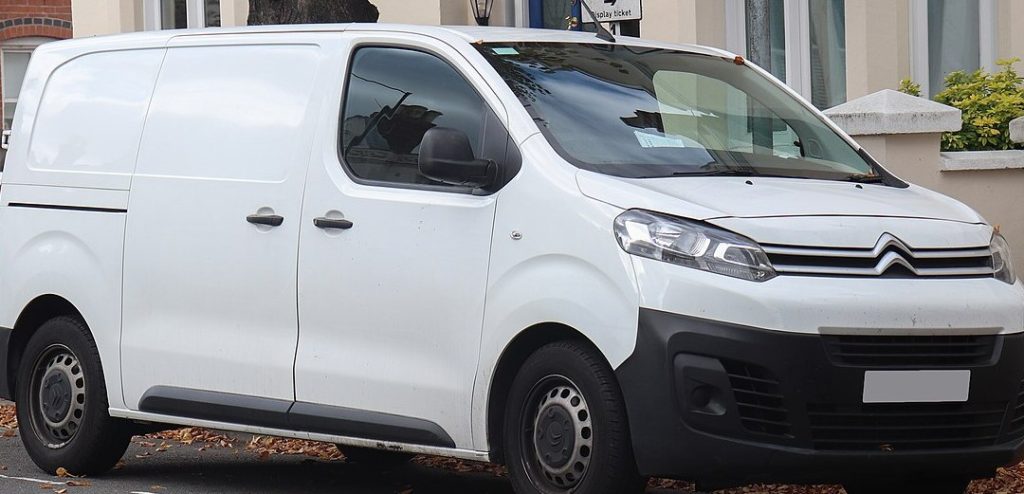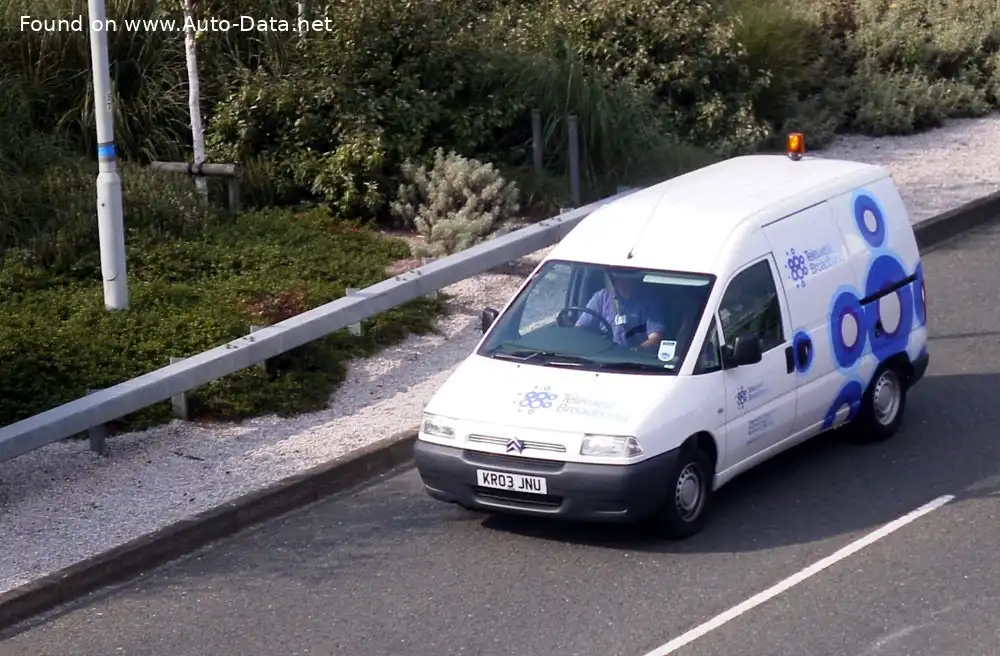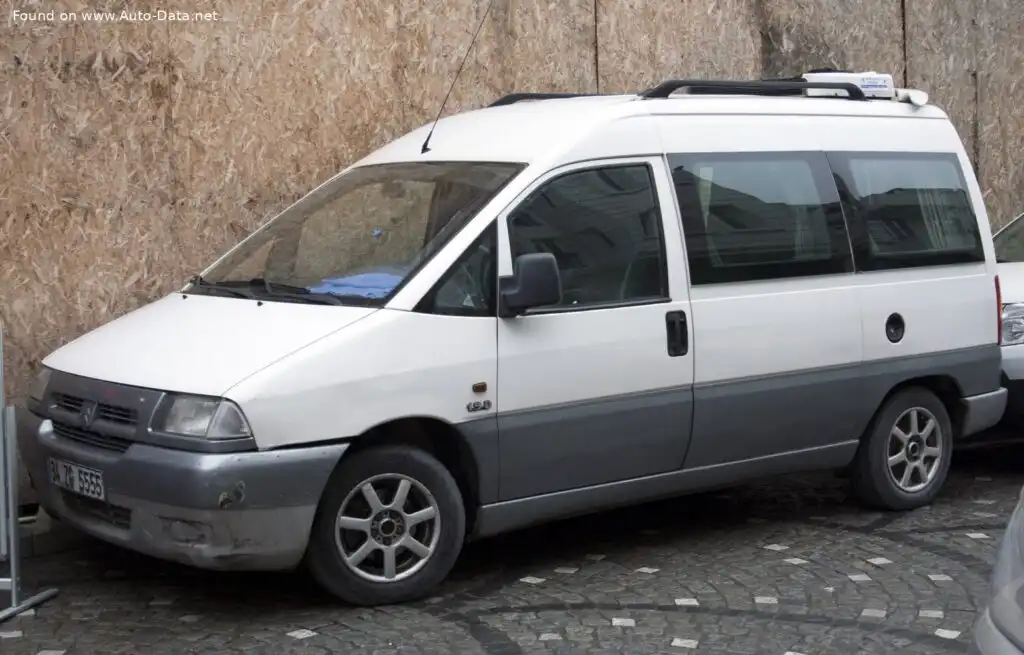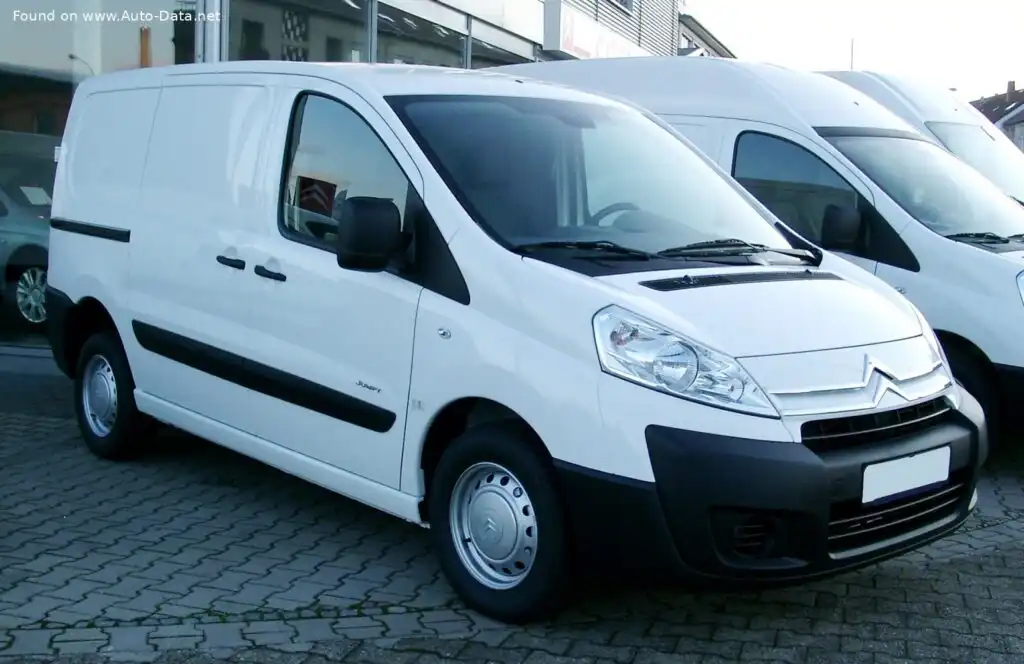
The Citroen Jumpy II 2.0 16V (140 hp) L1H1, produced between 2007 and 2010, represents a significant iteration of Citroen’s light commercial vehicle offering. Positioned as a versatile mid-range option within the Jumpy II lineup, this variant catered to businesses and families needing a practical and reasonably efficient van. The “L1H1” designation refers to the vehicle’s body length and roof height – a compact configuration making it suitable for urban environments while still offering substantial cargo capacity. It was part of the second generation of the Jumpy, internally known as the G9 platform, which was developed in collaboration with Peugeot and Fiat, resulting in the closely related Peugeot Expert and Fiat Scudo models.
Technical Specifications
| Brand | Citroen |
| Model | Jumpy |
| Generation | Jumpy II |
| Type (Engine) | 2.0 16V (140 Hp) L1H1 |
| Start of production | 2007 |
| End of production | 2010 |
| Powertrain Architecture | Internal Combustion engine |
| Body type | Minivan |
| Seats | 3 |
| Doors | 4 |
| Fuel consumption (urban) | 13.2 l/100 km (17.8 US mpg, 21.4 UK mpg, 7.6 km/l) |
| Fuel consumption (extra urban) | 8.0 l/100 km (29.4 US mpg, 35.3 UK mpg, 12.5 km/l) |
| Fuel consumption (combined) | 9.9 l/100 km (23.8 US mpg, 28.5 UK mpg, 10.1 km/l) |
| CO2 emissions | 235 g/km |
| Fuel Type | Petrol (Gasoline) |
| Acceleration 0 – 100 km/h | 13.4 sec |
| Acceleration 0 – 62 mph | 13.4 sec |
| Acceleration 0 – 60 mph | 12.7 sec |
| Maximum speed | 165 km/h (102.53 mph) |
| Emission standard | Euro 4 |
| Weight-to-power ratio | 11.9 kg/Hp, 84.3 Hp/tonne |
| Weight-to-torque ratio | 9.2 kg/Nm, 108.4 Nm/tonne |
| Power | 140 Hp @ 6000 rpm |
| Power per litre | 70.1 Hp/l |
| Torque | 180 Nm @ 2500 rpm (132.76 lb.-ft. @ 2500 rpm) |
| Engine layout | Front, Transverse |
| Engine Model/Code | RFH EW10A |
| Engine displacement | 1997 cm3 (121.86 cu. in.) |
| Number of cylinders | 4 |
| Engine configuration | Inline |
| Cylinder Bore | 85 mm (3.35 in.) |
| Piston Stroke | 88 mm (3.46 in.) |
| Number of valves per cylinder | 4 |
| Fuel injection system | Multi-port manifold injection |
| Engine aspiration | Naturally aspirated engine |
| Engine oil capacity | 5 l (5.28 US qt | 4.4 UK qt) |
| Kerb Weight | 1661 kg (3661.88 lbs.) |
| Max. weight | 2661 kg (5866.5 lbs.) |
| Max load | 1000 kg (2204.62 lbs.) |
| Trunk (boot) space – maximum | 5000 l (176.57 cu. ft.) |
| Fuel tank capacity | 80 l (21.13 US gal | 17.6 UK gal) |
| Max. roof load | 170 kg (374.79 lbs.) |
| Permitted trailer load with brakes (12%) | 1389 kg (3062.22 lbs.) |
| Permitted trailer load without brakes | 750 kg (1653.47 lbs.) |
| Permitted towbar download | 60 kg (132.28 lbs.) |
| Length | 4805 mm (189.17 in.) |
| Width | 1895 mm (74.61 in.) |
| Width with mirrors folded | 1986 mm (78.19 in.) |
| Width including mirrors | 2194 mm (86.38 in.) |
| Height | 1880 mm (74.02 in.) |
| Wheelbase | 3000 mm (118.11 in.) |
| Front track | 1562 mm (61.5 in.) |
| Rear (Back) track | 1596 mm (62.83 in.) |
| Front overhang | 975 mm (38.39 in.) |
| Rear overhang | 830 mm (32.68 in.) |
| Drivetrain Architecture | The Internal combustion engine (ICE) drives the front wheels of the vehicle. |
| Drive wheel | Front wheel drive |
| Number of gears and type of gearbox | 5 gears, manual transmission |
| Front suspension | Independent, type McPherson with coil spring and anti-roll bar |
| Rear suspension | Semi-dependent beam with stabilizer lateral stability |
| Front brakes | Ventilated discs, 304×28 mm |
| Rear brakes | Disc, 290×14 mm |
| Assisting systems | ABS (Anti-lock braking system) |
| Steering type | Steering rack and pinion |
| Tires size | 215/60 R16 |
| Wheel rims size | 16 |
Powertrain & Engine Architecture
The heart of the Jumpy II 2.0 16V is the RFH (also known as EW10A) engine, a 1.997-liter inline-four cylinder gasoline engine. This engine was part of the PSA Group’s (Peugeot Société Anonyme) EW series, known for its relatively simple design and reasonable reliability. The “16V” designation indicates the engine features four valves per cylinder, enhancing breathing and contributing to its power output. Fuel delivery is managed by a multi-port fuel injection system, providing precise fuel metering for optimal combustion. The engine utilizes a single overhead camshaft (SOHC) design. The 140 horsepower output is achieved at 6000 rpm, while peak torque of 180 Nm (132.76 lb-ft) is delivered at 2500 rpm. The engine is transversely mounted at the front of the vehicle, driving the front wheels. The standard transmission for this variant was a five-speed manual gearbox, although an automatic transmission was available as an option, albeit less common.
Driving Characteristics
The Jumpy II 2.0 16V with the five-speed manual transmission offered a balance between usability and performance. Acceleration was adequate for everyday driving, with a 0-60 mph time of around 12.7 seconds. However, it wasn’t designed for rapid acceleration or sporty handling. The engine felt relatively responsive in the mid-range, making it suitable for highway cruising and overtaking. The five-speed gearbox provided reasonable spacing between gears, allowing the driver to keep the engine within its optimal power band. Compared to the diesel variants, the 2.0 16V offered a smoother and quieter driving experience, but at the cost of fuel economy and low-end torque. The automatic transmission, when equipped, dulled performance somewhat, with slightly slower acceleration and a less engaging driving feel.
Equipment & Trim Levels
The Jumpy II 2.0 16V L1H1 typically came with a fairly basic level of equipment, reflecting its commercial vehicle origins. Standard features included power steering, central locking, and an adjustable steering column. The interior was functional and durable, with hard-wearing plastics and cloth upholstery. Air conditioning was often an optional extra, as were features like electric windows and a radio/CD player. Higher trim levels offered upgrades such as improved upholstery, additional storage compartments, and a more comprehensive audio system. The L1H1 configuration provided a generous cargo area, making it ideal for transporting goods or equipment. The rear doors typically featured a 180-degree opening for easy loading and unloading.
Chassis & Braking
The Jumpy II utilized a McPherson strut front suspension with a coil spring and anti-roll bar, providing a comfortable ride and reasonable handling. The rear suspension employed a semi-dependent beam with a stabilizer bar, offering a good balance between load-carrying capacity and stability. The braking system consisted of ventilated discs at the front and solid discs at the rear. Anti-lock Braking System (ABS) was standard, enhancing safety during emergency braking situations. The steering was rack and pinion, providing precise and responsive steering feel.
Market Reception & Comparison
The Citroen Jumpy II 2.0 16V L1H1 was generally well-received as a practical and versatile light commercial vehicle. Critics praised its spacious interior, comfortable ride, and reasonable fuel economy (though less efficient than the diesel options). However, some reviewers noted that the gasoline engine lacked the low-end torque of the diesel variants, making it less suitable for heavy loads or frequent towing. Compared to the 1.9 TDI diesel, the 2.0 16V offered a quieter and smoother driving experience but suffered from significantly higher fuel consumption. The diesel models were generally preferred by businesses prioritizing fuel efficiency and load-carrying capacity.
Legacy
The Citroen Jumpy II 2.0 16V L1H1, while not the most popular version of the Jumpy II, remains a relatively common sight on European roads. The RFH engine, while not known for being exceptionally durable, is generally reliable if properly maintained. Common issues include oil leaks and occasional problems with the ignition system. On the used car market, these vans are typically affordable and represent a good value for those needing a practical and spacious vehicle. The availability of spare parts is generally good, and the relatively simple mechanical design makes them relatively easy to repair. The Jumpy II, in all its variants, helped solidify Citroen’s reputation as a manufacturer of dependable and versatile light commercial vehicles.