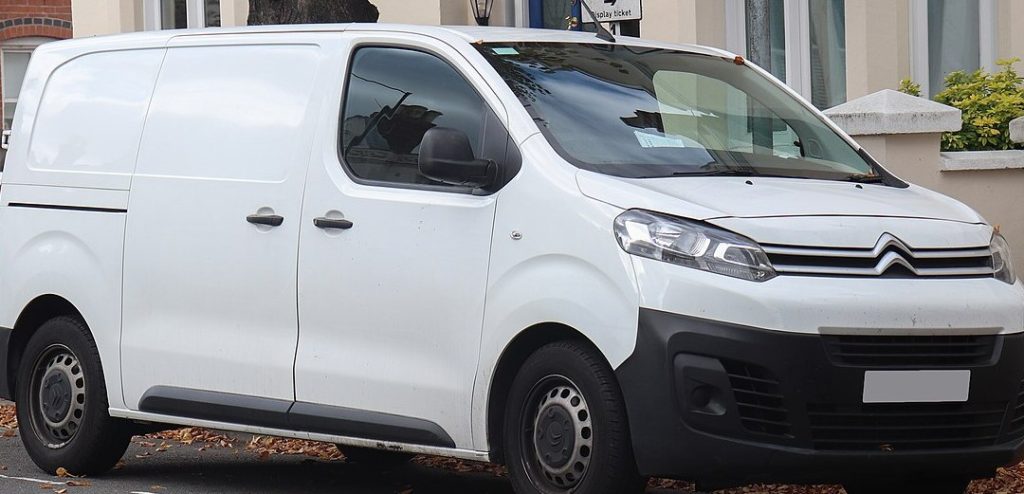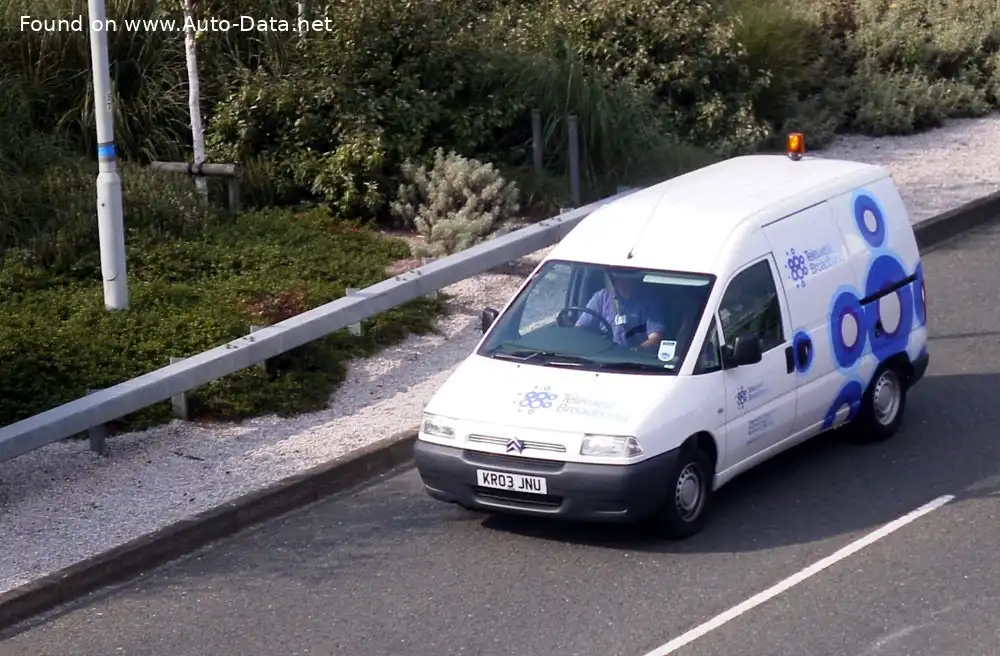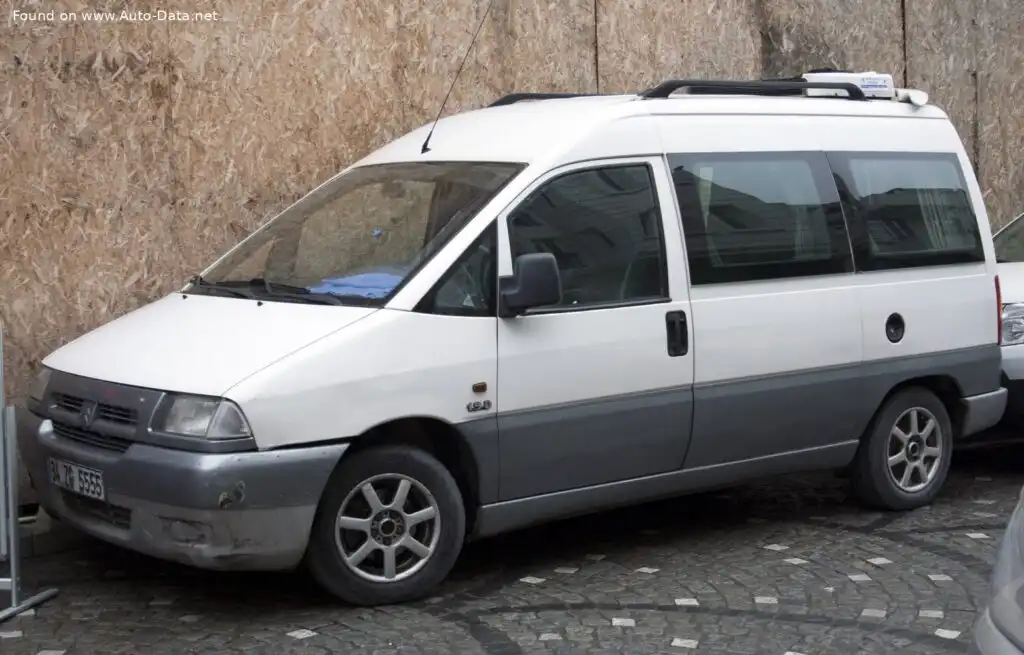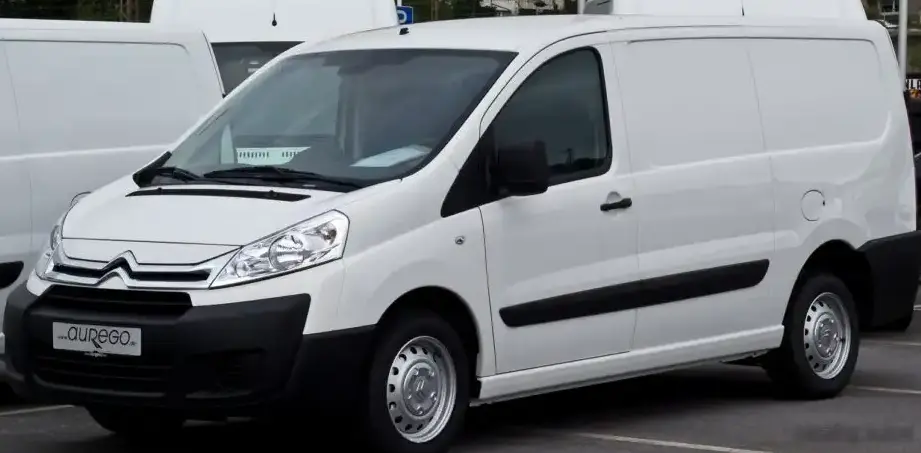
The Citroen Jumpy II, specifically the 1.6 HDi (90 hp) L1H1 27 variant produced from 2012 to 2015, represents a popular choice within the light commercial vehicle segment in Europe. This iteration of the Jumpy, a second-generation model, was a key component of Citroen’s strategy to offer a versatile and practical van for businesses and tradespeople. The “L1H1” designation refers to the body length and roof height – a compact configuration making it suitable for urban environments. The ‘27’ likely denotes a specific trim or equipment level within the broader Jumpy II range. This model occupied the entry-level position in terms of powertrain options, prioritizing fuel efficiency and affordability over outright performance.
Technical Specifications
| Brand | Citroen |
| Model | Jumpy |
| Generation | Jumpy II (facelift 2012) |
| Type (Engine) | 1.6 HDi (90 Hp) L1H1 27 |
| Start of production | 2012 |
| End of production | 2015 |
| Powertrain Architecture | Internal Combustion engine |
| Body type | Minivan |
| Seats | 3 |
| Doors | 4 |
| Fuel consumption (urban) | 7.9 l/100 km (29.8 US mpg, 35.8 UK mpg, 12.7 km/l) |
| Fuel consumption (extra urban) | 6.2 l/100 km (37.9 US mpg, 45.6 UK mpg, 16.1 km/l) |
| Fuel consumption (combined) | 6.7 l/100 km (35.1 US mpg, 42.2 UK mpg, 14.9 km/l) |
| CO2 emissions | 177 g/km |
| Fuel Type | Diesel |
| Maximum speed | 145 km/h (90.1 mph) |
| Emission standard | Euro 5 |
| Weight-to-power ratio | 18.9 kg/Hp, 52.8 Hp/tonne |
| Weight-to-torque ratio | 9.5 kg/Nm, 105.6 Nm/tonne |
| Power | 90 Hp @ 4000 rpm |
| Power per litre | 57.7 Hp/l |
| Torque | 180 Nm @ 1500 rpm (132.76 lb.-ft. @ 1500 rpm) |
| Engine layout | Front, Transverse |
| Engine Model/Code | 9HU DV6UTED4 |
| Engine displacement | 1560 cm3 (95.2 cu. in.) |
| Number of cylinders | 4 |
| Engine configuration | Inline |
| Cylinder Bore | 75 mm (2.95 in.) |
| Piston Stroke | 88.3 mm (3.48 in.) |
| Number of valves per cylinder | 4 |
| Fuel injection system | Diesel Commonrail |
| Engine aspiration | Turbocharger, Intercooler |
| Engine oil capacity | 5 l (5.28 US qt | 4.4 UK qt) |
| Kerb Weight | 1705 kg (3758.88 lbs.) |
| Max. weight | 2661 kg (5866.5 lbs.) |
| Max load | 956 kg (2107.62 lbs.) |
| Trunk (boot) space – maximum | 5000 l (176.57 cu. ft.) |
| Fuel tank capacity | 80 l (21.13 US gal | 17.6 UK gal) |
| Max. roof load | 170 kg (374.79 lbs.) |
| Permitted trailer load with brakes (12%) | 1672 kg (3686.13 lbs.) |
| Permitted trailer load without brakes | 750 kg (1653.47 lbs.) |
| Permitted towbar download | 70 kg (154.32 lbs.) |
| Length | 4805 mm (189.17 in.) |
| Width | 1895 mm (74.61 in.) |
| Width with mirrors folded | 1986 mm (78.19 in.) |
| Width including mirrors | 2194 mm (86.38 in.) |
| Height | 1880 mm (74.02 in.) |
| Wheelbase | 3000 mm (118.11 in.) |
| Front track | 1570 mm (61.81 in.) |
| Rear (Back) track | 1604 mm (63.15 in.) |
| Front overhang | 975 mm (38.39 in.) |
| Rear overhang | 830 mm (32.68 in.) |
| Drivetrain Architecture | The Internal combustion engine (ICE) drives the front wheels of the vehicle. |
| Drive wheel | Front wheel drive |
| Number of gears and type of gearbox | 5 gears, manual transmission |
| Front suspension | Independent, type McPherson with coil spring and anti-roll bar |
| Rear suspension | Semi-dependent beam with stabilizer lateral stability |
| Front brakes | Ventilated discs, 280×28 mm |
| Rear brakes | Drum |
| Assisting systems | ABS (Anti-lock braking system) |
| Steering type | Steering rack and pinion |
| Tires size | 215/65 R15 |
| Wheel rims size | 15 |
INTRODUCTION
The Citroen Jumpy II, launched in 2007 and receiving a facelift in 2012, was a collaborative effort with Peugeot and Fiat, resulting in the shared platform known as the 1HX0. This partnership allowed the three manufacturers to pool resources and offer competitive light commercial vehicles. The 1.6 HDi 90 hp variant, introduced with the facelift, was designed to appeal to businesses seeking a cost-effective and fuel-efficient van for urban deliveries and light-duty commercial tasks. The L1H1 configuration, denoting a short wheelbase and low roof, further enhanced its maneuverability in congested areas. This trim level was positioned as the entry point into the Jumpy II range, offering a balance between practicality and affordability.
Powertrain & Engine Architecture
At the heart of the Jumpy II 1.6 HDi 90 is the DV6UTED4 engine, identified by the code 9HU. This 1.6-liter, four-cylinder diesel engine utilizes common rail direct injection, a technology that delivers fuel directly into the combustion chamber at high pressure for improved efficiency and reduced emissions. The engine features a turbocharger with an intercooler, enhancing power output and torque. The 90 horsepower is achieved at 4000 rpm, while the peak torque of 180 Nm (132.76 lb.-ft.) is available from just 1500 rpm, providing good low-end pulling power. The engine employs a four-valve-per-cylinder configuration and a single overhead camshaft. The 5-speed manual transmission was the standard offering for this variant, chosen for its simplicity and contribution to fuel economy. While an automated manual transmission was available on some Jumpy II models, it wasn’t typically paired with the 90 hp engine.
Driving Characteristics
The 1.6 HDi 90 hp engine, coupled with the 5-speed manual gearbox, delivers a driving experience focused on practicality rather than performance. Acceleration is modest, and the van is best suited for city driving and shorter journeys. The relatively low power output means that carrying a full load or tackling steep inclines requires careful gear selection. The gear ratios are tuned for fuel efficiency, with a relatively long fifth gear for comfortable cruising on motorways. Compared to the more powerful 1.6 HDi 110 hp or 2.0 HDi variants, the 90 hp model feels noticeably slower, particularly when fully laden. However, the engine’s strong low-end torque makes it reasonably responsive in urban traffic. The steering is light and precise, making maneuvering easy, and the suspension provides a comfortable ride, even on uneven surfaces.
Equipment & Trim Levels
The Jumpy II 1.6 HDi 90 L1H1 27 typically came equipped with a basic but functional level of standard features. These included power steering, a driver’s airbag, ABS brakes, and a basic audio system. The ‘27’ designation likely indicated a specific trim level that added features such as a passenger double seat, rear loading doors, and basic interior trim. Optional extras included air conditioning, electric windows, a CD player, and parking sensors. The interior was designed with practicality in mind, featuring durable materials and a functional dashboard layout. Upholstery was typically cloth, and the focus was on providing a comfortable and hard-wearing cabin for commercial use.
Chassis & Braking
The Jumpy II utilizes a front-wheel-drive layout, contributing to its fuel efficiency and reducing mechanical complexity. The front suspension features an independent McPherson strut setup with a coil spring and anti-roll bar, providing a comfortable ride and good handling. The rear suspension employs a semi-dependent beam axle with a stabilizer bar, offering a good balance between load-carrying capacity and ride comfort. Braking duties are handled by ventilated discs at the front and drum brakes at the rear. ABS (Anti-lock Braking System) is standard, enhancing safety during emergency braking. The chassis is designed to withstand the rigors of commercial use, with a robust construction and a focus on durability.
Market Reception & Comparison
The Citroen Jumpy II 1.6 HDi 90 hp was generally well-received by critics as a practical and economical light commercial vehicle. It was praised for its fuel efficiency, maneuverability, and comfortable ride. However, some reviewers noted its lack of outright performance, particularly when fully loaded. Compared to the more powerful Jumpy II variants, the 90 hp model offered a lower purchase price and better fuel economy, making it an attractive option for businesses prioritizing cost-effectiveness. Against competitors like the Renault Kangoo, Volkswagen Caddy, and Ford Transit Connect, the Jumpy II offered a competitive package in terms of price, practicality, and fuel efficiency.
Legacy
The 1.6 HDi engine, in various iterations, proved to be a reliable and durable powerplant. While some early versions of the DV6 engine experienced issues with the diesel particulate filter (DPF), these were largely addressed in later models. The Jumpy II 1.6 HDi 90 hp remains a popular choice in the used commercial vehicle market, offering a cost-effective and practical solution for small businesses and tradespeople. Its relatively simple mechanical design and readily available parts contribute to its ongoing appeal. However, potential buyers should be aware of the importance of regular maintenance, particularly regarding the DPF, to ensure long-term reliability.