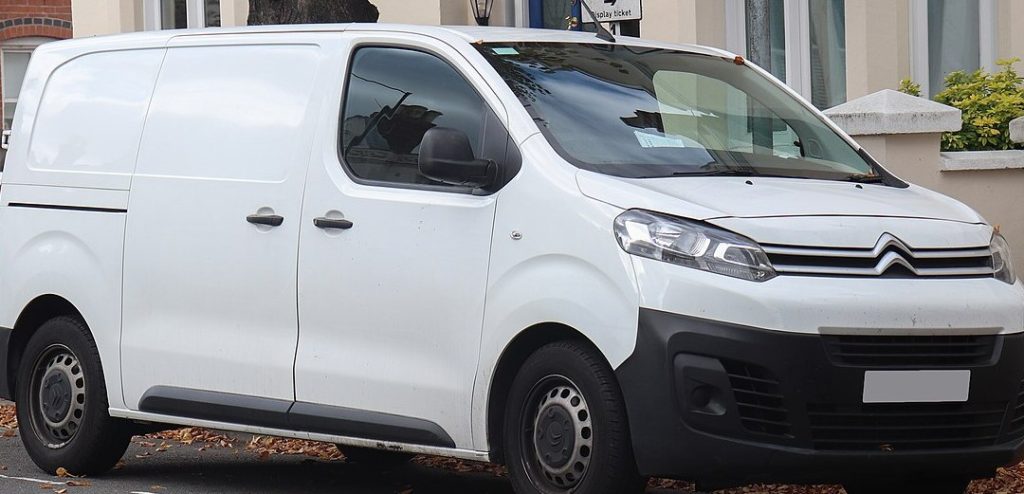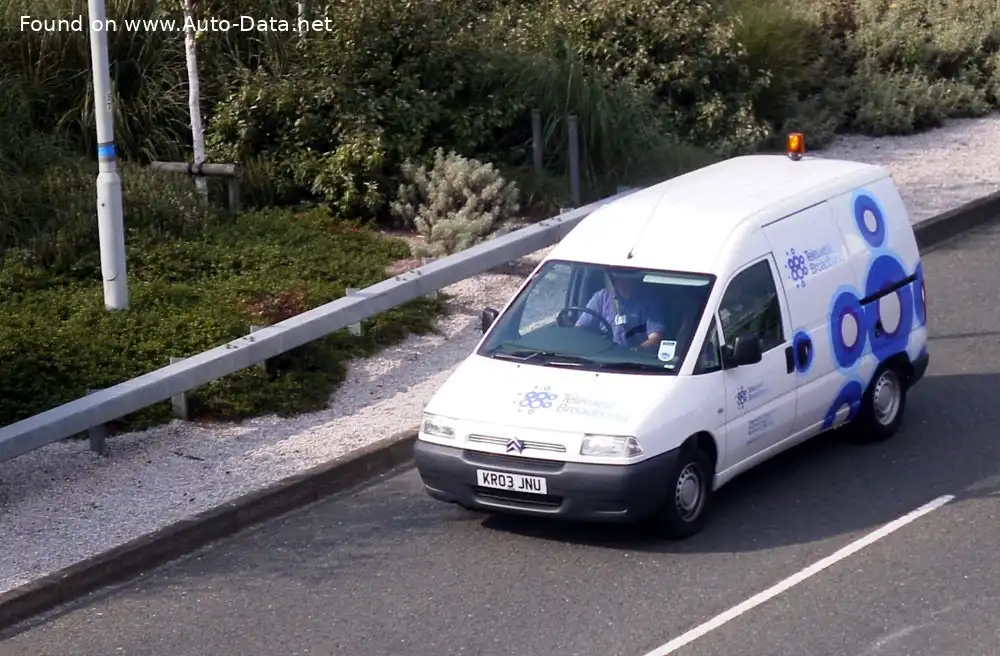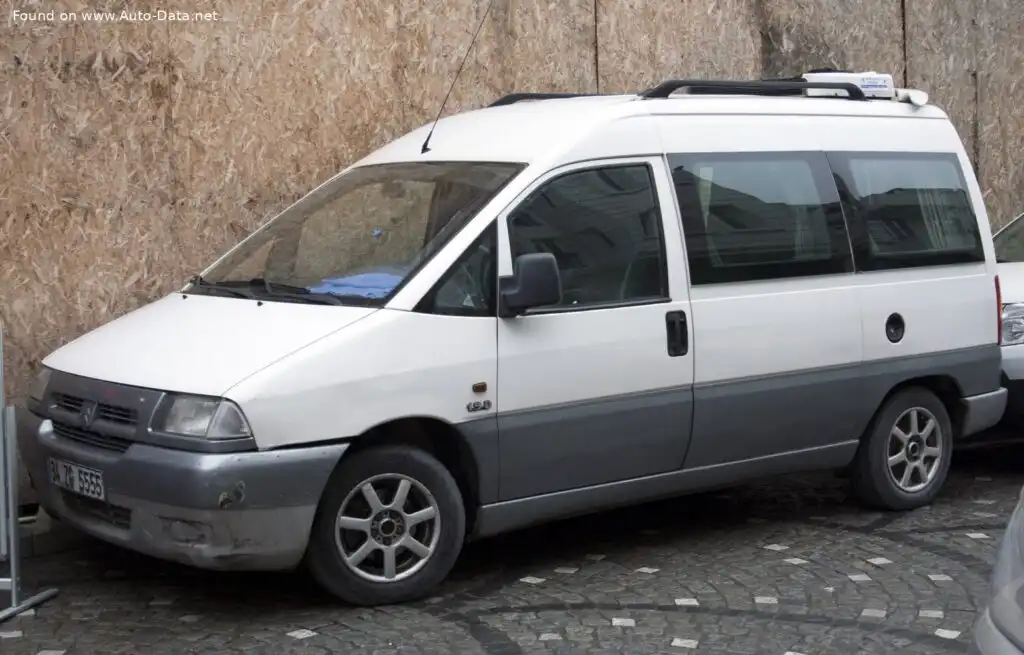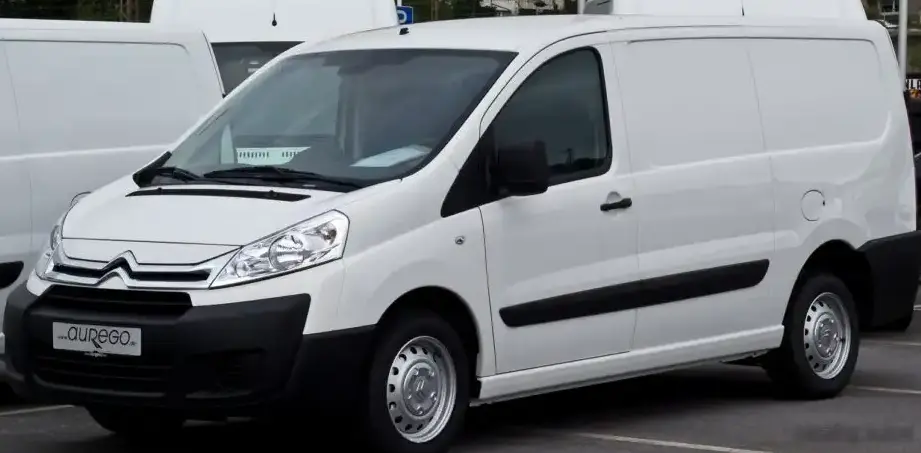
The Citroen Jumpy II, specifically the 2.0 HDi (128 hp) L1H1 29 variant produced from 2012 to 2015, represents a mid-cycle refresh of the second-generation Jumpy. Positioned as a versatile commercial vehicle and passenger carrier, the Jumpy II catered to a broad market segment in Europe, offering a practical alternative to larger vans while providing ample space and functionality. This particular configuration, with its 128 horsepower diesel engine and manual transmission, was a popular choice for businesses and families seeking a balance between fuel efficiency, load capacity, and affordability. The “L1H1” designation refers to the vehicle’s body length and roof height – a shorter wheelbase and standard roof – while “29” likely denotes a specific trim or equipment package. It falls within the broader Jumpy II range which also included variations with different engine outputs and body configurations.
Technical Specifications
| Brand | Citroen |
| Model | Jumpy |
| Generation | Jumpy II (facelift 2012) |
| Type (Engine) | 2.0 HDi (128 Hp) L1H1 29 |
| Start of production | 2012 |
| End of production | 2015 |
| Powertrain Architecture | Internal Combustion engine |
| Body type | Minivan |
| Seats | 3 |
| Doors | 4 |
| Fuel consumption (urban) | 7.6 l/100 km (30.9 US mpg, 37.2 UK mpg, 13.2 km/l) |
| Fuel consumption (extra urban) | 5.8 l/100 km (40.6 US mpg, 48.7 UK mpg, 17.2 km/l) |
| Fuel consumption (combined) | 6.4 l/100 km (36.8 US mpg, 44.1 UK mpg, 15.6 km/l) |
| CO2 emissions | 168 g/km |
| Fuel Type | Diesel |
| Maximum speed | 170 km/h (105.63 mph) |
| Emission standard | Euro 5 |
| Weight-to-power ratio | 13.6 kg/Hp, 73.6 Hp/tonne |
| Weight-to-torque ratio | 5.4 kg/Nm, 184 Nm/tonne |
| Power | 128 Hp @ 4000 rpm |
| Power per litre | 64.1 Hp/l |
| Torque | 320 Nm @ 2000 rpm (236.02 lb.-ft. @ 2000 rpm) |
| Engine layout | Front, Transverse |
| Engine Model/Code | AHZ DW10CD |
| Engine displacement | 1997 cm3 (121.86 cu. in.) |
| Number of cylinders | 4 |
| Engine configuration | Inline |
| Cylinder Bore | 85 mm (3.35 in.) |
| Piston Stroke | 88 mm (3.46 in.) |
| Number of valves per cylinder | 4 |
| Fuel injection system | Diesel Commonrail |
| Engine aspiration | Turbocharger, Intercooler |
| Engine oil capacity | 5 l (5.28 US qt | 4.4 UK qt) |
| Kerb Weight | 1739 kg (3833.84 lbs.) |
| Max. weight | 2898 kg (6389 lbs.) |
| Max load | 1159 kg (2555.16 lbs.) |
| Trunk (boot) space – maximum | 5000 l (176.57 cu. ft.) |
| Fuel tank capacity | 80 l (21.13 US gal | 17.6 UK gal) |
| Max. roof load | 170 kg (374.79 lbs.) |
| Permitted trailer load with brakes (12%) | 2000 kg (4409.25 lbs.) |
| Permitted trailer load without brakes | 750 kg (1653.47 lbs.) |
| Permitted towbar download | 80 kg (176.37 lbs.) |
| Length | 4805 mm (189.17 in.) |
| Width | 1895 mm (74.61 in.) |
| Width with mirrors folded | 1986 mm (78.19 in.) |
| Width including mirrors | 2194 mm (86.38 in.) |
| Height | 1880 mm (74.02 in.) |
| Wheelbase | 3000 mm (118.11 in.) |
| Front track | 1562 mm (61.5 in.) |
| Rear (Back) track | 1596 mm (62.83 in.) |
| Front overhang | 975 mm (38.39 in.) |
| Rear overhang | 830 mm (32.68 in.) |
| Drivetrain Architecture | The Internal combustion engine (ICE) drives the front wheels of the vehicle. |
| Drive wheel | Front wheel drive |
| Number of gears and type of gearbox | 6 gears, manual transmission |
| Front suspension | Independent, type McPherson with coil spring and anti-roll bar |
| Rear suspension | Semi-dependent beam with stabilizer lateral stability |
| Front brakes | Ventilated discs, 304×28 mm |
| Rear brakes | Disc, 290×14 mm |
| Assisting systems | ABS (Anti-lock braking system) |
| Steering type | Steering rack and pinion |
| Tires size | 215/60 R16 |
| Wheel rims size | 16 |
Powertrain & Engine Architecture
The heart of this Jumpy variant is the 2.0 HDi engine, specifically the DW10CD engine code (often identified as AHZ depending on specific calibration). This engine is a four-cylinder, inline diesel engine utilizing common rail direct injection. The DW10CD family of engines were widely used across PSA Group (Peugeot, Citroen) vehicles and are known for their robustness and relatively simple design. The 128 horsepower output was achieved through a turbocharger with an intercooler, optimizing air intake for increased power and efficiency. The engine features four valves per cylinder and a sophisticated fuel injection system that precisely meters fuel delivery for optimal combustion. The six-speed manual transmission was the standard offering, providing a good balance between fuel economy and driver control. The transmission’s gear ratios were tuned to maximize the engine’s torque output at lower RPMs, making it suitable for carrying loads and navigating urban environments.
Driving Characteristics
The 2.0 HDi 128 hp engine in the Jumpy II L1H1 29 delivers adequate performance for everyday use. While not particularly sporty, it provides sufficient power for highway cruising and carrying moderate loads. Acceleration is reasonable, but the vehicle’s weight is noticeable, especially when fully loaded. The manual transmission allows for precise gear selection, and the engine’s torque is readily available from around 2000 rpm, making overtaking maneuvers relatively easy. Compared to higher-output versions of the Jumpy II, such as those with 163 hp engines, this variant feels less powerful, particularly when climbing hills or carrying heavy loads. However, it offers better fuel economy and potentially lower maintenance costs. The gear ratios are spaced to prioritize fuel efficiency, meaning the engine isn’t constantly revving at high speeds.
Equipment & Trim Levels
The “29” designation likely indicates a mid-range trim level. Standard equipment typically included air conditioning, power steering, electric front windows, and a basic audio system. Safety features such as ABS and driver/passenger airbags were also standard. Optional extras could include rear parking sensors, upgraded audio systems, cruise control, and metallic paint. Interior upholstery was typically cloth, with a functional and durable design. The dashboard layout was straightforward and focused on practicality, with easy-to-read gauges and logically placed controls. The L1H1 body style offered a good compromise between interior space and maneuverability.
Chassis & Braking
The Jumpy II utilizes a McPherson strut front suspension with a coil spring and anti-roll bar, providing a comfortable ride and predictable handling. The rear suspension employs a semi-dependent beam with a stabilizer bar, which contributes to stability when carrying loads. The braking system consists of ventilated discs on the front wheels and solid discs on the rear. ABS (Anti-lock Braking System) is standard, enhancing braking performance and safety. The suspension was tuned to prioritize ride comfort and load-carrying capacity over sporty handling.
Market Reception & Comparison
The Citroen Jumpy II 2.0 HDi 128 hp L1H1 29 was generally well-received by critics and buyers alike. It was praised for its practicality, fuel efficiency, and reliability. Compared to other vans and MPVs in its class, the Jumpy II offered a competitive combination of features and price. The 128 hp engine was considered a good compromise for those who didn’t require the extra power of the higher-output versions. Fuel economy was a strong point, making it an attractive option for businesses looking to minimize operating costs. However, some critics noted that the interior was somewhat basic compared to some competitors.
Legacy
The DW10CD engine family, including the version found in the Jumpy II, has proven to be remarkably durable and reliable. With proper maintenance, these engines can accumulate high mileage without major issues. The Jumpy II, as a whole, has established a reputation as a dependable workhorse. On the used car market, these vehicles remain relatively affordable and are popular choices for small businesses, tradespeople, and families. Parts availability is generally good, and maintenance costs are reasonable. The 2.0 HDi 128 hp variant represents a sweet spot in the Jumpy II lineup, offering a good balance of performance, economy, and reliability.