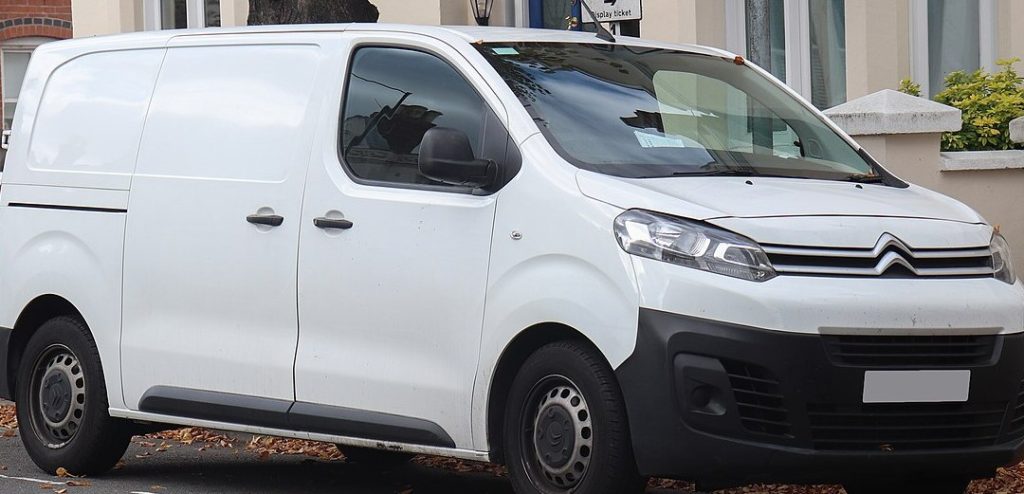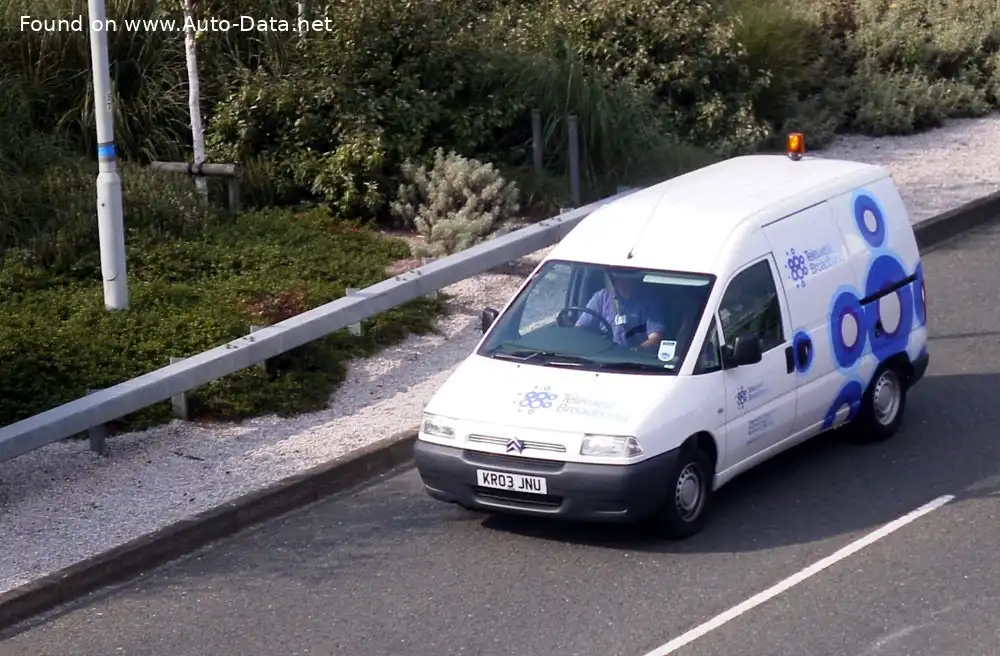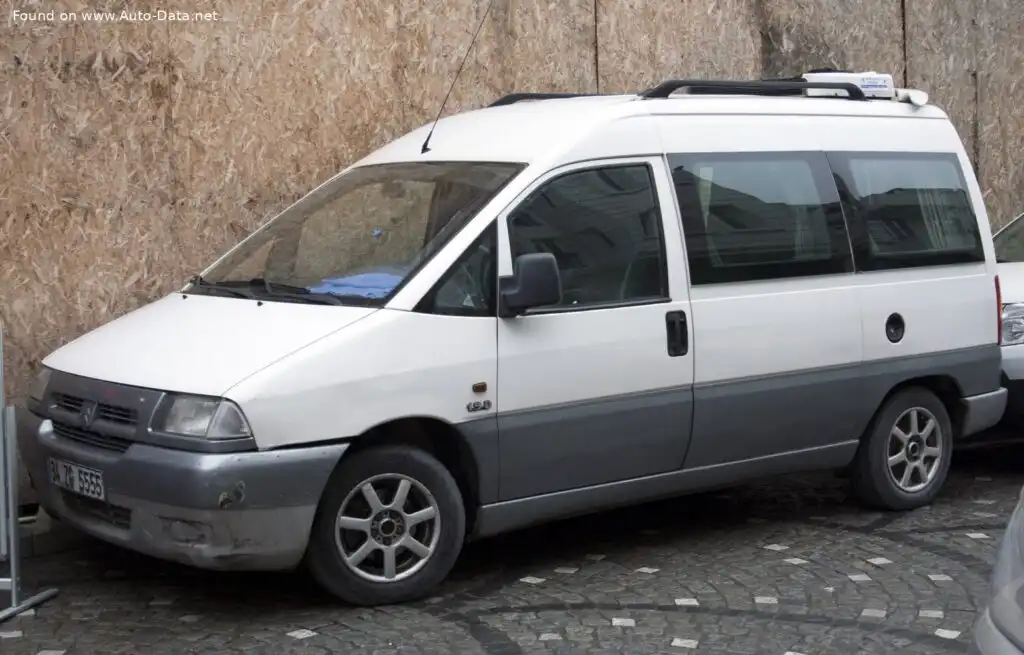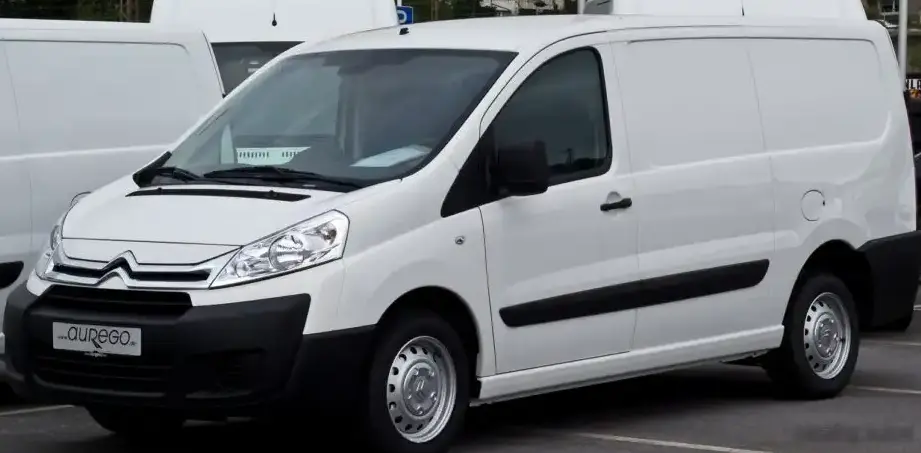
The Citroen Jumpy II, specifically the facelifted version introduced in 2012, represented a significant update to Citroen’s popular light commercial vehicle and passenger carrying van. This variant, equipped with the 2.0 HDi engine producing 163 horsepower and designated as the L1H1 configuration, was a mainstay in the European market from 2012 to 2015. The Jumpy II, and its mechanically identical siblings the Peugeot Expert and Fiat Scudo, offered a versatile platform for both commercial and family use, bridging the gap between smaller panel vans and larger, more expensive options. The L1H1 designation indicates a short wheelbase and standard roof height, making it a practical choice for urban environments.
Technical Specifications
| Brand | Citroen |
| Model | Jumpy |
| Generation | Jumpy II (facelift 2012) |
| Type (Engine) | 2.0 HDi (163 Hp) L1H1 |
| Start of production | 2012 |
| End of production | 2015 |
| Powertrain Architecture | Internal Combustion engine |
| Body type | Minivan |
| Seats | 3 |
| Doors | 4 |
| Fuel consumption (urban) | 7.6 l/100 km (30.9 US mpg, 37.2 UK mpg, 13.2 km/l) |
| Fuel consumption (extra urban) | 5.8 l/100 km (40.6 US mpg, 48.7 UK mpg, 17.2 km/l) |
| Fuel consumption (combined) | 6.4 l/100 km (36.8 US mpg, 44.1 UK mpg, 15.6 km/l) |
| CO2 emissions | 168 g/km |
| Fuel Type | Diesel |
| Maximum speed | 170 km/h (105.63 mph) |
| Emission standard | Euro 5 |
| Weight-to-power ratio | 11 kg/Hp, 91.3 Hp/tonne |
| Weight-to-torque ratio | 5.3 kg/Nm, 190.5 Nm/tonne |
| Power | 163 Hp @ 3750 rpm |
| Power per litre | 81.6 Hp/l |
| Torque | 340 Nm @ 2000 rpm (250.77 lb.-ft. @ 2000 rpm) |
| Engine layout | Front, Transverse |
| Engine Model/Code | RHH DW10CTED4 |
| Engine displacement | 1997 cm3 (121.86 cu. in.) |
| Number of cylinders | 4 |
| Engine configuration | Inline |
| Cylinder Bore | 85 mm (3.35 in.) |
| Piston Stroke | 88 mm (3.46 in.) |
| Number of valves per cylinder | 4 |
| Fuel injection system | Diesel Commonrail |
| Engine aspiration | Turbocharger, Intercooler |
| Engine oil capacity | 5.5 l (5.81 US qt | 4.84 UK qt) |
| Kerb Weight | 1785 kg (3935.25 lbs.) |
| Max. weight | 2943 kg (6488.2 lbs.) |
| Max load | 1158 kg (2552.95 lbs.) |
| Trunk (boot) space – maximum | 5000 l (176.57 cu. ft.) |
| Fuel tank capacity | 80 l (21.13 US gal | 17.6 UK gal) |
| Max. roof load | 170 kg (374.79 lbs.) |
| Permitted trailer load with brakes (12%) | 2000 kg (4409.25 lbs.) |
| Permitted trailer load without brakes | 750 kg (1653.47 lbs.) |
| Permitted towbar download | 80 kg (176.37 lbs.) |
| Length | 4805 mm (189.17 in.) |
| Width | 1895 mm (74.61 in.) |
| Width with mirrors folded | 1986 mm (78.19 in.) |
| Width including mirrors | 2194 mm (86.38 in.) |
| Height | 1880 mm (74.02 in.) |
| Wheelbase | 3000 mm (118.11 in.) |
| Front track | 1562 mm (61.5 in.) |
| Rear (Back) track | 1596 mm (62.83 in.) |
| Front overhang | 975 mm (38.39 in.) |
| Rear overhang | 830 mm (32.68 in.) |
| Drivetrain Architecture | The Internal combustion engine (ICE) drives the front wheels of the vehicle. |
| Drive wheel | Front wheel drive |
| Number of gears and type of gearbox | 6 gears, manual transmission |
| Front suspension | Independent, type McPherson with coil spring and anti-roll bar |
| Rear suspension | Semi-dependent beam with stabilizer lateral stability |
| Front brakes | Ventilated discs, 304×28 mm |
| Rear brakes | Disc, 290×14 mm |
| Assisting systems | ABS (Anti-lock braking system) |
| Steering type | Steering rack and pinion |
| Tires size | 215/60 R16 |
| Wheel rims size | 16 |
INTRODUCTION
The 2012 facelift of the Citroen Jumpy II brought with it revised styling, improved interior materials, and updated technology. The 2.0 HDi 163 bhp L1H1 variant occupied a middle ground within the Jumpy II range. It wasn’t the base-level workhorse, nor was it the top-of-the-line passenger carrier. Instead, it aimed to provide a balance of performance, economy, and practicality for both commercial and private buyers. Built on the PSA Peugeot Citroen EMP1 platform (also shared with the Peugeot Expert and Fiat Scudo), the Jumpy II offered a robust and adaptable foundation for a variety of applications.
Powertrain & Engine Architecture
At the heart of this Jumpy II variant lies the DW10CTED4 engine, a 2.0-liter four-cylinder diesel engine. This engine, commonly found in PSA group vehicles, is a turbocharged common rail direct injection (CRDI) unit. The ‘RHH’ engine code specifically denotes a version tuned to produce 163 horsepower at 3750 rpm and 340 Nm (250.77 lb-ft) of torque at 2000 rpm. The common rail system, utilizing piezoelectric injectors, allows for precise fuel delivery and contributes to both performance and fuel efficiency. The engine features a single overhead camshaft (SOHC) design with four valves per cylinder. The 6-speed manual transmission was the standard offering for this configuration, providing a good balance between fuel economy and drivability. The transmission’s gear ratios were optimized for both load-carrying and highway cruising.
Driving Characteristics
The 163 hp 2.0 HDi engine, paired with the 6-speed manual transmission, provided adequate performance for the Jumpy II L1H1. While not a sports van, it offered sufficient power for everyday driving, even when moderately loaded. Acceleration was respectable, and the engine pulled well from low revs thanks to the turbocharger. The manual gearbox allowed for precise control, and the gear ratios were well-spaced. Compared to the lower-powered 90 or 120 hp versions, the 163 hp variant felt noticeably more responsive, particularly when overtaking or climbing hills. However, it didn’t offer the outright performance of the higher-output versions sometimes found in the range. The ride quality was generally comfortable, although the unladen ride could be a little firm, especially on rough surfaces.
Equipment & Trim Levels
The Jumpy II L1H1 2.0 HDi 163 typically came with a reasonable level of standard equipment. This included features like air conditioning, power steering, electric front windows, a CD player with auxiliary input, and ABS brakes. Higher trim levels, often denoted by names like ‘Profession’ or ‘Exclusive’, added features such as rear parking sensors, cruise control, a multi-function steering wheel, and upgraded interior trim. Interior upholstery was typically cloth, with options for more durable materials in commercial-focused trims. Optional extras included navigation systems, Bluetooth connectivity, and various cargo area configurations.
Chassis & Braking
The Jumpy II utilized a front-wheel-drive layout with an independent McPherson strut suspension at the front and a semi-independent trailing arm suspension at the rear. This setup provided a good compromise between ride comfort and handling. The front brakes were ventilated discs, while the rear brakes were solid discs. ABS (Anti-lock Braking System) was standard, providing enhanced braking performance and stability. The steering was a rack and pinion system, offering precise and responsive control. Stabilizer bars were fitted to both the front and rear axles to reduce body roll during cornering.
Market Reception & Comparison
The Citroen Jumpy II 2.0 HDi 163 was generally well-received by critics and buyers alike. It was praised for its practicality, versatility, and fuel efficiency. The 163 hp engine was considered a good compromise between performance and economy, making it a popular choice for those who needed a van that could handle both urban driving and longer journeys. Compared to the lower-powered versions, the 163 hp variant offered a more refined driving experience. Fuel economy was a strong point, with combined figures around 6.4 l/100 km (36.8 US mpg). Reliability was generally good, although some owners reported issues with the diesel particulate filter (DPF) system, a common problem with modern diesel engines.
Legacy
The Citroen Jumpy II, and particularly the 2.0 HDi 163 variant, has proven to be a durable and reliable workhorse. On the used car market, these vans continue to be popular due to their practicality and affordability. The DW10CTED4 engine, while not without its potential issues (such as DPF clogging and occasional turbocharger problems), is generally considered a robust and long-lasting unit when properly maintained. The Jumpy II’s versatility and relatively low running costs have ensured its continued relevance in the light commercial vehicle segment, and it remains a viable option for those seeking a practical and dependable van.