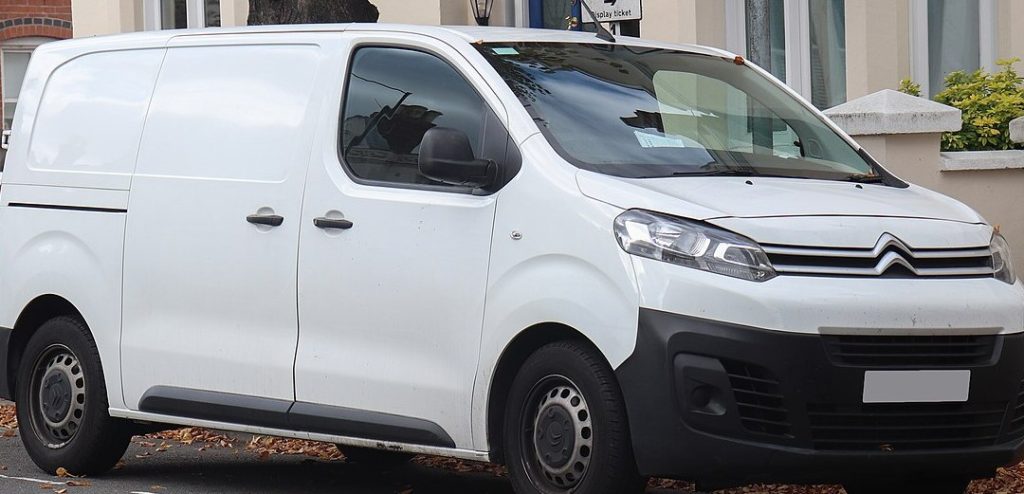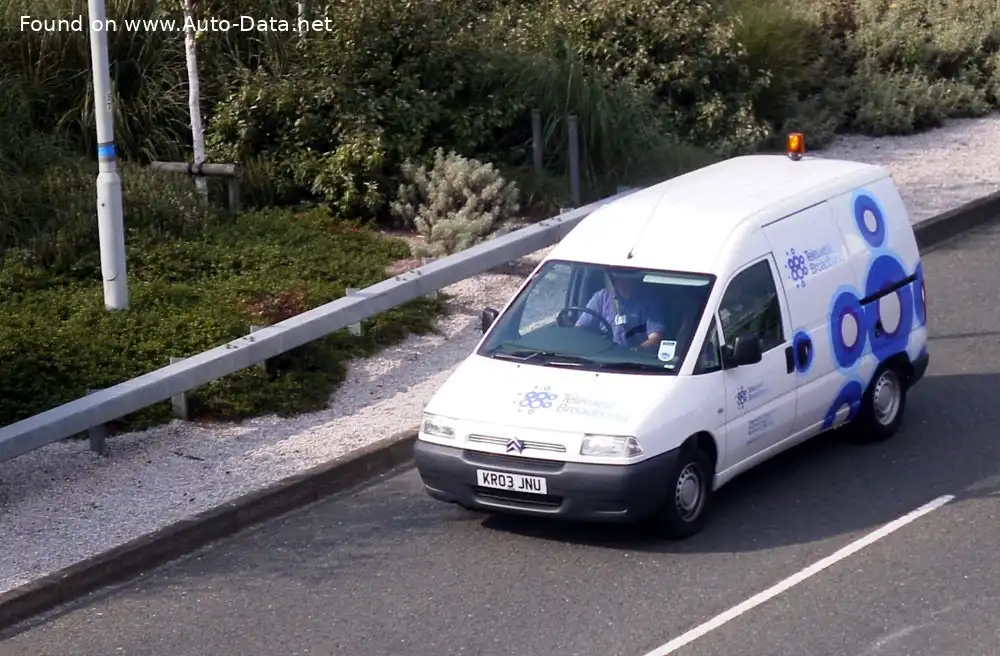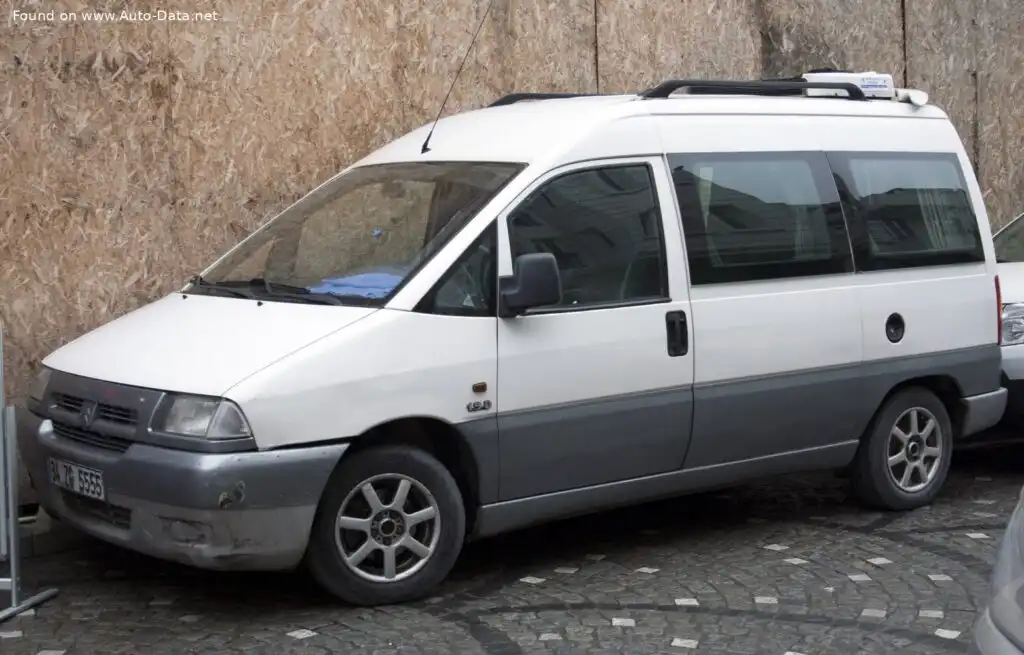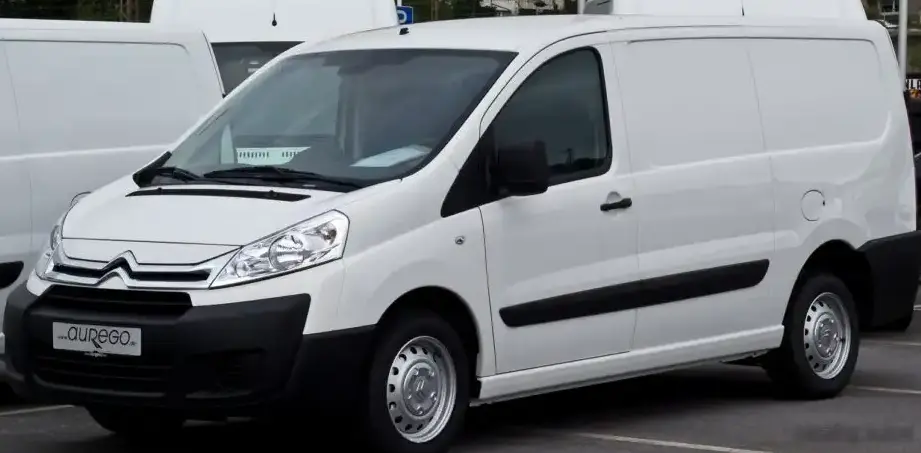
The Citroen Jumpy II, specifically the 2.0 HDi 163 horsepower (Hp) L1H1 Automatic variant produced from 2012 to 2015, represents a mid-cycle refresh of the second-generation Jumpy. Positioned as a versatile commercial vehicle and passenger carrier, the Jumpy II catered to businesses and families needing a practical and spacious van. The “L1H1” designation indicates a short wheelbase and standard roof height, making it the most compact configuration available. This particular engine and transmission combination aimed to balance fuel efficiency with adequate performance for everyday use, targeting customers who preferred the convenience of an automatic transmission over a manual.
Technical Specifications
| Brand | Citroen |
| Model | Jumpy |
| Generation | Jumpy II (facelift 2012) |
| Type (Engine) | 2.0 HDi (163 Hp) L1H1 Automatic |
| Start of production | 2012 |
| End of production | 2015 |
| Powertrain Architecture | Internal Combustion engine |
| Body type | Minivan |
| Seats | 3 |
| Doors | 4 |
| Fuel consumption (urban) | 8.6 l/100 km (27.4 US mpg, 32.8 UK mpg, 11.6 km/l) |
| Fuel consumption (extra urban) | 6.4 l/100 km (36.8 US mpg, 44.1 UK mpg, 15.6 km/l) |
| Fuel consumption (combined) | 7.2 l/100 km (32.7 US mpg, 39.2 UK mpg, 13.9 km/l) |
| CO2 emissions | 189 g/km |
| Fuel Type | Diesel |
| Maximum speed | 170 km/h (105.63 mph) |
| Emission standard | Euro 5 |
| Weight-to-power ratio | 10.8 kg/Hp, 92.4 Hp/tonne |
| Weight-to-torque ratio | 5.2 kg/Nm, 192.7 Nm/tonne |
| Power | 163 Hp @ 3750 rpm |
| Power per litre | 81.6 Hp/l |
| Torque | 340 Nm @ 2000 rpm (250.77 lb.-ft. @ 2000 rpm) |
| Engine layout | Front, Transverse |
| Engine Model/Code | RHH DW10CTED4 |
| Engine displacement | 1997 cm3 (121.86 cu. in.) |
| Number of cylinders | 4 |
| Engine configuration | Inline |
| Cylinder Bore | 85 mm (3.35 in.) |
| Piston Stroke | 88 mm (3.46 in.) |
| Number of valves per cylinder | 4 |
| Fuel injection system | Diesel Commonrail |
| Engine aspiration | Turbocharger, Intercooler |
| Engine oil capacity | 5.5 l (5.81 US qt | 4.84 UK qt) |
| Kerb Weight | 1764 kg (3888.95 lbs.) |
| Max. weight | 2920 kg (6437.5 lbs.) |
| Max load | 1156 kg (2548.54 lbs.) |
| Trunk (boot) space – maximum | 5000 l (176.57 cu. ft.) |
| Fuel tank capacity | 80 l (21.13 US gal | 17.6 UK gal) |
| Max. roof load | 170 kg (374.79 lbs.) |
| Permitted trailer load with brakes (12%) | 1800 kg (3968.32 lbs.) |
| Permitted trailer load without brakes | 750 kg (1653.47 lbs.) |
| Permitted towbar download | 80 kg (176.37 lbs.) |
| Length | 4805 mm (189.17 in.) |
| Width | 1895 mm (74.61 in.) |
| Width with mirrors folded | 1986 mm (78.19 in.) |
| Width including mirrors | 2194 mm (86.38 in.) |
| Height | 1880 mm (74.02 in.) |
| Wheelbase | 3000 mm (118.11 in.) |
| Front track | 1562 mm (61.5 in.) |
| Rear (Back) track | 1596 mm (62.83 in.) |
| Front overhang | 975 mm (38.39 in.) |
| Rear overhang | 830 mm (32.68 in.) |
| Drivetrain Architecture | The Internal combustion engine (ICE) drives the front wheels of the vehicle. |
| Drive wheel | Front wheel drive |
| Number of gears and type of gearbox | 6 gears, automatic transmission |
| Front suspension | Independent, type McPherson with coil spring and anti-roll bar |
| Rear suspension | Semi-dependent beam with stabilizer lateral stability |
| Front brakes | Ventilated discs, 304×28 mm |
| Rear brakes | Disc, 290×14 mm |
| Assisting systems | ABS (Anti-lock braking system) |
| Steering type | Steering rack and pinion |
| Tires size | 215/60 R16 |
| Wheel rims size | 16 |
INTRODUCTION
The Citroen Jumpy II, launched in 2007 and facelifted in 2012, was a collaborative effort with Peugeot and Fiat, resulting in the shared platform known as the 1HX0. This generation represented a significant step forward in terms of design, comfort, and practicality compared to its predecessor. The 2.0 HDi 163 Automatic variant, produced between 2012 and 2015, was aimed at buyers seeking a balance between performance, fuel economy, and the convenience of an automatic gearbox. It served as a workhorse for commercial users and a comfortable family vehicle, offering a spacious interior and a respectable payload capacity.
Powertrain & Engine Architecture
At the heart of the Jumpy II 2.0 HDi 163 Automatic lies the DW10CTED4 engine, a 1.997-liter, four-cylinder diesel engine. This engine is a member of the PSA Group’s (Peugeot Société Anonyme) HDi family, known for its efficiency and durability. The ‘RHH’ engine code specifically identifies this version. It utilizes a common rail direct injection system, delivering fuel at extremely high pressure for optimized combustion. The engine features a turbocharger with an intercooler, boosting power output and improving torque delivery. The valvetrain consists of four valves per cylinder (16V), contributing to efficient gas exchange. The automatic transmission is a six-speed unit, providing smooth gear changes and enhancing driving comfort. This transmission was chosen for its ease of use, particularly in urban environments and for drivers who frequently encounter stop-and-go traffic.
Driving Characteristics
The 163 horsepower and 340 Nm (250.77 lb.-ft.) of torque provided by the 2.0 HDi engine, coupled with the six-speed automatic transmission, resulted in a reasonably responsive driving experience. While not a performance-oriented vehicle, the Jumpy II Automatic offered sufficient power for everyday driving, including carrying passengers or a moderate load. The automatic transmission, while convenient, did slightly diminish acceleration compared to the manual versions. Gear ratios were tuned for fuel efficiency and drivability, prioritizing smooth transitions over outright speed. The automatic transmission’s programming favored early upshifts to maximize fuel economy, but could be overridden with manual shift selection if needed. The front-wheel-drive configuration provided predictable handling, although it could exhibit some torque steer under hard acceleration.
Equipment & Trim Levels
The Jumpy II 2.0 HDi 163 Automatic typically came equipped with a range of standard features, including air conditioning, power windows, central locking, and an audio system with USB connectivity. Safety features included ABS (Anti-lock Braking System) and driver/passenger airbags. Interior upholstery was typically cloth, with durable and practical materials used throughout the cabin. Higher trim levels offered options such as alloy wheels, rear parking sensors, a navigation system, and upgraded audio systems. The L1H1 configuration prioritized practicality, offering a large cargo area behind the front seats. Optional extras included features like a second row of seats, transforming the Jumpy into a more versatile passenger vehicle.
Chassis & Braking
The Jumpy II utilized a McPherson strut front suspension with a coil spring and anti-roll bar, providing a comfortable ride and stable handling. The rear suspension employed a semi-dependent beam with a stabilizer bar, offering a good balance between ride comfort and load-carrying capacity. The braking system consisted of ventilated discs on the front wheels (304x28mm) and solid discs on the rear wheels (290x14mm). ABS was standard, enhancing braking performance and stability, particularly on slippery surfaces. The steering system was a rack and pinion type, providing precise and responsive steering feel.
Market Reception & Comparison
The Citroen Jumpy II 2.0 HDi 163 Automatic was generally well-received by critics and buyers alike. It was praised for its spacious interior, comfortable ride, and fuel efficiency. Compared to the lower-powered 1.6 HDi versions, the 2.0 HDi offered a noticeable improvement in performance, making it more suitable for carrying heavier loads or driving on hilly terrain. Compared to the more powerful, but less fuel-efficient, petrol engines, the 2.0 HDi provided a better balance between performance and economy. The automatic transmission was a popular choice for drivers who preferred the convenience of not having to operate a clutch, although it did slightly impact fuel economy compared to the manual gearbox.
Legacy
The Citroen Jumpy II 2.0 HDi 163 Automatic has proven to be a reliable and durable vehicle, with many examples still in service today. The DW10CTED4 engine is known for its longevity, provided it receives regular maintenance. Common issues include wear and tear on the turbocharger and potential problems with the diesel particulate filter (DPF), particularly on vehicles that are primarily used for short journeys. On the used car market, these models represent good value for money, offering a practical and spacious vehicle at an affordable price. The combination of a reliable engine, a comfortable ride, and a spacious interior continues to make the Jumpy II a popular choice for both commercial and private buyers.