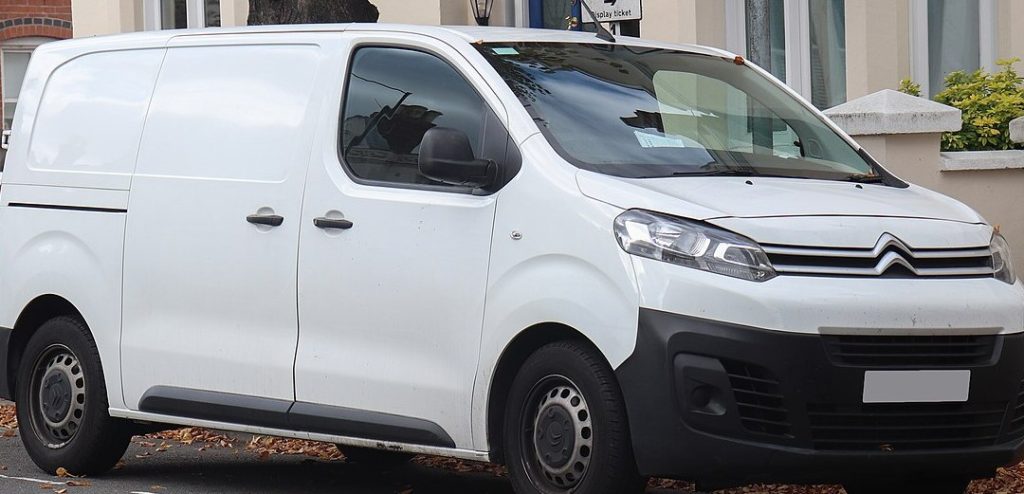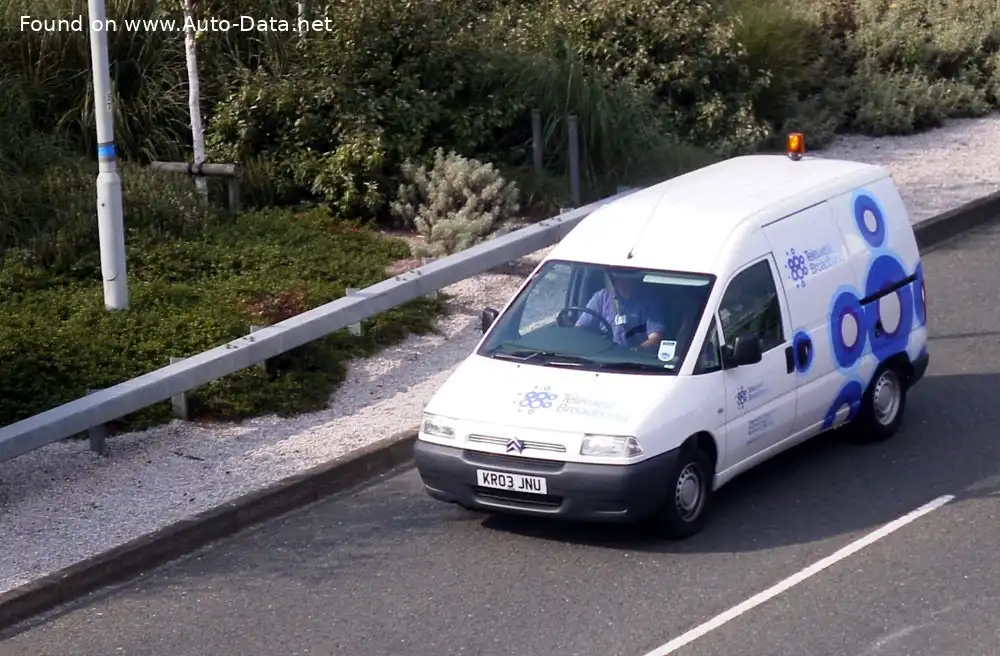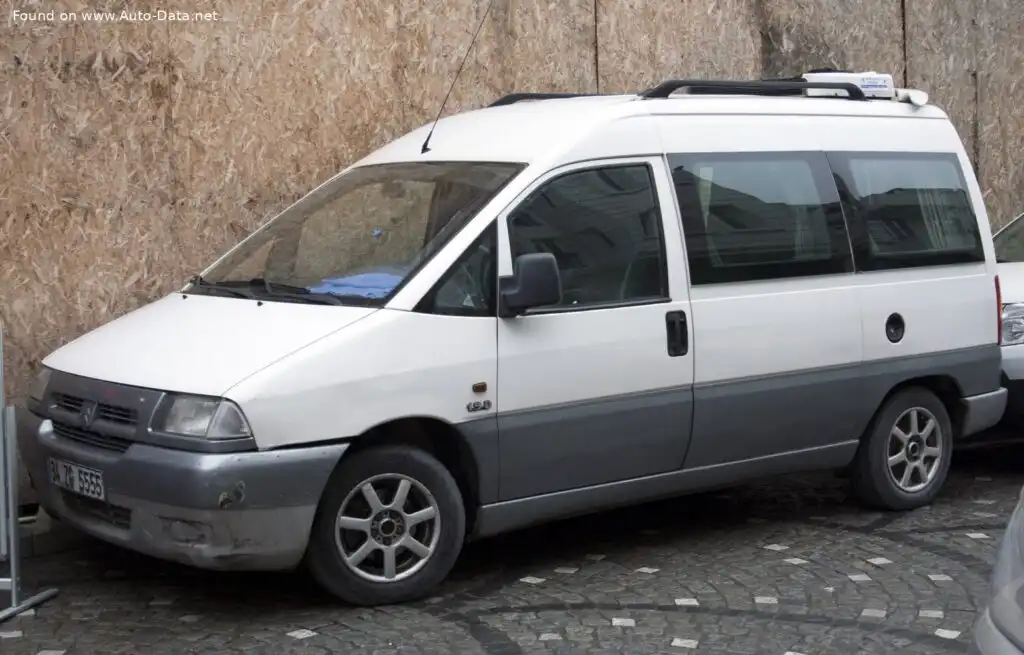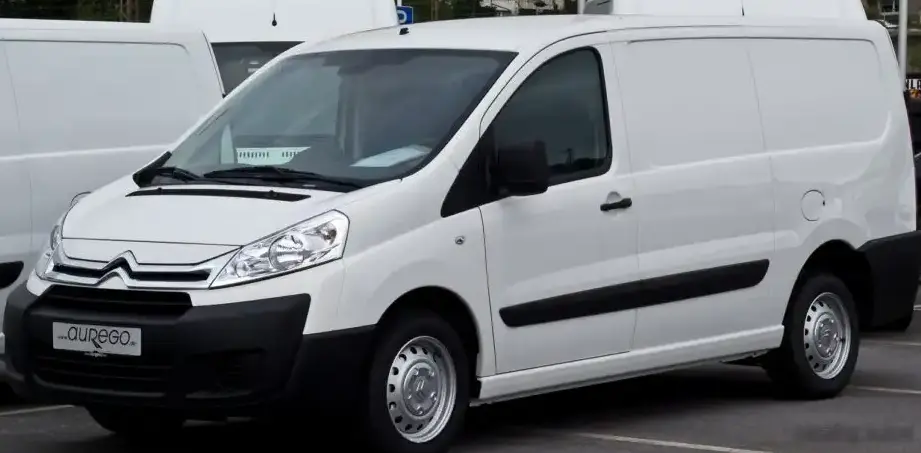
The Citroen Jumpy II, specifically the 2.0 HDi 163 horsepower (Hp) L2H1 Automatic variant produced from 2012 to 2015, represents a mid-cycle refresh of the second-generation Jumpy. Positioned as a versatile commercial vehicle and passenger carrier, the Jumpy II catered to businesses and families needing a practical and spacious van. The “L2H1” designation indicates a medium length body (“L2”) and a standard roof height (“H1”). This particular engine and transmission combination aimed to balance fuel efficiency with adequate performance for everyday use, making it a popular choice in European markets where the Jumpy competed with vehicles like the Renault Trafic, Volkswagen Transporter, and Ford Transit.
Technical Specifications
| Brand | Citroen |
| Model | Jumpy |
| Generation | Jumpy II (facelift 2012) |
| Type | 2.0 HDi (163 Hp) L2H1 Automatic |
| Start of production | 2012 |
| End of production | 2015 |
| Powertrain Architecture | Internal Combustion engine |
| Body type | Minivan |
| Seats | 3 |
| Doors | 4 |
| Fuel consumption (urban) | 8.6 l/100 km (27.4 US mpg, 32.8 UK mpg, 11.6 km/l) |
| Fuel consumption (extra urban) | 6.4 l/100 km (36.8 US mpg, 44.1 UK mpg, 15.6 km/l) |
| Fuel consumption (combined) | 7.2 l/100 km (32.7 US mpg, 39.2 UK mpg, 13.9 km/l) |
| CO2 emissions | 189 g/km |
| Fuel Type | Diesel |
| Maximum speed | 170 km/h (105.63 mph) |
| Emission standard | Euro 5 |
| Weight-to-power ratio | 11 kg/Hp, 90.5 Hp/tonne |
| Weight-to-torque ratio | 5.3 kg/Nm, 188.8 Nm/tonne |
| Power | 163 Hp @ 3750 rpm |
| Power per litre | 81.6 Hp/l |
| Torque | 340 Nm @ 2000 rpm (250.77 lb.-ft. @ 2000 rpm) |
| Engine layout | Front, Transverse |
| Engine Model/Code | RHH DW10CTED4 |
| Engine displacement | 1997 cm3 (121.86 cu. in.) |
| Number of cylinders | 4 |
| Engine configuration | Inline |
| Cylinder Bore | 85 mm (3.35 in.) |
| Piston Stroke | 88 mm (3.46 in.) |
| Number of valves per cylinder | 4 |
| Fuel injection system | Diesel Commonrail |
| Engine aspiration | Turbocharger, Intercooler |
| Engine oil capacity | 5.5 l (5.81 US qt | 4.84 UK qt) |
| Kerb Weight | 1801 kg (3970.53 lbs.) |
| Max. weight | 2950 kg (6503.64 lbs.) |
| Max load | 1149 kg (2533.11 lbs.) |
| Trunk (boot) space – maximum | 6000 l (211.89 cu. ft.) |
| Fuel tank capacity | 80 l (21.13 US gal | 17.6 UK gal) |
| Max. roof load | 170 kg (374.79 lbs.) |
| Permitted trailer load with brakes (12%) | 2000 kg (4409.25 lbs.) |
| Permitted trailer load without brakes | 750 kg (1653.47 lbs.) |
| Permitted towbar download | 80 kg (176.37 lbs.) |
| Length | 5135 mm (202.17 in.) |
| Width | 1895 mm (74.61 in.) |
| Width with mirrors folded | 1986 mm (78.19 in.) |
| Width including mirrors | 2194 mm (86.38 in.) |
| Height | 1880 mm (74.02 in.) |
| Wheelbase | 3122 mm (122.91 in.) |
| Front track | 1562 mm (61.5 in.) |
| Rear (Back) track | 1596 mm (62.83 in.) |
| Front overhang | 975 mm (38.39 in.) |
| Rear overhang | 1038 mm (40.87 in.) |
| Drivetrain Architecture | Front wheel drive |
| Number of gears and type of gearbox | 6 gears, automatic transmission |
| Front suspension | Independent, type McPherson with coil spring and anti-roll bar |
| Rear suspension | Semi-dependent beam with stabilizer lateral stability |
| Front brakes | Ventilated discs, 304×28 mm |
| Rear brakes | Disc, 290×14 mm |
| Assisting systems | ABS (Anti-lock braking system) |
| Steering type | Steering rack and pinion |
| Tires size | 215/60 R16 |
| Wheel rims size | 16 |
Powertrain & Engine Architecture
The heart of this Jumpy variant is the DW10CTED4 engine, a 2.0-liter inline-four cylinder diesel engine. This engine falls under the HDi (High-Pressure Direct Injection) family developed by PSA Group (Peugeot Citroen). The ‘RHH’ engine code specifically denotes a version tuned to produce 163 horsepower at 3750 rpm and 340 Nm (250.77 lb-ft) of torque at 2000 rpm. The engine utilizes a common rail direct injection system, delivering fuel at extremely high pressure for optimized combustion and reduced emissions. A turbocharger with an intercooler further enhances performance by forcing more air into the cylinders. The engine features four valves per cylinder, contributing to improved breathing and power output. Paired with this engine is a six-speed automatic transmission, providing smooth gear changes and ease of driving, particularly in urban environments. This transmission was a popular choice for drivers prioritizing convenience over ultimate performance.
Driving Characteristics
The 163 Hp Automatic Jumpy offers a comfortable and practical driving experience. While not designed for outright speed, the engine provides sufficient power for fully loaded operation and highway cruising. The automatic transmission, while smooth, does exhibit some of the characteristics common to older torque-converter automatics – a slight delay in response and a tendency to hunt for gears on inclines. Compared to the manual transmission versions, the automatic sacrifices some responsiveness and fuel economy. The gear ratios are tuned for practicality and fuel efficiency rather than sporty acceleration. The Jumpy’s suspension, tuned for comfort and load-carrying capacity, provides a relatively soft ride, even when the vehicle is heavily laden. Steering is light and easy, making maneuvering in tight spaces straightforward.
Equipment & Trim Levels
The Jumpy II, in its 2.0 HDi 163 Automatic L2H1 configuration, typically came with a reasonable level of standard equipment. This included features like air conditioning, power windows, central locking, and an adjustable steering wheel. Safety features such as ABS (Anti-lock Braking System) were standard. Interior upholstery was typically durable cloth. Optional extras included features like a navigation system, rear parking sensors, upgraded audio systems, and various cargo area configurations. Trim levels varied slightly depending on the market, but generally, this variant sat in the mid-range of the Jumpy lineup, offering a good balance of features and price.
Chassis & Braking
The Jumpy II utilizes a front-wheel-drive layout. The front suspension employs an independent McPherson strut setup with coil springs and an anti-roll bar, providing a comfortable ride and decent handling. The rear suspension features a semi-dependent beam axle with a stabilizer bar, designed to handle heavier loads. Braking duties are handled by ventilated discs at the front and solid discs at the rear. The braking system is adequate for the vehicle’s weight and performance, and the inclusion of ABS enhances safety by preventing wheel lockup during hard braking.
Market Reception & Comparison
The Citroen Jumpy II 2.0 HDi 163 Automatic was generally well-received in the European market. Critics praised its practicality, spacious interior, and relatively fuel-efficient engine. However, some reviewers noted that the automatic transmission wasn’t as refined as some of its competitors, and the overall driving experience was more focused on functionality than excitement. Compared to the lower-powered 1.6 HDi versions, the 2.0 HDi offered significantly more performance, making it a better choice for those regularly carrying heavy loads or traveling long distances. Compared to the higher-output 2.0 HDi variants, this 163 Hp version offered a more economical option with slightly reduced performance.
Legacy
The DW10CTED4 engine, in its various iterations, proved to be a relatively reliable powerplant. With proper maintenance, these engines can accumulate high mileage. The automatic transmission, while not without its quirks, is generally durable. Today, used examples of the Jumpy II 2.0 HDi 163 Automatic are readily available and represent a cost-effective option for those needing a versatile van. Common issues to look for include wear and tear on suspension components, potential turbocharger issues, and the general wear associated with a vehicle used for commercial purposes. The Jumpy II remains a popular choice for small businesses, tradespeople, and families seeking a practical and spacious vehicle.