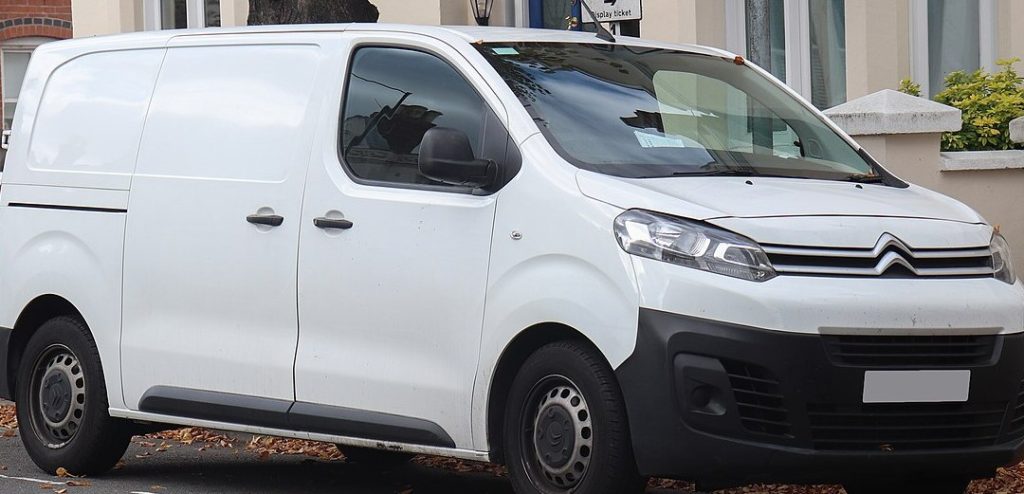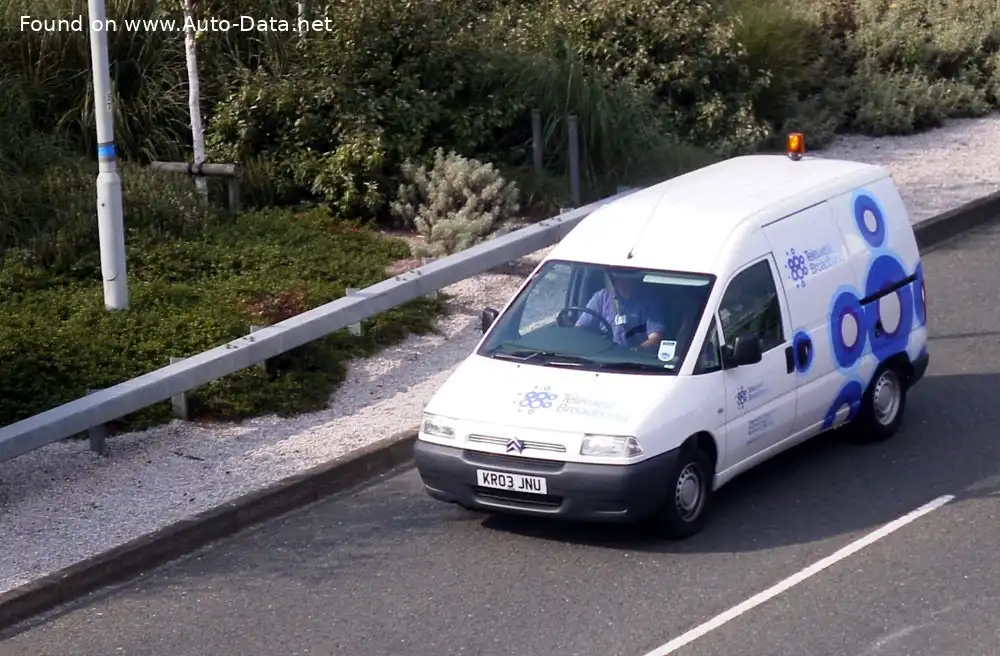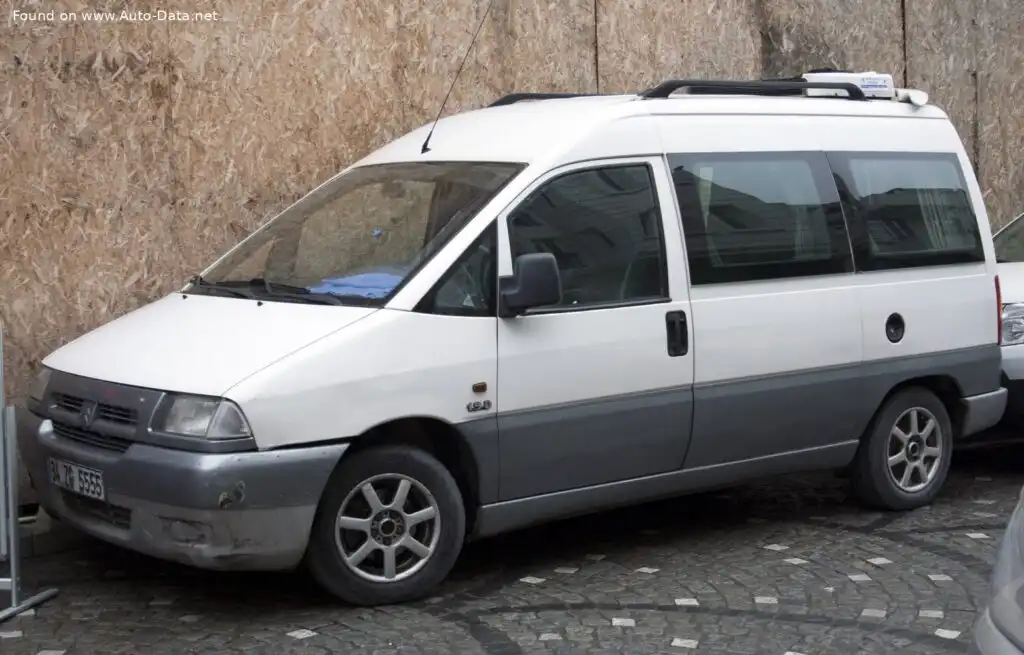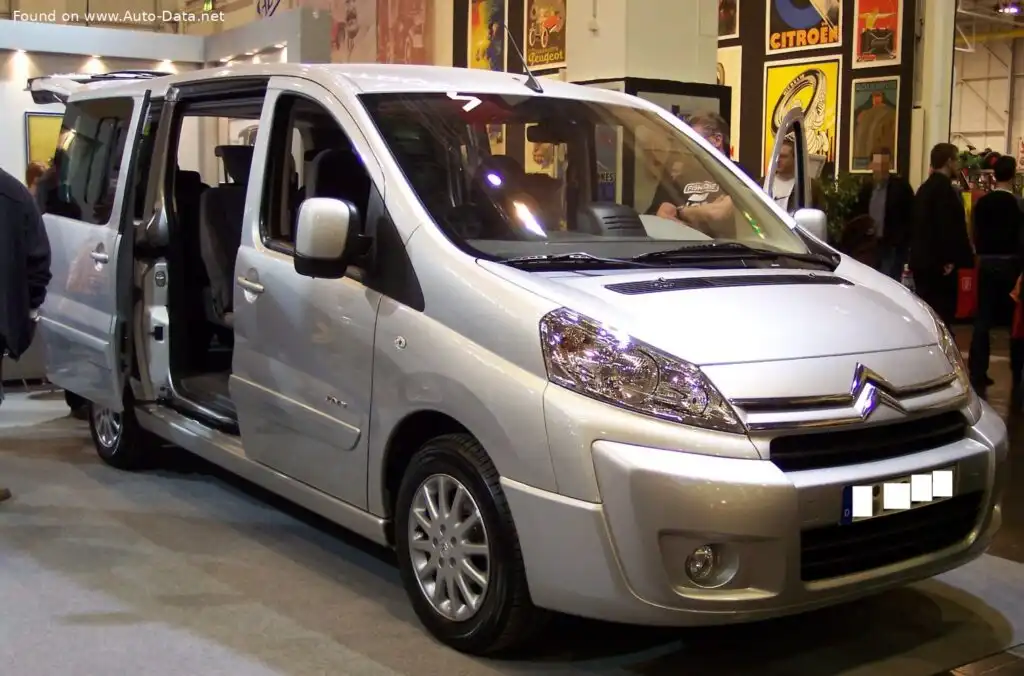
The Citroen Jumpy II Multispace 2.0 16V (140 hp) L1, produced between 2007 and 2010, represents a versatile offering within the second generation of Citroen’s popular Jumpy line of light commercial vehicles and passenger-oriented MPVs. Positioned as a mid-range option within the Multispace family, this variant aimed to balance practicality, comfort, and reasonable performance for families and those requiring flexible passenger and cargo space. The “L1” designation indicates the short wheelbase version of the Jumpy II, making it more manageable for urban driving and parking compared to the longer L2 and L3 models. It was primarily marketed in Europe, where compact MPVs and vans were – and continue to be – a significant segment of the automotive market.
Technical Specifications
| Brand | Citroen |
| Model | Jumpy |
| Generation | Jumpy II Multispace |
| Type (Engine) | 2.0 16V (140 Hp) L1 |
| Start of production | 2007 |
| End of production | 2010 |
| Powertrain Architecture | Internal Combustion engine |
| Body type | Minivan |
| Seats | 5-6 |
| Doors | 4 |
| Fuel consumption (urban) | 13.2 l/100 km (17.8 US mpg, 21.4 UK mpg, 7.6 km/l) |
| Fuel consumption (extra urban) | 8.0 l/100 km (29.4 US mpg, 35.3 UK mpg, 12.5 km/l) |
| Fuel consumption (combined) | 9.9 l/100 km (23.8 US mpg, 28.5 UK mpg, 10.1 km/l) |
| CO2 emissions | 235 g/km |
| Fuel Type | Petrol (Gasoline) |
| Acceleration 0 – 100 km/h | 13.4 sec |
| Acceleration 0 – 62 mph | 13.4 sec |
| Acceleration 0 – 60 mph | 12.7 sec |
| Maximum speed | 165 km/h (102.53 mph) |
| Emission standard | Euro 4 |
| Weight-to-power ratio | 12.4 kg/Hp, 80.7 Hp/tonne |
| Weight-to-torque ratio | 9.6 kg/Nm, 103.8 Nm/tonne |
| Power | 140 Hp @ 6000 rpm |
| Power per litre | 70.1 Hp/l |
| Torque | 180 Nm @ 2500 rpm (132.76 lb.-ft. @ 2500 rpm) |
| Engine layout | Front, Transverse |
| Engine Model/Code | RFH EW10A |
| Engine displacement | 1997 cm3 (121.86 cu. in.) |
| Number of cylinders | 4 |
| Engine configuration | Inline |
| Cylinder Bore | 85 mm (3.35 in.) |
| Piston Stroke | 88 mm (3.46 in.) |
| Number of valves per cylinder | 4 |
| Fuel injection system | Multi-port manifold injection |
| Engine aspiration | Naturally aspirated engine |
| Engine oil capacity | 5 l (5.28 US qt | 4.4 UK qt) |
| Kerb Weight | 1734 kg (3822.82 lbs.) |
| Max. weight | 2672 kg (5890.75 lbs.) |
| Max load | 938 kg (2067.94 lbs.) |
| Trunk (boot) space – maximum | 3473 l (122.65 cu. ft.) |
| Fuel tank capacity | 80 l (21.13 US gal | 17.6 UK gal) |
| Max. roof load | 170 kg (374.79 lbs.) |
| Permitted trailer load with brakes (12%) | 2000 kg (4409.25 lbs.) |
| Permitted trailer load without brakes | 750 kg (1653.47 lbs.) |
| Permitted towbar download | 90 kg (198.42 lbs.) |
| Length | 4805 mm (189.17 in.) |
| Width | 1895 mm (74.61 in.) |
| Width with mirrors folded | 1986 mm (78.19 in.) |
| Width including mirrors | 2194 mm (86.38 in.) |
| Height | 1880 mm (74.02 in.) |
| Wheelbase | 3000 mm (118.11 in.) |
| Front track | 1562 mm (61.5 in.) |
| Rear (Back) track | 1596 mm (62.83 in.) |
| Front overhang | 975 mm (38.39 in.) |
| Rear overhang | 830 mm (32.68 in.) |
| Drivetrain Architecture | The Internal combustion engine (ICE) drives the front wheels of the vehicle. |
| Drive wheel | Front wheel drive |
| Number of gears and type of gearbox | 5 gears, manual transmission |
| Front suspension | Independent, type McPherson with coil spring and anti-roll bar |
| Rear suspension | Semi-dependent beam with stabilizer lateral stability |
| Front brakes | Ventilated discs |
| Rear brakes | Disc |
| Assisting systems | ABS (Anti-lock braking system) |
| Steering type | Steering rack and pinion |
| Tires size | 215/60 R16 |
| Wheel rims size | 16 |
Powertrain & Engine Architecture
The heart of the Jumpy II Multispace 2.0 16V is the PSA Group’s RFH (also known as EW10A) engine. This 1997cc, naturally aspirated inline-four cylinder engine utilizes a multi-point fuel injection system and a double overhead camshaft (DOHC) valvetrain with four valves per cylinder. The engine’s design prioritized smooth operation and reasonable fuel efficiency over outright performance. The 140 horsepower output at 6000 rpm and 180 Nm (132.76 lb-ft) of torque at 2500 rpm were typical figures for this class of engine in the late 2000s. The engine is known for its relative simplicity and robustness, though it is not without its potential maintenance needs, such as occasional issues with the timing chain. The engine was paired with a 5-speed manual transmission, which was the standard offering for this variant. While an automatic transmission was available on other Jumpy II models, it was not offered with the 140 hp 2.0L engine.
Driving Characteristics
The Jumpy II Multispace 2.0 16V L1, with its 140 hp engine and 5-speed manual transmission, offered adequate, but not exhilarating, performance. Acceleration from 0-100 km/h (0-62 mph) took around 13.4 seconds, and top speed was limited to 165 km/h (102.53 mph). The engine’s torque curve provided reasonable pulling power for everyday driving and carrying a full load of passengers or cargo. The gear ratios were tuned for fuel economy and drivability rather than sporty acceleration. Compared to the more powerful (but less common) petrol engines available in the Jumpy II range, or the diesel options, this variant felt noticeably less responsive. However, it offered a smoother and quieter driving experience than the diesel alternatives. The relatively short wheelbase of the L1 model contributed to nimble handling, making it easier to maneuver in tight urban environments.
Equipment & Trim Levels
The Jumpy II Multispace 2.0 16V L1 typically came equipped with a reasonable level of standard features, including power steering, central locking, electric front windows, and an adjustable steering column. Interior upholstery was typically cloth, with a functional, if somewhat basic, dashboard layout. Optional extras included air conditioning, rear parking sensors, upgraded audio systems, and alloy wheels. Higher trim levels, if selected, could add features like cruise control, automatic headlights, and rain-sensing wipers. The Multispace trim level, in general, focused on providing a comfortable and practical interior, with flexible seating arrangements and ample storage space.
Chassis & Braking
The Jumpy II Multispace utilized a McPherson strut front suspension with a coil spring and anti-roll bar, providing a comfortable ride and predictable handling. The rear suspension employed a semi-independent beam axle with a stabilizer bar, which helped to reduce body roll during cornering. Braking duties were handled by ventilated discs at the front and solid discs at the rear, equipped with an Anti-lock Braking System (ABS) as standard. The braking system was adequate for the vehicle’s weight and performance, but not particularly powerful. The steering was a rack and pinion system, providing precise and responsive control.
Market Reception & Comparison
The Citroen Jumpy II Multispace 2.0 16V L1 was generally well-received by automotive critics as a practical and versatile MPV. However, the petrol engine was often criticized for its relatively high fuel consumption compared to the diesel alternatives, and its lack of outright performance. The diesel-powered Jumpy models were significantly more popular in Europe due to their superior fuel economy and torque. The 140 hp petrol engine offered a smoother and quieter driving experience, but it came at the cost of increased running costs. Compared to competitors like the Renault Scenic and Volkswagen Touran, the Jumpy II Multispace offered a more spacious interior and greater cargo capacity, but its styling was considered less modern.
Legacy
The RFH/EW10A engine, while not known for being exceptionally durable, has proven to be reasonably reliable with regular maintenance. Common issues include timing chain wear and occasional oil leaks. The Jumpy II Multispace 2.0 16V L1 remains a relatively affordable option in the used car market today. Its spacious interior, practical design, and reasonable running costs make it a suitable choice for families or individuals requiring a versatile vehicle. However, potential buyers should be aware of the engine’s potential maintenance needs and the higher fuel consumption compared to diesel alternatives. The Jumpy II, in general, established Citroen as a key player in the European MPV segment, and its legacy continues with the current generation Jumpy/SpaceTourer models.