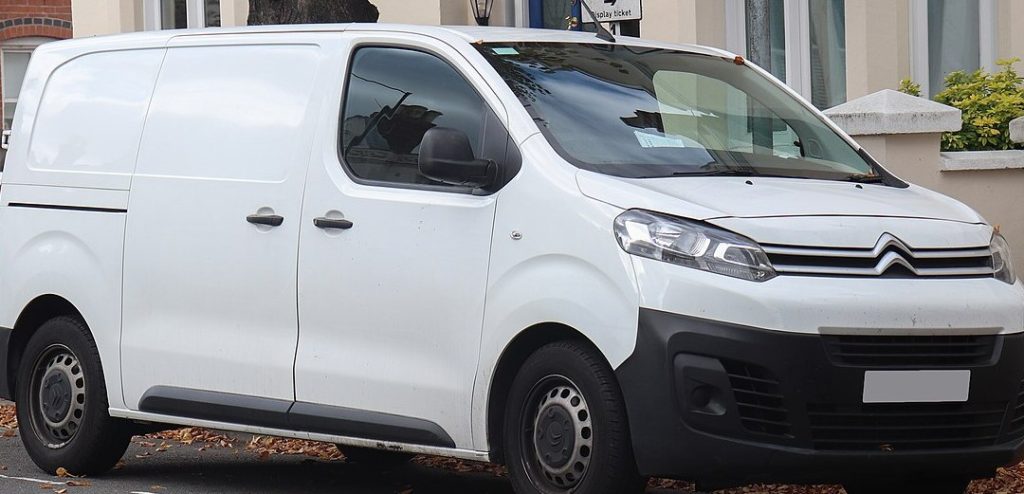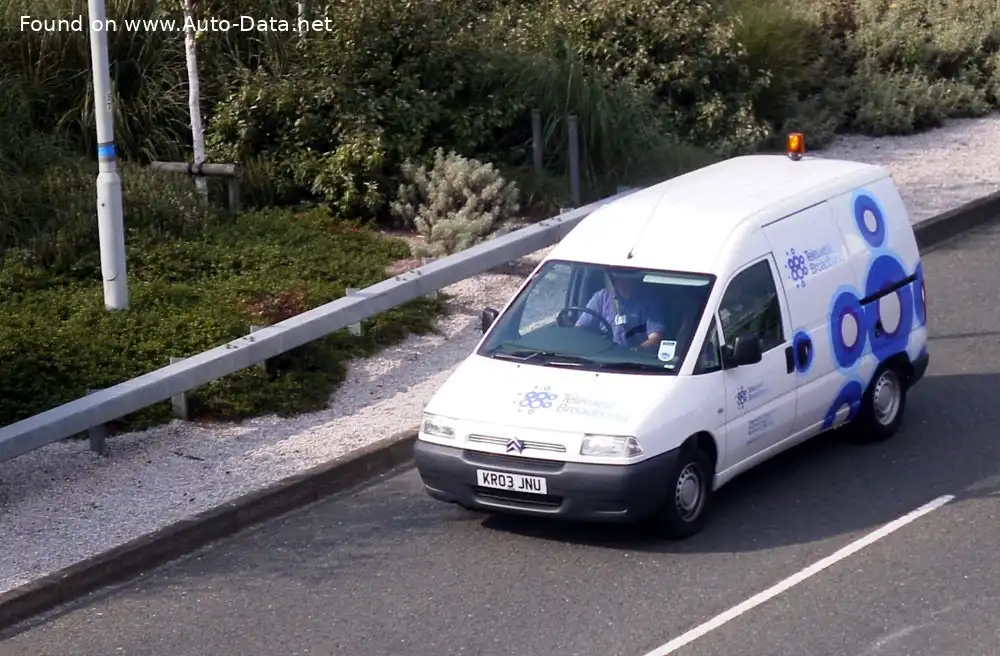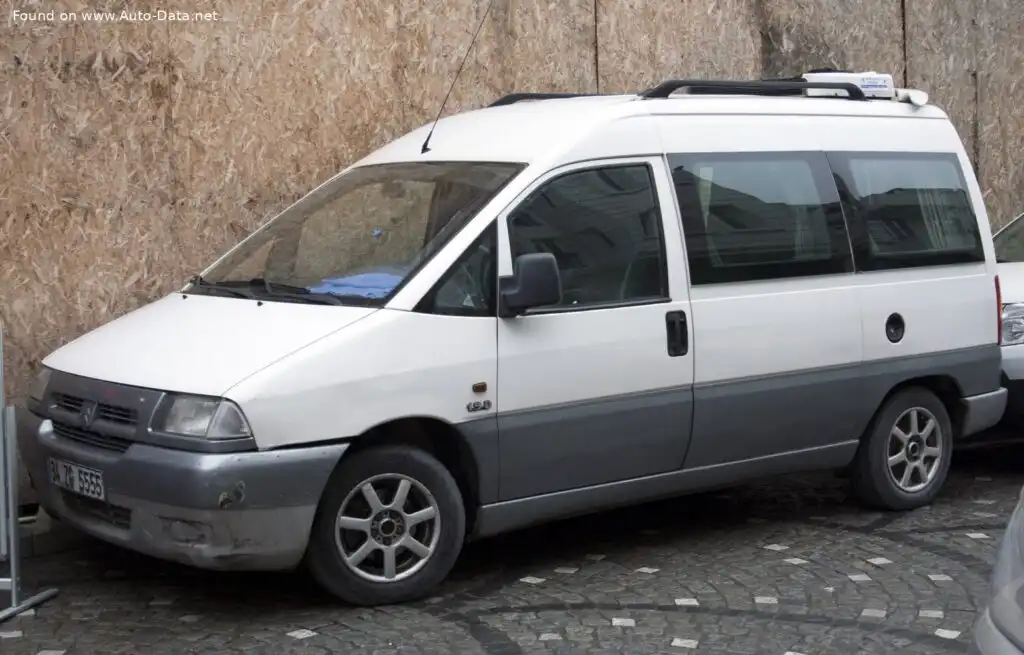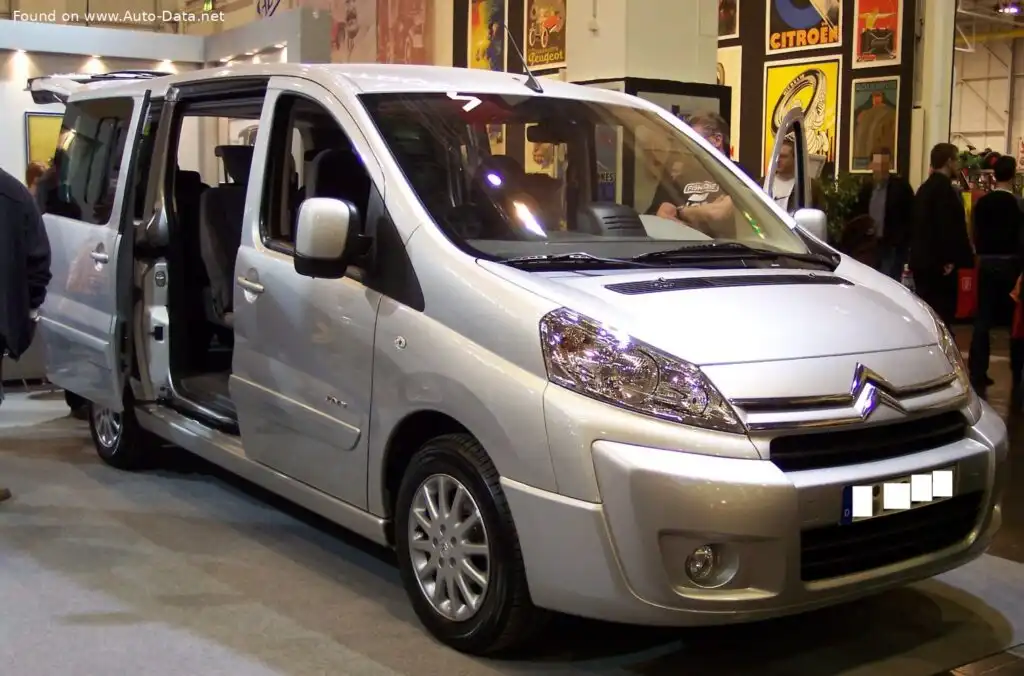
The Citroen Jumpy II Multispace 2.0 HDi (120 hp) L1 DPF was a popular choice in the European market as a versatile and practical people carrier. Produced from 2008 to 2010, this variant occupied a mid-range position within the Jumpy II Multispace lineup, offering a balance between fuel efficiency, performance, and affordability. It was based on the Citroen/Peugeot/Fiat platform known as the 1HX0, shared with models like the Peugeot Expert and Fiat Scudo. The “L1” designation indicates the short wheelbase version, making it more manageable for urban driving while still providing ample interior space.
Technical Specifications
| Brand | Citroen |
| Model | Jumpy |
| Generation | Jumpy II Multispace |
| Type (Engine) | 2.0 HDi (120 Hp) L1 DPF |
| Start of production | 2008 |
| End of production | 2010 |
| Powertrain Architecture | Internal Combustion engine |
| Body type | Minivan |
| Seats | 5-6 |
| Doors | 4 |
| Fuel consumption (urban) | 9.1 l/100 km (25.8 US mpg, 31 UK mpg, 11 km/l) |
| Fuel consumption (extra urban) | 6.3 l/100 km (37.3 US mpg, 44.8 UK mpg, 15.9 km/l) |
| Fuel consumption (combined) | 7.2 l/100 km (32.7 US mpg, 39.2 UK mpg, 13.9 km/l) |
| CO2 emissions | 194 g/km |
| Fuel Type | Diesel |
| Acceleration 0 – 100 km/h | 15.4 sec |
| Acceleration 0 – 62 mph | 15.4 sec |
| Acceleration 0 – 60 mph | 14.6 sec |
| Maximum speed | 160 km/h (99.42 mph) |
| Emission standard | Euro 4 |
| Weight-to-power ratio | 15.2 kg/Hp, 65.6 Hp/tonne |
| Weight-to-torque ratio | 6.1 kg/Nm, 164 Nm/tonne |
| Power | 120 Hp @ 4000 rpm |
| Power per litre | 60.1 Hp/l |
| Torque | 300 Nm @ 2000 rpm (221.27 lb.-ft. @ 2000 rpm) |
| Engine layout | Front, Transverse |
| Engine Model/Code | RHK DW10UTED4 |
| Engine displacement | 1997 cm3 (121.86 cu. in.) |
| Number of cylinders | 4 |
| Engine configuration | Inline |
| Cylinder Bore | 85 mm (3.35 in.) |
| Piston Stroke | 88 mm (3.46 in.) |
| Number of valves per cylinder | 4 |
| Fuel injection system | Diesel Commonrail |
| Engine aspiration | Turbocharger, Intercooler |
| Engine oil capacity | 5.25 l (5.55 US qt | 4.62 UK qt) |
| Kerb Weight | 1829 kg (4032.25 lbs.) |
| Max. weight | 2776 kg (6120.03 lbs.) |
| Max load | 947 kg (2087.78 lbs.) |
| Trunk (boot) space – maximum | 3473 l (122.65 cu. ft.) |
| Fuel tank capacity | 80 l (21.13 US gal | 17.6 UK gal) |
| Max. roof load | 170 kg (374.79 lbs.) |
| Permitted trailer load with brakes (12%) | 2000 kg (4409.25 lbs.) |
| Permitted trailer load without brakes | 750 kg (1653.47 lbs.) |
| Permitted towbar download | 90 kg (198.42 lbs.) |
| Length | 4805 mm (189.17 in.) |
| Width | 1895 mm (74.61 in.) |
| Width with mirrors folded | 1986 mm (78.19 in.) |
| Width including mirrors | 2194 mm (86.38 in.) |
| Height | 1880 mm (74.02 in.) |
| Wheelbase | 3000 mm (118.11 in.) |
| Front track | 1562 mm (61.5 in.) |
| Rear (Back) track | 1596 mm (62.83 in.) |
| Front overhang | 975 mm (38.39 in.) |
| Rear overhang | 830 mm (32.68 in.) |
| Drivetrain Architecture | Front wheel drive |
| Number of gears and type of gearbox | 6 gears, manual transmission |
| Front suspension | Independent, type McPherson with coil spring and anti-roll bar |
| Rear suspension | Semi-dependent beam with stabilizer lateral stability |
| Front brakes | Ventilated discs |
| Rear brakes | Disc |
| Assisting systems | ABS (Anti-lock braking system) |
| Steering type | Steering rack and pinion |
| Tires size | 215/60 R16 |
| Wheel rims size | 16 |
Powertrain & Engine Architecture
The heart of the Jumpy II Multispace 2.0 HDi (120 hp) is the DW10UTED4 engine, a 1.997-liter inline-four cylinder diesel. This engine is part of the PSA Group’s (Peugeot Citroen) HDi family, known for its fuel efficiency and robust construction. The ‘DW10’ designation indicates the engine family, while ‘UTED4’ specifies the particular iteration. It utilizes a common rail direct injection system, delivering fuel at extremely high pressure for optimized combustion. A turbocharger with an intercooler further enhances performance by forcing more air into the cylinders. The engine produces 120 horsepower at 4000 rpm and a respectable 300 Nm (221 lb-ft) of torque at 2000 rpm. This engine was paired with a 6-speed manual transmission, which was the standard offering for this variant. While an automatic transmission was available on other Jumpy II models, it wasn’t typically offered with the 120 hp engine.
Driving Characteristics
The 120 hp 2.0 HDi engine in the Jumpy II Multispace provided adequate, though not exhilarating, performance. Acceleration from 0-60 mph took around 14.6 seconds, and top speed was limited to 99.42 mph. The focus was on usability and fuel economy rather than outright speed. The 6-speed manual transmission allowed drivers to keep the engine in its optimal torque band, making it suitable for both city driving and longer highway journeys. Compared to the more powerful 160 hp HDi version, the 120 hp model felt noticeably slower, especially when fully loaded with passengers and luggage. However, it offered a more economical driving experience. The gear ratios were well-chosen for everyday driving, providing smooth shifts and reasonable responsiveness.
Equipment & Trim Levels
The Jumpy II Multispace 2.0 HDi (120 hp) L1 DPF typically came with a decent level of standard equipment. This included air conditioning, power windows, central locking, and an audio system with CD player. Safety features such as ABS and driver/passenger airbags were also standard. Higher trim levels offered additional features like alloy wheels, rear parking sensors, and upgraded interior trim. Interior upholstery was typically cloth, with options for more premium materials available. The dashboard layout was functional and straightforward, prioritizing practicality over luxury.
Chassis & Braking
The Jumpy II Multispace featured a McPherson strut front suspension and a semi-independent beam rear suspension. This setup provided a comfortable ride quality, although it wasn’t particularly sporty. The front brakes were ventilated discs, while the rear brakes were solid discs. ABS (Anti-lock Braking System) was standard, enhancing braking performance and stability. The steering was a rack and pinion system, offering reasonable precision and feedback.
Market Reception & Comparison
The Citroen Jumpy II Multispace 2.0 HDi (120 hp) L1 DPF was well-received in the European market as a practical and affordable people carrier. Critics praised its spacious interior, fuel efficiency, and comfortable ride. However, some noted that the 120 hp engine could feel underpowered when the vehicle was fully loaded. Compared to the more powerful HDi variants, the 120 hp model offered better fuel economy but sacrificed performance. It also represented a more accessible price point, making it attractive to budget-conscious buyers.
Legacy
The DW10UTED4 engine proved to be a reliable and durable unit, and many Jumpy II Multispace models with this engine are still on the road today. While diesel engines are subject to increasing scrutiny regarding emissions, the 2.0 HDi remains a relatively economical and practical choice for those seeking a spacious and versatile people carrier. Common maintenance issues include injector problems and turbocharger wear, but these are generally manageable with regular servicing. The Jumpy II Multispace continues to hold its value in the used car market, particularly among those seeking a practical and affordable family vehicle.