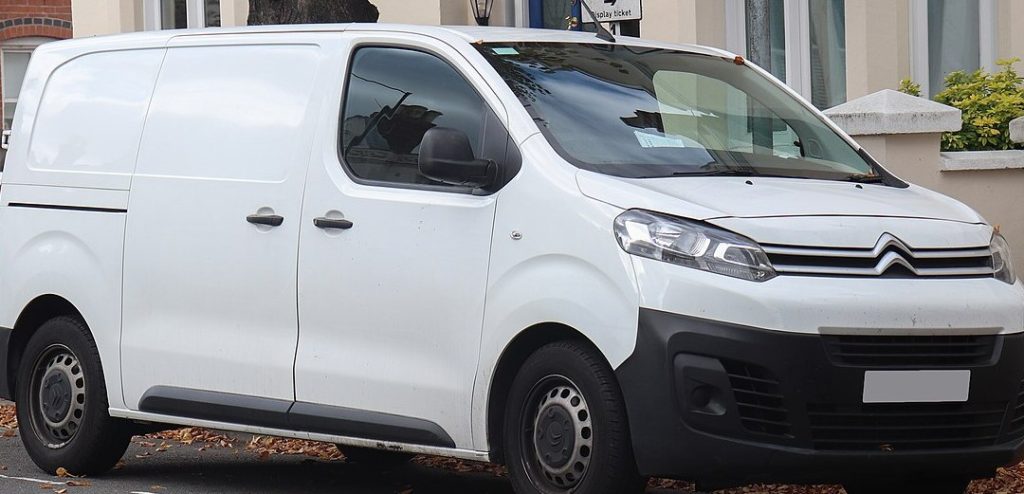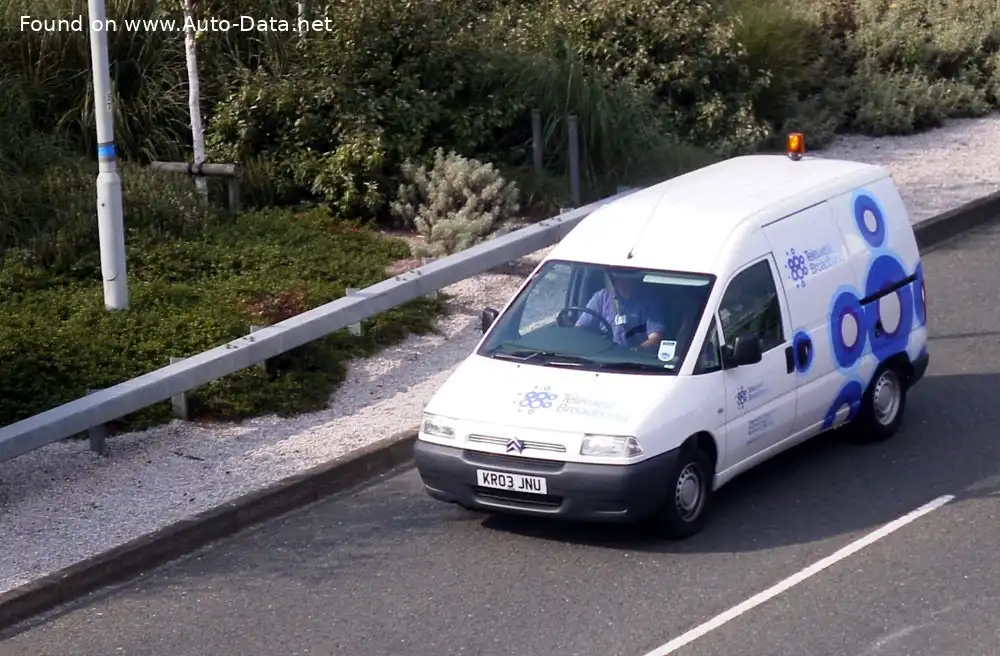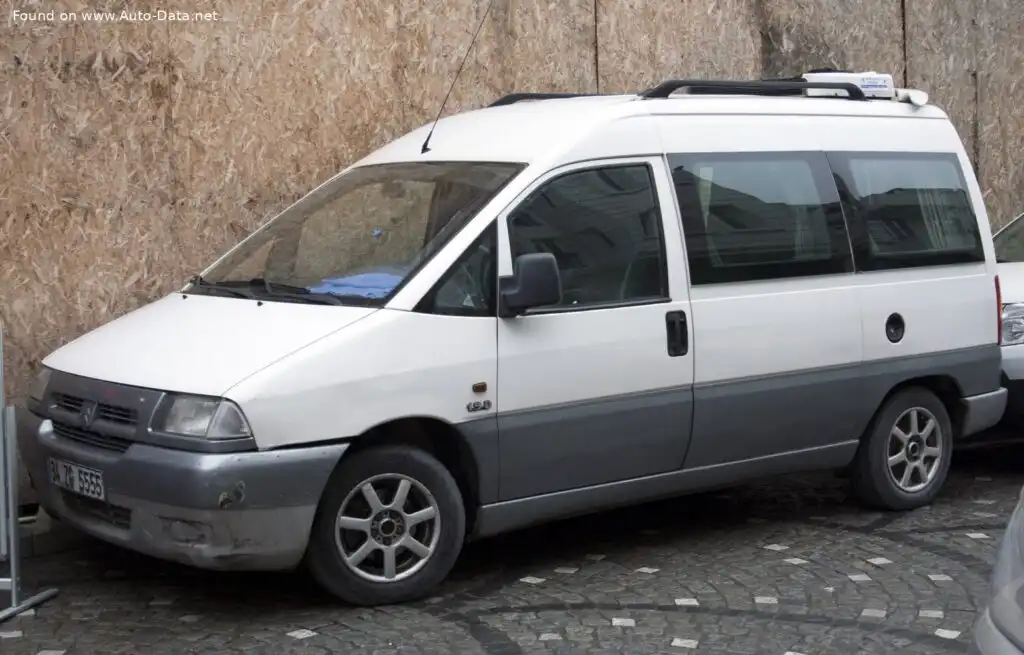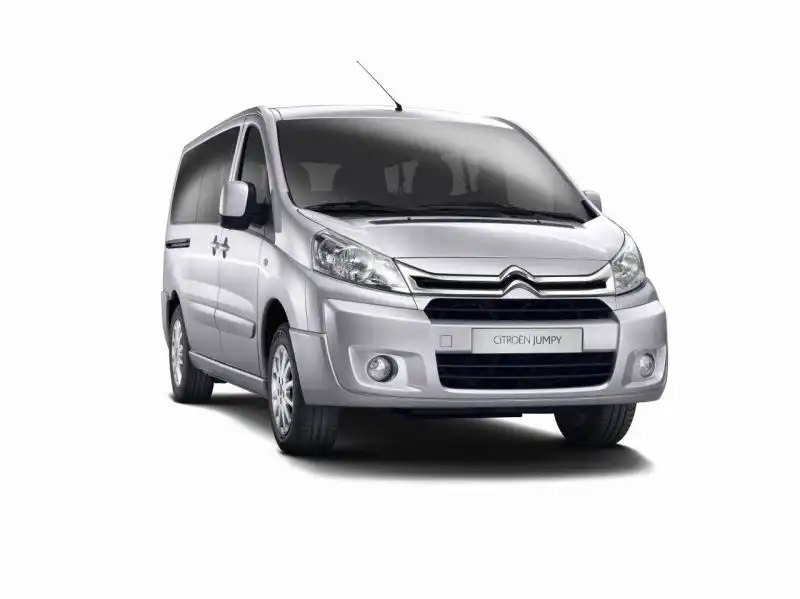
The Citroen Jumpy II Multispace, specifically the facelifted version produced from 2012 to 2015, represented Citroen’s entry into the mid-size passenger van segment. This variant, equipped with the 2.0 HDi 163 horsepower engine and a six-speed automatic transmission, was positioned as a comfortable and practical option for families and those requiring flexible space. The Jumpy II, built on the SevelNord platform jointly developed by PSA (Peugeot-Citroen) and Fiat, aimed to blend the functionality of a commercial vehicle with the amenities expected of a passenger car. The “L1” designation indicates the short wheelbase version, making it more manageable for urban driving while still offering a substantial interior volume. This model was primarily sold in European markets, where multi-purpose vehicles were, and continue to be, highly popular.
Technical Specifications
| Brand | Citroen |
| Model | Jumpy |
| Generation | Jumpy II Multispace (facelift 2012) |
| Type (Engine) | 2.0 HDi (163 Hp) L1 Automatic |
| Start of production | 2012 |
| End of production | 2015 |
| Powertrain Architecture | Internal Combustion engine |
| Body type | Minivan |
| Seats | 5-6 |
| Doors | 5 |
| Fuel consumption (urban) | 9.0 l/100 km (26.1 US mpg, 31.4 UK mpg, 11.1 km/l) |
| Fuel consumption (extra urban) | 6.8 l/100 km (34.6 US mpg, 41.5 UK mpg, 14.7 km/l) |
| Fuel consumption (combined) | 7.6 l/100 km (30.9 US mpg, 37.2 UK mpg, 13.2 km/l) |
| CO2 emissions | 199 g/km |
| Fuel Type | Diesel |
| Acceleration 0 – 100 km/h | 11.9 sec |
| Acceleration 0 – 62 mph | 11.9 sec |
| Acceleration 0 – 60 mph | 11.3 sec |
| Maximum speed | 170 km/h (105.63 mph) |
| Emission standard | Euro 5 |
| Weight-to-power ratio | 11.9 kg/Hp, 83.8 Hp/tonne |
| Weight-to-torque ratio | 5.7 kg/Nm, 174.9 Nm/tonne |
| Power | 163 Hp @ 3750 rpm |
| Power per litre | 81.6 Hp/l |
| Torque | 340 Nm @ 2000 rpm (250.77 lb.-ft. @ 2000 rpm) |
| Engine layout | Front, Transverse |
| Engine Model/Code | RHH DW10CTED4 |
| Engine displacement | 1997 cm3 (121.86 cu. in.) |
| Number of cylinders | 4 |
| Engine configuration | Inline |
| Cylinder Bore | 85 mm (3.35 in.) |
| Piston Stroke | 88 mm (3.46 in.) |
| Number of valves per cylinder | 4 |
| Fuel injection system | Diesel Commonrail |
| Engine aspiration | Turbocharger, Intercooler |
| Engine oil capacity | 5 l (5.28 US qt | 4.4 UK qt) |
| Kerb Weight | 1944 kg (4285.79 lbs.) |
| Max. weight | 2780 kg (6128.85 lbs.) |
| Max load | 836 kg (1843.06 lbs.) |
| Trunk (boot) space – maximum | 3473 l (122.65 cu. ft.) |
| Fuel tank capacity | 80 l (21.13 US gal | 17.6 UK gal) |
| Max. roof load | 170 kg (374.79 lbs.) |
| Permitted trailer load with brakes (12%) | 2000 kg (4409.25 lbs.) |
| Permitted trailer load without brakes | 750 kg (1653.47 lbs.) |
| Permitted towbar download | 80 kg (176.37 lbs.) |
| Length | 4805 mm (189.17 in.) |
| Width | 1895 mm (74.61 in.) |
| Width with mirrors folded | 1986 mm (78.19 in.) |
| Width including mirrors | 2194 mm (86.38 in.) |
| Height | 1880 mm (74.02 in.) |
| Wheelbase | 3000 mm (118.11 in.) |
| Front track | 1562 mm (61.5 in.) |
| Rear (Back) track | 1596 mm (62.83 in.) |
| Front overhang | 975 mm (38.39 in.) |
| Rear overhang | 830 mm (32.68 in.) |
| Minimum turning circle | 12.2 m (40.03 ft.) |
| Drivetrain Architecture | Front wheel drive |
| Number of gears and type of gearbox | 6 gears, automatic transmission |
| Front suspension | Independent, type McPherson with coil spring and anti-roll bar |
| Rear suspension | Semi-dependent beam with stabilizer lateral stability |
| Front brakes | Ventilated discs |
| Rear brakes | Disc |
| Steering type | Steering rack and pinion |
| Tires size | 215/60 R16 |
| Wheel rims size | 16 |
Powertrain & Engine Architecture
The heart of this Jumpy Multispace variant is the DW10CTED4 engine, a 2.0-liter four-cylinder diesel engine. This engine, a member of the PSA Group’s HDi (High Pressure Diesel Injection) family, utilizes a common rail direct injection system. This system, supplied by Bosch, allows for precise control of fuel delivery, resulting in improved combustion efficiency and reduced emissions. The engine features a turbocharger with an intercooler, boosting power output to 163 horsepower at 3750 rpm and 340 Nm (250.77 lb-ft) of torque at 2000 rpm. The RHH engine code specifically denotes this power output and emission control configuration. The six-speed automatic transmission, sourced from Aisin, was chosen for its smoothness and reliability. While not known for particularly rapid shifts, it provided a comfortable driving experience, especially in urban environments. The transmission’s gear ratios were tuned for fuel efficiency and relaxed cruising, rather than outright performance.
Driving Characteristics
The 163 hp 2.0 HDi automatic Jumpy Multispace offered a balanced driving experience. Acceleration from 0-60 mph took around 11.3 seconds, and top speed was limited to 170 km/h (105.63 mph). Compared to the lower-powered 90 or 120 hp versions, this variant provided noticeably more effortless performance, particularly when fully loaded with passengers and luggage. However, it didn’t possess the sporty feel of some of its competitors. The automatic transmission, while convenient, did result in some power loss compared to the available manual gearbox. The focus was on usability and comfort, with a relatively soft suspension setup absorbing bumps effectively. Steering was light and precise, making maneuvering in tight spaces easy.
Equipment & Trim Levels
The Jumpy II Multispace in this configuration typically came with a reasonable level of standard equipment. This included air conditioning, power windows, central locking, and an audio system with USB connectivity. Higher trim levels offered features such as alloy wheels, rear parking sensors, a panoramic sunroof, and upgraded interior upholstery. The interior was designed with practicality in mind, featuring durable materials and a modular seating arrangement. The seats could be folded, removed, or even rotated to create different configurations, maximizing cargo space. Safety features included ABS brakes, electronic stability control, and multiple airbags.
Chassis & Braking
The Jumpy II Multispace utilized a McPherson strut front suspension and a semi-independent beam rear suspension. This setup provided a good balance between ride comfort and handling. The front brakes were ventilated discs, while the rear brakes were solid discs, providing adequate stopping power for the vehicle’s weight. The steering system was a rack and pinion type, offering precise control. The L1 short wheelbase version offered improved maneuverability compared to the longer L2 and L3 variants.
Market Reception & Comparison
The Citroen Jumpy II Multispace 2.0 HDi Automatic was generally well-received by critics for its practicality, spaciousness, and comfortable ride. However, some reviewers noted that the automatic transmission could feel sluggish at times, and the overall driving experience wasn’t particularly engaging. Compared to other MPVs in its class, such as the Renault Scenic or Volkswagen Touran, the Jumpy offered a more utilitarian approach, prioritizing space and functionality over sporty handling. Fuel economy was a strong point, with combined figures around 30.9 US mpg. Reliability was generally good, although some owners reported issues with the diesel particulate filter (DPF) system, a common problem with modern diesel engines.
Legacy
The Citroen Jumpy II Multispace 2.0 HDi Automatic has proven to be a relatively reliable and durable vehicle. In the used car market, these models are often sought after for their practicality and affordability. The DW10CTED4 engine, while not without its quirks, is generally considered to be a robust and long-lasting unit, provided it has been properly maintained. Regular servicing, including oil changes and DPF maintenance, is crucial for ensuring its longevity. Today, these vehicles continue to provide dependable transportation for families and businesses alike, demonstrating the enduring appeal of the multi-purpose vehicle concept.