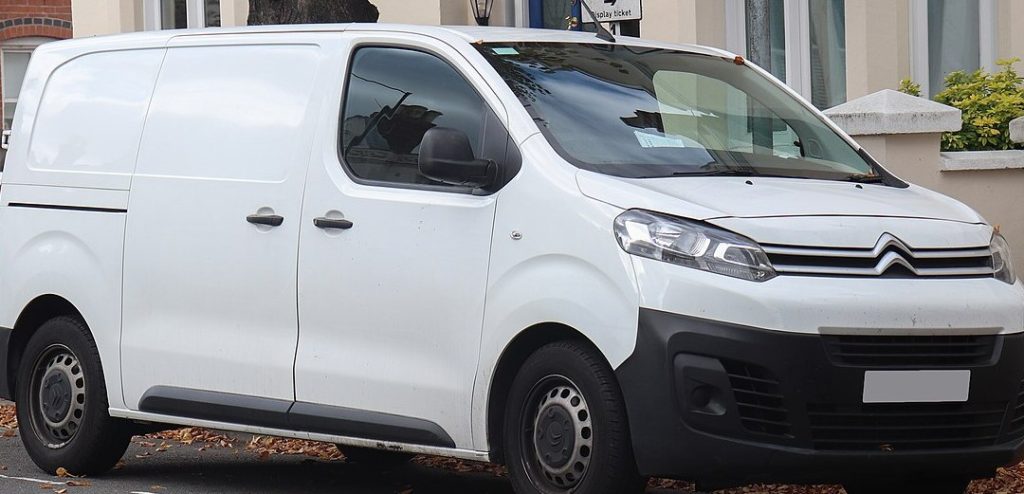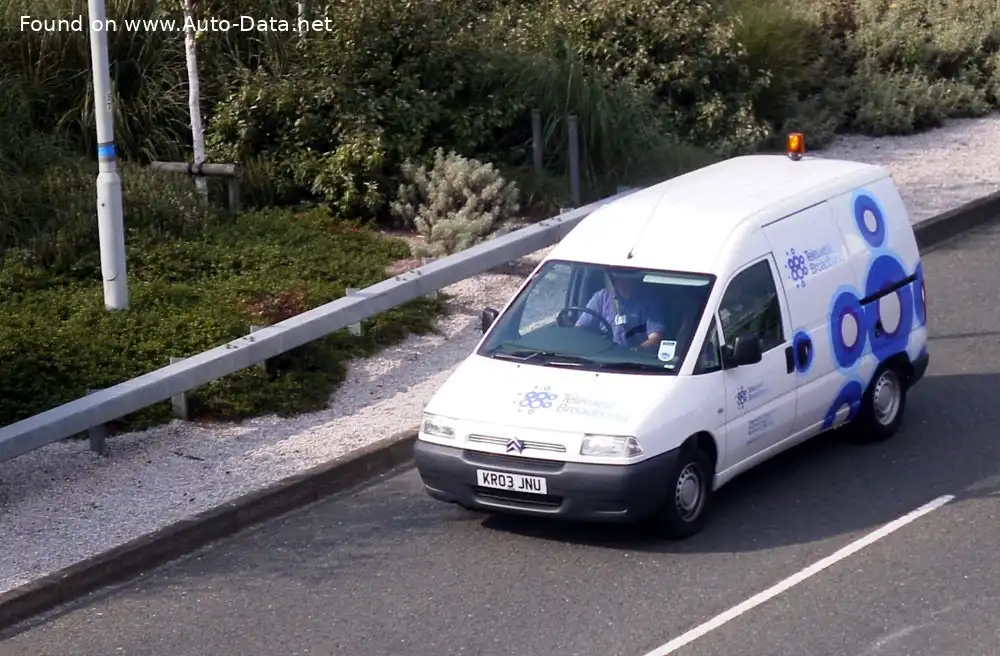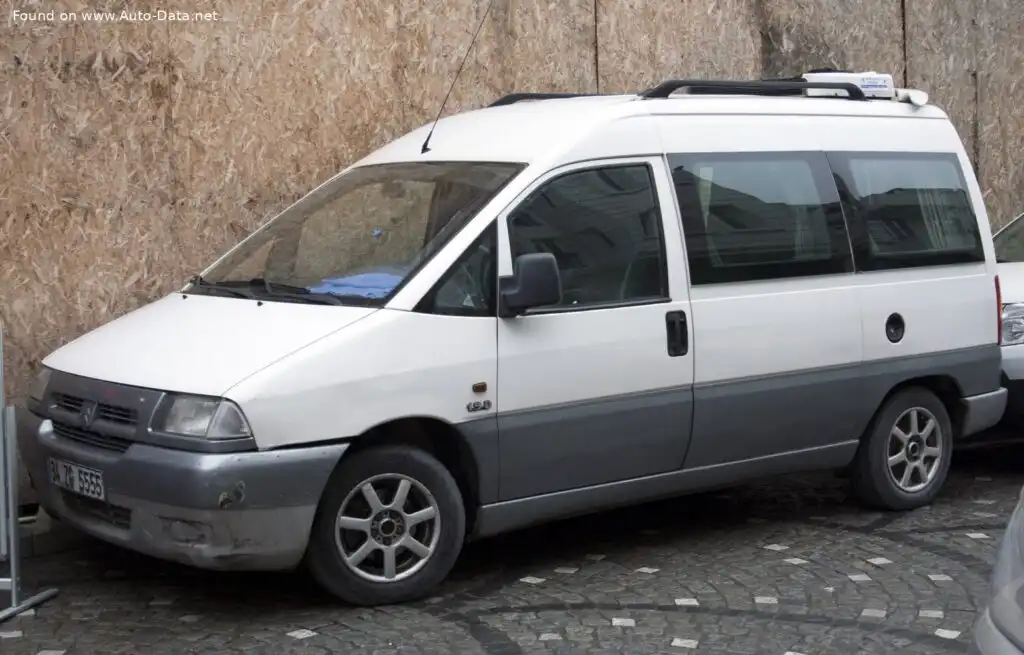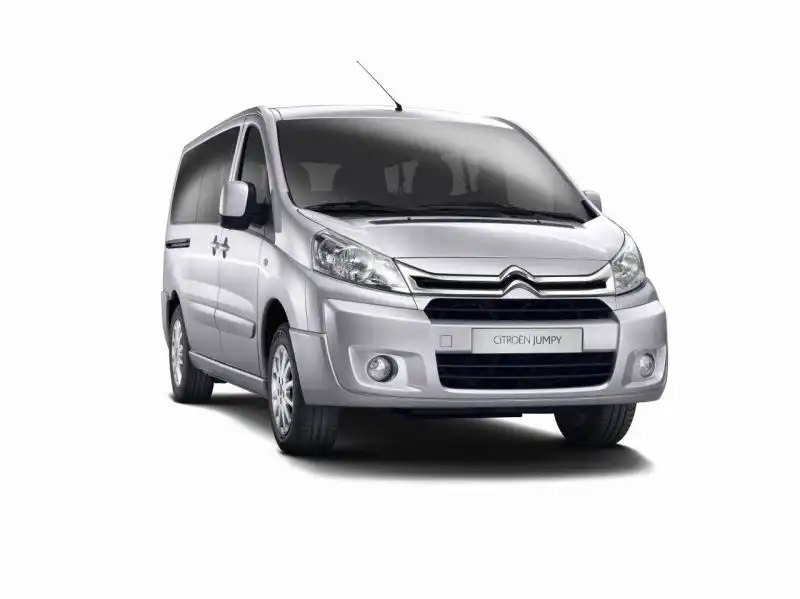
The Citroen Jumpy II Multispace, specifically the facelifted version introduced in 2012, represented a significant update to Citroen’s popular mid-size van. This variant, equipped with the 2.0 HDi 163 horsepower engine and a six-speed automatic transmission, was positioned as a comfortable and practical option for families and businesses needing a versatile people carrier. Production of this specific configuration ran from 2012 to 2015. The Jumpy II Multispace, built on the Peugeot-Citroen EMP2 platform, aimed to bridge the gap between a commercial van and a traditional minivan, offering a blend of utility and passenger comfort. The “L1” designation indicates the short wheelbase version, making it more manageable in urban environments.
Technical Specifications
| Brand | Citroen |
| Model | Jumpy |
| Generation | Jumpy II Multispace (facelift 2012) |
| Type | 2.0 HDi (163 Hp) L1 Automatic 8 Seat |
| Start of production | 2012 |
| End of production | 2015 |
| Powertrain Architecture | Internal Combustion engine |
| Body type | Minivan |
| Seats | 8 |
| Doors | 5 |
| Fuel consumption (urban) | 9 l/100 km (26.1 US mpg, 31.4 UK mpg, 11.1 km/l) |
| Fuel consumption (extra urban) | 6.8 l/100 km (34.6 US mpg, 41.5 UK mpg, 14.7 km/l) |
| Fuel consumption (combined) | 7.6 l/100 km (30.9 US mpg, 37.2 UK mpg, 13.2 km/l) |
| CO2 emissions | 199 g/km |
| Fuel Type | Diesel |
| Acceleration 0 – 100 km/h | 11.9 sec |
| Acceleration 0 – 62 mph | 11.9 sec |
| Acceleration 0 – 60 mph | 11.3 sec |
| Maximum speed | 170 km/h (105.63 mph) |
| Emission standard | Euro 5 |
| Power | 163 Hp @ 3750 rpm |
| Torque | 340 Nm @ 2000 rpm (250.77 lb.-ft. @ 2000 rpm) |
| Engine layout | Front, Transverse |
| Engine Model/Code | RHH DW10CTED4 |
| Engine displacement | 1997 cm3 (121.86 cu. in.) |
| Number of cylinders | 4 |
| Engine configuration | Inline |
| Cylinder Bore | 85 mm (3.35 in.) |
| Piston Stroke | 88 mm (3.46 in.) |
| Number of valves per cylinder | 4 |
| Fuel injection system | Diesel Commonrail |
| Engine aspiration | Turbocharger, Intercooler |
| Engine oil capacity | 5 l (5.28 US qt | 4.4 UK qt) |
| Trunk (boot) space – maximum | 3015 l (106.47 cu. ft.) |
| Fuel tank capacity | 80 l (21.13 US gal | 17.6 UK gal) |
| Length | 4805 mm (189.17 in.) |
| Width | 1895 mm (74.61 in.) |
| Width with mirrors folded | 1986 mm (78.19 in.) |
| Width including mirrors | 2194 mm (86.38 in.) |
| Height | 1880 mm (74.02 in.) |
| Wheelbase | 3000 mm (118.11 in.) |
| Front track | 1562 mm (61.5 in.) |
| Rear track | 1596 mm (62.83 in.) |
| Front overhang | 975 mm (38.39 in.) |
| Rear overhang | 830 mm (32.68 in.) |
| Minimum turning circle | 12.2 m (40.03 ft.) |
| Drivetrain | Front wheel drive |
| Number of gears | 6 |
| Gearbox type | Automatic transmission |
| Front suspension | Independent, McPherson with coil spring and anti-roll bar |
| Rear suspension | Semi-dependent beam with stabilizer |
| Front brakes | Ventilated discs |
| Rear brakes | Disc |
| Assisting systems | ABS |
| Steering type | Steering rack and pinion |
| Tires size | 215/60 R16 |
| Wheel rims size | 16 |
Powertrain & Engine Architecture
The heart of this Jumpy Multispace variant is the 2.0 HDi (RHH DW10CTED4) diesel engine. This engine is a four-cylinder, inline configuration, utilizing a common rail direct injection system. The DW10 engine family has been a mainstay for the PSA Group (Peugeot-Citroen) for many years, known for its robustness and fuel efficiency. The 163 horsepower output is achieved through a turbocharger with an intercooler, providing increased air density for more efficient combustion. The engine produces 340 Nm (250.77 lb.-ft.) of torque at 2000 rpm, offering ample pulling power for a vehicle of this size and weight. The six-speed automatic transmission, while not known for being particularly sporty, provides smooth shifts and enhances the ease of driving, especially in urban conditions. This automatic gearbox was a popular choice for drivers prioritizing convenience over outright performance.
Driving Characteristics
The 163 hp 2.0 HDi automatic Jumpy Multispace offers a comfortable and relaxed driving experience. Acceleration is adequate, with a 0-60 mph time of around 11.3 seconds, but it’s not designed for rapid acceleration. The automatic transmission is geared for fuel economy and smooth cruising, rather than aggressive performance. The gear ratios are relatively long, prioritizing efficiency at highway speeds. Compared to the manual transmission versions, the automatic feels slightly less responsive, and the higher-output engine options (if available in some markets) offer noticeably quicker acceleration. However, the automatic transmission makes the Jumpy a much more user-friendly vehicle in stop-and-go traffic.
Equipment & Trim Levels
The Jumpy II Multispace, in this configuration, typically came with a reasonable level of standard equipment. This included air conditioning, power windows, central locking, and an audio system with USB connectivity. Safety features such as ABS, driver and passenger airbags, and electronic stability control were also standard. Higher trim levels offered options like rear parking sensors, a navigation system, and upgraded upholstery. The eight-seat configuration was a key selling point, making it ideal for large families or shuttle services. Interior materials were durable and practical, reflecting the vehicle’s utilitarian roots, but the facelifted model did offer some improvements in interior design and perceived quality.
Chassis & Braking
The Jumpy II Multispace utilizes an independent McPherson strut suspension at the front, providing a comfortable ride and decent handling. The rear suspension employs a semi-dependent beam axle, which is a cost-effective solution that offers adequate stability for a vehicle primarily designed for passenger transport. The braking system consists of ventilated discs at the front and solid discs at the rear. ABS (Anti-lock Braking System) is standard, enhancing safety during emergency braking situations. The steering is a rack and pinion system, providing reasonably precise control.
Market Reception & Comparison
The Citroen Jumpy II Multispace 2.0 HDi Automatic was generally well-received as a practical and versatile people carrier. Critics praised its spacious interior, comfortable ride, and fuel efficiency. However, the automatic transmission was sometimes criticized for being slightly sluggish, and the overall driving experience wasn’t particularly engaging. Compared to other MPVs in its class, such as the Renault Scenic or Volkswagen Touran, the Jumpy offered a more utilitarian approach, prioritizing space and practicality over outright refinement. Fuel economy was a strong point, with combined figures around 30.9 US mpg, making it an economical choice for high-mileage drivers.
Legacy
The 2.0 HDi engine, in its various iterations, has proven to be a reliable and durable powerplant. While some early common rail diesel engines experienced issues with injector failures, the DW10CTED4 engine generally enjoys a good reputation for longevity, provided it receives regular maintenance. The automatic transmission, while not as sophisticated as some modern gearboxes, is also generally reliable. Today, used examples of the Jumpy II Multispace 2.0 HDi Automatic are readily available and represent a relatively affordable option for those needing a spacious and practical people carrier. Regular servicing, including oil changes and filter replacements, is crucial to maintaining the long-term reliability of this vehicle.