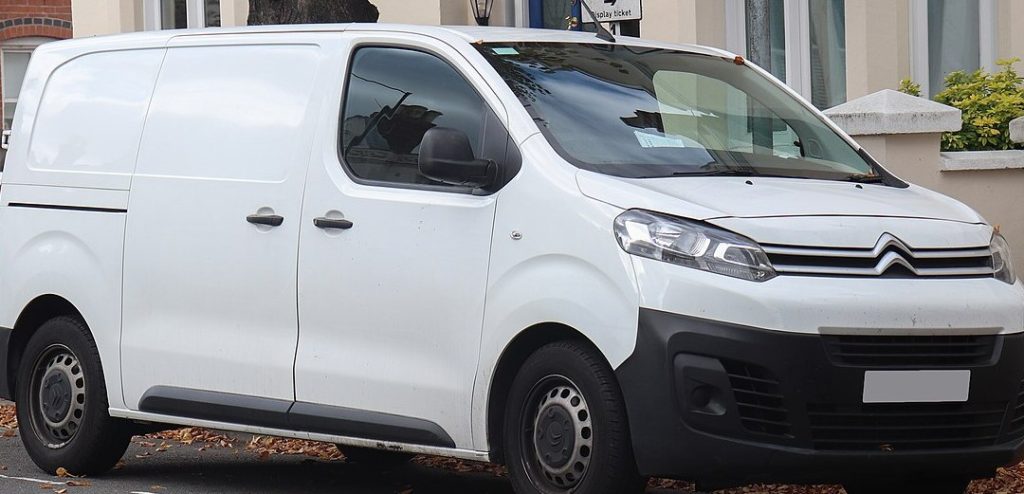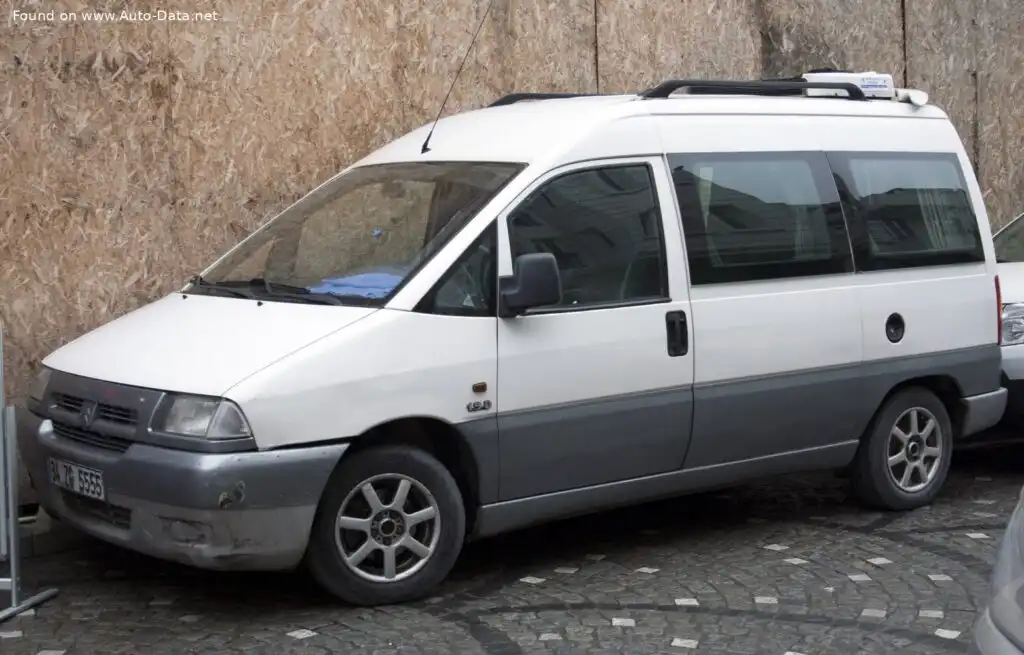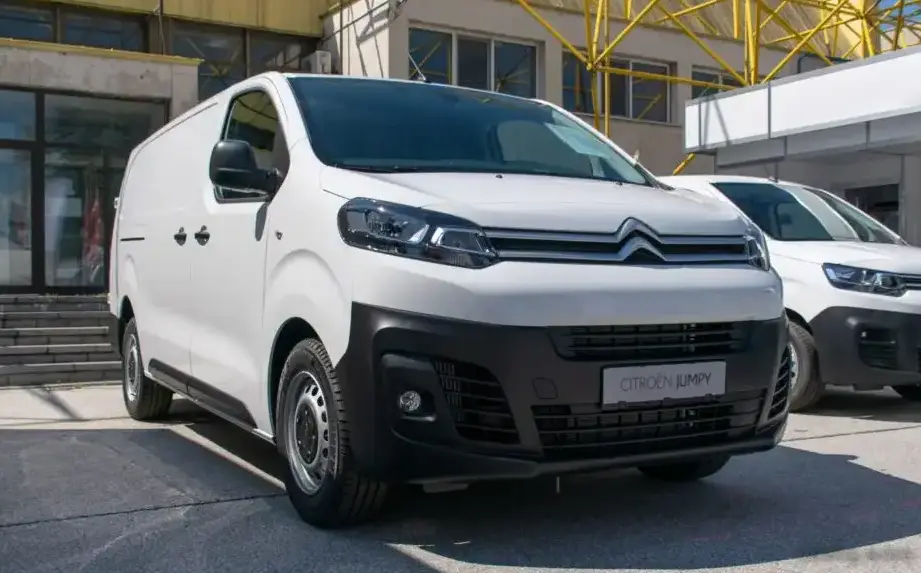
The Citroen Jumpy III M e-Jumpy 75 kWh, producing 136 horsepower, represents Citroen’s entry into the electric commercial vehicle market. Introduced in October 2020, this variant is part of the third generation of the Jumpy (known as the Dispatch in the UK and some other markets), built on the EMP2 platform shared with Peugeot and Opel/Vauxhall. The e-Jumpy specifically targets businesses and individuals needing a practical, zero-emission van for urban deliveries and commercial applications. It serves as a key component in Citroen’s broader strategy to electrify its entire vehicle lineup.
Technical Specifications
| Brand | Citroen |
| Model | Jumpy |
| Generation | Jumpy III M |
| Type (Engine) | e-Jumpy 75 kWh (136 Hp) |
| Start of production | October, 2020 |
| Powertrain Architecture | BEV (Electric Vehicle) |
| Body type | Minivan |
| Seats | 2-3 |
| Doors | 4 |
| Fuel Type | Electricity |
| Acceleration 0 – 100 km/h | 13.3 sec |
| Acceleration 0 – 62 mph | 13.3 sec |
| Acceleration 0 – 60 mph | 12.6 sec |
| Maximum speed | 130 km/h (80.78 mph) |
| Weight-to-power ratio | 13.8 kg/Hp, 72.6 Hp/tonne |
| Weight-to-torque ratio | 7.2 kg/Nm, 138.7 Nm/tonne |
| Gross battery capacity | 75 kWh |
| Battery technology | Lithium-ion (Li-Ion) |
| Battery location | Below the floor |
| All-electric range (WLTP) | 316 km (196.35 mi) |
| Average Energy consumption (WLTP) | 27 kWh/100 km (43.45 kWh/100 mi) |
| MPGe | 78 |
| km/kWh | 3.7 |
| mi/kWh | 2.3 |
| Electric motor power | 136 Hp |
| Electric motor Torque | 260 Nm (191.77 lb.-ft.) |
| Electric motor model/code | ZK01 |
| Electric motor location | Front axle, Transverse |
| System power | 136 Hp |
| System torque | 260 Nm (191.77 lb.-ft.) |
| Kerb Weight | 1874-2013 kg (4131.46 – 4437.91 lbs.) |
| Max. weight | 3100 kg (6834.33 lbs.) |
| Max load | 1087-1226 kg (2396.42 – 2702.87 lbs.) |
| Permitted trailer load with brakes (12%) | 1000 kg (2204.62 lbs.) |
| Permitted trailer load without brakes | 750 kg (1653.47 lbs.) |
| Permitted towbar download | 60 kg (132.28 lbs.) |
| Length | 4959 mm (195.24 in.) |
| Width | 1920 mm (75.59 in.) |
| Width including mirrors | 2204 mm (86.77 in.) |
| Height | 1877-1950 mm (73.9 – 76.77 in.) |
| Wheelbase | 3275 mm (128.94 in.) |
| Front track | 1630 mm (64.17 in.) |
| Front overhang | 881 mm (34.69 in.) |
| Rear overhang | 803 mm (31.61 in.) |
| Minimum turning circle | 12.9 m (42.32 ft.) |
| Drivetrain Architecture | One electric motor drives the front wheels. |
| Drive wheel | Front wheel drive |
| Number of gears | 1 |
| Gearbox type | automatic transmission |
| Front suspension | Independent type McPherson |
| Rear suspension | Wishbone |
| Front brakes | Ventilated discs |
| Rear brakes | Ventilated discs |
| Assisting systems | ABS (Anti-lock braking system) |
| Steering type | Steering rack and pinion |
| Tires size | 215/65 R16 |
Introduction
The Citroen Jumpy III M e-Jumpy 75 kWh is a battery electric version of the popular Jumpy commercial van. Launched in 2020, it represents Citroen’s commitment to providing electric alternatives across its commercial vehicle range. The “75 kWh” designation refers to the usable capacity of the lithium-ion battery pack, which provides a WLTP-certified range of up to 316 kilometers (196 miles). Positioned as a practical and environmentally friendly solution for businesses, the e-Jumpy competes with other electric vans like the Peugeot e-Expert, Opel/Vauxhall Vivaro-e, and Ford E-Transit.
Powertrain & Engine Architecture
The e-Jumpy utilizes a single electric motor, designated ZK01, producing 136 horsepower (100 kW) and 260 Nm (192 lb-ft) of torque. This motor is mounted transversely at the front of the vehicle, driving the front wheels. The powertrain is entirely electric, eliminating the need for a traditional internal combustion engine, fuel tank, and associated components. The 75 kWh lithium-ion battery pack is located under the floor of the vehicle, contributing to a lower center of gravity and improved stability. The battery utilizes a sophisticated thermal management system to maintain optimal operating temperatures and prolong its lifespan. The e-Jumpy features a single-speed automatic transmission, simplifying operation and providing smooth acceleration. The vehicle supports both AC and DC fast charging, allowing for flexible charging options depending on infrastructure availability.
Driving Characteristics
The e-Jumpy 75 kWh offers a distinctly different driving experience compared to its diesel-powered counterparts. The instant torque delivery of the electric motor provides brisk acceleration, particularly in urban environments. While the 0-60 mph time of around 12.6 seconds isn’t particularly quick, it’s more than adequate for typical commercial use. The single-speed transmission ensures seamless power delivery, and the lack of engine noise contributes to a quieter and more comfortable cabin. The van’s weight, ranging from 1874 to 2013 kg, is noticeable, but the low center of gravity helps to mitigate body roll during cornering. Drivers can select different driving modes (Eco, Normal, and Power) to optimize energy consumption or prioritize performance. The Eco mode limits power output and adjusts climate control settings to maximize range.
Equipment & Trim Levels
The e-Jumpy is typically offered in a range of trim levels, catering to different budgets and requirements. Standard equipment generally includes air conditioning, a touchscreen infotainment system with Apple CarPlay and Android Auto compatibility, and a suite of safety features such as ABS, ESP, and lane departure warning. Higher trim levels may add features like a reversing camera, parking sensors, and upgraded interior upholstery. The van’s cabin is designed with practicality in mind, featuring durable materials and ample storage space. Optional extras include a load-through bulkhead, additional battery charging options, and various cargo area configurations.
Chassis & Braking
The e-Jumpy utilizes a McPherson strut suspension setup at the front and a wishbone suspension at the rear. This configuration provides a good balance between ride comfort and handling. Ventilated disc brakes are fitted to all four wheels, providing ample stopping power. The electronic stability program (ESP) and anti-lock braking system (ABS) enhance safety and control. The steering is rack and pinion, offering precise and responsive handling. The van’s tires are typically 215/65 R16, providing a good compromise between grip and rolling resistance.
Market Reception & Comparison
The Citroen e-Jumpy has been generally well-received by critics and customers alike. Its zero-emission capability, practical design, and competitive pricing have made it a popular choice for businesses looking to reduce their carbon footprint. Compared to the diesel-powered Jumpy, the e-Jumpy offers lower running costs due to reduced fuel and maintenance expenses. However, the initial purchase price is higher. Compared to other electric vans in the segment, the e-Jumpy offers a competitive range and payload capacity. Some reviewers have noted that the regenerative braking system could be more aggressive, and the charging time can be relatively long on slower AC chargers.
Legacy
The Citroen e-Jumpy 75 kWh represents a significant step forward in Citroen’s electrification strategy. As electric vehicle technology continues to evolve, the e-Jumpy is expected to become an increasingly popular choice for businesses and individuals seeking a sustainable and practical transportation solution. The longevity of the battery pack and the availability of replacement parts will be key factors in determining the long-term reliability and resale value of this vehicle. The e-Jumpy has helped to pave the way for further electric vehicle development within the Stellantis group, and its success will likely influence the design and features of future electric commercial vehicles.