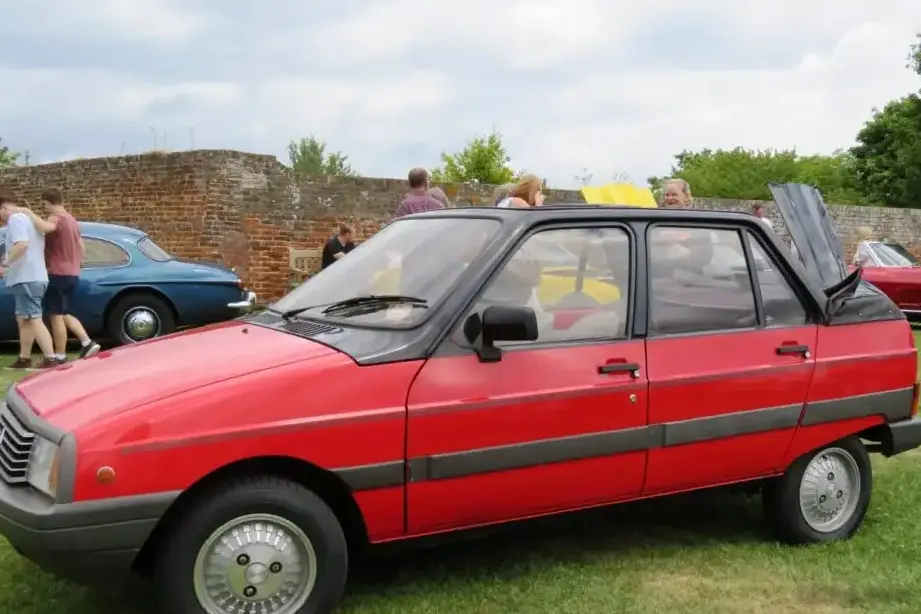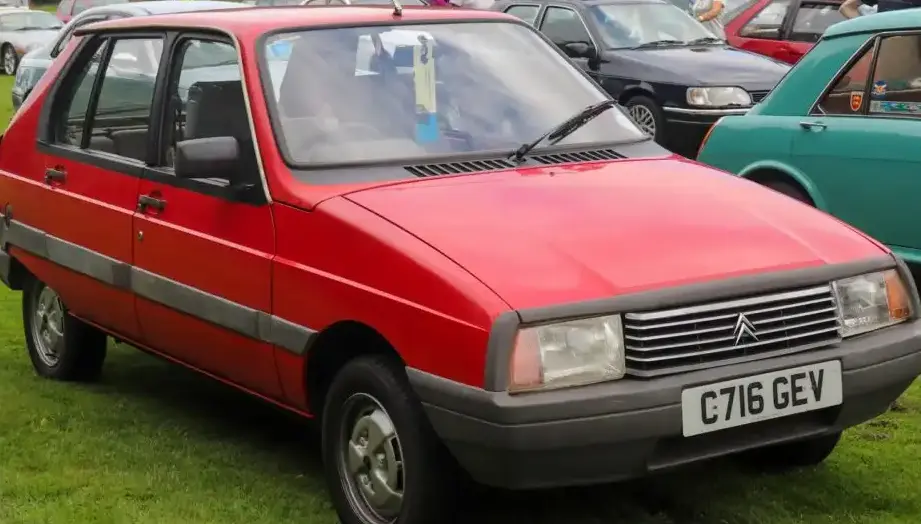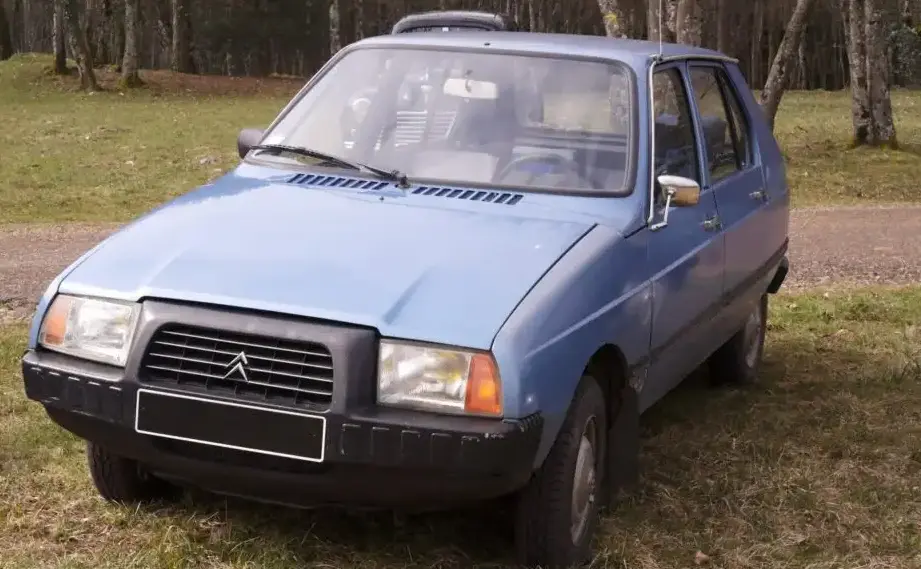
The Citroen Visa 14 GT, produced briefly in 1982, represents a mid-range offering within the Phase I generation of the Visa. Introduced as a more performance-oriented version of the compact hatchback, the 14 GT aimed to provide a balance between affordability, practicality, and a slightly more engaging driving experience. The Visa itself was Citroen’s attempt to enter the burgeoning supermini market, designed as a more conventional and less technologically ambitious alternative to the innovative but complex Citroen GS and CX. The 14 GT, with its 79 horsepower engine, occupied a space between the base models and the more luxurious or specialized trims.
Technical Specifications
| Brand | Citroen |
| Model | Visa |
| Generation | Visa (Phase I) |
| Type (Engine) | 14 GT (79 Hp) |
| Start of production | 1982 |
| End of production | 1982 |
| Powertrain Architecture | Internal Combustion engine |
| Body type | Hatchback |
| Seats | 4 |
| Doors | 5 |
| Fuel Type | Petrol (Gasoline) |
| Maximum speed | 168 km/h (104.39 mph) |
| Weight-to-power ratio | 10.5 kg/Hp, 95.2 Hp/tonne |
| Power | 79 Hp @ 5800 rpm |
| Power per litre | 58.1 Hp/l |
| Engine layout | Front, Transverse |
| Engine Model/Code | 150/B XY8 |
| Engine displacement | 1360 cm3 (82.99 cu. in.) |
| Number of cylinders | 4 |
| Engine configuration | Inline |
| Cylinder Bore | 75 mm (2.95 in.) |
| Piston Stroke | 77 mm (3.03 in.) |
| Fuel injection system | Carburettor |
| Engine aspiration | Naturally aspirated engine |
| Engine oil capacity | 5 l (5.28 US qt | 4.4 UK qt) |
| Kerb Weight | 830 kg (1829.84 lbs.) |
| Max. weight | 1110 kg (2447.13 lbs.) |
| Max load | 280 kg (617.29 lbs.) |
| Fuel tank capacity | 40 l (10.57 US gal | 8.8 UK gal) |
| Max. roof load | 60 kg (132.28 lbs.) |
| Permitted trailer load with brakes (12%) | 750 kg (1653.47 lbs.) |
| Permitted trailer load without brakes | 415 kg (914.92 lbs.) |
| Length | 3690 mm (145.28 in.) |
| Width | 1535 mm (60.43 in.) |
| Height | 1408 mm (55.43 in.) |
| Wheelbase | 2430 mm (95.67 in.) |
| Front track | 1302 mm (51.26 in.) |
| Rear (Back) track | 1251 mm (49.25 in.) |
| Front overhang | 665 mm (26.18 in.) |
| Rear overhang | 595 mm (23.43 in.) |
| Drivetrain Architecture | The Internal combustion engine (ICE) drives the front wheels of the vehicle. |
| Drive wheel | Front wheel drive |
| Number of gears and type of gearbox | 5 gears, manual transmission |
| Front suspension | Independent coil spring, Transverse stabilizer |
| Rear suspension | Independent coil spring |
| Front brakes | Disc |
| Rear brakes | Drum |
| Steering type | Steering rack and pinion |
Powertrain & Engine Architecture
The heart of the Visa 14 GT is the 1360cc inline-four cylinder engine, designated as the 150/B XY8. This engine, a mainstay in several Citroen and Peugeot models of the era, featured a relatively simple carbureted fuel system. While not boasting the sophistication of fuel injection, the carburetor provided adequate fuel delivery for the engine’s output. The engine utilized a single overhead camshaft (SOHC) valvetrain, operating two valves per cylinder. This configuration was typical for engines of this displacement and era, prioritizing simplicity and reliability over outright performance. The 79 horsepower peak was achieved at 5800 rpm, and the engine produced a modest amount of torque, suitable for everyday driving. The engine was transversely mounted, a common layout for front-wheel-drive vehicles, contributing to a more compact engine bay and improved space utilization.
Driving Characteristics
The 14 GT, equipped with a five-speed manual transmission, offered a noticeable step up in performance compared to the base Visa models. While not a sports car by any means, the 79 hp engine provided sufficient power for confident overtaking and highway cruising. The five-speed gearbox allowed for relatively efficient engine operation at higher speeds, and the gear ratios were well-suited to the engine’s powerband. The Visa’s relatively light weight (830 kg) contributed to a decent power-to-weight ratio, making the car feel nimble and responsive. Compared to later, more powerful Visa variants, the 14 GT prioritized fuel economy and ease of driving over outright speed. The steering, utilizing a rack and pinion system, was reasonably precise, although lacking the feedback of more modern systems.
Equipment & Trim Levels
The 14 GT trim level offered a step up in interior appointments compared to the base Visa. Standard features typically included upgraded cloth upholstery, a more comprehensive instrument cluster, and often, a basic radio. Optional extras could include a sunroof, upgraded sound system, and metallic paint finishes. The dashboard layout was functional and straightforward, typical of cars from the early 1980s. While not luxurious, the interior was reasonably comfortable and well-built for its price point. The 14 GT aimed to provide a balance between practicality and a slightly more refined driving experience.
Chassis & Braking
The Visa 14 GT utilized an independent coil spring suspension system at both the front and rear, incorporating a transverse stabilizer bar at the front to reduce body roll. This suspension setup provided a reasonably comfortable ride, although it wasn’t particularly sporty. The front brakes were disc brakes, offering better stopping power than the drum brakes fitted to the rear wheels. The braking system was adequate for the car’s weight and performance, but lacked the sophistication of more modern braking systems. The steering was a rack and pinion system, providing reasonably precise control.
Market Reception & Comparison
The Citroen Visa 14 GT was generally well-received by automotive critics as a practical and affordable hatchback. It was praised for its fuel efficiency, comfortable ride, and relatively spacious interior. However, it was also criticized for its somewhat bland styling and lack of outright performance compared to some of its rivals. Compared to other trims in the Visa lineup, the 14 GT offered a good balance between price and performance. It was more affordable than the more luxurious models, but offered more power and a more engaging driving experience than the base models. Against competitors like the Renault 5 and Peugeot 205, the Visa 14 GT held its own in terms of practicality and affordability, but lacked the sporting appeal of some of its rivals.
Legacy
The Citroen Visa 14 GT, despite its short production run, remains a fondly remembered example of early 1980s French automotive design. The 150/B XY8 engine, while not particularly powerful, proved to be relatively reliable and durable. Today, well-maintained examples of the Visa 14 GT are becoming increasingly sought after by classic car enthusiasts. The car’s simplicity and affordability make it a relatively easy and inexpensive classic to own and maintain. While not a high-performance vehicle, the Visa 14 GT offers a charming and nostalgic driving experience, representing a unique chapter in Citroen’s history.