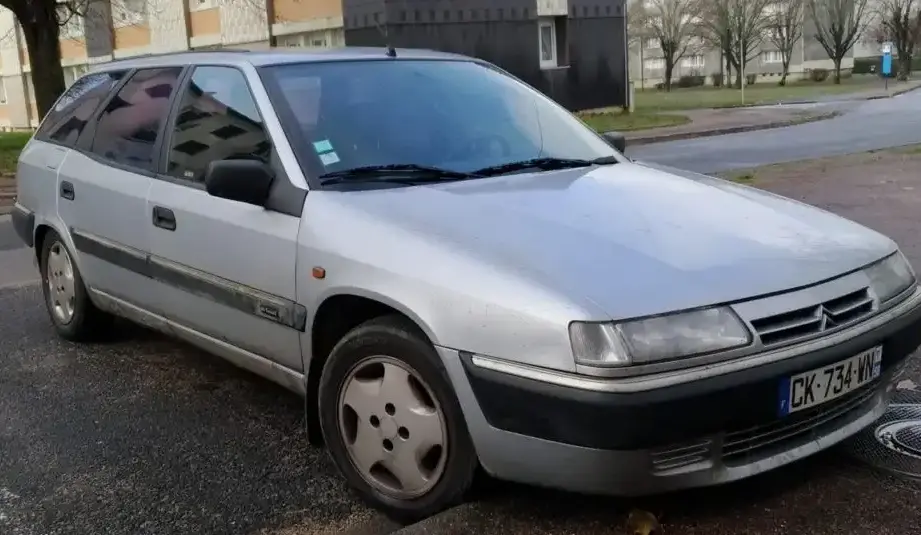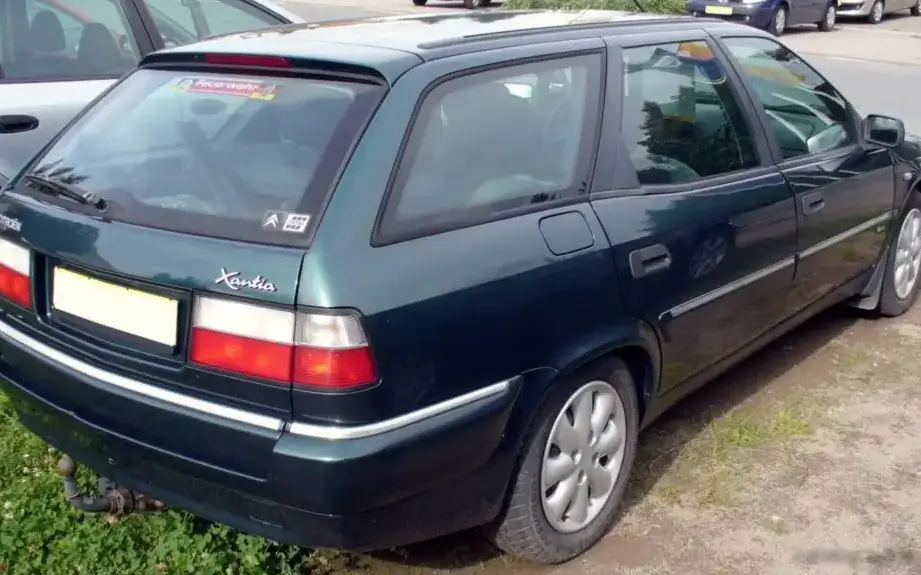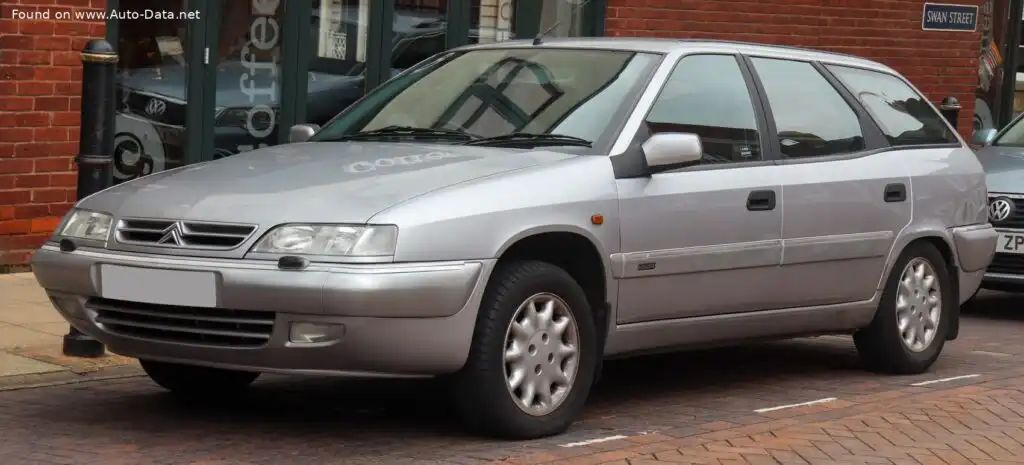
The Citroën Xantia Break (X2) 3.0 V6 S was a high-performance variant of the Xantia estate car, produced between 1998 and 2001. Positioned as the flagship of the Xantia Break range, it combined a powerful V6 engine with the practicality of a station wagon. The Xantia itself was a mid-size car, intended to replace the BX, and represented Citroën’s continued commitment to innovative suspension technology and comfortable ride quality. The X2 generation, introduced in 1998, featured styling updates and refinements over the original Xantia, and the 3.0 V6 S model was the most potent offering in the lineup.
Technical Specifications
| Brand | Citroën |
| Model | Xantia |
| Generation | Xantia Break (X2) |
| Type (Engine) | 3.0 V6 S (190 Hp) |
| Start of production | 1998 |
| End of production | 2001 |
| Powertrain Architecture | Internal Combustion engine |
| Body type | Station wagon (estate) |
| Seats | 5 |
| Doors | 5 |
| Fuel consumption (urban) | 16.1 l/100 km (14.6 US mpg, 17.5 UK mpg, 6.2 km/l) |
| Fuel consumption (extra urban) | 8.2 l/100 km (28.7 US mpg, 34.4 UK mpg, 12.2 km/l) |
| Fuel consumption (combined) | 11.1 l/100 km (21.2 US mpg, 25.4 UK mpg, 9 km/l) |
| CO2 emissions | 265 g/km |
| Fuel Type | Petrol (Gasoline) |
| Acceleration 0 – 100 km/h | 8.4 sec |
| Acceleration 0 – 62 mph | 8.4 sec |
| Acceleration 0 – 60 mph | 8 sec |
| Maximum speed | 227 km/h (141.05 mph) |
| Emission standard | Euro 2 |
| Weight-to-power ratio | 7.8 kg/Hp, 127.4 Hp/tonne |
| Weight-to-torque ratio | 5.6 kg/Nm, 179.1 Nm/tonne |
| Power | 190 Hp @ 5500 rpm |
| Power per litre | 64.5 Hp/l |
| Torque | 267 Nm @ 4000 rpm (196.93 lb.-ft. @ 4000 rpm) |
| Engine layout | Front, Transverse |
| Engine Model/Code | XZF ES9J4 |
| Engine displacement | 2946 cm3 (179.78 cu. in.) |
| Number of cylinders | 6 |
| Engine configuration | V-engine |
| Cylinder Bore | 87 mm (3.43 in.) |
| Piston Stroke | 82.6 mm (3.25 in.) |
| Compression ratio | 10.5:1 |
| Number of valves per cylinder | 4 |
| Fuel injection system | Multi-port manifold injection |
| Engine aspiration | Naturally aspirated engine |
| Valvetrain | DOHC |
| Engine oil capacity | 5.5 l (5.81 US qt, 4.84 UK qt) |
| Coolant | 10 l (10.57 US qt, 8.8 UK qt) |
| Kerb Weight | 1491 kg (3287.09 lbs.) |
| Max. weight | 2000 kg (4409.25 lbs.) |
| Max load | 509 kg (1122.15 lbs.) |
| Trunk (boot) space – minimum | 512 l (18.08 cu. ft.) |
| Trunk (boot) space – maximum | 1690 l (59.68 cu. ft.) |
| Fuel tank capacity | 65 l (17.17 US gal, 14.3 UK gal) |
| Max. roof load | 75 kg (165.35 lbs.) |
| Permitted trailer load with brakes (12%) | 1500 kg (3306.93 lbs.) |
| Permitted trailer load without brakes | 750 kg (1653.47 lbs.) |
| Permitted towbar download | 85 kg (187.39 lbs.) |
| Length | 4712 mm (185.51 in.) |
| Width | 1760 mm (69.29 in.) |
| Width including mirrors | 1980 mm (77.95 in.) |
| Height | 1420 mm (55.91 in.) |
| Wheelbase | 2740 mm (107.87 in.) |
| Front track | 1502 mm (59.13 in.) |
| Rear (Back) track | 1478 mm (58.19 in.) |
| Front overhang | 983 mm (38.7 in.) |
| Rear overhang | 989 mm (38.94 in.) |
| Drivetrain Architecture | The Internal combustion engine (ICE) drives the front wheels of the vehicle. |
| Drive wheel | Front wheel drive |
| Number of gears and type of gearbox | 5 gears, manual transmission |
| Front suspension | Independent type McPherson, Wishbone |
| Rear suspension | Hydro-pneumatic element, Trailing arm |
| Front brakes | Ventilated discs |
| Rear brakes | Disc |
| Assisting systems | ABS (Anti-lock braking system) |
| Steering type | Steering rack and pinion |
| Power steering | Hydraulic Steering |
| Tires size | 205/60 R15 |
INTRODUCTION
The Citroën Xantia Break 3.0 V6 S, produced from 1998 to 2001, represented the pinnacle of performance for the Xantia estate model. Built on the X2 platform, it offered a compelling blend of practicality, comfort, and spirited driving. The Xantia was designed as a successor to the BX, aiming to continue Citroën’s tradition of innovative engineering, particularly in its suspension system. The Break (estate) version added significant cargo capacity, making it a popular choice for families and those requiring versatile load-lugging capabilities. The 3.0 V6 S trim was the top-of-the-line offering, distinguished by its larger engine and enhanced equipment levels.
Powertrain & Engine Architecture
The heart of the Xantia Break 3.0 V6 S is the XFZ ES9J4 2.9-liter V6 engine. This naturally aspirated engine, a product of Peugeot-Citroën-Renault collaboration, produces 190 horsepower at 5500 rpm and 267 Nm (196.93 lb-ft) of torque at 4000 rpm. The engine utilizes a multi-port fuel injection system and a double overhead camshaft (DOHC) valvetrain. The engine’s layout is front transverse, contributing to a favorable weight distribution. The engine is known for its smooth power delivery and distinctive V6 sound. The Xantia Break 3.0 V6 S was typically paired with a 5-speed manual transmission, although an automatic transmission was also available, albeit less common. The automatic gearbox, while offering convenience, slightly impacted acceleration and fuel economy compared to the manual version.
Driving Characteristics
The Xantia Break 3.0 V6 S offered a noticeably more engaging driving experience than its four-cylinder counterparts. The V6 engine provided ample power for effortless cruising and brisk acceleration, achieving 0-100 km/h (0-62 mph) in approximately 8.4 seconds and a top speed of 227 km/h (141 mph). The car’s renowned hydropneumatic suspension system, a Citroën hallmark, provided a remarkably smooth and comfortable ride, even on uneven surfaces. The suspension effectively absorbed bumps and imperfections in the road, contributing to a refined driving experience. While the front-wheel-drive configuration meant it wasn’t a sports car in the truest sense, the V6’s power and the well-tuned chassis made it a capable and enjoyable vehicle to drive. The 5-speed manual transmission allowed for precise control, while the automatic option prioritized ease of use.
Equipment & Trim Levels
The 3.0 V6 S trim level was generously equipped. Standard features typically included air conditioning, power windows, central locking, and an upgraded audio system. Interior upholstery was often a combination of cloth and leather, providing a comfortable and premium feel. Alloy wheels were also standard, enhancing the car’s aesthetic appeal. Optional extras included a sunroof, upgraded audio systems, and metallic paint finishes. The dashboard layout was functional and ergonomically designed, with clear instrumentation and easy-to-reach controls. The Xantia Break’s spacious interior and large cargo area made it a practical choice for families and those needing to transport bulky items.
Chassis & Braking
The Xantia Break 3.0 V6 S featured an independent McPherson strut front suspension and a hydro-pneumatic trailing arm rear suspension. This suspension system, unique to Citroën, provided exceptional ride comfort and self-leveling capabilities. The braking system consisted of ventilated discs on the front wheels and solid discs on the rear. Anti-lock Braking System (ABS) was standard, enhancing safety and control during emergency braking. The steering was a rack and pinion system with hydraulic power assistance, providing precise and responsive steering feel. The car rode on 205/60 R15 tires, offering a good balance of grip and comfort.
Market Reception & Comparison
The Xantia Break 3.0 V6 S was generally well-received by automotive critics, who praised its powerful engine, comfortable ride, and spacious interior. However, its relatively high price and fuel consumption were noted as potential drawbacks. Compared to other trims in the Xantia lineup, the 3.0 V6 S offered significantly more performance but came at a higher cost. The 1.8 and 2.0-liter versions were more fuel-efficient and affordable, appealing to a broader range of buyers. The V6 model targeted those seeking a more refined and powerful driving experience. Against competitors like the Ford Mondeo Estate and Volkswagen Passat Variant, the Xantia Break 3.0 V6 S offered a unique combination of French flair, innovative suspension technology, and strong performance.
Legacy
The Citroën Xantia Break 3.0 V6 S remains a fondly remembered car among enthusiasts. The ES9J4 V6 engine is generally considered reliable, although regular maintenance is essential. The hydropneumatic suspension system, while offering exceptional comfort, can require specialized maintenance and repairs. Today, the Xantia Break 3.0 V6 S is a relatively rare sight on the roads, and well-maintained examples are becoming increasingly sought after by collectors and classic car enthusiasts. Its unique blend of performance, comfort, and innovative technology ensures its place as a distinctive and memorable vehicle in Citroën’s history.