Technical Specifications
| Brand | Citroen |
| Model | Xantia |
| Generation | Xantia (X2) |
| Type (Engine) | 2.1 Turbo D12V (109 Hp) |
| Start of production | 1998 year |
| End of production | 2001 year |
| Powertrain Architecture | Internal Combustion engine |
| Body type | Hatchback |
| Seats | 5 |
| Doors | 4 |
| Fuel consumption (economy) – urban | 9.4 l/100 km (25 US mpg, 30.1 UK mpg, 10.6 km/l) |
| Fuel consumption (economy) – extra urban | 5.5 l/100 km (42.8 US mpg, 51.4 UK mpg, 18.2 km/l) |
| Fuel Type | Diesel |
| Acceleration 0 – 100 km/h | 12.2 sec |
| Acceleration 0 – 62 mph | 12.2 sec |
| Acceleration 0 – 60 mph | 11.6 sec |
| Maximum speed | 190 km/h (118.06 mph) |
| Weight-to-power ratio | 12.7 kg/Hp, 79 Hp/tonne |
| Weight-to-torque ratio | 5.5 kg/Nm, 181.2 Nm/tonne |
| Power | 109 Hp @ 4300 rpm |
| Power per litre | 54.6 Hp/l |
| Torque | 250 Nm @ 2000 rpm (184.39 lb.-ft. @ 2000 rpm) |
| Engine layout | Front, Transverse |
| Engine Model/Code | P8C XUD11BTE |
| Engine displacement | 1997 cm3 (121.86 cu. in.) |
| Number of cylinders | 4 |
| Engine configuration | Inline |
| Cylinder Bore | 85 mm (3.35 in.) |
| Piston Stroke | 88 mm (3.46 in.) |
| Compression ratio | 18:1 |
| Number of valves per cylinder | 2 |
| Fuel injection system | Precombustion chamber injection |
| Engine aspiration | Turbocharger |
| Valvetrain | DOHC |
| Engine oil capacity | 4.5 l (4.76 US qt | 3.96 UK qt) |
| Coolant | 11.4 l (12.05 US qt | 10.03 UK qt) |
| Kerb Weight | 1380 kg (3042.38 lbs.) |
| Max. weight | 1910 kg (4210.83 lbs.) |
| Max load | 530 kg (1168.45 lbs.) |
| Trunk (boot) space – minimum | 480 l (16.95 cu. ft.) |
| Trunk (boot) space – maximum | 878 l (31.01 cu. ft.) |
| Fuel tank capacity | 65 l (17.17 US gal | 14.3 UK gal) |
| Max. roof load | 75 kg (165.35 lbs.) |
| Permitted towbar download | 85 kg (187.39 lbs.) |
| Length | 4524 mm (178.11 in.) |
| Width | 1755 mm (69.09 in.) |
| Width including mirrors | 1980 mm (77.95 in.) |
| Height | 1400 mm (55.12 in.) |
| Wheelbase | 2740 mm (107.87 in.) |
| Front track | 1500 mm (59.06 in.) |
| Rear (Back) track | 1470 mm (57.87 in.) |
| Front overhang | 983 mm (38.7 in.) |
| Rear overhang | 801 mm (31.54 in.) |
| Minimum turning circle | 10.8 m (35.43 ft.) |
| Drivetrain Architecture | The Internal combustion engine (ICE) drives the front wheels of the vehicle. |
| Drive wheel | Front wheel drive |
| Number of gears and type of gearbox | 5 gears, manual transmission |
| Front suspension | Independent type McPherson, Wishbone |
| Rear suspension | Hydro-pneumatic element, Trailing arm |
| Front brakes | Ventilated discs |
| Rear brakes | Disc |
| Assisting systems | ABS (Anti-lock braking system) |
| Steering type | Steering rack and pinion |
| Power steering | Hydraulic Steering |
| Tires size | 185/65 R15 |
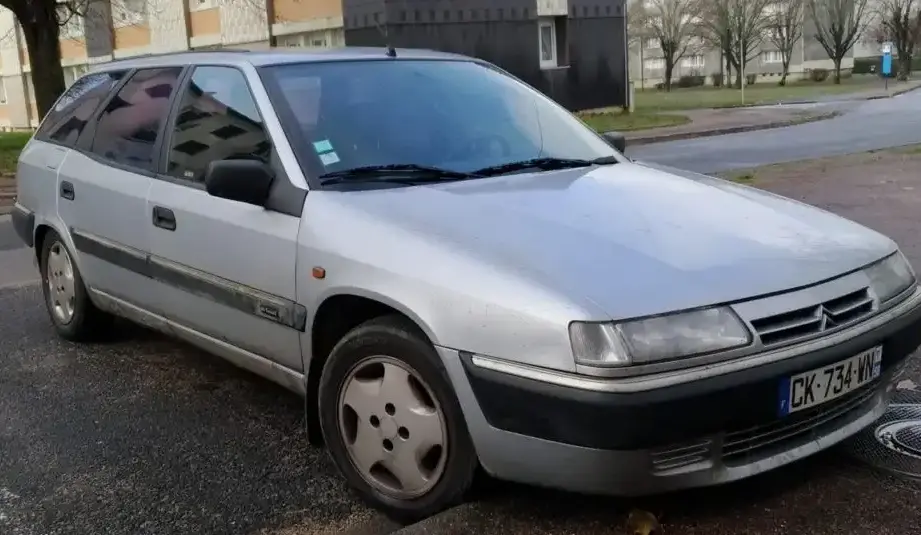
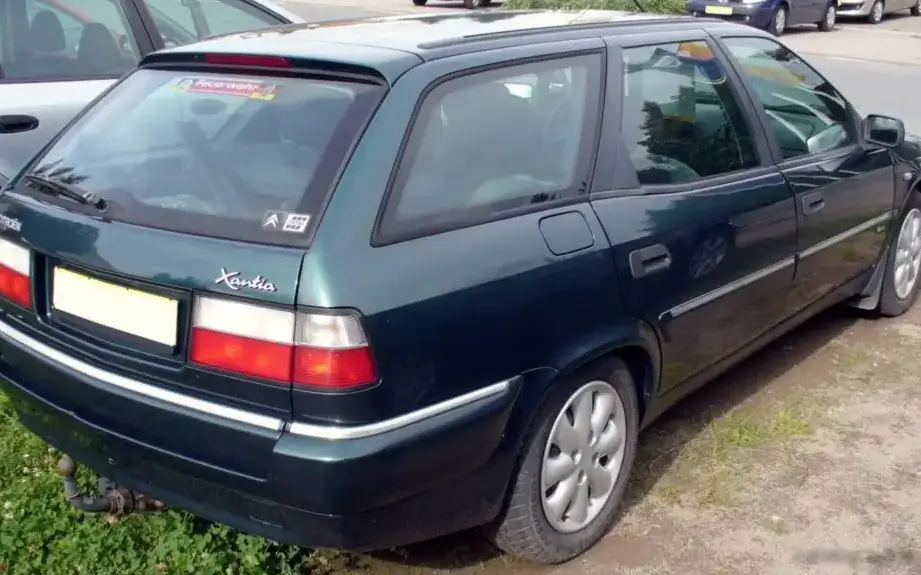
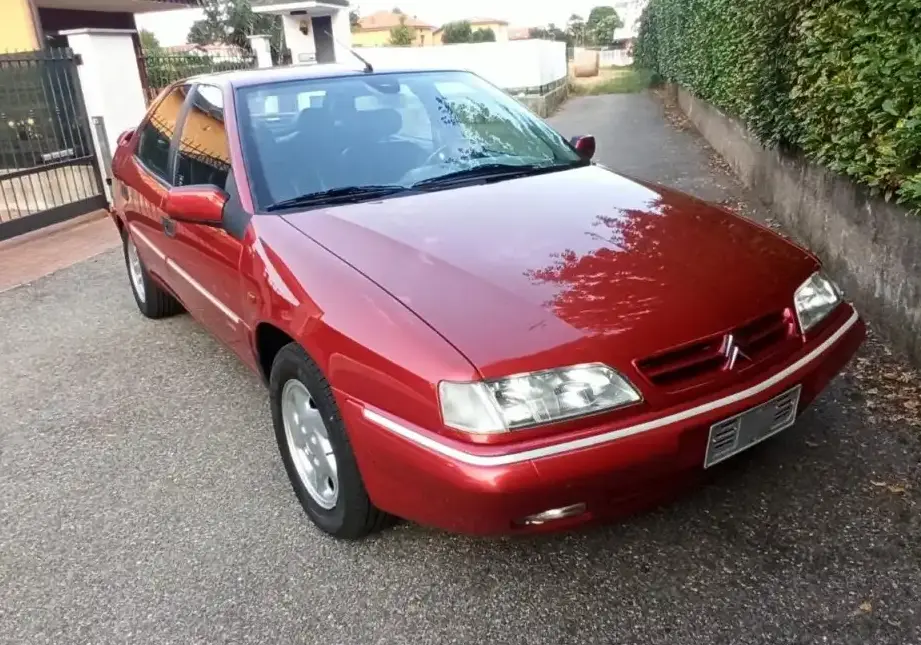
The Citroen Xantia 2.1 Turbo D12V, produced between 1998 and 2001, represents a compelling blend of comfort, performance, and advanced technology within the second generation (X2) Xantia lineup. Positioned as a mid-range offering, it catered to buyers seeking a more powerful and refined experience than the base models, while remaining more accessible than the flagship V6 variants. The Xantia, as a whole, was Citroen’s replacement for the BX, aiming to continue the brand’s tradition of innovative hydropneumatic suspension and distinctive styling in the large family car segment. This particular diesel turbo variant was primarily sold in European markets, where diesel engines enjoyed significant popularity due to their fuel efficiency and torque characteristics.
Powertrain & Engine Architecture
The heart of the Xantia 2.1 Turbo D12V is the P8C XUD11BTE engine, a 1997cc inline-four cylinder diesel. This engine is a descendant of the venerable XUD series diesels developed by Peugeot-Citroen, known for their durability and efficiency. The “D12V” designation refers to the 12-valve cylinder head. The engine utilizes precombustion chamber injection, a system common in older diesel designs, where fuel is injected into a pre-chamber before entering the main combustion chamber. This aids in more complete combustion and reduces engine noise. A turbocharger with an intercooler is employed to boost power output, increasing horsepower to 109 hp at 4300 rpm and torque to 250 Nm (184 lb-ft) at 2000 rpm. The engine features a double overhead camshaft (DOHC) valvetrain. The Xantia 2.1 Turbo D12V was typically paired with a five-speed manual transmission, although a four-speed automatic transmission was also available, albeit less common. The automatic gearbox, while offering convenience, slightly impacted acceleration and fuel economy compared to the manual.
Driving Characteristics
The Xantia 2.1 Turbo D12V offered a noticeably more spirited driving experience than the lower-powered diesel variants. The turbocharger provides a surge of power in the mid-range, making overtaking and highway cruising more effortless. While not a sports car, the Xantia’s hydropneumatic suspension system – a Citroen hallmark – delivers a remarkably smooth and comfortable ride, even on uneven surfaces. The suspension automatically adjusts to road conditions, maintaining a level ride height and absorbing bumps effectively. The five-speed manual transmission allows for precise control, while the optional automatic, though less engaging, provides ease of use. Acceleration from 0 to 60 mph takes around 11.6 seconds, and the car has a top speed of approximately 118 mph. The engine is relatively quiet for a diesel, but the precombustion chamber injection system does result in a characteristic diesel clatter, particularly when cold.
Equipment & Trim Levels
The 2.1 Turbo D12V trim generally included features such as power windows, central locking, power steering, and an anti-lock braking system (ABS). Interior upholstery was typically cloth, with options for upgraded materials. Air conditioning was a common option. Higher-spec models might include features like a sunroof, alloy wheels, and a more advanced audio system. The dashboard layout is functional and ergonomically designed, with clear instrumentation. The Xantia’s interior is spacious, offering ample headroom and legroom for passengers.
Chassis & Braking
The Xantia utilizes an independent McPherson strut front suspension and a hydro-pneumatic trailing arm rear suspension. This combination provides excellent ride quality and handling. The front brakes are ventilated discs, while the rear brakes are solid discs. The hydropneumatic suspension allows for self-leveling, maintaining a consistent ride height regardless of load. The steering is rack and pinion with hydraulic assistance, providing precise and responsive steering feel.
Market Reception & Comparison
The Xantia 2.1 Turbo D12V was well-received by automotive critics for its comfortable ride, strong performance, and fuel efficiency. It was often praised as a practical and refined family car. Compared to the base diesel models, the 2.1 Turbo D12V offered a significant performance upgrade. Compared to the V6 petrol variants, it provided comparable performance with significantly better fuel economy. However, the V6 models offered a smoother and more refined engine experience. The Xantia faced competition from other large family cars such as the Ford Mondeo, Vauxhall/Opel Vectra, and Peugeot 406.
Legacy
The Citroen Xantia 2.1 Turbo D12V, while no longer in production, remains a popular choice among enthusiasts and those seeking a comfortable and reliable used car. The XUD11 engine is known for its durability, and with proper maintenance, can provide many years of service. The hydropneumatic suspension system, while requiring occasional maintenance, offers a unique and comfortable driving experience. Today, well-maintained examples of the Xantia 2.1 Turbo D12V are becoming increasingly collectible, appreciated for their distinctive styling and innovative technology.