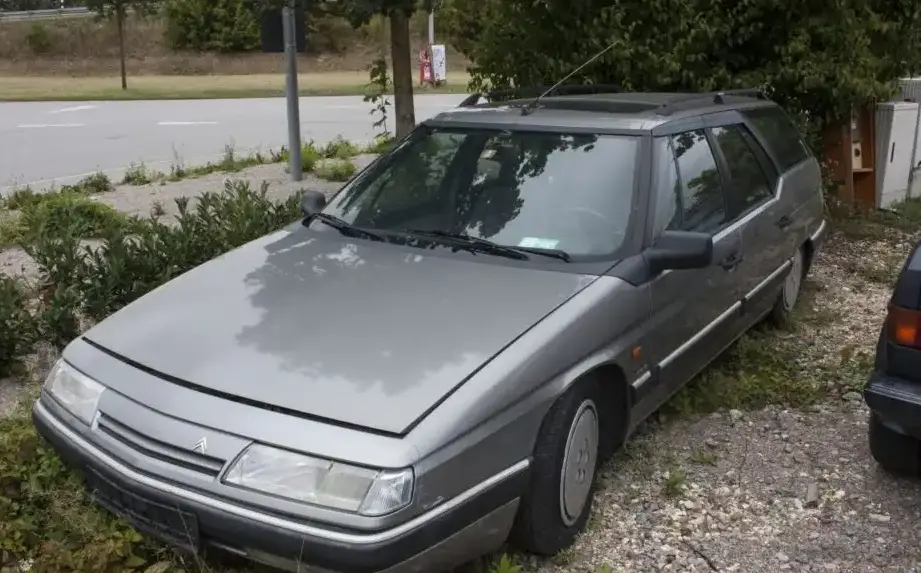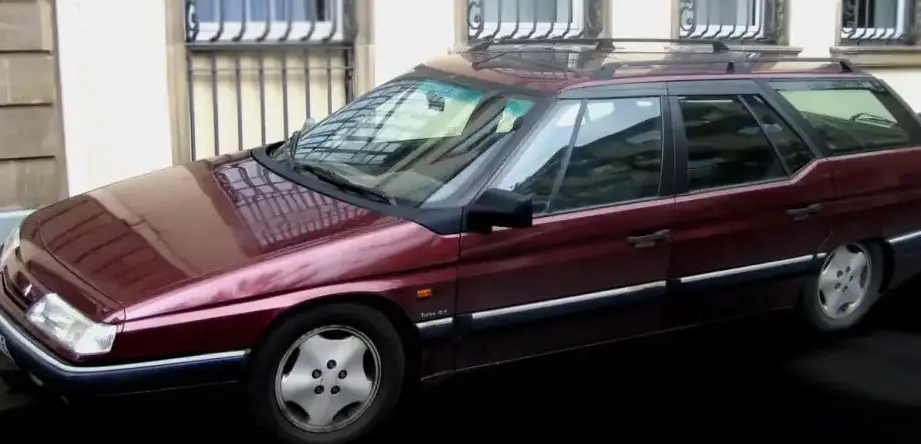
The Citroen XM (Y4) 2.0 i 16V Automatic, produced between 1994 and 2000, represents a compelling blend of French engineering and comfortable touring. Positioned as a mid-range offering within the XM lineup, it aimed to provide a more accessible entry point to the model’s innovative hydropneumatic suspension and spacious interior, while still delivering respectable performance. The XM, as a whole, was Citroen’s flagship executive car, intended to replace the aging CX, and the Y4 series represented a significant modernization of the platform. This particular variant, with its 2.0-liter 16-valve engine and automatic transmission, catered to buyers prioritizing ease of driving and comfort over outright sportiness.
Technical Specifications
| Brand | Citroen |
| Model | XM |
| Generation | XM (Y4) |
| Type (Engine) | 2.0 i 16V (132 Hp) Automatic |
| Start of production | 1994 |
| End of production | June, 2000 |
| Powertrain Architecture | Internal Combustion engine |
| Body type | Hatchback |
| Seats | 5 |
| Doors | 5 |
| Fuel consumption (urban) | 15.8 l/100 km (14.9 US mpg, 17.9 UK mpg, 6.3 km/l) |
| Fuel consumption (extra urban) | 7.6 l/100 km (30.9 US mpg, 37.2 UK mpg, 13.2 km/l) |
| Fuel Type | Petrol (Gasoline) |
| Acceleration 0 – 100 km/h | 14.2 sec |
| Acceleration 0 – 62 mph | 14.2 sec |
| Acceleration 0 – 60 mph | 13.5 sec |
| Maximum speed | 203 km/h (126.14 mph) |
| Weight-to-power ratio | 10.6 kg/Hp, 94.6 Hp/tonne |
| Weight-to-torque ratio | 7.8 kg/Nm, 129 Nm/tonne |
| Power | 132 Hp @ 5500 rpm |
| Power per litre | 66.1 Hp/l |
| Torque | 180 Nm @ 4200 rpm (132.76 lb.-ft. @ 4200 rpm) |
| Engine layout | Front, Transverse |
| Engine Model/Code | RFV XU10J4R |
| Engine displacement | 1998 cm3 (121.93 cu. in.) |
| Number of cylinders | 4 |
| Engine configuration | Inline |
| Cylinder Bore | 86 mm (3.39 in.) |
| Piston Stroke | 86 mm (3.39 in.) |
| Compression ratio | 10.4:1 |
| Number of valves per cylinder | 4 |
| Fuel injection system | Multi-port manifold injection |
| Engine aspiration | Naturally aspirated engine |
| Valvetrain | DOHC |
| Engine oil capacity | 5.4 l (5.71 US qt | 4.75 UK qt) |
| Coolant | 7.5 l (7.93 US qt | 6.6 UK qt) |
| Kerb Weight | 1395 kg (3075.45 lbs.) |
| Max. weight | 1920 kg (4232.88 lbs.) |
| Max load | 525 kg (1157.43 lbs.) |
| Trunk (boot) space – minimum | 455 l (16.07 cu. ft.) |
| Trunk (boot) space – maximum | 1460 l (51.56 cu. ft.) |
| Fuel tank capacity | 80 l (21.13 US gal | 17.6 UK gal) |
| Max. roof load | 80 kg (176.37 lbs.) |
| Permitted towbar download | 80 kg (176.37 lbs.) |
| Length | 4708 mm (185.35 in.) |
| Width | 1794 mm (70.63 in.) |
| Height | 1396 mm (54.96 in.) |
| Wheelbase | 2850 mm (112.2 in.) |
| Front track | 1520 mm (59.84 in.) |
| Rear (Back) track | 1447 mm (56.97 in.) |
| Front overhang | 1068 mm (42.05 in.) |
| Rear overhang | 790 mm (31.1 in.) |
| Ride height (ground clearance) | 141 mm (5.55 in.) |
| Drivetrain Architecture | The Internal combustion engine (ICE) drives the front wheels of the vehicle. |
| Drive wheel | Front wheel drive |
| Number of gears and type of gearbox | 4 gears, automatic transmission |
| Front suspension | Independent type McPherson, Wishbone |
| Rear suspension | Hydro-pneumatic element, Trailing arm |
| Front brakes | Ventilated discs |
| Rear brakes | Disc |
| Assisting systems | ABS (Anti-lock braking system) |
| Steering type | Steering rack and pinion |
| Power steering | Hydraulic Steering |
| Tires size | 195/65 R15 |
| Wheel rims size | 15 |
Powertrain & Engine Architecture
The heart of the XM 2.0 i 16V Automatic is the RFV XU10J4R engine, a 1.998-liter inline-four cylinder powerplant. This engine is part of the PSA Group’s XU series, known for its robust construction and relatively simple design. The “16V” designation indicates a dual overhead camshaft (DOHC) valvetrain, featuring four valves per cylinder, enhancing breathing and contributing to improved power output. Fuel delivery is managed by a multi-port fuel injection system, providing precise fuel metering for optimal combustion. The engine produces 132 horsepower at 5500 rpm and 180 Nm (132.76 lb-ft) of torque at 4200 rpm. The automatic transmission is a four-speed unit, designed to provide smooth and effortless gear changes. While not known for its particularly quick shifts, it was well-suited to the XM’s grand touring character.
Driving Characteristics
The 2.0 i 16V Automatic offered a comfortable and relaxed driving experience. Acceleration from 0-60 mph took around 13.5 seconds, and top speed was approximately 126 mph. Compared to the more powerful V6 variants, the 2.0-liter engine felt less strained during highway cruising, but lacked the same level of outright performance. The automatic transmission, while convenient, did result in some power loss compared to the available five-speed manual. Gear ratios were tuned for fuel efficiency and smooth operation, rather than aggressive acceleration. The XM’s signature hydropneumatic suspension, however, provided an exceptionally smooth ride, absorbing bumps and imperfections in the road with remarkable ease. This made the XM 2.0 i 16V Automatic a particularly comfortable long-distance cruiser.
Equipment & Trim Levels
The XM 2.0 i 16V Automatic typically came equipped with features such as power windows, central locking, and an integrated stereo system. Interior upholstery was generally cloth, although leather options were available. Dashboard configuration was characterized by a minimalist design, with a focus on ergonomics. Optional extras included a sunroof, upgraded audio systems, and climate control. The trim level often dictated the availability of these features, with higher trims offering more luxurious appointments.
Chassis & Braking
The XM featured an independent McPherson strut front suspension and a unique hydro-pneumatic rear suspension. This system allowed for self-leveling and adjustable ride height, providing exceptional ride comfort and handling. Braking duties were handled by ventilated discs at the front and solid discs at the rear. Anti-lock braking system (ABS) was standard, enhancing safety and control during emergency braking situations. The steering was rack and pinion, with hydraulic power assistance for ease of maneuvering.
Market Reception & Comparison
The XM 2.0 i 16V Automatic was generally well-received by critics as a comfortable and refined cruiser. However, some reviewers noted its relatively modest performance compared to its rivals. Fuel economy was reasonable for its class, but not exceptional. Compared to the more powerful V6 models, the 2.0-liter version offered a lower purchase price and potentially lower running costs, making it an attractive option for buyers prioritizing value and practicality. The 1.8L and diesel variants were often seen as more economical choices, while the V6 catered to those seeking more performance.
Legacy
The Citroen XM, while not a massive sales success, remains a fondly remembered car among enthusiasts. The 2.0 i 16V Automatic powertrain, while not the most powerful in the lineup, proved to be relatively reliable. The hydropneumatic suspension, however, requires regular maintenance and can be expensive to repair. Today, well-maintained examples of the XM 2.0 i 16V Automatic are becoming increasingly collectible, appreciated for their unique blend of comfort, innovation, and French flair. Finding parts can be challenging, but a dedicated community of owners and specialists exists to support the preservation of these iconic vehicles.