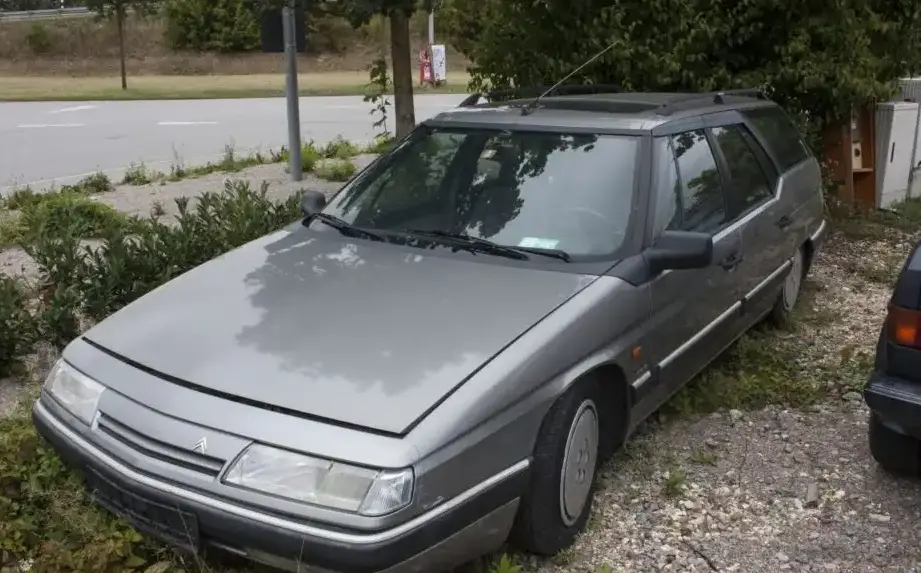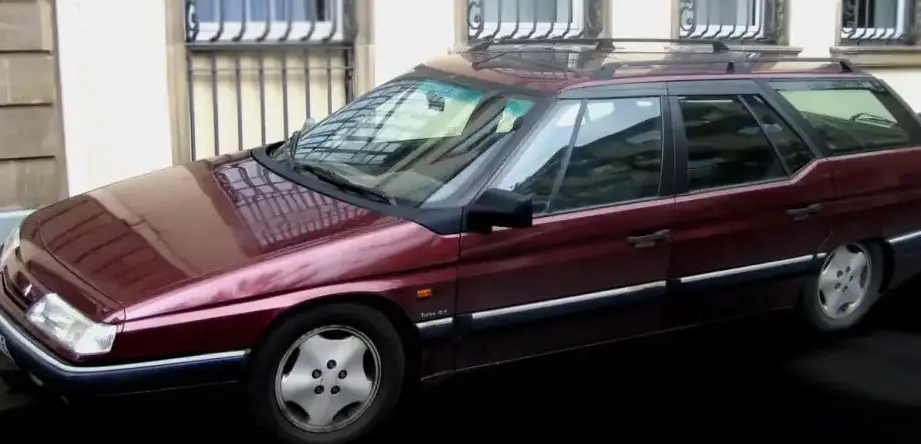
The Citroen XM (Y4) 3.0 V6 Automatic, produced between 1994 and 1997, represented the top-of-the-line powertrain option for Citroen’s flagship executive car. Positioned as the premium variant within the Y4 generation (launched in 1994), it offered a blend of luxury, performance, and Citroen’s renowned hydropneumatic suspension technology. The XM, intended as a replacement for the CX, aimed to compete with vehicles like the BMW 5 Series, Mercedes-Benz E-Class, and Audi 100. This 3.0 V6 automatic model was primarily marketed in Europe, offering a sophisticated alternative to more conventional German rivals. It was a statement of Citroen’s engineering prowess and commitment to innovation.
Technical Specifications
| Brand | Citroen |
| Model | XM |
| Generation | XM (Y4) |
| Type (Engine) | 3.0 V6 (167 Hp) Automatic |
| Start of production | 1994 |
| End of production | 1997 |
| Powertrain Architecture | Internal Combustion engine |
| Body type | Hatchback |
| Seats | 5 |
| Doors | 5 |
| Fuel consumption (combined) | 10.8 l/100 km (21.8 US mpg, 26.2 UK mpg, 9.3 km/l) |
| Fuel Type | Petrol (Gasoline) |
| Acceleration 0 – 100 km/h | 9.7 sec |
| Acceleration 0 – 62 mph | 9.7 sec |
| Acceleration 0 – 60 mph | 9.2 sec |
| Maximum speed | 222 km/h (137.94 mph) |
| Weight-to-power ratio | 8.8 kg/Hp, 113.6 Hp/tonne |
| Weight-to-torque ratio | 6.3 kg/Nm, 159.9 Nm/tonne |
| Power | 167 Hp @ 5600 rpm |
| Power per litre | 56.4 Hp/l |
| Torque | 235 Nm @ 4600 rpm (173.33 lb.-ft. @ 4600 rpm) |
| Engine layout | Front, Transverse |
| Engine Model/Code | UFZ ZPJ/Z |
| Engine displacement | 2963 cm3 (180.81 cu. in.) |
| Number of cylinders | 6 |
| Engine configuration | V-engine |
| Cylinder Bore | 93 mm (3.66 in.) |
| Piston Stroke | 72.7 mm (2.86 in.) |
| Compression ratio | 9.5:1 |
| Number of valves per cylinder | 2 |
| Fuel injection system | Multi-port manifold injection |
| Engine aspiration | Naturally aspirated engine |
| Valvetrain | OHC |
| Engine oil capacity | 7 l (7.4 US qt | 6.16 UK qt) |
| Coolant capacity | 10 l (10.57 US qt | 8.8 UK qt) |
| Kerb Weight | 1470 kg (3240.8 lbs.) |
| Max. weight | 2000 kg (4409.25 lbs.) |
| Max load | 530 kg (1168.45 lbs.) |
| Trunk (boot) space – minimum | 455 l (16.07 cu. ft.) |
| Trunk (boot) space – maximum | 1460 l (51.56 cu. ft.) |
| Fuel tank capacity | 80 l (21.13 US gal | 17.6 UK gal) |
| Length | 4708 mm (185.35 in.) |
| Width | 1794 mm (70.63 in.) |
| Height | 1396 mm (54.96 in.) |
| Wheelbase | 2850 mm (112.2 in.) |
| Front track | 1520 mm (59.84 in.) |
| Rear track | 1447 mm (56.97 in.) |
| Front overhang | 1068 mm (42.05 in.) |
| Rear overhang | 790 mm (31.1 in.) |
| Ride height (ground clearance) | 141 mm (5.55 in.) |
| Drivetrain Architecture | Front wheel drive |
| Number of gears and type of gearbox | 4 gears, automatic transmission |
| Front suspension | Independent type McPherson, Wishbone |
| Rear suspension | Hydro-pneumatic element, Trailing arm |
| Front brakes | Ventilated discs |
| Rear brakes | Disc |
| Assisting systems | ABS (Anti-lock braking system) |
| Steering type | Steering rack and pinion |
| Power steering | Hydraulic Steering |
| Tires size | 205/60 R15 |
| Wheel rims size | 15 |
Powertrain & Engine Architecture
The heart of the XM 3.0 V6 Automatic is the UFZ (ZPJ/Z) engine, a 2.963-liter, naturally aspirated V6. This engine, a product of Peugeot-Citroen-Renault’s collaborative efforts, featured a cast iron block and aluminum cylinder heads. It utilized a multi-port fuel injection system, delivering fuel directly into the intake ports, and a single overhead camshaft (OHC) design for each cylinder bank. The engine produced 167 horsepower at 5600 rpm and 235 Nm (173.33 lb-ft) of torque at 4600 rpm. The automatic transmission was a four-speed unit, designed to provide smooth shifts and comfortable cruising. While not a particularly advanced transmission by modern standards, it was well-suited to the engine’s characteristics and the XM’s intended role as a grand tourer.
Driving Characteristics
The 3.0 V6 Automatic XM offered a distinctly different driving experience compared to the lower-powered 1.8 and 2.0-liter variants, or even the diesel models. The V6 provided ample power for effortless highway cruising and confident overtaking. The automatic transmission, while not offering manual control, provided smooth and predictable gear changes. Acceleration from 0-60 mph took approximately 9.2 seconds, and the car could reach a top speed of 137.94 mph. However, the added weight of the V6 engine and automatic transmission did impact handling somewhat, making it less agile than the lighter, manual transmission models. The hydropneumatic suspension, however, continued to provide a remarkably comfortable and composed ride, absorbing bumps and imperfections in the road with ease.
Equipment & Trim Levels
The 3.0 V6 Automatic typically represented a high trim level within the XM range. Standard features often included leather upholstery, power-adjustable front seats, air conditioning, a sunroof, and a high-quality audio system. Optional extras could include features like a navigation system (rare for the time), upgraded sound systems, and various cosmetic enhancements. The interior design was characterized by its spaciousness and comfortable seating, reflecting Citroen’s focus on passenger well-being. The dashboard layout was functional and ergonomically designed, although some found it somewhat dated compared to German competitors.
Chassis & Braking
The XM’s chassis was designed around its innovative hydropneumatic suspension system. This system, a Citroen hallmark, used pressurized fluid and spheres of gas to provide a self-leveling and exceptionally comfortable ride. The front suspension utilized independent McPherson struts and wishbones, while the rear employed a trailing arm setup with the hydropneumatic elements. Braking was handled by ventilated discs at the front and solid discs at the rear, assisted by an Anti-lock Braking System (ABS). The steering was a rack and pinion system with hydraulic power assistance, providing a relatively light and precise feel.
Market Reception & Comparison
The Citroen XM 3.0 V6 Automatic was generally well-received by automotive critics, who praised its comfortable ride, spacious interior, and refined engine. However, it was often criticized for its somewhat unconventional styling and perceived lack of prestige compared to its German rivals. Fuel economy, at 21.8 US mpg combined, was reasonable for a V6 engine of that era, but not class-leading. Reliability was a mixed bag; while the engine itself was generally robust, the complex hydropneumatic suspension system could be prone to issues if not properly maintained. Compared to the 2.0-liter models, the V6 offered significantly more performance but at the cost of increased fuel consumption and complexity. The diesel variants provided better fuel economy but lacked the V6’s refinement.
Legacy
The Citroen XM, while not a commercial blockbuster, remains a fondly remembered car among enthusiasts. The 3.0 V6 Automatic variant, in particular, is sought after for its combination of performance, comfort, and unique character. Today, finding a well-maintained example can be challenging, as the hydropneumatic suspension requires specialized knowledge and parts. However, for those willing to invest the time and effort, the XM 3.0 V6 Automatic offers a distinctive and rewarding driving experience, representing a high point in Citroen’s engineering history. The engine itself is considered relatively durable, but regular maintenance and attention to the suspension system are crucial for long-term reliability.