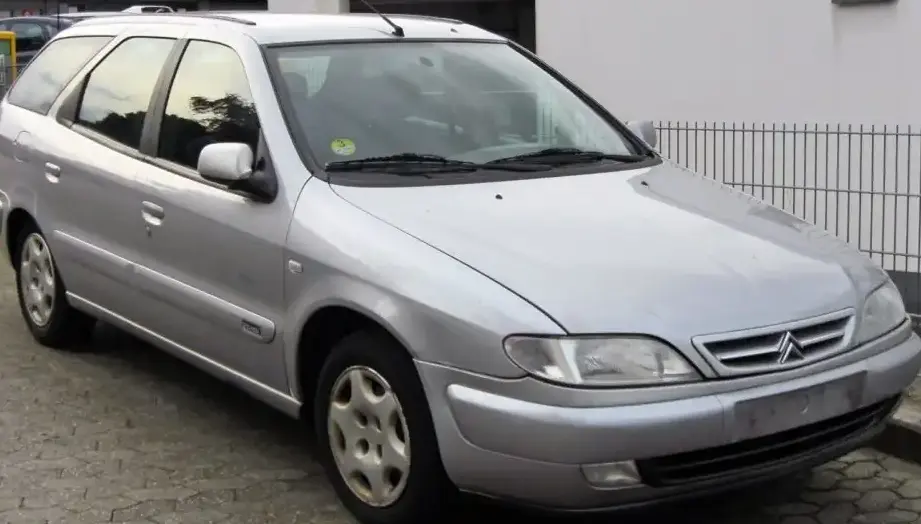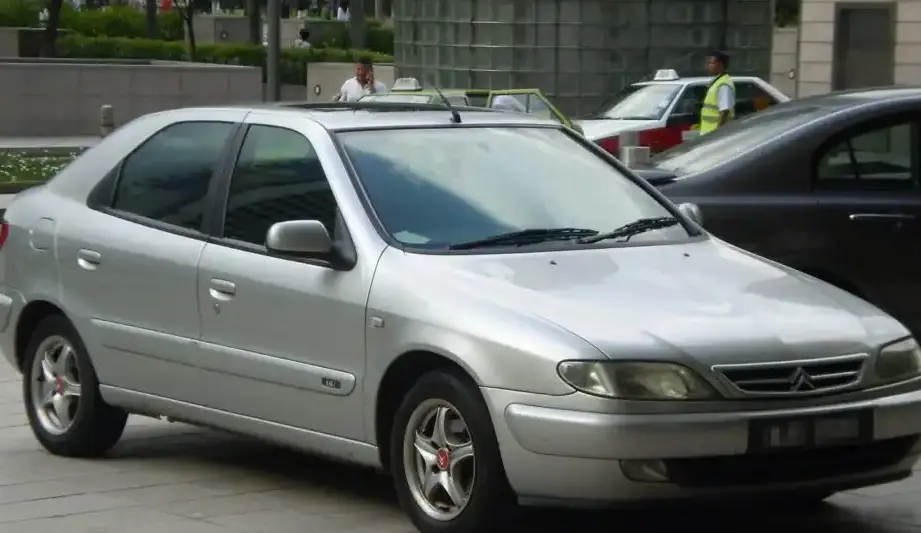
The Citroën Xsara 2.0 16V, produced between 1998 and 2000 as part of the N1 Phase I generation, represented a significant step up in performance and refinement for the compact Xsara range. Positioned as a mid-range offering, it catered to drivers seeking a more engaging driving experience than the base models, while remaining more accessible than the later, more focused performance variants. The Xsara N1, launched in 1997, was Citroën’s replacement for the BX and aimed to compete directly with popular European hatchbacks like the Ford Focus and Volkswagen Golf. This 2.0 16V model was a key component of that strategy, offering a blend of practicality, comfort, and respectable performance.
Technical Specifications
| Brand | Citroen |
| Model | Xsara |
| Generation | Xsara (N1, Phase I) |
| Type (Engine) | 2.0 16V (135 Hp) |
| Start of production | 1998 |
| End of production | 2000 |
| Powertrain Architecture | Internal Combustion engine |
| Body type | Hatchback |
| Seats | 5 |
| Doors | 5 |
| Fuel consumption (urban) | 12.5 l/100 km (18.8 US mpg, 22.6 UK mpg, 8 km/l) |
| Fuel consumption (extra urban) | 6.5 l/100 km (36.2 US mpg, 43.5 UK mpg, 15.4 km/l) |
| Fuel consumption (combined) | 8.7 l/100 km (27 US mpg, 32.5 UK mpg, 11.5 km/l) |
| CO2 emissions | 209 g/km |
| Fuel Type | Petrol (Gasoline) |
| Acceleration 0 – 100 km/h | 9.9 sec |
| Acceleration 0 – 62 mph | 9.9 sec |
| Acceleration 0 – 60 mph | 9.4 sec |
| Maximum speed | 204 km/h (126.76 mph) |
| Weight-to-power ratio | 8.7 kg/Hp, 114.4 Hp/tonne |
| Weight-to-torque ratio | 6.6 kg/Nm, 152.5 Nm/tonne |
| Power | 135 Hp @ 5500 rpm |
| Power per litre | 67.6 Hp/l |
| Torque | 180 Nm @ 4200 rpm (132.76 lb.-ft. @ 4200 rpm) |
| Engine layout | Front, Transverse |
| Engine Model/Code | RFV XU10J4R |
| Engine displacement | 1998 cm3 (121.93 cu. in.) |
| Number of cylinders | 4 |
| Engine configuration | Inline |
| Cylinder Bore | 86 mm (3.39 in.) |
| Piston Stroke | 86 mm (3.39 in.) |
| Compression ratio | 10.4:1 |
| Number of valves per cylinder | 4 |
| Fuel injection system | Multi-port manifold injection |
| Engine aspiration | Naturally aspirated engine |
| Valvetrain | DOHC |
| Engine oil capacity | 4.25 l (4.49 US qt | 3.74 UK qt) |
| Coolant | 7 l (7.4 US qt | 6.16 UK qt) |
| Kerb Weight | 1180 kg (2601.45 lbs.) |
| Max. weight | 1670 kg (3681.72 lbs.) |
| Max load | 490 kg (1080.27 lbs.) |
| Trunk (boot) space – minimum | 408 l (14.41 cu. ft.) |
| Trunk (boot) space – maximum | 1190 l (42.02 cu. ft.) |
| Fuel tank capacity | 54 l (14.27 US gal | 11.88 UK gal) |
| Max. roof load | 75 kg (165.35 lbs.) |
| Permitted trailer load with brakes (12%) | 1100 kg (2425.08 lbs.) |
| Permitted trailer load without brakes | 615 kg (1355.84 lbs.) |
| Permitted towbar download | 70 kg (154.32 lbs.) |
| Length | 4167 mm (164.06 in.) |
| Width | 1698 mm (66.85 in.) |
| Width including mirrors | 1975 mm (77.76 in.) |
| Height | 1405 mm (55.31 in.) |
| Wheelbase | 2540 mm (100 in.) |
| Front track | 1423 mm (56.02 in.) |
| Rear (Back) track | 1430 mm (56.3 in.) |
| Front overhang | 868 mm (34.17 in.) |
| Rear overhang | 759 mm (29.88 in.) |
| Minimum turning circle (turning diameter) | 11.5 m (37.73 ft.) |
| Drivetrain Architecture | The Internal combustion engine (ICE) drives the front wheels of the vehicle. |
| Drive wheel | Front wheel drive |
| Number of gears and type of gearbox | 5 gears, manual transmission |
| Front suspension | Independent, type McPherson with coil spring and anti-roll bar |
| Rear suspension | Torsion |
| Front brakes | Ventilated discs |
| Rear brakes | Disc |
| Assisting systems | ABS (Anti-lock braking system) |
| Steering type | Steering rack and pinion |
| Power steering | Hydraulic Steering |
| Tires size | 195/55 R15 |
Powertrain & Engine Architecture
The heart of the Xsara 2.0 16V is the RFV XU10J4R engine, a naturally aspirated, 1.998-liter inline-four cylinder powerplant. This engine was a mainstay of the Peugeot-Citroën group for many years, known for its robustness and relatively simple design. The ‘XU10J4R’ designation indicates a specific iteration of the XU10 engine family, featuring a 16-valve cylinder head (hence the ‘16V’ in the model name) and multi-point fuel injection. The engine utilizes a double overhead camshaft (DOHC) valvetrain, contributing to its improved breathing and higher power output compared to earlier XU-series engines. The RFV code specifically denotes the engine’s application and tuning for Citroën vehicles. The engine’s 135 horsepower peak is achieved at 5500 rpm, while its 180 Nm (132.76 lb-ft) of torque is delivered at 4200 rpm. The engine is transversely mounted in the front of the vehicle, driving the front wheels.
Driving Characteristics
The Xsara 2.0 16V offered a noticeable improvement in performance over the lower-displacement engine options. Acceleration to 60 mph took approximately 9.4 seconds, and it could reach a top speed of 126.76 mph. While not a sports car, the 2.0 16V provided ample power for everyday driving and confident overtaking. The five-speed manual transmission was well-matched to the engine’s characteristics, offering smooth shifts and a reasonable spread of gear ratios. Compared to the later 1.8 16V models, the 2.0 offered a more substantial mid-range punch, making it feel more responsive in real-world driving situations. The suspension, while comfortable, was tuned for a balance between ride quality and handling, resulting in a slightly less engaging driving experience than some of its rivals.
Equipment & Trim Levels
The 2.0 16V trim typically included features such as power steering, central locking, electric front windows, and an adjustable steering column. Interior upholstery was generally cloth, with options for upgraded materials available. Air conditioning was often a standard feature, or available as an option. The dashboard layout was functional and straightforward, typical of Citroën designs of the period. Optional extras could include alloy wheels, a sunroof, and a more advanced audio system.
Chassis & Braking
The Xsara N1 utilized an independent McPherson strut suspension setup at the front, providing a good balance of comfort and handling. The rear suspension employed a torsion beam, a cost-effective and space-efficient solution. Braking duties were handled by ventilated discs at the front and solid discs at the rear. Anti-lock Braking System (ABS) was standard, enhancing safety and control during emergency braking situations. The steering was a hydraulic power-assisted rack and pinion system, offering a reasonable level of feel and responsiveness.
Market Reception & Comparison
The Citroën Xsara 2.0 16V was generally well-received by automotive critics. It was praised for its comfortable ride, spacious interior, and respectable performance. However, some reviewers noted that the styling was somewhat conservative compared to its rivals. Compared to the 1.8 16V variant, the 2.0 offered a noticeable performance advantage, but at the cost of slightly higher fuel consumption. The 2.0 16V also represented a more affordable alternative to the high-performance Xsara VTS models.
Legacy
The XU10J4R engine proved to be a durable and reliable unit, and many examples are still on the road today. The Xsara 2.0 16V remains a popular choice among enthusiasts seeking a practical and affordable European hatchback. While not particularly collectible, well-maintained examples command reasonable prices in the used car market. The engine’s simplicity and readily available parts contribute to its continued longevity and ease of maintenance. The Xsara 2.0 16V represents a solid and dependable offering from Citroën, embodying the brand’s commitment to comfort and practicality.