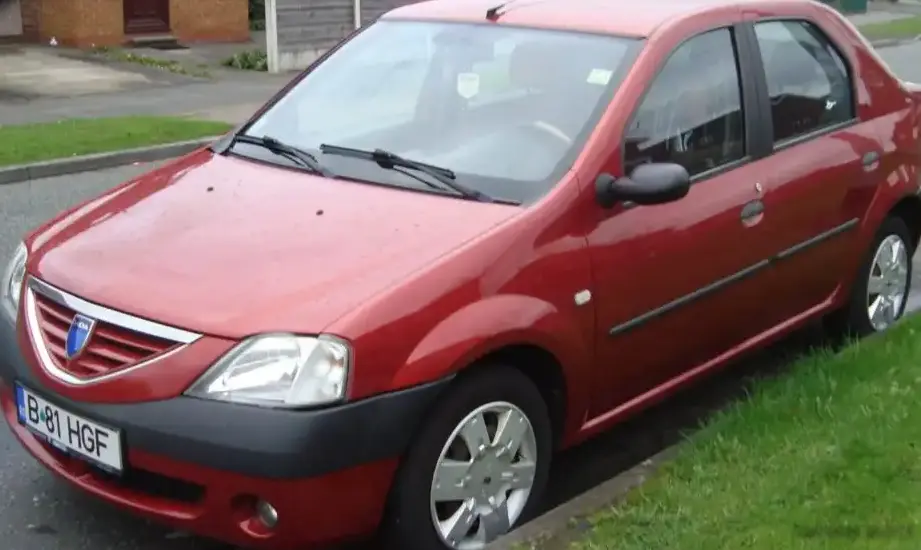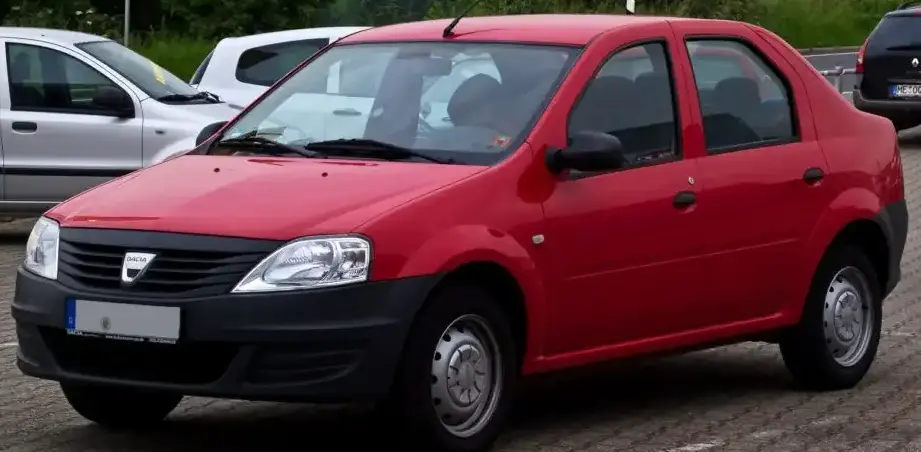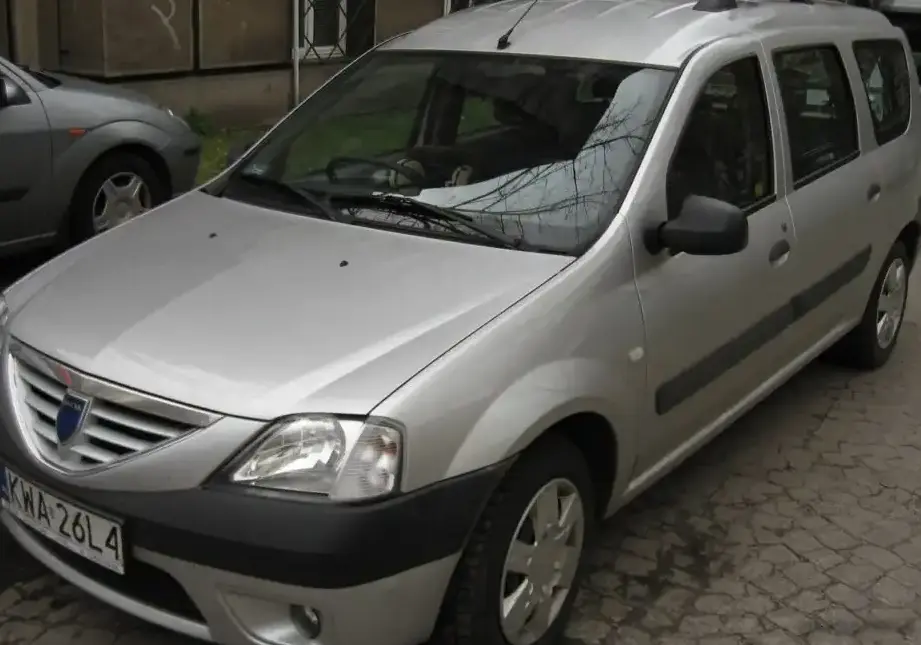
The Dacia Logan I MCV 1.5 dCi 7-seat variant, produced from 2006 to 2008, represents a practical and affordable option within the first generation Logan MCV (Multi-Capacity Vehicle) range. Positioned as a budget-friendly family vehicle, it offered a rare combination of estate car practicality and seven-passenger seating in a segment typically dominated by more expensive offerings. This model was primarily aimed at the European market, where the demand for versatile, low-cost vehicles was significant. The MCV, standing for Multi Capacity Vehicle, was Dacia’s answer to providing a spacious and adaptable vehicle for families and commercial users alike.
Technical Specifications
| Brand | Dacia |
| Model | Logan |
| Generation | Logan I MCV |
| Type (Engine) | 1.5 dCi (68 Hp) 7 Seats |
| Start of production | 2006 |
| End of production | 2008 |
| Powertrain Architecture | Internal Combustion engine |
| Body type | Station wagon (estate) |
| Seats | 7 |
| Doors | 5 |
| Fuel consumption (urban) | 6.2 l/100 km (37.9 US mpg, 45.6 UK mpg, 16.1 km/l) |
| Fuel consumption (extra urban) | 4.8 l/100 km (49 US mpg, 58.9 UK mpg, 20.8 km/l) |
| Fuel consumption (combined) | 5.3 l/100 km (44.4 US mpg, 53.3 UK mpg, 18.9 km/l) |
| CO2 emissions | 140 g/km |
| Fuel Type | Diesel |
| Acceleration 0 – 100 km/h | 18 sec |
| Acceleration 0 – 62 mph | 18 sec |
| Acceleration 0 – 60 mph | 17.1 sec |
| Maximum speed | 150 km/h (93.21 mph) |
| Emission standard | Euro 4 |
| Weight-to-power ratio | 18.3 kg/Hp, 54.6 Hp/tonne |
| Weight-to-torque ratio | 7.8 kg/Nm, 128.5 Nm/tonne |
| Power | 68 Hp @ 4000 rpm |
| Power per litre | 46.5 Hp/l |
| Torque | 160 Nm @ 1700 rpm (118.01 lb.-ft. @ 1700 rpm) |
| Engine layout | Front, Transverse |
| Engine Model/Code | K9K 792 |
| Engine displacement | 1461 cm3 (89.16 cu. in.) |
| Number of cylinders | 4 |
| Engine configuration | Inline |
| Cylinder Bore | 76 mm (2.99 in.) |
| Piston Stroke | 80.5 mm (3.17 in.) |
| Compression ratio | 17.9:1 |
| Number of valves per cylinder | 2 |
| Fuel injection system | Diesel Commonrail |
| Engine aspiration | Turbocharger, Intercooler |
| Valvetrain | SOHC |
| Engine oil capacity | 4.5 l (4.76 US qt | 3.96 UK qt) |
| Coolant capacity | 4.5 l (4.76 US qt | 3.96 UK qt) |
| Kerb Weight | 1245 kg (2744.76 lbs.) |
| Max. weight | 1860 kg (4100.6 lbs.) |
| Max load | 615 kg (1355.84 lbs.) |
| Trunk (boot) space – minimum | 198 l (6.99 cu. ft.) |
| Trunk (boot) space – maximum | 2350 l (82.99 cu. ft.) |
| Fuel tank capacity | 50 l (13.21 US gal | 11 UK gal) |
| Max. roof load | 80 kg (176.37 lbs.) |
| Permitted trailer load with brakes (12%) | 1300 kg (2866.01 lbs.) |
| Permitted trailer load without brakes | 640 kg (1410.96 lbs.) |
| Permitted towbar download | 75 kg (165.35 lbs.) |
| Length | 4450 mm (175.2 in.) |
| Width | 1740 mm (68.5 in.) |
| Width including mirrors | 1993 mm (78.46 in.) |
| Height | 1674 mm (65.91 in.) |
| Wheelbase | 2905 mm (114.37 in.) |
| Front track | 1481 mm (58.31 in.) |
| Rear track | 1458 mm (57.4 in.) |
| Ride height (ground clearance) | 160 mm (6.3 in.) |
| Minimum turning circle | 11.25 m (36.91 ft.) |
| Drivetrain Architecture | Front wheel drive |
| Number of gears and type of gearbox | 5 gears, manual transmission |
| Front suspension | Independent, type McPherson with coil spring and anti-roll bar |
| Rear suspension | Coil spring, Torsion |
| Front brakes | Ventilated discs, 259 mm |
| Rear brakes | Drum, 203 mm |
| Assisting systems | ABS (Anti-lock braking system) |
| Steering type | Steering rack and pinion |
| Power steering | Hydraulic Steering |
| Tires size | 185/65 R15 |
| Wheel rims size | 6J x 15 |
INTRODUCTION
The Dacia Logan I MCV 1.5 dCi 7-seat, launched in 2006, was a significant addition to the Logan range. Building upon the success of the initial Logan saloon, the MCV (Multi Capacity Vehicle) offered increased practicality with its estate body style and, crucially, the option of seven seats. This variant was powered by the Renault-sourced 1.5 dCi engine, a common choice in European small vehicles, known for its fuel efficiency and relatively low running costs. The 7-seat configuration, while providing extra passenger capacity, did compromise boot space when all seats were in use. This model occupied the lower end of the Logan MCV lineup, offering a cost-effective entry point for families needing space and versatility.
Powertrain & Engine Architecture
The heart of this Logan MCV is the K9K 792 1.5-liter four-cylinder diesel engine. This engine, developed jointly by Renault and Nissan, is a common rail direct injection (CDI) unit. The K9K engine family is known for its robust design and relatively simple mechanics. The 68 horsepower output is achieved through a turbocharger with an intercooler, enhancing efficiency and providing a modest power boost. The engine utilizes a Single Overhead Camshaft (SOHC) valvetrain with two valves per cylinder. The engine’s fuel injection system is a Delphi-supplied common rail system, operating at high pressure to atomize the fuel for efficient combustion. The engine is transversely mounted at the front of the vehicle. The transmission is a five-speed manual gearbox, chosen for its simplicity and cost-effectiveness. While not offering the quickest acceleration, the gearbox is well-matched to the engine’s torque characteristics.
Driving Characteristics
The 1.5 dCi 68 hp engine, coupled with the five-speed manual transmission, delivers a driving experience focused on economy rather than performance. Acceleration is leisurely, taking approximately 18 seconds to reach 62 mph (100 km/h). The engine’s peak torque of 160 Nm (118 lb-ft) is available from 1700 rpm, providing reasonable pulling power for everyday driving. However, overtaking maneuvers require careful planning. The gear ratios are relatively long, prioritizing fuel efficiency at cruising speeds. The suspension setup, while adequate, is tuned for comfort rather than sporty handling. The 7-seat configuration adds weight to the vehicle, further impacting performance. Compared to the higher-powered 1.6-liter petrol versions, the 1.5 dCi offers significantly less horsepower but superior fuel economy and lower running costs.
Equipment & Trim Levels
The 1.5 dCi 7-seat variant of the Logan MCV was typically equipped with basic, but functional, features. Standard equipment included power steering, central locking, and an adjustable steering column. The interior trim was utilitarian, with durable plastic materials and cloth upholstery. Air conditioning was often an optional extra, as were electric windows. Safety features were limited, typically including ABS brakes and driver/passenger airbags. The dashboard layout was simple and straightforward, prioritizing functionality over aesthetics. The third row of seats, while providing additional passenger capacity, were best suited for occasional use or smaller passengers due to limited legroom and headroom.
Chassis & Braking
The Logan MCV utilizes a McPherson strut front suspension with a coil spring and anti-roll bar, providing a comfortable ride on most road surfaces. The rear suspension consists of a torsion beam setup, which is cost-effective and space-efficient. The braking system features ventilated discs on the front wheels and drum brakes on the rear wheels. ABS (Anti-lock Braking System) was standard, enhancing braking performance and stability. The steering is a hydraulic rack and pinion system, providing reasonable steering feel and precision. The tires are typically 185/65 R15, offering a balance of comfort and grip.
Market Reception & Comparison
The Dacia Logan I MCV 1.5 dCi 7-seat was well-received in markets where affordability and practicality were paramount. Critics praised its spacious interior, large boot capacity (when not all seats were in use), and excellent fuel economy. However, the engine’s limited power output and basic interior trim were often cited as drawbacks. Compared to other 7-seat vehicles available at the time, the Logan MCV offered a significantly lower price point. Against other Logan MCV variants, the 1.5 dCi was the most economical option, but it lacked the performance of the 1.6-liter petrol engines. Its fuel economy of around 53.3 mpg (UK) made it an attractive option for high-mileage drivers.
Legacy
The K9K 1.5 dCi engine has proven to be a reliable and durable unit, and many Logan MCV models equipped with this engine are still on the road today. While not without its quirks (such as potential issues with the turbocharger and fuel injectors), the engine is generally considered to be relatively easy and inexpensive to maintain. The Logan I MCV, in general, established Dacia as a major player in the budget car market. The 1.5 dCi 7-seat variant remains a popular choice in the used car market for those seeking a practical, affordable, and fuel-efficient family vehicle. Its simple construction and readily available parts contribute to its continued appeal.