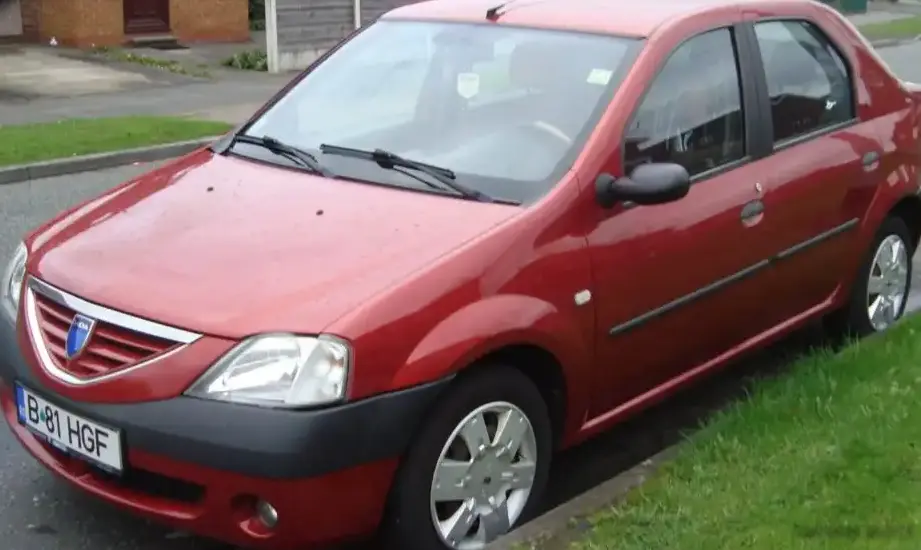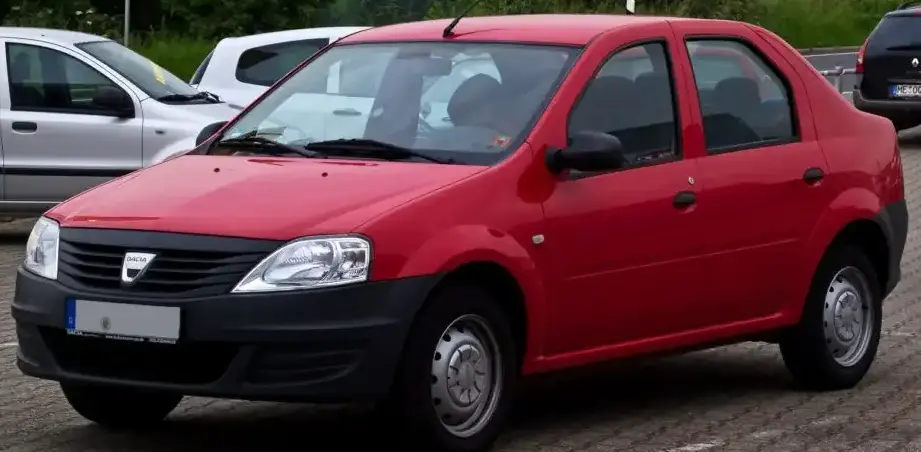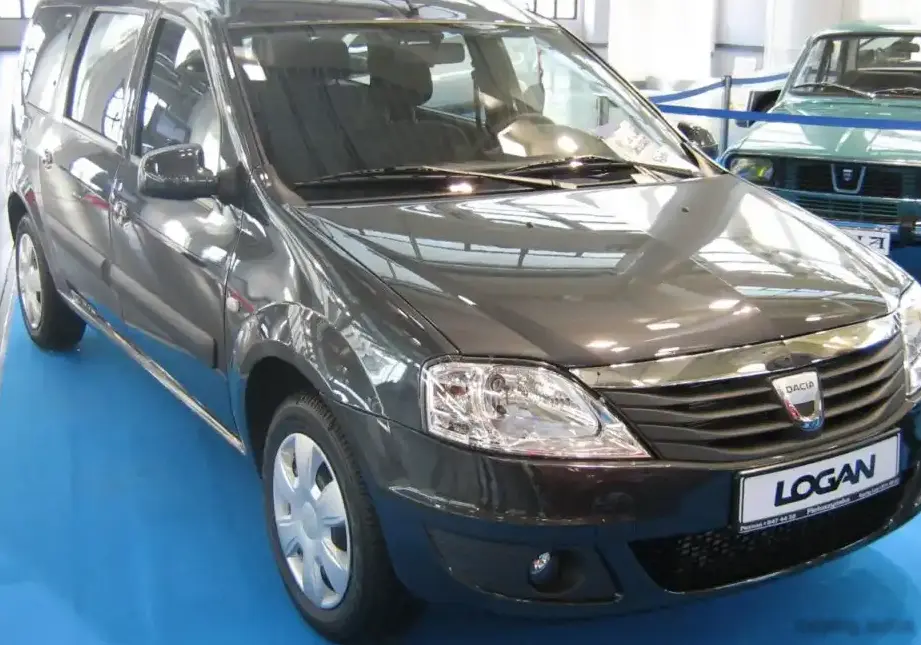
The Dacia Logan I MCV (facelift, 2008) 1.5 dCi 7-seat variant represents a practical and affordable option within the first generation Logan MCV (Multi-Capacity Vehicle) lineup. Introduced in 2008 and continuing through 2010, this model aimed to provide budget-conscious families with a spacious and versatile vehicle. Positioned as an entry-level offering, it prioritized functionality and economy over outright performance. The MCV, a station wagon derivative of the Logan sedan, was Dacia’s answer to the growing demand for affordable family transport, particularly in Eastern European markets. This facelift brought minor cosmetic updates and refinements to the original Logan MCV design.
Technical Specifications
| Brand | Dacia |
| Model | Logan |
| Generation | Logan I MCV (facelift 2008) |
| Type (Engine) | 1.5 dCi (68 Hp) 7 Seats |
| Start of production | 2008 |
| End of production | 2010 |
| Powertrain Architecture | Internal Combustion engine |
| Body type | Station wagon (estate) |
| Seats | 7 |
| Doors | 5 |
| Fuel consumption (urban) | 6.2 l/100 km (37.9 US mpg, 45.6 UK mpg, 16.1 km/l) |
| Fuel consumption (extra urban) | 4.8 l/100 km (49 US mpg, 58.9 UK mpg, 20.8 km/l) |
| Fuel consumption (combined) | 5.3 l/100 km (44.4 US mpg, 53.3 UK mpg, 18.9 km/l) |
| CO2 emissions | 140 g/km |
| Fuel Type | Diesel |
| Acceleration 0 – 100 km/h | 18 sec |
| Acceleration 0 – 62 mph | 18 sec |
| Acceleration 0 – 60 mph | 17.1 sec |
| Maximum speed | 150 km/h (93.21 mph) |
| Emission standard | Euro 4 |
| Weight-to-power ratio | 18.3 kg/Hp, 54.6 Hp/tonne |
| Weight-to-torque ratio | 7.8 kg/Nm, 128.5 Nm/tonne |
| Power | 68 Hp @ 4000 rpm |
| Power per litre | 46.5 Hp/l |
| Torque | 160 Nm @ 1700 rpm (118.01 lb.-ft. @ 1700 rpm) |
| Engine layout | Front, Transverse |
| Engine Model/Code | K9K 792 |
| Engine displacement | 1461 cm3 (89.16 cu. in.) |
| Number of cylinders | 4 |
| Engine configuration | Inline |
| Cylinder Bore | 76 mm (2.99 in.) |
| Piston Stroke | 80.5 mm (3.17 in.) |
| Compression ratio | 17.9:1 |
| Number of valves per cylinder | 2 |
| Fuel injection system | Diesel Commonrail |
| Engine aspiration | Turbocharger, Intercooler |
| Valvetrain | SOHC |
| Engine oil capacity | 4.5 l (4.76 US qt | 3.96 UK qt) |
| Coolant capacity | 4.5 l (4.76 US qt | 3.96 UK qt) |
| Kerb Weight | 1245 kg (2744.76 lbs.) |
| Max. weight | 1860 kg (4100.6 lbs.) |
| Max load | 615 kg (1355.84 lbs.) |
| Trunk (boot) space – minimum | 198 l (6.99 cu. ft.) |
| Trunk (boot) space – maximum | 2350 l (82.99 cu. ft.) |
| Fuel tank capacity | 50 l (13.21 US gal | 11 UK gal) |
| Max. roof load | 80 kg (176.37 lbs.) |
| Permitted trailer load with brakes (12%) | 1300 kg (2866.01 lbs.) |
| Permitted trailer load without brakes | 660 kg (1455.05 lbs.) |
| Permitted towbar download | 75 kg (165.35 lbs.) |
| Length | 4473 mm (176.1 in.) |
| Width | 1740 mm (68.5 in.) |
| Width including mirrors | 1993 mm (78.46 in.) |
| Height | 1640 mm (64.57 in.) |
| Wheelbase | 2905 mm (114.37 in.) |
| Front track | 1469 mm (57.83 in.) |
| Rear track | 1466 mm (57.72 in.) |
| Front overhang | 797 mm (31.38 in.) |
| Rear overhang | 771 mm (30.35 in.) |
| Ride height (ground clearance) | 160 mm (6.3 in.) |
| Drag coefficient (Cd) | 0.36 |
| Minimum turning circle | 11.25 m (36.91 ft.) |
| Drivetrain Architecture | Front wheel drive |
| Number of gears and type of gearbox | 5 gears, manual transmission |
| Front suspension | Independent type McPherson, Transverse stabilizer |
| Rear suspension | Coil spring, Torsion |
| Front brakes | Ventilated discs, 259 mm |
| Rear brakes | Drum, 203 mm |
| Assisting systems | ABS (Anti-lock braking system) |
| Steering type | Steering rack and pinion |
| Power steering | Hydraulic Steering |
| Tires size | 185/65 R15 |
| Wheel rims size | 6J x 15 |
Powertrain & Engine Architecture
The heart of this Logan MCV is the Renault-sourced 1.5 dCi (K9K 792) engine. This four-cylinder diesel engine, displacing 1461 cc, utilizes a common rail direct injection system and is turbocharged with an intercooler. The engine produces 68 horsepower at 4000 rpm and 160 Nm (118 lb-ft) of torque at 1700 rpm. The K9K engine family is known for its robustness and fuel efficiency, though it’s not particularly powerful. The engine features a single overhead camshaft (SOHC) valvetrain with two valves per cylinder. The 5-speed manual transmission was the standard offering, chosen for its simplicity and cost-effectiveness. This engine code, K9K 792, was widely used across various Renault and Dacia models, benefiting from economies of scale.
Driving Characteristics
The 1.5 dCi 68 hp engine, paired with a manual transmission, delivers modest performance. Acceleration is slow, taking approximately 18 seconds to reach 62 mph (100 km/h). The focus is on fuel economy rather than spirited driving. The engine’s torque is available from relatively low revs, making it adequate for everyday driving and carrying a full load of passengers and cargo. The gear ratios are optimized for efficiency, meaning the engine needs to be worked harder on inclines or when overtaking. Compared to higher-powered versions of the Logan MCV, such as those with the 1.6 MPI gasoline engine, this diesel variant feels significantly less responsive. However, it offers substantially better fuel economy.
Equipment & Trim Levels
The 7-seat version of the Logan MCV 1.5 dCi was typically a basic trim level, prioritizing practicality. Standard equipment generally included power steering, central locking, and an adjustable steering column. Safety features were limited, typically consisting of an ABS anti-lock braking system and driver/passenger airbags. Interior upholstery was usually a durable, hard-wearing fabric. Optional extras, depending on the market, could include air conditioning, electric front windows, and a radio/CD player. The third row of seats, while providing seating for seven, was best suited for occasional use or smaller passengers due to limited legroom.
Chassis & Braking
The Logan MCV utilizes a McPherson strut front suspension and a torsion beam rear suspension. This setup provides a comfortable, if not particularly sporty, ride. The front brakes are ventilated discs, while the rear brakes are drums. This configuration was typical for vehicles in this price segment. The steering is a hydraulic rack and pinion system, offering reasonable precision. The relatively lightweight construction of the vehicle helps to offset the modest engine power.
Market Reception & Comparison
The Dacia Logan I MCV 1.5 dCi 7-seat variant was well-received in markets where affordability and practicality were paramount. Critics praised its spacious interior, large cargo capacity, and excellent fuel economy. However, the engine’s lack of power and the basic interior trim were often cited as drawbacks. Compared to other station wagons available at the time, the Logan MCV offered exceptional value for money. The 1.5 dCi engine, while economical, was less refined than some of its competitors. Higher-trim Logan MCV models with the 1.6 gasoline engine offered better performance but at the cost of increased fuel consumption.
Legacy
The K9K 792 engine, while not without its issues (potential turbocharger and injector problems are known), has proven to be relatively durable with proper maintenance. The Logan I MCV, in general, has gained a reputation for being a reliable and affordable workhorse. On the used car market, these models remain popular due to their low running costs and practicality. However, potential buyers should be aware of the age-related wear and tear and ensure a thorough inspection is carried out before purchase. The 7-seat configuration, while offering versatility, does compromise cargo space when all seats are in use.