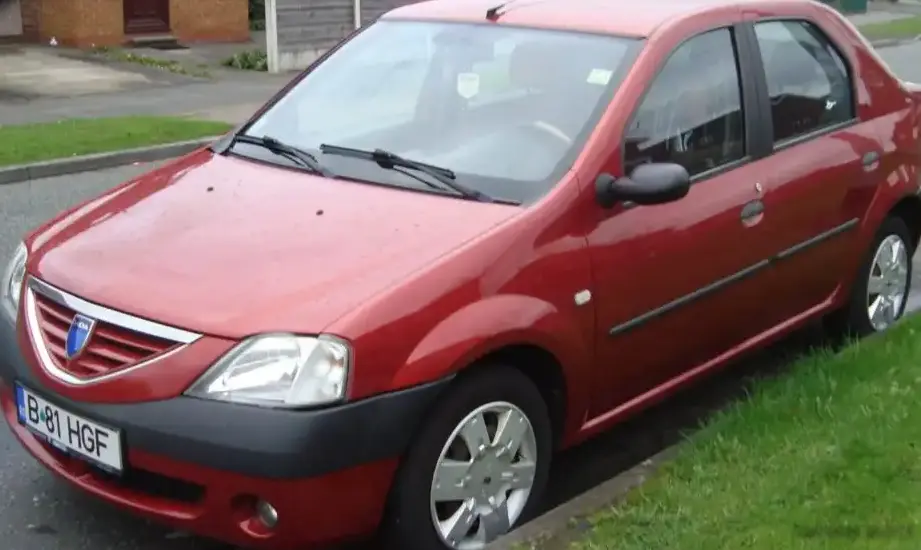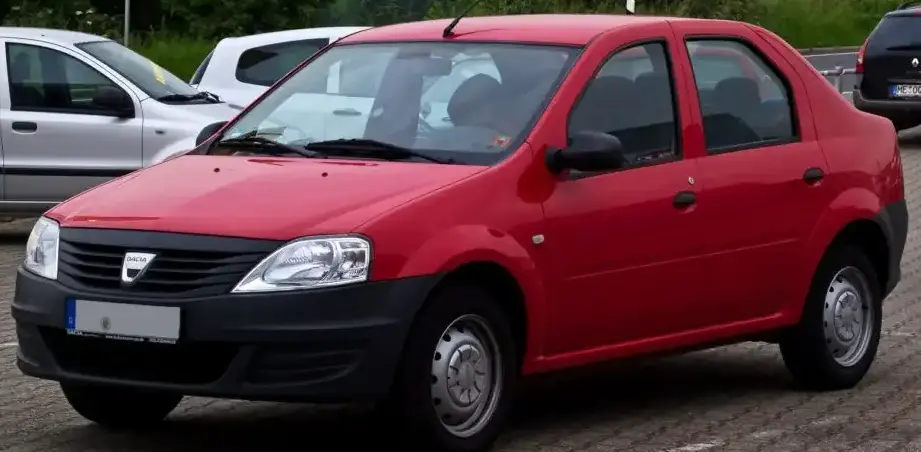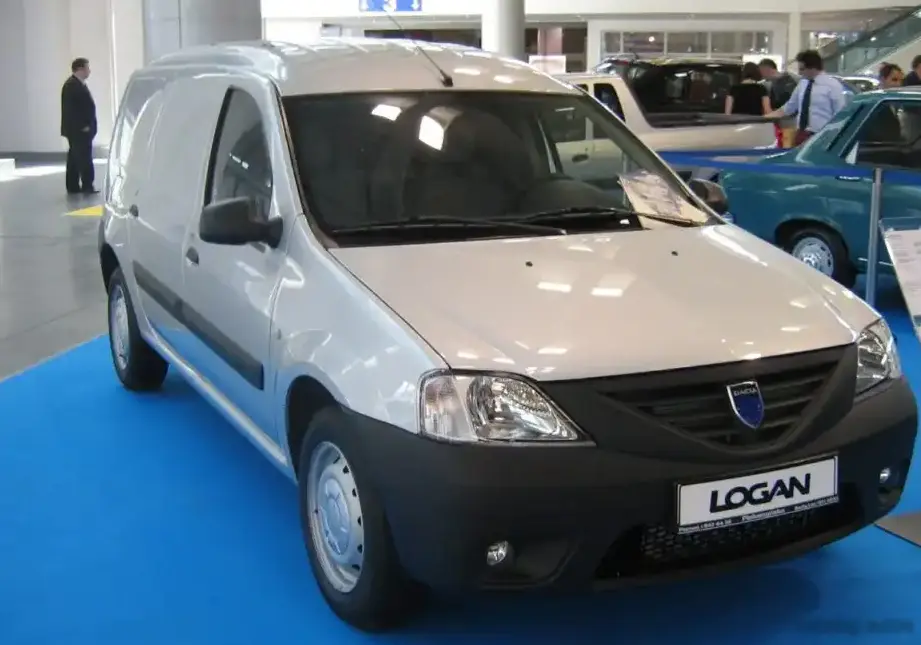
The Dacia Logan I Van 1.5 dCi, producing 90 horsepower, was a commercially-oriented variant of the first-generation Dacia Logan, produced from January 2007 to August 2012. Designed primarily for small businesses and tradespeople, the Van offered a practical and affordable solution for light commercial duties within the European market. It was based on the Logan MCV (Multi-Capacity Vehicle) estate car, but distinguished by a panelled rear end and a focus on cargo capacity rather than passenger comfort. This variant occupied the entry-level position within the Logan MCV commercial range, offering a balance between fuel efficiency and adequate performance for typical urban and regional delivery tasks.
Technical Specifications
| Brand | Dacia |
| Model | Logan |
| Generation | Logan I Van |
| Type (Engine) | 1.5 dCi (90 Hp) |
| Start of production | January, 2007 |
| End of production | August, 2012 |
| Powertrain Architecture | Internal Combustion engine |
| Body type | Station wagon (estate) |
| Seats | 2 |
| Doors | 5 |
| Fuel consumption (urban) | 6.1 l/100 km (38.6 US mpg, 46.3 UK mpg, 16.4 km/l) |
| Fuel consumption (extra urban) | 4.6 l/100 km (51.1 US mpg, 61.4 UK mpg, 21.7 km/l) |
| Fuel consumption (combined) | 5.1 l/100 km (46.1 US mpg, 55.4 UK mpg, 19.6 km/l) |
| Fuel Type | Diesel |
| Acceleration 0 – 100 km/h | 13.6 sec |
| Acceleration 0 – 62 mph | 13.6 sec |
| Acceleration 0 – 60 mph | 12.9 sec |
| Maximum speed | 165 km/h (102.53 mph) |
| Weight-to-power ratio | 13.4 kg/Hp, 74.6 Hp/tonne |
| Weight-to-torque ratio | 6 kg/Nm, 165.8 Nm/tonne |
| Power | 90 Hp @ 3750 rpm |
| Power per litre | 61.6 Hp/l |
| Torque | 200 Nm @ 1750 rpm (147.51 lb.-ft. @ 1750 rpm) |
| Engine layout | Front, Transverse |
| Engine Model/Code | K9K |
| Engine displacement | 1461 cm3 (89.16 cu. in.) |
| Number of cylinders | 4 |
| Engine configuration | Inline |
| Number of valves per cylinder | 2 |
| Fuel injection system | Diesel Commonrail |
| Engine aspiration | Turbocharger, Intercooler |
| Engine oil capacity | 4.5 l (4.76 US qt | 3.96 UK qt) |
| Coolant capacity | 4.5 l (4.76 US qt | 3.96 UK qt) |
| Kerb Weight | 1206 kg (2658.77 lbs) |
| Max. weight | 2006 kg (4422.47 lbs) |
| Max load | 800 kg (1763.7 lbs) |
| Fuel tank capacity | 50 l (13.21 US gal | 11 UK gal) |
| Length | 4450 mm (175.2 in) |
| Width | 1740 mm (68.5 in) |
| Height | 1640 mm (64.57 in) |
| Wheelbase | 2905 mm (114.37 in) |
| Drivetrain Architecture | The Internal combustion engine (ICE) drives the front wheels of the vehicle. |
| Drive wheel | Front wheel drive |
| Number of gears and type of gearbox | 5 gears, manual transmission |
| Assisting systems | ABS (Anti-lock braking system) |
| Steering type | Steering rack and pinion |
| Tires size | 185/65 R15 |
| Wheel rims size | 15 |
Powertrain & Engine Architecture
The heart of the Logan I Van 1.5 dCi (90 Hp) is the K9K engine, a 1.5-liter inline-four cylinder diesel engine. This engine was a product of Renault-Nissan collaboration and was widely used across various models within the Renault, Nissan, and Dacia lineups. The K9K engine features a single overhead camshaft (SOHC) design with two valves per cylinder. It utilizes a diesel common rail fuel injection system, delivering fuel at high pressure for efficient combustion. A turbocharger with an intercooler is employed to boost power output and improve torque delivery. The 90 horsepower variant of the K9K engine produces peak power at 3750 rpm and a respectable 200 Nm (147.51 lb-ft) of torque at 1750 rpm. The engine is transversely mounted at the front of the vehicle. The Van was equipped with a five-speed manual transmission, chosen for its durability and fuel efficiency. While an automated manual transmission (AMT) was available on some Logan models, it was not typically offered with this specific engine and trim combination.
Driving Characteristics
The 1.5 dCi 90 hp engine in the Logan I Van provides adequate, though not exhilarating, performance. Acceleration from 0-60 mph takes around 12.9 seconds, and the top speed is approximately 102.53 mph. The engine’s torque characteristics make it well-suited for carrying loads, providing sufficient pulling power for typical commercial applications. The five-speed manual transmission is geared for economy, with relatively long gear ratios. This contributes to good fuel economy but can require frequent gear changes when ascending hills or overtaking. Compared to the higher-output versions of the K9K engine (such as the 109 hp variant), the 90 hp version feels noticeably less responsive, particularly at higher speeds. However, the lower power output also contributes to improved fuel efficiency and reduced stress on the engine components.
Equipment & Trim Levels
The Logan I Van 1.5 dCi (90 Hp) was typically sparsely equipped, reflecting its commercial focus and affordability. Standard features generally included power steering, a driver’s airbag, and ABS brakes. The interior was functional and durable, with hard-wearing plastic trim and cloth upholstery. The rear cargo area was fully panelled and lacked windows, maximizing cargo space. Optional extras included air conditioning, a radio/CD player, and electric windows. Higher trim levels, if available, might have added features such as central locking and upgraded interior trim, but the Van was primarily intended as a no-frills workhorse.
Chassis & Braking
The Logan I Van utilizes a relatively simple chassis design, based on the Logan MCV platform. The front suspension consists of MacPherson struts, while the rear suspension employs a twist beam axle. This setup provides a comfortable ride quality, particularly when the vehicle is lightly loaded. The braking system features disc brakes on the front wheels and drum brakes on the rear wheels. ABS (Anti-lock Braking System) was standard, enhancing safety during emergency braking situations. The Van’s relatively low weight (1206 kg / 2658.77 lbs) helps to compensate for the modest braking performance.
Market Reception & Comparison
The Dacia Logan I Van 1.5 dCi (90 Hp) was well-received in the European market as a cost-effective and practical commercial vehicle. Critics praised its fuel efficiency, spacious cargo area, and low purchase price. However, the engine’s performance was often criticized as being underpowered, particularly when the vehicle was fully loaded. Compared to other small vans in its class, such as the Fiat Doblo or the Renault Kangoo, the Logan Van offered a more basic level of equipment and refinement, but at a significantly lower price point. The 90 hp engine offered a good balance between fuel economy and usability, making it a popular choice for businesses seeking a reliable and affordable van.
Legacy
The K9K engine, in its various iterations, has proven to be a remarkably durable and reliable powertrain. The 1.5 dCi 90 hp version in the Logan I Van is generally considered to be a robust engine, capable of high mileage with proper maintenance. Common issues include occasional turbocharger problems and potential fuel injector wear, but these are typically addressed with routine servicing. On the used car market, the Logan I Van 1.5 dCi (90 Hp) remains a popular choice for budget-conscious buyers seeking a practical and dependable work vehicle. Its simplicity and affordability continue to make it a viable option for small businesses and tradespeople.