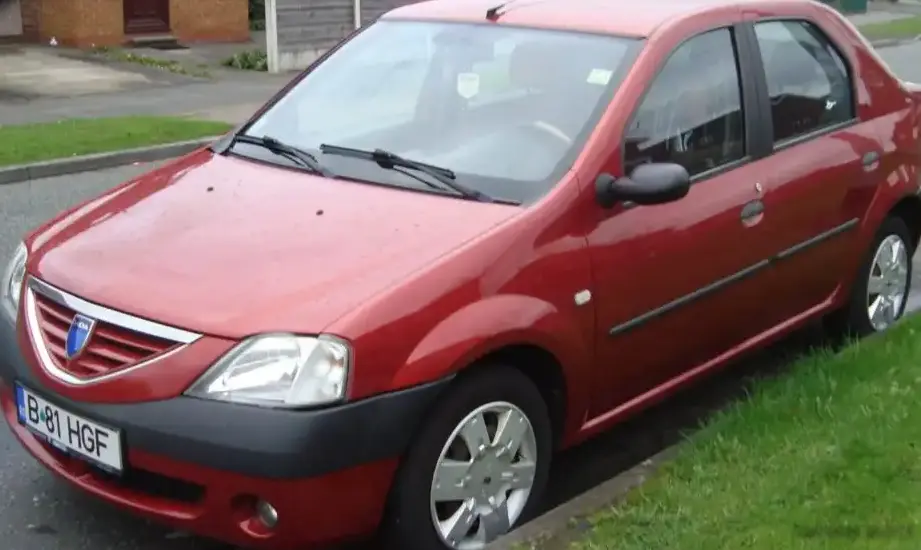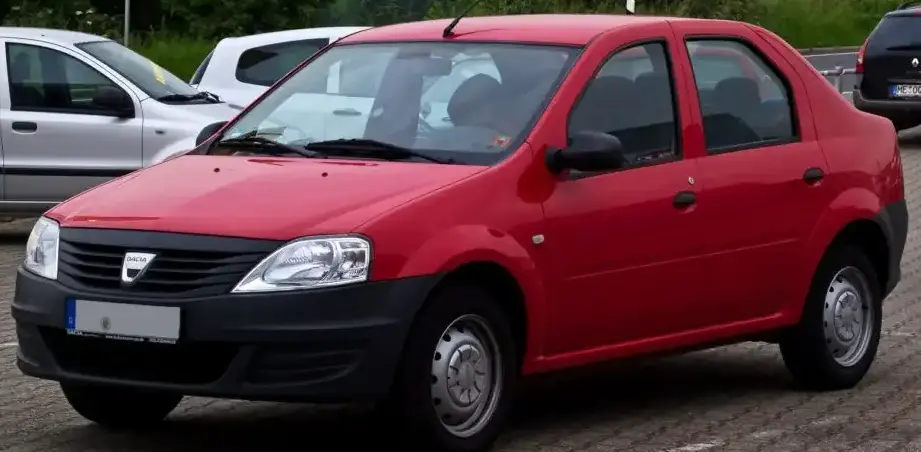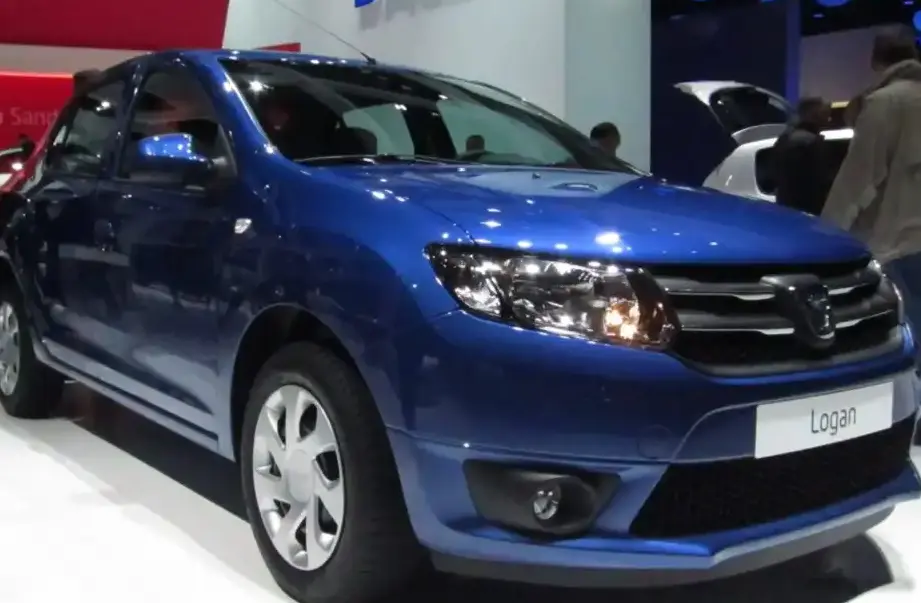
The Dacia Logan II 0.9 TCe (90 hp) was a variant of the second-generation Logan, produced from 2012 to 2015. Positioned as an entry-level offering within the Logan II range, it aimed to provide affordable and fuel-efficient transportation. This model was primarily sold in European markets, where Dacia had established a reputation for value-for-money vehicles. The 0.9 TCe engine represented a move towards smaller, turbocharged engines in Dacia’s lineup, offering a balance between performance and economy. It was a key part of the A3/HX0 platform vehicles.
Technical Specifications
| Brand | Dacia |
| Model | Logan |
| Generation | Logan II |
| Type (Engine) | 0.9 TCe (90 Hp) |
| Start of production | 2012 |
| End of production | 2015 |
| Powertrain Architecture | Internal Combustion engine |
| Body type | Sedan |
| Seats | 5 |
| Doors | 4 |
| Fuel consumption (urban) | 6.7 l/100 km (35.1 US mpg, 42.2 UK mpg, 14.9 km/l) |
| Fuel consumption (extra urban) | 4.3 l/100 km (54.7 US mpg, 65.7 UK mpg, 23.3 km/l) |
| Fuel consumption (combined) | 5 l/100 km (47 US mpg, 56.5 UK mpg, 20 km/l) |
| Fuel Type | Petrol (Gasoline) |
| Acceleration 0 – 100 km/h | 11.1 sec |
| Acceleration 0 – 62 mph | 11.1 sec |
| Acceleration 0 – 60 mph | 10.5 sec |
| Maximum speed | 175 km/h (108.74 mph) |
| Weight-to-power ratio | 11.1 kg/Hp, 90.2 Hp/tonne |
| Weight-to-torque ratio | 7.4 kg/Nm, 135.3 Nm/tonne |
| Power | 90 Hp @ 5250 rpm |
| Power per litre | 100.2 Hp/l |
| Torque | 135 Nm @ 2500 rpm (99.57 lb.-ft. @ 2500 rpm) |
| Engine layout | Front, Transverse |
| Engine Model/Code | H4B 400 |
| Engine displacement | 898 cm3 (54.8 cu. in.) |
| Number of cylinders | 3 |
| Engine configuration | Inline |
| Number of valves per cylinder | 4 |
| Fuel injection system | Multi-port manifold injection |
| Engine aspiration | Turbocharger, Intercooler |
| Engine oil capacity | 4.1 l (4.33 US qt | 3.61 UK qt) |
| Coolant capacity | 4.5 l (4.76 US qt | 3.96 UK qt) |
| Kerb Weight | 998 kg (2200.21 lbs.) |
| Max. weight | 1520 kg (3351.03 lbs.) |
| Max load | 522 kg (1150.81 lbs.) |
| Fuel tank capacity | 50 l (13.21 US gal | 11 UK gal) |
| Length | 4347 mm (171.14 in.) |
| Width | 1732 mm (68.19 in.) |
| Height | 1517 mm (59.72 in.) |
| Wheelbase | 2634 mm (103.7 in.) |
| Drivetrain Architecture | The Internal combustion engine (ICE) drives the front wheels of the vehicle. |
| Drive wheel | Front wheel drive |
| Number of gears | 5 gears, manual transmission |
| Front suspension | Independent, type McPherson with coil spring and anti-roll bar |
| Rear suspension | Torsion |
| Assisting systems | ABS (Anti-lock braking system) |
| Steering type | Steering rack and pinion |
| Power steering | Hydraulic Steering |
| Tires size | 185/65 R15 |
| Wheel rims size | 15 |
Powertrain & Engine Architecture
The heart of the Logan II 0.9 TCe was the H4B 400 engine, a 898cc inline-three cylinder petrol engine. This engine was part of Renault’s TCe (Turbo Control Efficiency) family, and featured a single-scroll turbocharger with an intercooler. The engine utilized multi-point fuel injection and four valves per cylinder. The H4B engine was designed to be lightweight and compact, contributing to the Logan’s overall efficiency. The engine’s relatively small displacement and turbocharging allowed for a reasonable power output of 90 horsepower at 5250 rpm and 135 Nm (99.57 lb-ft) of torque at 2500 rpm. The engine was paired with a five-speed manual transmission, as an automatic transmission was not offered for this specific variant in most markets.
Driving Characteristics
The 0.9 TCe engine provided adequate performance for everyday driving, but it wasn’t particularly sporty. Acceleration from 0 to 60 mph took around 10.5 seconds, and top speed was limited to 175 km/h (108.74 mph). The turbocharger provided a noticeable boost in power at higher engine speeds, but low-end torque was somewhat limited. Compared to the 1.6-liter petrol engine offered in other Logan II models, the 0.9 TCe felt less responsive, especially when fully loaded or driving uphill. However, the smaller engine excelled in fuel economy, making it a popular choice for drivers prioritizing efficiency. The five-speed manual transmission was well-matched to the engine’s characteristics, offering smooth gear changes and a reasonable spread of ratios.
Equipment & Trim Levels
The 0.9 TCe variant of the Logan II typically came with a basic level of equipment, reflecting its position as an entry-level model. Standard features generally included power steering, ABS brakes, front airbags, and a basic audio system. Air conditioning was often an optional extra. Interior upholstery was typically cloth, and the dashboard featured a simple, functional design. Higher trim levels, available at an additional cost, could add features such as electric windows, central locking, and a more advanced audio system. The overall interior ambiance was practical and durable, rather than luxurious.
Chassis & Braking
The Logan II 0.9 TCe utilized a McPherson strut front suspension and a torsion beam rear suspension. This setup provided a comfortable ride quality, although it wasn’t particularly sporty. The front brakes were ventilated discs, while the rear brakes were typically drum brakes, a cost-saving measure common in this segment. The steering was a hydraulic rack and pinion system, offering reasonable precision and feedback. The Logan II’s chassis was designed to be robust and reliable, capable of handling the demands of everyday driving and carrying a full load of passengers and cargo. The tires were typically 185/65 R15, providing a good balance between comfort and grip.
Market Reception & Comparison
The Dacia Logan II 0.9 TCe was generally well-received by critics for its affordability and fuel efficiency. However, some reviewers noted that the engine lacked refinement and could feel strained when pushed hard. Compared to other Logan II variants, such as the 1.6-liter petrol, the 0.9 TCe offered significantly better fuel economy but less performance. It was often compared to other budget-oriented sedans in the European market, such as the Skoda Rapid and the Peugeot 301. The Logan II consistently undercut its rivals on price, making it an attractive option for budget-conscious buyers. Reliability was generally good, although the turbocharger added a layer of complexity compared to naturally aspirated engines.
Legacy
The Dacia Logan II 0.9 TCe represented a significant step forward in terms of fuel efficiency for the Logan model. The H4B 400 engine proved to be a relatively reliable unit, although regular maintenance, including oil changes and turbocharger inspections, was essential. In the used car market, these models remain popular due to their low running costs and affordability. While not known for its performance or luxury, the Logan II 0.9 TCe provided a practical and economical transportation solution for many drivers, solidifying Dacia’s reputation as a value-for-money brand. The engine itself became a staple in several Renault and Dacia models, demonstrating its versatility and efficiency.