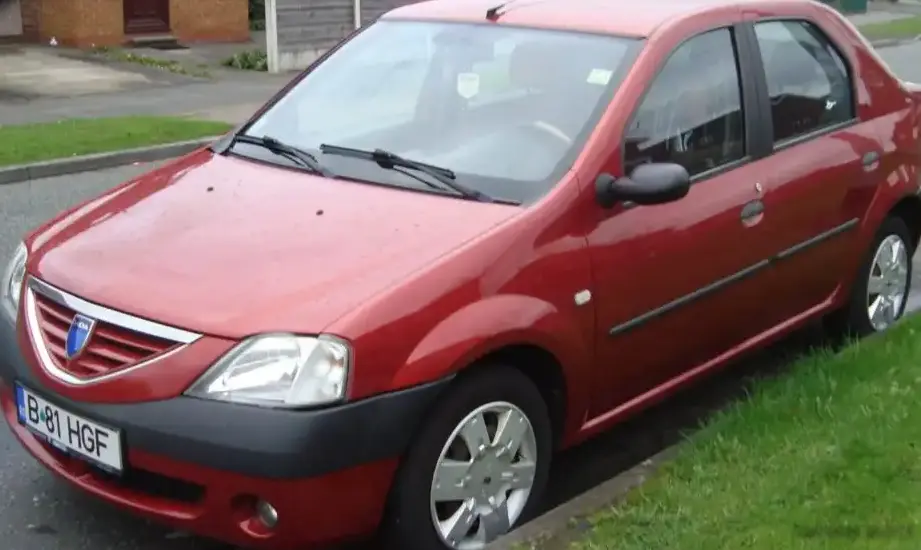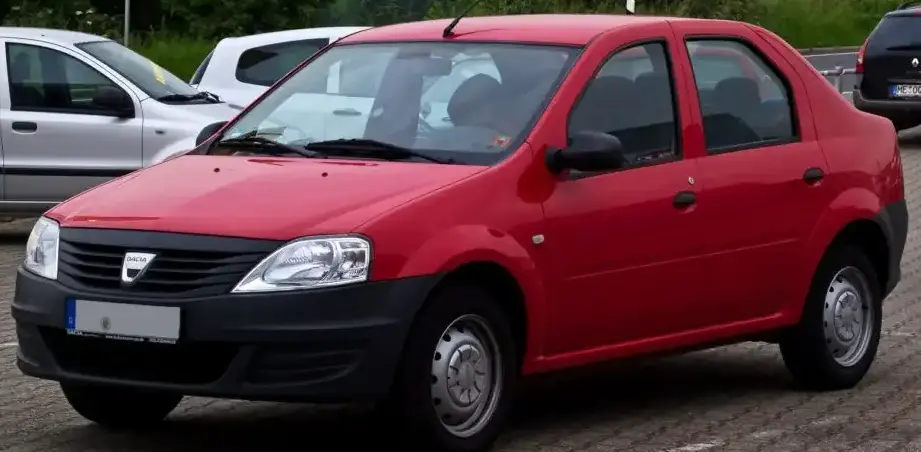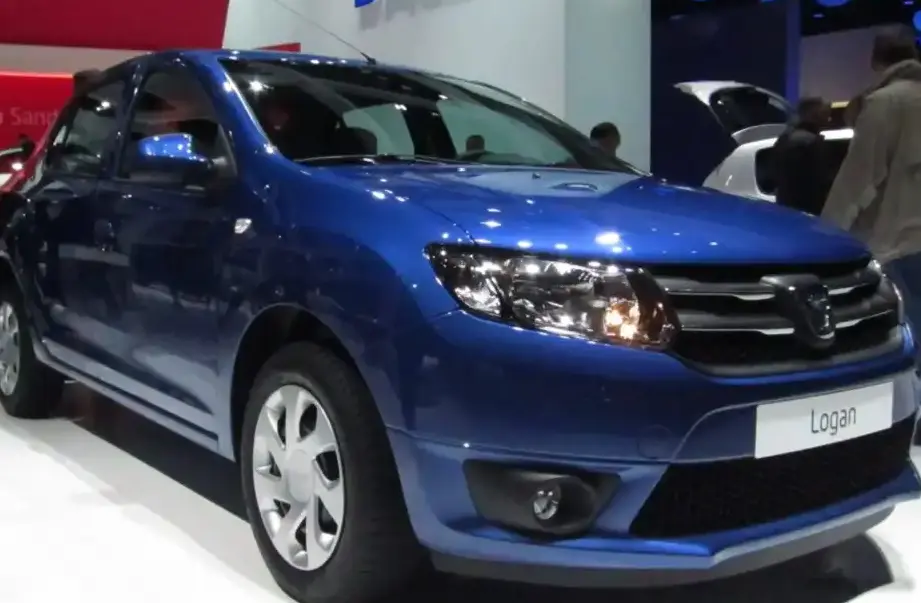
The Dacia Logan II 1.2 (75 hp) LPG, produced between 2012 and 2016, represented an entry-level offering within the second generation Logan lineup. Positioned as a budget-friendly option, particularly in markets where LPG conversions were popular, this variant aimed to provide affordable transportation with the added benefit of alternative fuel capability. It was a key model for Dacia, a brand known for its no-frills approach and value-for-money proposition, primarily targeting cost-conscious buyers in Eastern Europe, but also gaining traction in Western European markets. The Logan II itself was built on the shared Renault-Nissan B0 platform, also underpinning vehicles like the Renault Sandero and Nissan Note.
Technical Specifications
| Brand | Dacia |
| Model | Logan |
| Generation | Logan II |
| Type (Engine) | 1.2 (75 Hp) LPG |
| Start of production | 2012 |
| End of production | 2016 |
| Powertrain Architecture | Internal Combustion engine |
| Body type | Sedan |
| Seats | 5 |
| Doors | 4 |
| Fuel consumption (combined) | 7.5 l/100 km (31.4 US mpg, 37.7 UK mpg, 13.3 km/l) |
| Fuel Type | Petrol / LPG |
| Acceleration 0 – 100 km/h | 15.1 sec |
| Acceleration 0 – 62 mph | 15.1 sec |
| Acceleration 0 – 60 mph | 14.3 sec |
| Maximum speed | 154 km/h (95.69 mph) |
| Weight-to-power ratio | 13.7 kg/Hp, 72.7 Hp/tonne |
| Weight-to-torque ratio | 9.8 kg/Nm, 101.8 Nm/tonne |
| Power | 75 Hp @ 5500 rpm |
| Power per litre | 65.3 Hp/l |
| Torque | 105 Nm @ 4250 rpm (77.44 lb.-ft. @ 4250 rpm) |
| Engine layout | Front, Transverse |
| Engine Model/Code | D4F 734 |
| Engine displacement | 1149 cm3 (70.12 cu. in.) |
| Number of cylinders | 4 |
| Engine configuration | Inline |
| Number of valves per cylinder | 4 |
| Fuel injection system | Multi-port manifold injection |
| Engine aspiration | Naturally aspirated engine |
| Engine oil capacity | 4 l (4.23 US qt | 3.52 UK qt) |
| Coolant | 4.5 l (4.76 US qt | 3.96 UK qt) |
| Kerb Weight | 1031 kg (2272.97 lbs.) |
| Max. weight | 1562 kg (3443.62 lbs.) |
| Max load | 531 kg (1170.65 lbs.) |
| Fuel tank capacity | 50 l (13.21 US gal | 11 UK gal) |
| Fuel tank capacity (LPG) | 32 l |
| Length | 4347 mm (171.14 in.) |
| Width | 1732 mm (68.19 in.) |
| Height | 1517 mm (59.72 in.) |
| Wheelbase | 2634 mm (103.7 in.) |
| Drivetrain Architecture | The Internal combustion engine (ICE) drives the front wheels of the vehicle. |
| Drive wheel | Front wheel drive |
| Number of gears and type of gearbox | 5 gears, manual transmission |
| Assisting systems | ABS (Anti-lock braking system) |
| Steering type | Steering rack and pinion |
| Tires size | 185/65 R15 |
| Wheel rims size | 15 |
Powertrain & Engine Architecture
The heart of the Logan II 1.2 (75 hp) LPG is the D4F 734 engine, a 1.2-liter inline-four cylinder petrol engine. This engine is part of the Dacia-Renault family of engines and is known for its simplicity and robustness. It features a multi-point fuel injection system, delivering fuel to each cylinder independently. The engine utilizes a single overhead camshaft (SOHC) valvetrain with four valves per cylinder, contributing to reasonable efficiency and power output for its displacement. The LPG conversion is typically a factory-installed option, featuring a dedicated LPG tank and regulator, seamlessly integrated with the petrol fuel system. The engine is transversely mounted at the front of the vehicle, driving the front wheels. The 5-speed manual transmission, a standard feature, is chosen for its cost-effectiveness and reliability. It’s a relatively basic gearbox, prioritizing durability over sporty shift feel.
Driving Characteristics
The 1.2-liter, 75 hp engine paired with the 5-speed manual transmission delivers modest performance. Acceleration is slow, with a 0-60 mph time of around 14.3 seconds. The engine feels strained when climbing hills or carrying a full load. The gear ratios are tuned for economy rather than outright speed, meaning the engine needs to be revved to extract the most performance. Compared to the more powerful 0.9 TCe or 1.5 dCi variants, the 1.2 LPG feels significantly underpowered. However, the LPG system provides a cost-effective alternative fuel source, reducing running costs for drivers who frequently travel long distances. The suspension is tuned for comfort, providing a relatively soft ride, but this comes at the expense of handling precision.
Equipment & Trim Levels
The Logan II 1.2 (75 hp) LPG typically came with a basic level of equipment. Standard features generally included power steering, central locking, electric front windows, and an ABS anti-lock braking system. Air conditioning was often an optional extra. Interior upholstery was typically cloth, with a simple dashboard layout. Higher trim levels, available at an additional cost, might have included features like a radio with CD player, rear electric windows, and more comfortable seats. The focus was on providing essential features at the lowest possible price point.
Chassis & Braking
The Logan II utilizes a MacPherson strut front suspension and a torsion beam rear suspension. This setup is cost-effective and provides adequate ride comfort for everyday use. The braking system consists of disc brakes at the front and drum brakes at the rear. The drum brakes on the rear were a cost-saving measure, common in this segment. The steering is a rack and pinion system, providing reasonable steering feel. The 185/65 R15 tires offer a good balance of comfort and grip.
Market Reception & Comparison
The Dacia Logan II 1.2 (75 hp) LPG was generally well-received by critics as a practical and affordable vehicle. Its low price point and fuel efficiency, especially when running on LPG, were major selling points. However, the engine’s lack of power was often criticized. Compared to the diesel variants, the 1.2 LPG offered lower fuel economy but a smoother and quieter driving experience. Against the petrol-only 1.2, the LPG version offered a significant cost advantage for high-mileage drivers. It competed primarily with other budget-oriented sedans like the Skoda Rapid and Hyundai Accent.
Legacy
The Dacia Logan II 1.2 (75 hp) LPG has proven to be a reliable and durable vehicle. The D4F engine is known for its robustness, and the LPG system, when properly maintained, can provide years of trouble-free service. In the used car market, these Logans are still relatively affordable and represent a good value for buyers seeking a basic, economical vehicle. While not a performance car, its simplicity and low running costs make it a popular choice for those prioritizing practicality and affordability. The model helped solidify Dacia’s reputation as a provider of no-nonsense, value-for-money vehicles.